 Francés
 Español
 Русский
 German
 Português
 Swedish
 Italian
 العربية
 Japanese



Why Does Camo Matter in Hunting Clothing?
The Strategic Role of Camouflage in Modern Hunting Apparel
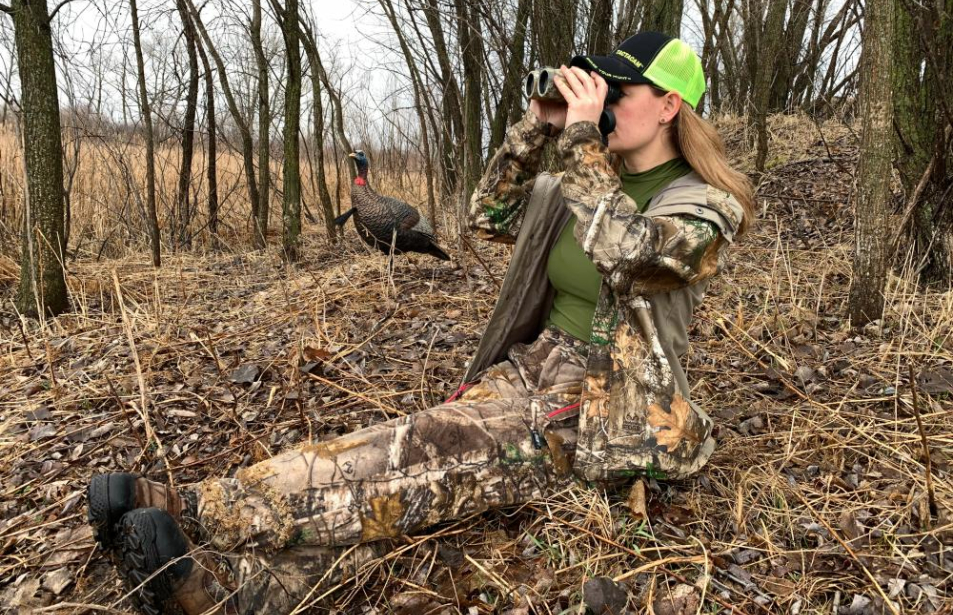
As the global demand for advanced hunting clothing continues to rise, camouflage (camo) has become one of the most influential design and performance elements in the industry. While camouflage has long been part of traditional hunting culture, today’s global market shows that camo is much more than aesthetics—it is a functional visual-concealment technology, critical for success in diverse environments. From woodland and marshland to snowfields and rocky terrain, camo patterns directly impact a hunter’s ability to remain undetected by game animals whose eyesight, movement detection, and color sensitivity differ significantly from humans.
For international buyers and outdoor brands, choosing the right camo and the right manufacturing partner is essential. As a specialized OEM/ODM producer of high-performance technical apparel, BOWINS supports global hunting apparel brands with advanced materials, professional patterning, and a vertically integrated supply chain capable of delivering consistent quality at scale.
Global Market Demand for Hunting Clothing
Industry Growth and Changing Consumer Expectations
The global hunting clothing market continues to expand, driven by the following factors:
1. Rising Participation in Outdoor and Hunting Activities
In North America, Europe, and Oceania, participation in recreational hunting has increased steadily. This has boosted demand for technical hunting apparel designed for concealment, comfort, scent control, waterproofness, and cold-weather protection.
2. Performance Over Appearance
Buyers now prioritize technical features such as:
3D camo patterns
Multi-environment camouflage
Durable waterproof and windproof fabrics
Scent-blocking and noise-reduction technologies
Breathable yet insulated textiles
Camo is no longer simply a “print.” It is a functional element integrated with thermal, acoustic, and visual performance requirements.
3. Growth of Premium and Professional Hunting Apparel Brands
High-performance hunting brands are gaining market share by focusing on technical innovation. As a result, OEM manufacturers must deliver higher precision, complex patterns, and multi-material construction.
BOWINS supports this demand through its advanced design team, automated cutting systems, and multi-factory network across China and Cambodia.
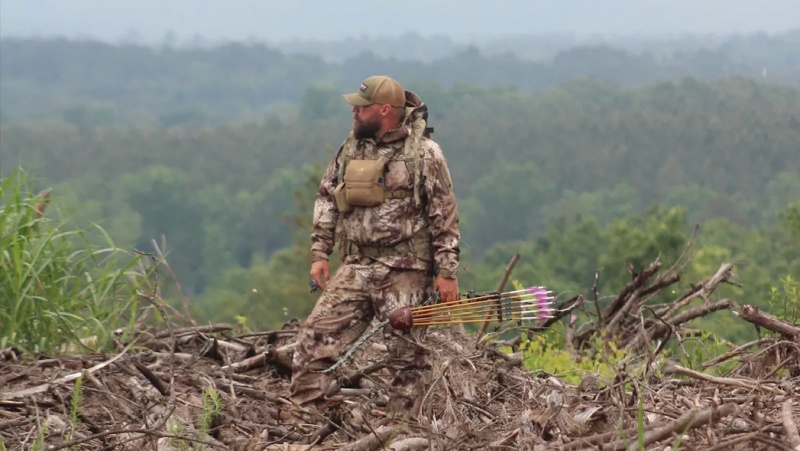
Why Camo Matters in Hunting Clothing
The Science Behind Camouflage
How Animals Detect Color and Movement
Many game animals do not perceive colors the way humans do. Instead of distinguishing full-spectrum color, they detect movement, contrast, and irregular shapes. Effective camo disrupts the outline of the human body, making the hunter visually blend into the natural environment.
Multi-Terrain Adaptation
Different terrains require different camo patterns:
Woodland: Leafy, high-contrast green and brown tones
Marshland: Reeds, khaki tones, blurred edge patterns
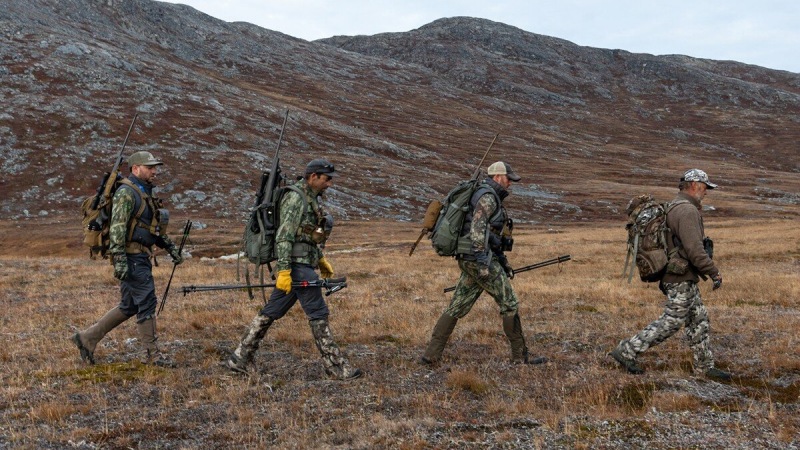
Mountain: Rock textures, grey gradients, fragmented shapes
Snow: High-value white and low-contrast grey shadows
Choosing the correct pattern directly affects hunting success and user experience.
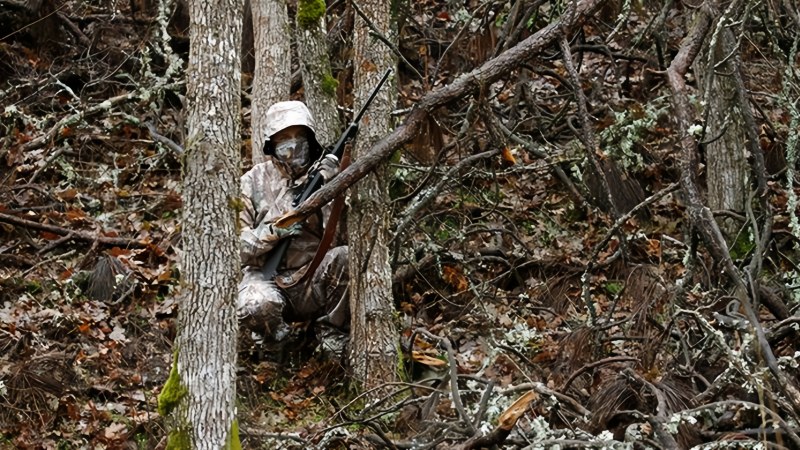
Modern Camo Technologies in Hunting Clothing
From Traditional Prints to Advanced Concealment Systems
1. 3D Realistic Camouflage
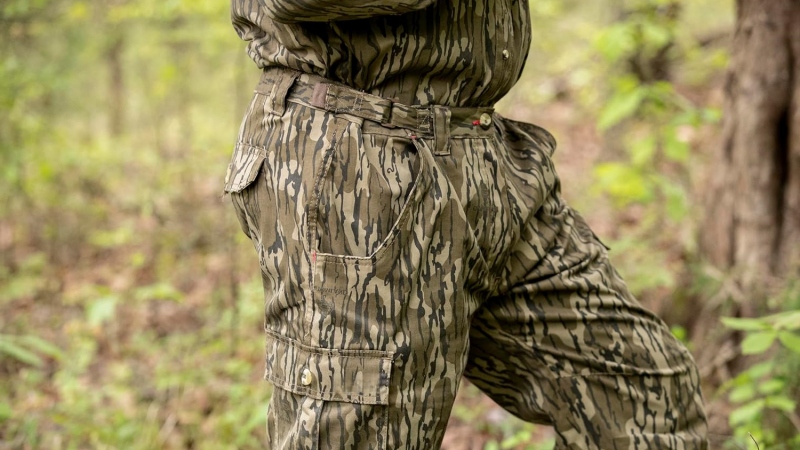
High-resolution printing technologies enable natural-looking vegetation, bark texture, or stones. These patterns offer superior realism and break up the hunter’s silhouette effectively.
2. Digital and Geometric Camo
Pixelated, multi-layer patterns scatter light and shape more effectively across various terrains. These designs work well for hunters who move through different environments in a single trip.
3. Scent-Control Camo Clothing
Camo alone is not enough—animals can detect scent long before detecting visuals. Hunting clothing now combines camo with:
Activated carbon layers
Anti-odor finishing
Tight-weave scent-blocking membranes
4. Quiet Fabric Technology
Fabric noise can alert wildlife even when camo is perfect. Micro-brushed and silent-shell fabrics are becoming standard in high-end hunting jackets and pants.
5. Weather-Resistant Camo Materials
Camo must remain effective under rain, snow, or dirt. Modern hunting clothing integrates:
Waterproof membranes
Windproof softshells
Lightweight insulation
Moisture-wicking linings
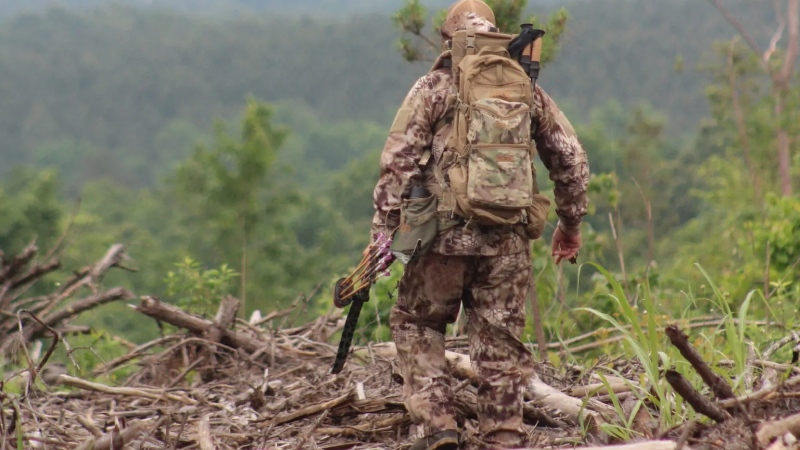
How BOWINS Supports High-Performance Camo Hunting Clothing
OEM/ODM Manufacturing Capabilities for B2B Buyers
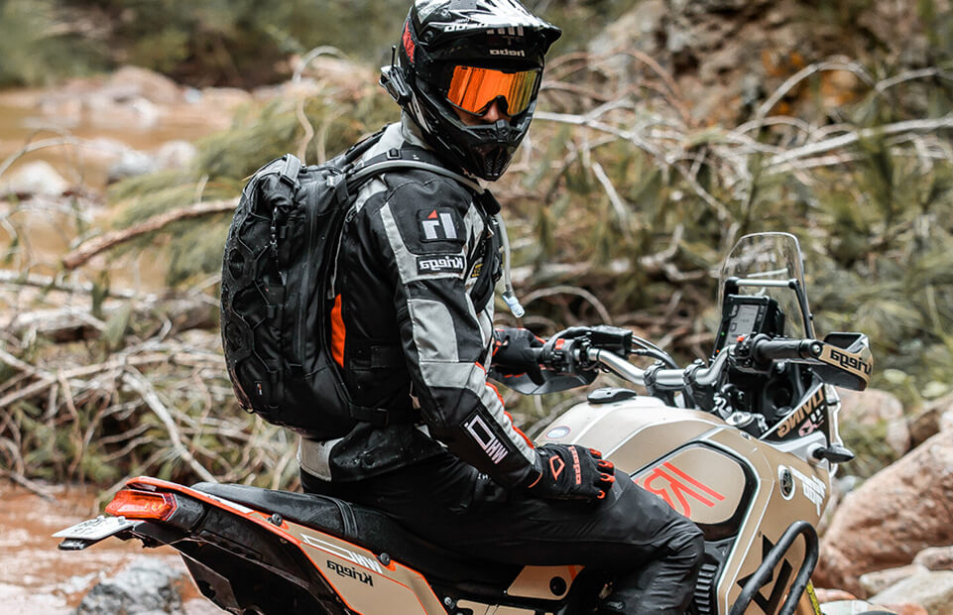
As an OEM/ODM manufacturer specializing in outdoor, fishing, ski, motorcycle, and hunting clothing, BOWINS leverages a fully integrated production system to help international brands develop advanced camo apparel.
Professional Design and R&D Team
70+ functional garment design specialists
In-house pattern making, technical specs, and sampling
Co-research partnerships with universities and textile institutes
Advanced Production Equipment
Automated cutting systems for high-precision camo alignment
CNC sewing machines for durable seams in multi-layer fabrics
Laser cutting for complex reinforcement components
In-house seam taping and waterproof testing labs
Multi-Factory, Scalable Output
Three wholly owned factories in China and Cambodia
1,300+ professionals and 20,000㎡ of production space
Flexible for both small-batch development and mass production
Stable supply chain and strict quality control system
Camo Printing and Fabric Customization
BOWINS supports:
Multi-environment camo development
Custom camo pattern printing
Heat transfer or digital sublimation
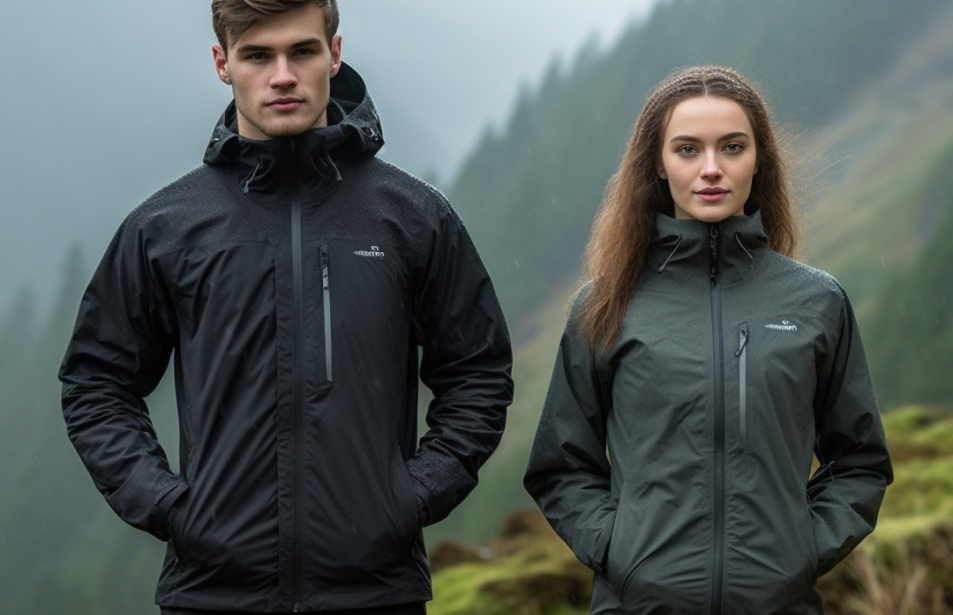
Waterproof camo shells with breathable membranes
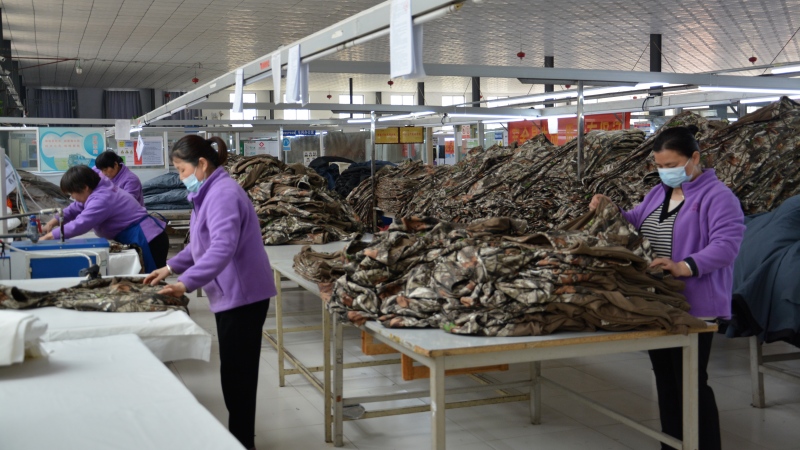
Trends Driving the Future of Hunting Clothing
1. Eco-Friendly Materials
Recycled polyester, low-impact dyeing, and biodegradable membranes are gaining popularity among premium brands.
2. Smart Heated Hunting Clothing
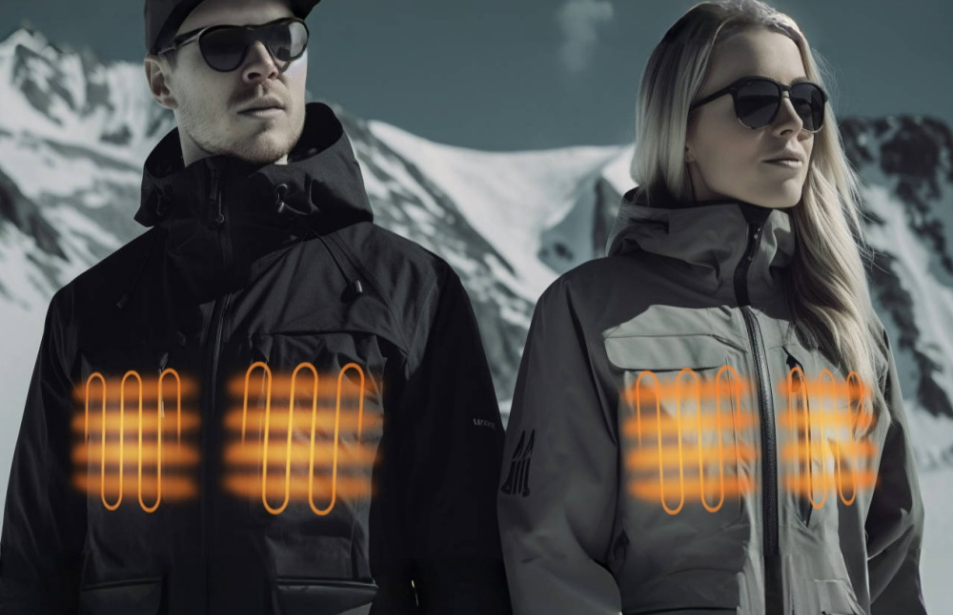
Rechargeable heating systems integrated with camo jackets and pants are becoming key differentiators in cold-weather hunting markets.
3. Multi-Layer System Integration
Base layers, mid layers, and outer shells designed as one unified performance system.
4. Women’s and Youth Hunting Apparel
A fast-growing segment demanding better fit, lighter weight, and improved mobility.
Application Scenarios of Camo Hunting Clothing
Deer hunting
Waterfowl and duck hunting
Mountain goat and elk hunting
Snow hunting
Bush and swamp environments
Bowhunting and long-range rifle hunting
Each scenario requires tailored camo, insulation, and fabric technologies.
FAQ – Common Questions From B2B Buyers
Q1: Can BOWINS develop custom camo patterns for our brand?
Yes. BOWINS provides OEM/ODM camo pattern development, digital printing, and fabric customization to meet your market needs.
Q2: How does BOWINS ensure camo alignment during production?
Automated cutting systems and digital patterning ensure precise camo matching across seams, pockets, and panels.
Q3: Do you offer waterproof and breathable camo fabrics?
Absolutely. BOWINS supports PU-coated, TPU-laminated, and membrane-bonded camo fabrics suitable for rain, snow, and harsh conditions.
Q4: What is the typical lead time for hunting clothing orders?
Lead times depend on materials and order size. Sample development usually takes 7–21 days; bulk orders typically require 45–75 days.
Conclusion
Camouflage is far more than a visual design element—it is a strategic technology essential to the performance and success of modern hunting clothing. As market expectations continue to rise, hunting apparel brands must integrate realistic concealment, scent control, noise reduction, waterproof technologies, and environmentally adaptable designs.
With its strong R&D team, advanced equipment, and vertically integrated multi-factory system, BOWINS remains a trusted OEM/ODM partner for global outdoor brands seeking high-performance and innovation-driven camo hunting apparel.