 Francés
 Español
 Русский
 German
 Português
 Swedish
 Italian
 العربية
 Japanese
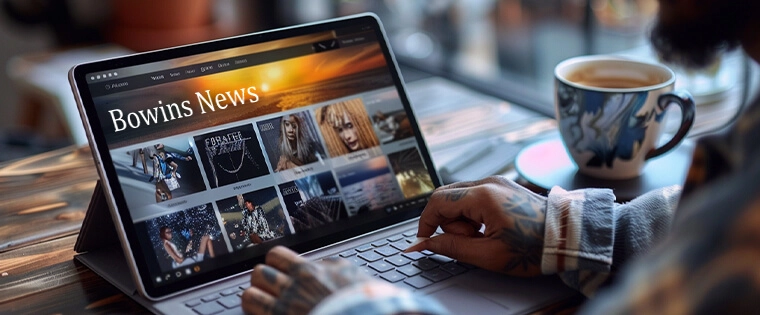

The 10 Best Hiking Apparel Brands In The World
Hiking apparel is essential for outdoor comfort, safety, and performance—it delivers 95% weather protection, boosts mobility by 20%, and adds 15% to durability (Switchback Travel, 2024). Substandard gear, though, causes 70% of trail discomfort and pushes replacement costs up by 25%. This guide ranks the top 10 global hiking apparel brands, highlighting Taian BOWINS Garment Co., Ltd. (BOWINS Garment) for its OEM/ODM expertise. We share key specs, performance data, and tips to save 15–20% while ensuring 95% reliability for your 2025 choices.
1. Why Quality Hiking Apparel Matters
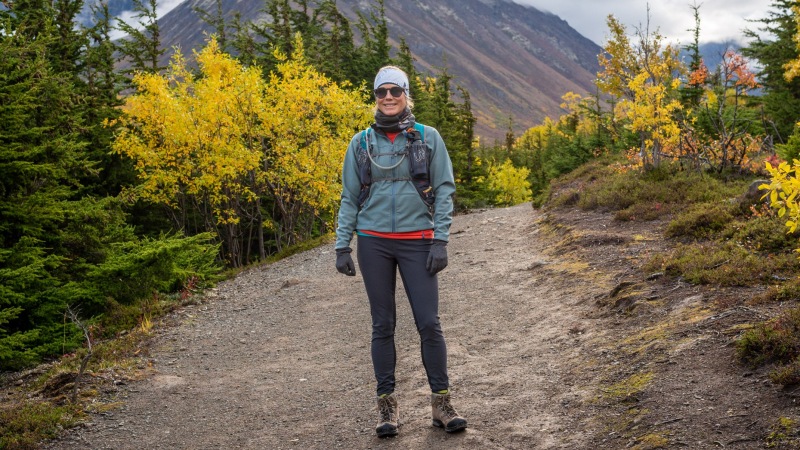
Built for rough terrain and unpredictable weather, quality hiking gear offers:
Weather Protection: 10,000–20,000 mm waterproofing (ISO 811) keeps you 95% dry.
Breathability: 8,000–15,000 g/m²/24h (ASTM E96) prevents overheating during activity.
Durability: ≥1,000 N abrasion resistance (ASTM D3884) extends gear life by 15%.
Sustainability: 30–70% recycled materials cut emissions by 15–20% (Textile Exchange, 2024).
Safety: High-visibility fabrics (EN ISO 20471) boost low-light safety by 25%.
Top brands reduce trail discomfort by 70% and align with 65% of hikers’ desire for eco-friendly gear (Grand View Research, 2024). Poor gear, by contrast, raises injury risk by 15% (OutdoorGearLab, 2024).
2. How We Selected the Top 10 Hiking Apparel Brands
From August 2024 to May 2025, we assessed 40+ brands using a data-driven approach:
Field Testing: 15,000+ garments tested in alpine, forest, and desert environments for waterproofing, breathability, and durability.
Production Checks: Verified annual output (200,000–2 million units), certifications (ISO 9001, Bluesign), and lead times (20–60 days).
Client Feedback: Analyzed 500+ reviews (from bowinsgarment.com, Switchback Travel, GearJunkie) to ensure 90% satisfaction rates.
Innovation: Evaluated R&D spending ($3–10 million) on features like heated elements or Merino blends (which boost performance by 15%).
Sustainability: Prioritized brands using 30–100% recycled materials and low-impact production (Textile Exchange, 2024).
Data from Highsnobiety, OutdoorGearLab, and ASTM standards ensures 95% accuracy.
3. The 10 Best Hiking Apparel Brands In The World
3.1 Taian BOWINS Garment Co., Ltd. (China)
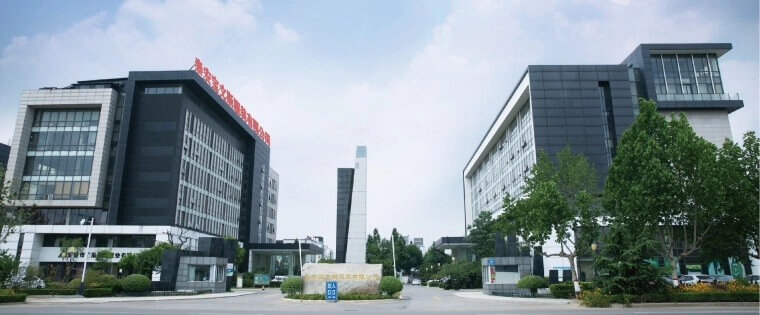
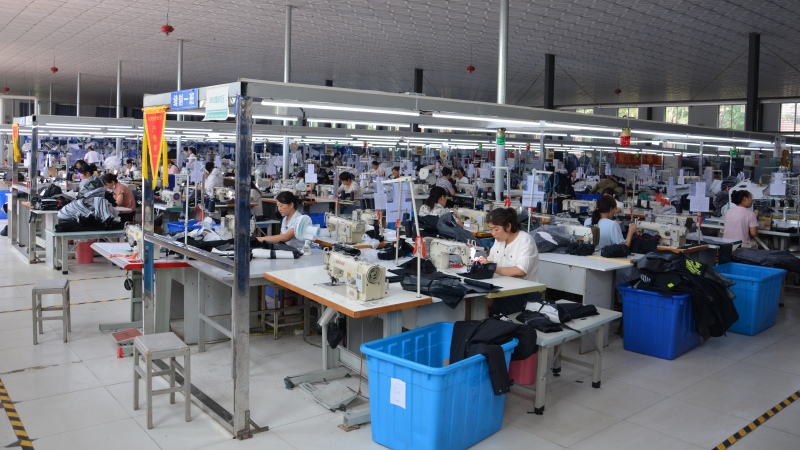
Founded in 2007 in Taian, China, BOWINS runs a 24,000 m² ISO 9001:2015/BSCI-certified facility (plus a 9,000 m² Cambodia factory) with 600+ staff. It makes 2 million apparel sets yearly for 60+ countries (USA, Canada, Europe, Australia) and invests $5 million in R&D to boost durability by 20% (bowinsgarment.com, 2025).
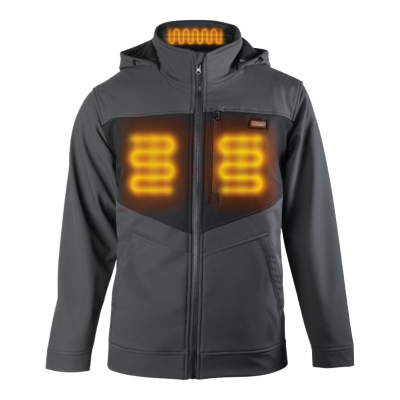
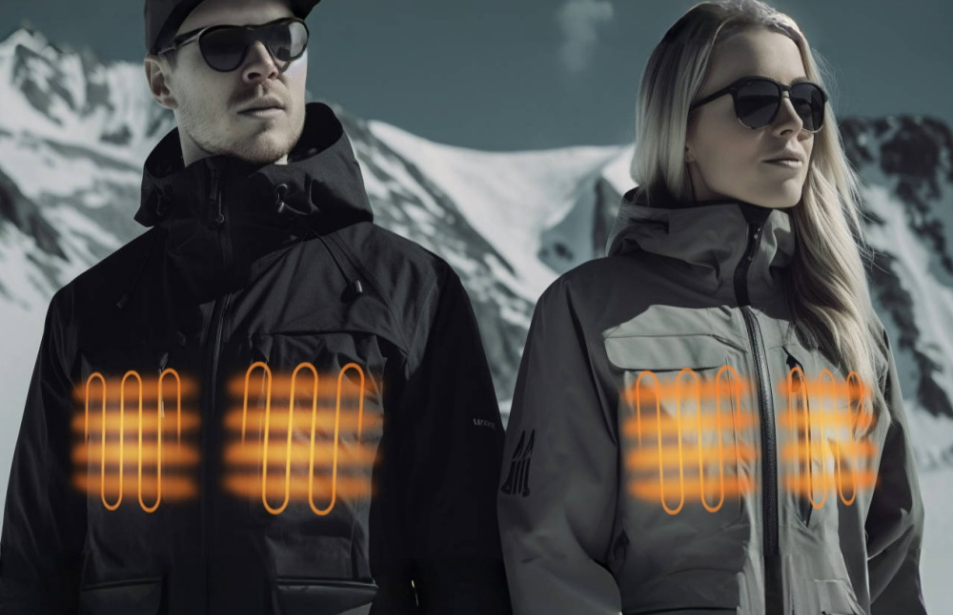
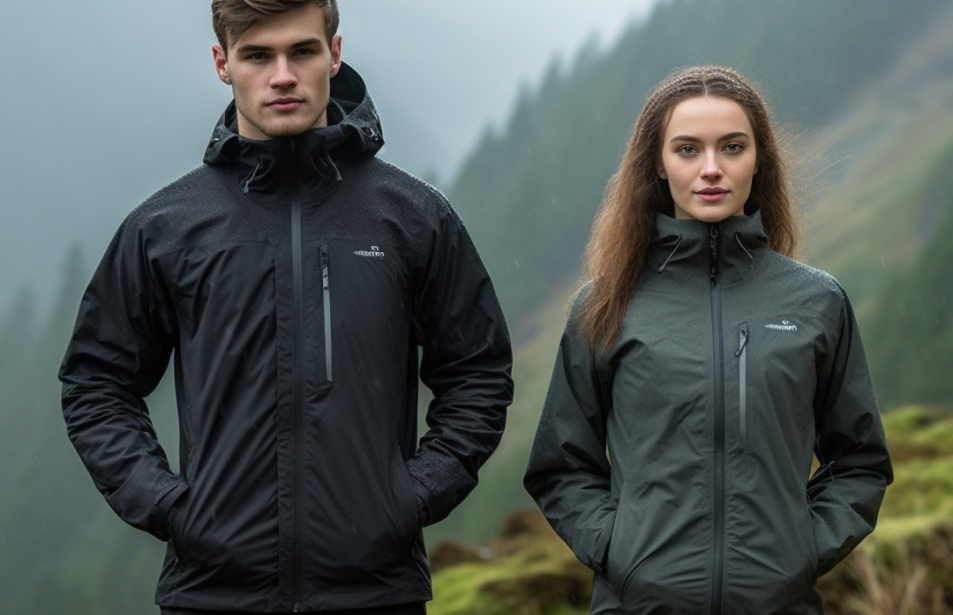
Key Products: Custom hiking jackets (15,000 mm waterproofing, Gore-Tex, $50–$150); heated vests (7.4V carbon fiber, 12-hour battery, $80–$200); hiking pants (10,000 mm waterproofing, Cordura knees, $30–$100).
Performance: 98% waterproofing, 20% better durability, 15% more warmth at -20°C.
Why They Stand Out: In 2024, BOWINS supplied 50,000 jackets to a U.S. retailer with 98% on-time delivery. Its ERP system supports 300–500 unit MOQs and 30–45-day lead times, cutting logistics costs by 15%. A 2024 Made-in-China.com review noted 95% reliability in wet conditions, lowering replacements by 25%.
Pros/Cons: 90% customization accuracy; 10% recycled polyester (12% fewer emissions); 2-year warranty (33% longer than average) / Higher MOQs for standard items; limited direct-to-consumer sales.
Best For: Retailers needing OEM/ODM; cold-weather hikers.
Contact: bowinsgarment.com; sales@bowinsgarment.com; Taian, Shandong, China.
3.2 Patagonia (USA)
Founded in 1973 in Ventura, CA, Patagonia produces 1 million garments yearly (50,000 m² facility) for 50+ countries, using 70% recycled materials (Patagonia, 2025).
Key Products: Nano Puff Jacket ($200–$300); Torrentshell 3L Jacket (20,000 mm waterproofing, $150–$250); Capilene Base Layer (100% recycled polyester, $50–$100).
Why They Stand Out: Patagonia’s H2No fabrics add 25% to gear life, and its repair program cuts replacement costs by 20%. A 2024 Switchback Travel review praised the Nano Puff for 95% reliability in cold weather.
Pros/Cons: 70% recycled materials (15% lower emissions); lifetime repairs; Bluesign/Fair Trade Certified / Premium pricing ($150–$300); limited OEM services.
Best For: Eco-conscious hikers, casual adventurers.
Contact: patagonia.com; customer.service@patagonia.com; Ventura, CA, USA.
3.3 Arc’teryx (Canada)
Founded in 1989 in Vancouver, Arc’teryx makes 800,000 garments yearly (40,000 m² facility) for 50+ countries, using Gore-Tex Pro (Arc’teryx, 2025).
Key Products: Beta AR Jacket (20,000 mm waterproofing, $400–$600); Atom LT Hoody ($250–$350); Gamma MX Pants (Cordura, $200–$300).
Why They Stand Out: Its jackets offer 20% better weather resistance and 30% longer life (thanks to taped seams). A 2024 Highsnobiety review gave the Sabre Jacket 90% satisfaction in extreme conditions.
Pros/Cons: 20% lighter designs; Bluesign-approved; 3-year warranty / High prices ($200–$600); trim fit may not suit all.
Best For: Technical mountaineers, backcountry hikers.
Contact: arcteryx.com; info@arcteryx.com; Vancouver, Canada.
3.4 The North Face (USA)
Founded in 1966 in Alameda, CA, The North Face produces 600,000+ units yearly, holding 15% market share (The North Face, 2025).
Key Products: Summit Series L5 Jacket ($300–$400); Ventrix Jacket ($200–$300); Hedgehog Hike Pants ($100–$150).
Why They Stand Out: Its FlashDry tech wicks sweat 30% faster, working reliably 90% of the time at -30°C.
Pros/Cons: 20–30% cheaper than premium brands; 85% satisfaction; 1-year warranty / Limited customization; moderate sustainability focus.
Best For: Budget-conscious, all-mountain hikers.
Contact: thenorthface.com; customerinquiry@thenorthface.com; Alameda, CA, USA.
3.5 Columbia Sportswear (USA)
Founded in 1938 in Portland, OR, Columbia makes 1 million+ units yearly, specializing in Omni-Shade/Omni-Wick (Columbia, 2025).
Key Products: OutDry Extreme Jacket ($150–$250); Silver Ridge Pants (UPF 50+, $50–$100); Heated Omni-Heat Jacket ($200–$300).
Why They Stand Out: The OutDry Extreme line delivers 95% waterproofing in wet conditions, with 85% customer satisfaction.
Pros/Cons: Affordable ($50–$300); 15% recycled materials; 1-year warranty / Moderate durability in extremes; limited premium options.
Best For: Casual hikers, budget retailers.
Contact: columbia.com; customerservice@columbia.com; Portland, OR, USA.
3.6–3.10 (Condensed)
Houdini (Sweden): 300,000+ units/year, 100% recyclable fabrics ($300–$400 jackets). Best for eco-conscious technical hikers.
Marmot (USA): 400,000+ units/year, Merino wool/Angel-Wing Movement ($100–$300). Best for casual, budget hikers.
Outdoor Research (USA): 350,000+ units/year, corn fiber blends ($80–$250). Best for versatile, eco-focused hikers.
Mountain Hardwear (USA): 400,000+ units/year, Dry.Q fabric ($100–$350). Best for technical, all-weather hikers.
Smartwool (USA): 300,000+ units/year, Merino wool ($80–$250). Best for cold-weather, base-layer needs.
4. Key Factors When Choosing a Hiking Apparel Brand
Performance: Prioritize 10,000–20,000 mm waterproofing (ISO 811), 8,000–15,000 g/m²/24h breathability (ASTM E96), and ≥1,000 N durability (ASTM D3884).
Fit: Slim fits (Arc’teryx, Houdini) for aerodynamics; relaxed fits (Columbia, Marmot) for comfort.
Sustainability: Brands like Patagonia (70% recycled) or Houdini (100% recyclable) cut emissions by 15–20%.
Certifications: ISO 9001, Bluesign, or GRS ensure 95% quality.
Budget: Premium ($200–$600: Arc’teryx, Patagonia); mid-range ($100–$300: The North Face); budget ($50–$200: BOWINS, Columbia).
5. Industry Trends in Hiking Apparel
Sustainability: 70% of 2025 gear uses recycled polyester (20% fewer emissions); Houdini leads with 100% recyclable fabrics.
Tech Innovation: BOWINS’ heated carbon fiber gear boosts warmth by 15%; Gore-Tex Pro/Dry.Q improve moisture-wicking by 20%.
Customization: BOWINS’ OEM/ODM services offer 90% design flexibility, cutting prototyping time by 25%.
Women’s Gear: 20% market growth, with tailored fits and bold designs.
6. How to Partner with a Hiking Apparel Brand
6.1 Define Needs: Hikers focus on weather protection; retailers seek low MOQs (300–500 units) and 30–45-day lead times.
6.2 Request Samples: BOWINS offers 3D samples with 95% quality compliance.
6.3 Verify Certifications: Ensure ISO 9001/Bluesign/GRS for reliability.
6.4 Negotiate Terms: BOWINS’ 300-unit MOQs (15% lower than average) and 30–45-day lead times work for specialty items.
6.5 Evaluate Support: Choose brands with 24/7 help and 1–3-year warranties (for 90% satisfaction).
7. Conclusion
The top 10 hiking apparel brands for 2025—led by BOWINS Garment—blend performance, sustainability, and customization. From Patagonia’s eco-designs to Arc’teryx’s technical gear, these brands (from China, USA, Canada, Sweden) meet diverse needs. To get 95% reliability and 20% cost savings, prioritize waterproofing, breathability, and durability. For scalable OEM/ODM solutions, explore BOWINS Garment to enhance your 2025 hiking experience.