
 Francés
 Español
 Русский
 German
 Português
 Swedish
 Italian
 العربية
 Japanese
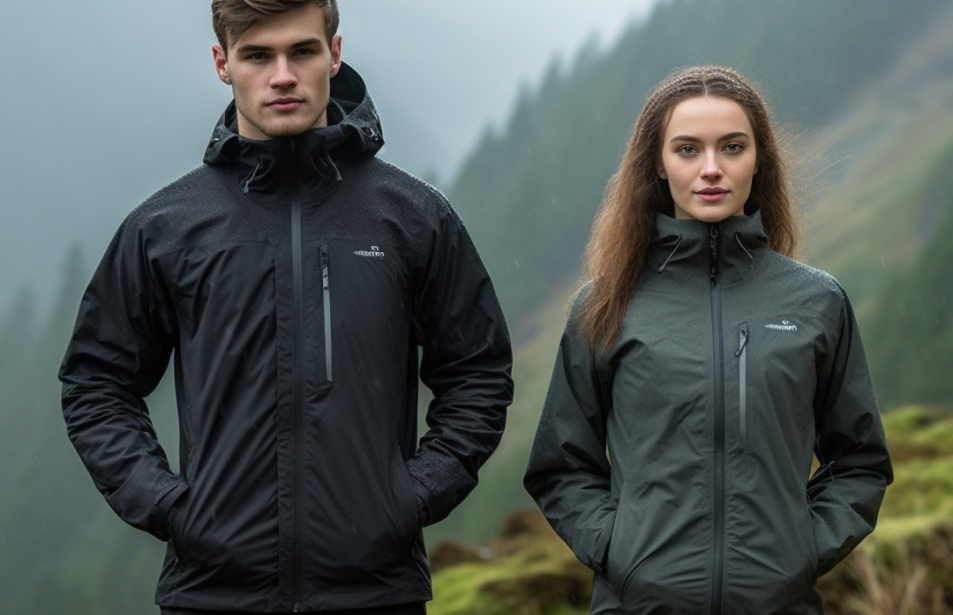


Why Is Outdoor Clothing Important for Outdoor Safety and Comfort?
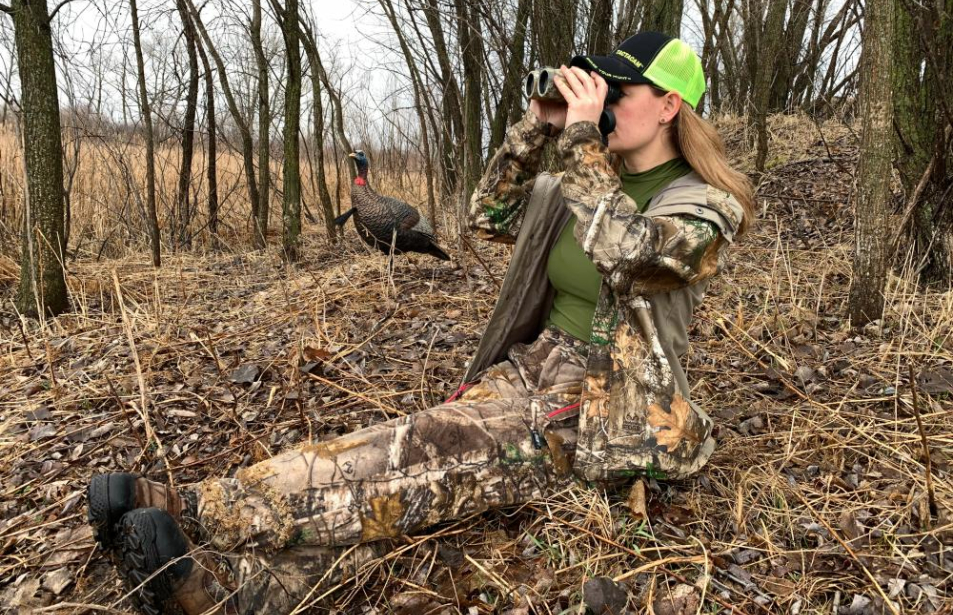
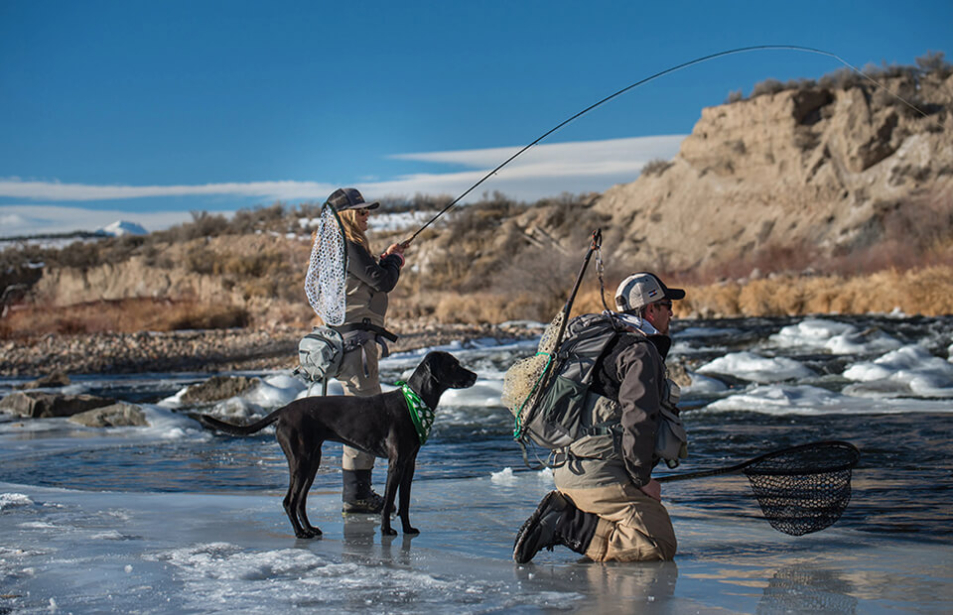
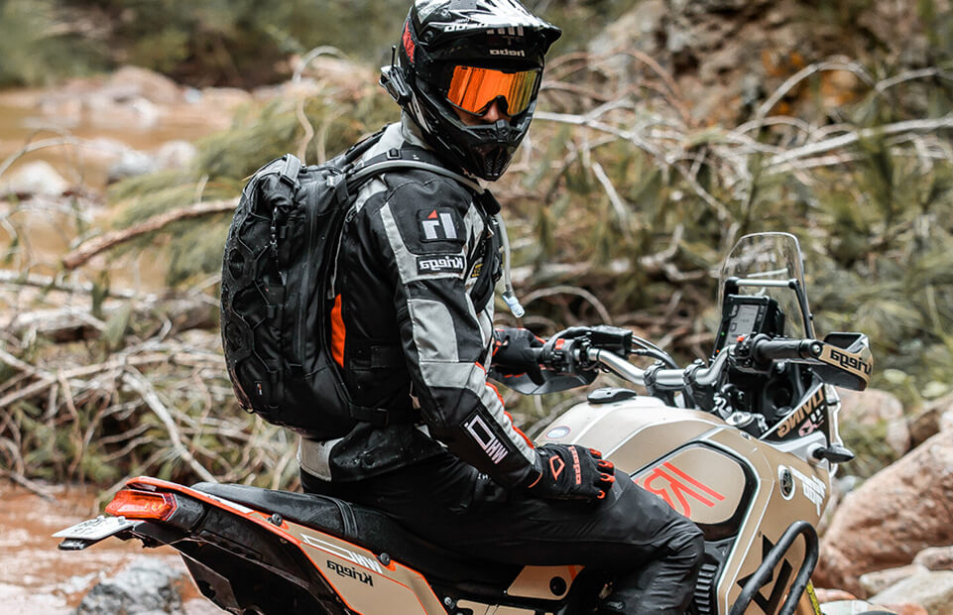
With outdoor activities growing worldwide, Outdoor Clothing has become essential technical gear rather than simple apparel. It provides critical protection, comfort, and durability across hiking, skiing, hunting, fishing, and motorcycling. Global market demand continues to rise, especially for performance materials and sustainable production. As a specialized OEM/ODM manufacturer since 2007, BOWINS Garment supplies advanced outdoor and functional apparel with waterproof, breathable, insulated, and optional heating technologies. This article explains why Outdoor Clothing is vital for safety and comfort and how innovation drives its continued evolution.
Outdoor Clothing as a Safety System, Not Just Apparel
Protecting the Body From Weather Extremes
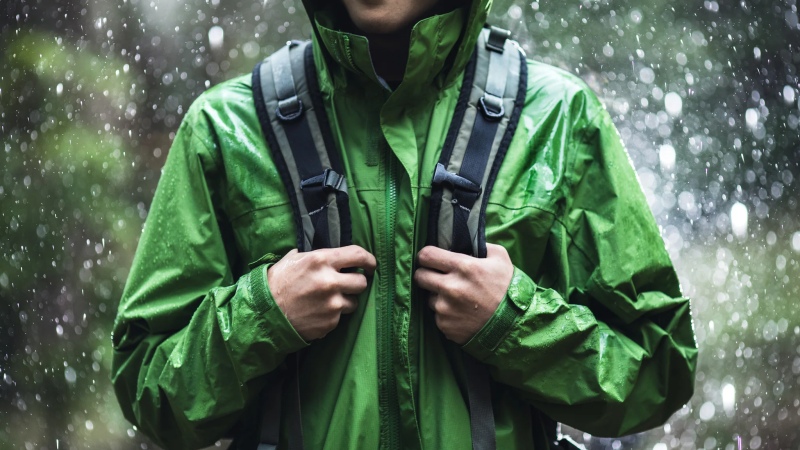
Exposure to cold, rain, snow, wind, UV radiation, and humidity can quickly escalate into dangerous conditions. Outdoor Clothing is engineered to help wearers maintain safe body temperatures, reduce moisture accumulation, and shield from environmental hazards.
Key protective functions include:
Waterproofing & seam sealing to prevent hypothermia
Breathable membranes to regulate moisture and avoid overheating
Windproof structures to minimize heat loss
Insulation (synthetic or down) to preserve body warmth
UPF-rated fabrics to block ultraviolet rays
For activities such as mountaineering, snowmobiling, hunting, and motorcycle riding, these protective capabilities are not optional—they are mission-critical.
Enhancing Safety Through Durable Construction
In rugged environments, abrasion, tearing, or equipment snagging can put both users and gear at risk. High-performance Outdoor Clothing uses:
Ripstop fabrics
Reinforced knees, elbows, and seat areas
High-tenacity nylon or polyester
Protective padding or impact-resistant panels
Durable construction ensures that professionals and recreational users alike remain protected throughout their activities.

Technology Behind Modern Outdoor Clothing
1. Waterproof, Windproof, and Breathable Systems
Contemporary Outdoor Clothing integrates multilayer performance systems such as:
PU and TPU membranes
Laminated or coated fabrics
Fully taped seams
Laser-cut ventilation
These systems allow water vapor to escape while blocking external moisture—a foundational requirement for activities in variable climates.
2. Thermal Insulation and Heating Technologies
Insulated Outdoor Clothing uses materials like:
Synthetic hollow-fiber insulation
High-loft padding
Down alternatives
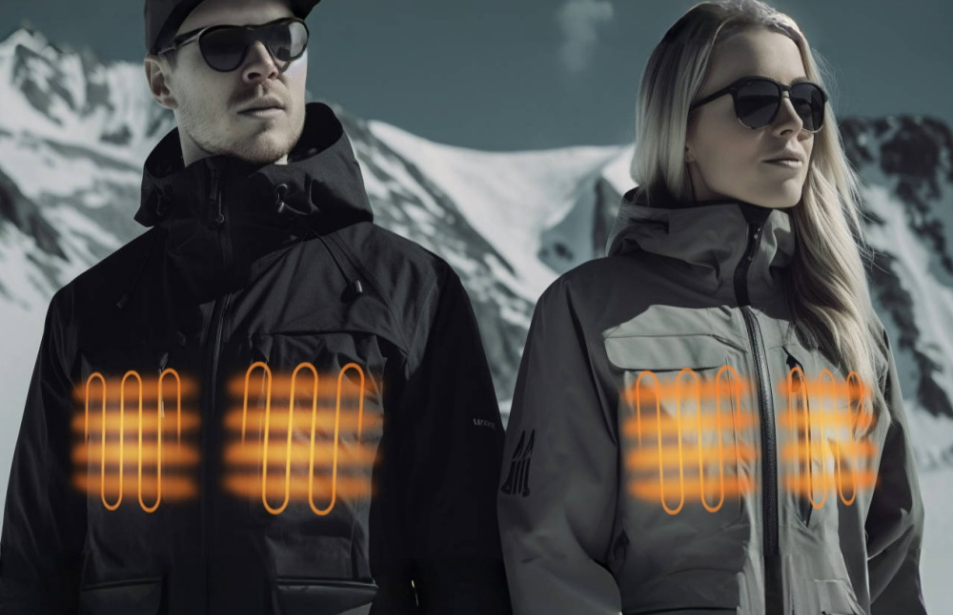
Carbon-fiber heating elements (optional heated apparel)
Heating technologies have gained traction in North America and Europe, particularly for winter workwear, snow sports, and hunting apparel.
3. Advanced Fabric Engineering
Modern Outdoor Clothing frequently includes:
4-way stretch fabrics for mobility
Moisture-wicking linings
Anti-odor and antibacterial technologies
Fire-resistant and cut-resistant textiles (specific applications)
4. Ergonomic and Functional Design
Technical design elements include:
3D patterning
Articulated sleeves and knees
Multi-pocket configurations
Helmet-compatible hoods
Seamless bonding and CNC sewing for precision
These features significantly improve mobility, comfort, and operational efficiency.
Why Outdoor Clothing Matters for Comfort
Comfort Through Microclimate Control
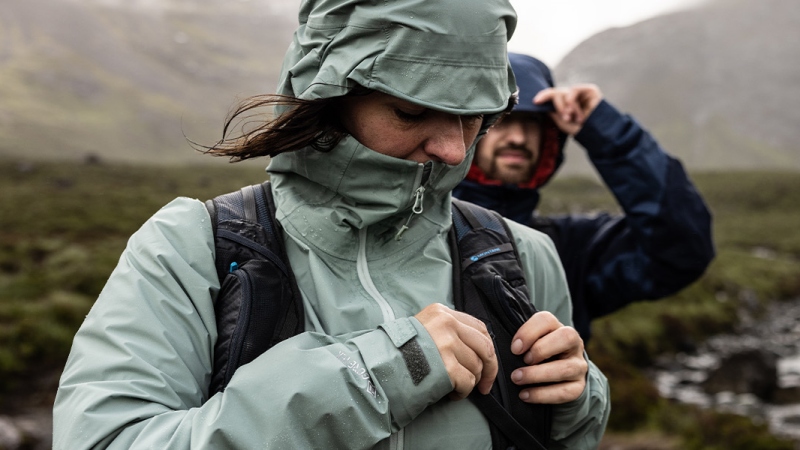
A key role of Outdoor Clothing is to maintain a stable personal microclimate. This is achieved by managing:
Heat retention
Moisture evaporation
Ventilation
Thermal insulation
Comfort directly affects endurance, focus, and performance—especially during professional or long-duration activities.
Layering Systems for All Seasons
The most effective Outdoor Clothing systems follow a three-layer structure:
Base layer – moisture control
Mid layer – thermal insulation
Shell layer – weather protection
This modular approach enables users to adapt to changing environments, improving both safety and comfort.
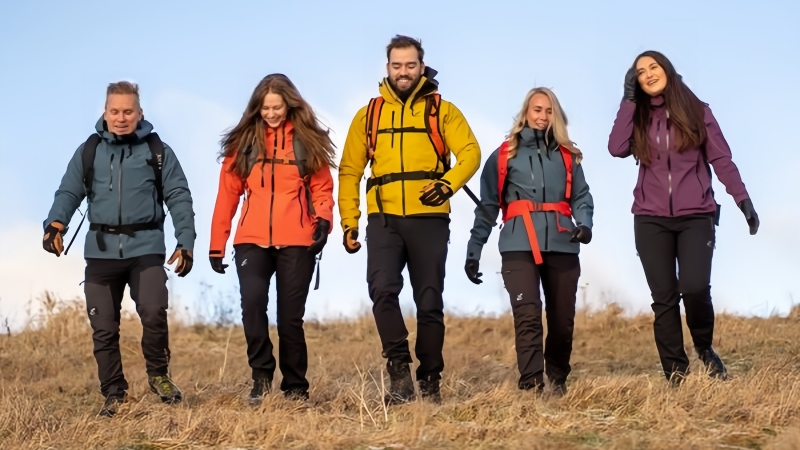
Market Trends Shaping the Future of Outdoor Clothing
1. Rising Demand for Sustainable Production
Global brands increasingly require:
Recycled polyester and nylon
PFC-free waterproof treatments
Low-impact dyeing
Transparent sourcing and traceability
Manufacturers must align with these sustainability standards to stay competitive.
2. Rapid Growth in Heated and Smart Apparel
Heated Outdoor Clothing is expanding across:
Ice fishing
Snow sports
Motorcycle apparel
Industrial work environments
Buyers are prioritizing reliable heating systems, certified battery safety, and extended runtime.
3. Performance Meets Lifestyle
Outdoor Clothing is crossing into daily wear as consumers prioritize comfort, weather protection, and technical features.
4. Customization and OEM/ODM Partnerships
Brands are increasingly turning to factories that offer:
In-house R&D
Pattern development
Material sourcing
Rapid sample turnaround
Automated production
These capabilities allow for differentiated, market-ready Outdoor Clothing collections.
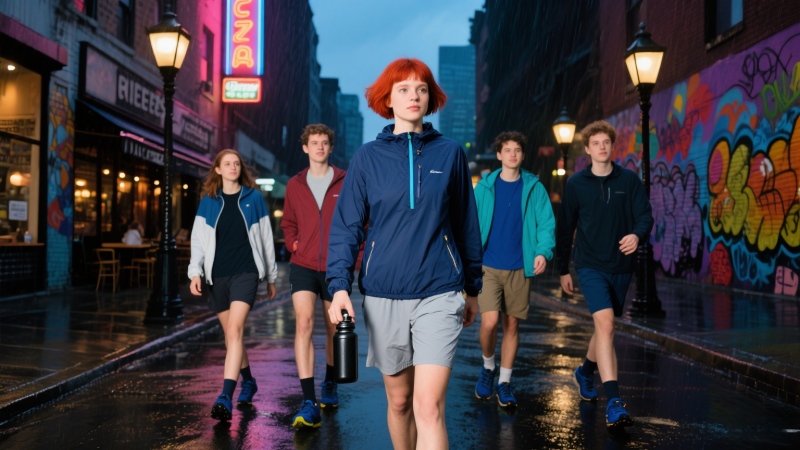
Why BOWINS Garment Is a Trusted Manufacturer of Outdoor Clothing
Integrated Global Production Network
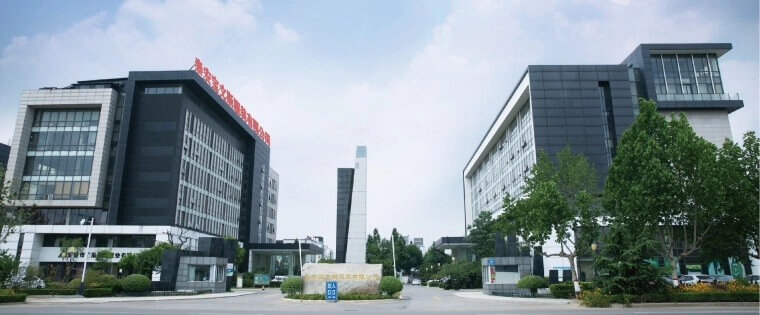
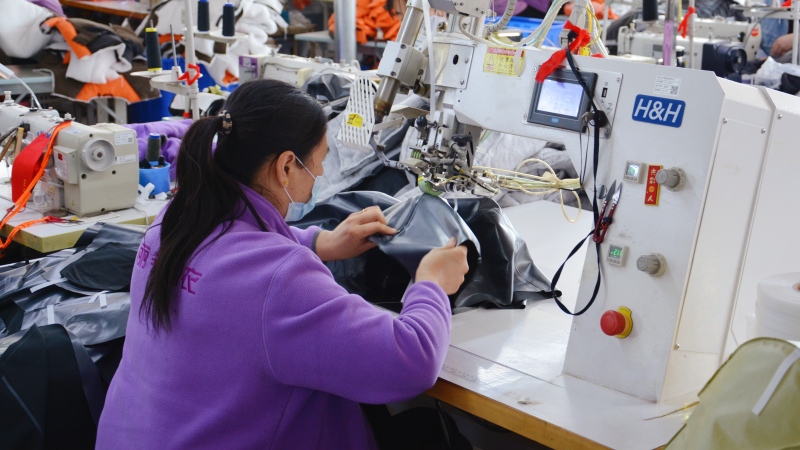
BOWINS operates an in-house network of garment factories—Legend Garment, JTL Garment, and Bowtex Apparel—across China and Cambodia. With 20,000㎡ of production area and 1,300+ skilled staff, we provide high-capacity manufacturing backed by:
Automated cutting systems
CNC sewing equipment
Complete design & pattern-making capabilities
Strict in-house quality control
This enables consistent production reliability for small custom batches and large global orders.
Strong R&D Capabilities
Our 70+ functional garment design experts collaborate with universities and research institutes to develop advanced:
Waterproof systems
Heating technologies
High-performance insulation
Technical patterns
BOWINS transforms design concepts into functional Outdoor Clothing ready for demanding markets.
FAQ: Common Questions from Outdoor Clothing Buyers
1. What makes high-quality Outdoor Clothing different from regular apparel?
Outdoor Clothing uses specialized fabrics, membranes, insulation, and ergonomic designs engineered for weather protection, durability, and extended field use.
2. Can manufacturers customize Outdoor Clothing for different regions or climates?
Yes. BOWINS Garment develops climate-specific solutions, including warm insulated apparel, moisture-resistant tropical wear, and high-performance waterproof shells.
3. What testing standards apply to Outdoor Clothing?
Depending on the model, testing may include waterproof ratings, breathability, seam sealing integrity, abrasion resistance, tear strength, and thermal insulation performance.
4. How long does OEM/ODM production typically take?
Lead times vary by season and order volume, but BOWINS typically delivers samples within 7–15 days and bulk production within 45–60 days.


