 Francés
 Español
 Русский
 German
 Português
 Swedish
 Italian
 العربية
 Japanese



What Are Some of the Best Fishing Clothing Brands for Global B2B Buyers?
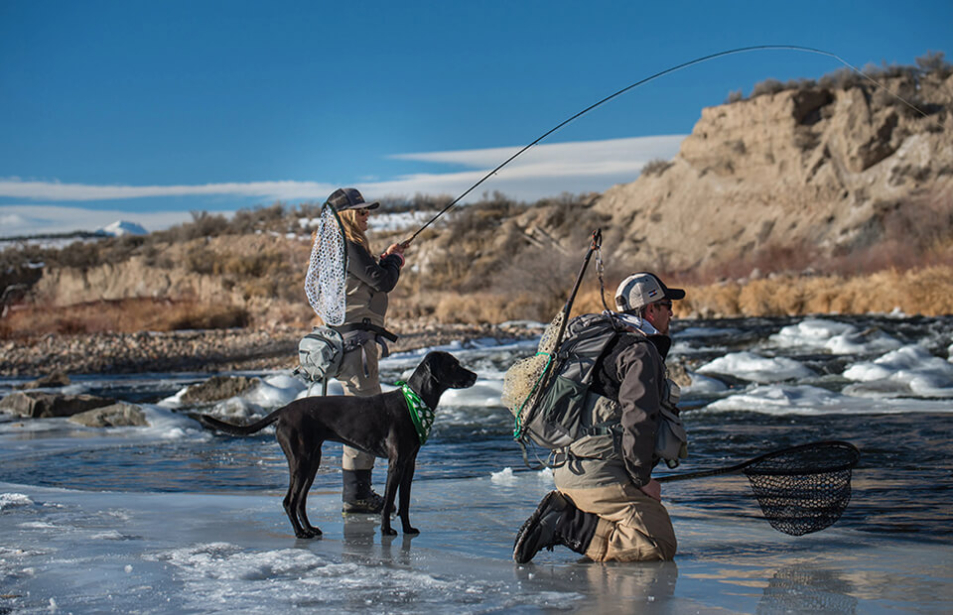
In the competitive global fishing apparel market, selecting the right brand partnership is a strategic decision that hinges on performance, innovation, and supply chain reliability. For international distributors, wholesalers, and private label buyers, "the best" brand transcends consumer popularity; it signifies a manufacturer or supplier capable of delivering consistent quality, advanced technical specifications, and products aligned with evolving market demands. The sector has evolved from basic weather protection to a high-tech segment integrating biomimetic design, smart textiles, and sustainability, driven by a growing global angling community and increased participation in sport fishing.
The market for performance fishing apparel is experiencing robust growth, with projections indicating a steady CAGR of over 5.5% through 2028. This expansion is fueled not only by North American and European demand but also by rising markets in Asia-Pacific and Latin America. Key drivers include the professionalization of sport fishing, heightened awareness of sun protection and safety, and the crossover of outdoor aesthetic trends into mainstream fashion. For B2B buyers, this translates into diversified product portfolios and the need to cater to both hardcore technical users and casual lifestyle anglers.
Analysis of Leading Technical Apparel Brands and OEM Partners
Understanding the landscape requires distinguishing between consumer-facing brands and the manufacturing powerhouses behind them. B2B procurement often involves engaging with the original equipment manufacturers (OEMs) and design houses (ODMs) that produce for these recognized labels.
1. Simms Fishing Products: The Benchmark in Technical Performance
Simms is synonymous with cutting-edge, guide-tested apparel, primarily manufactured in its own facilities in Bozeman, Montana, and through specialized partners. For buyers, Simms represents the high-end technical segment.
Core Technologies: GORE-TEX® laminates, proprietary DryCreek® Z waterproof breathable fabrics, and SolarFlex® sun protection.
Product Structure: The lineup is segmented into Waders (stockingfoot and bootfoot), Jackets, Fishing Shirts, and Technical Base Layers. Each category features tiered performance levels (e.g., GORE-TEX Pro vs. Paclite®).
B2B Insight: Partnering with a Simms OEM requires a focus on premium materials and construction tolerances. Their manufacturing emphasizes welded seams, reinforced high-wear areas, and rigorous quality control, setting a standard for durability that buyers must uphold in their sourcing specifications.
2. Columbia Sportswear PFG (Performance Fishing Gear): Mainstream Volume and Innovation
Columbia’s PFG line demonstrates how to scale technical features for the mass market. Its global manufacturing network offers insights into high-volume, cost-effective production without sacrificing key performance.
Core Technologies: Omni-Shade® UPF sun protection, Omni-Wick™ evaporation, and Omni-Tech™ waterproof breathable technology.
Product & Manufacturing: The strength lies in versatile fishing shirts, shorts, and broad-brimmed hats. Columbia’s vertical sourcing and large-scale fabric procurement allow for competitive pricing—a key consideration for volume buyers. Their process highlights how to integrate UPF 50+ directly into polyester microfiber fabrics during the polymerization stage.
3. Patagonia (Sportfishing Line): The Sustainability and Ethical Sourcing Model
Patagonia appeals to the environmentally conscious segment. Their supply chain transparency and commitment to Fair Trade Certified™ sewing are unique selling propositions for B2B buyers targeting premium ecological markets.
Core Technologies: H2No® Performance Standard shell technology, recycled polyester and nylon fabrics, and fluorocarbon-free DWR treatments.
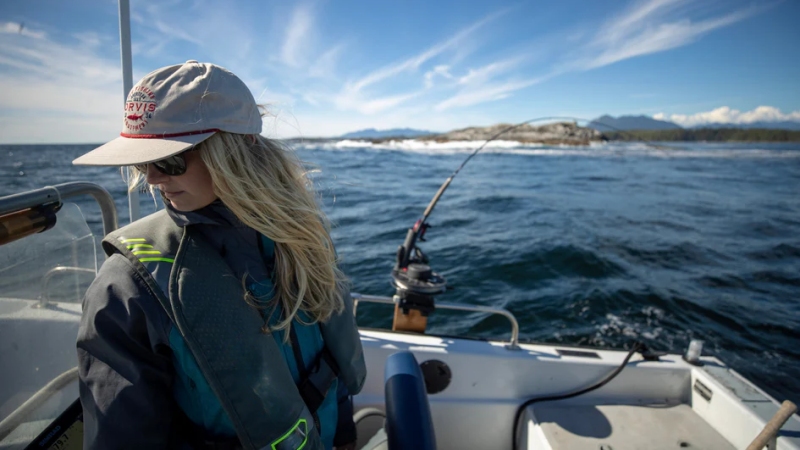
Application & Trend Alignment: Their products, like the insulated SST Jackets, are designed for cold-water environments. The manufacturing process prioritizes recycled content (e.g., NetPlus® fabric made from discarded fishing nets) and ethical labor practices, catering to a procurement preference for products with a verifiable green credential.
Critical Technical Parameters and Manufacturing Considerations
When evaluating suppliers, international buyers must specify beyond basic size and color. Key technical parameters define product quality and market suitability:
Waterproof/Breathability Ratings: Measured in mm (hydrostatic head) and g/m²/24hrs (MVTR). Premium fishing rainwear should exceed 20,000mm and 15,000g.
UPF Rating: Sun-protective clothing must be UPF 40+ or 50+, a feature integrated at the fiber or fabric finishing stage.
DWR (Durable Water Repellency) Treatment: Specifications should detail whether it’s a standard PTFE-based or newer eco-friendly C0 (fluorocarbon-free) finish, along with expected wash durability.
Seam Construction: Fully taped seams are mandatory for waterproof garments. Buyers should audit factory seam-taping equipment and procedures.
Reinforcement and Ergonomics: Material weight (denier) in high-abrasion zones (knees, shoulders) and design features like articulated knees, gusseted sleeves, and rang of motion patterning are critical for professional use.
International Buyer Preferences and Common Sourcing Pain Points
Procurement preferences vary by region but share common threads. European buyers increasingly demand certified sustainable materials (e.g., Bluesign® approved fabrics) and REACH-compliant chemicals. North American buyers prioritize brand recognition, innovative features, and robust warranty support. Asian and Australian markets often seek lightweight, high-UPF apparel suited to tropical climates.
Frequent B2B Pain Points Include:
Inconsistent Quality Across Production Runs: Variations in fabric dye lots, seam tape adhesion, or DWR application can lead to high return rates.
Limited OEM Flexibility for Private Label: Many top-tier manufacturers have high minimum order quantities (MOQs) and offer limited customization for emerging brands.
Complex Logistics and Lead Times: Managing shipping for bulky items like insulated bibs or waders requires expertise in freight optimization and inventory forecasting.
Navigating Compliance and Certification: Ensuring products meet international safety, chemical, and labeling standards (e.g., OEKO-TEX®, FDA regulations for UV wear) is a complex but non-negotiable process.

Frequently Asked Questions (FAQ) for B2B Buyers
Q1: What are the typical MOQs for custom private label fishing apparel orders from a reputable Asian OEM?
A: MOQs vary significantly by product complexity. For technical fishing shirts, MOQs can start at 500-1,000 pieces per style/color. For complex waterproof garments with sealed seams, MOQs often begin at 300-500 pieces due to higher setup costs for pattern grading and tape-seam machinery calibration.*
Q2: How do we ensure the UPF 50+ rating is durable and not just a surface coating that washes out?
A: Specify that the UV protection must be "inherent" or "solution-dyed." This means the ultraviolet inhibitors are embedded within the polymer before the fiber is extruded, guaranteeing a permanent rating that will not degrade with washing or sun exposure, unlike topical coatings.
Q3: Can a manufacturer provide both technical fishing apparel and complementary items like hats, gloves, and bags?
A: Many integrated manufacturers offer this "full-package" capability, which streamlines logistics. It is crucial to verify that their specialty in, for example, waterproof fabric lamination extends to these accessories with the same quality controls, or if they are subcontracted.
Q4: What is the lead time from order confirmation to shipment for a container load of mixed fishing clothing?
A: For a new order, standard lead times range from 60 to 90 days, covering fabric sourcing, production, and quality inspection. For repeat orders with pre-approved materials, this can be reduced to 45-60 days. Always factor in additional time for shipping and customs clearance.
Ready to Source High-Performance Fishing Apparel?
Navigating the intricacies of technical fabric sourcing, compliance, and reliable manufacturing requires a partner with proven expertise. If you are a distributor, retailer, or brand looking to develop or source a competitive line of fishing clothing, we are here to bridge the gap.
Contact our B2B sourcing specialists today to request detailed product catalogs, factory audit reports, comprehensive technical data sheets, and arrange for sample evaluation. Let’s discuss your specific market needs and develop a sourcing strategy that ensures quality, performance, and on-time delivery. Submit your inquiry now for a competitive quotation tailored to your business.