
 Francés
 Español
 Русский
 German
 Português
 Swedish
 Italian
 العربية
 Japanese


What is Professional Motorcycle Apparel? A Technical Definition
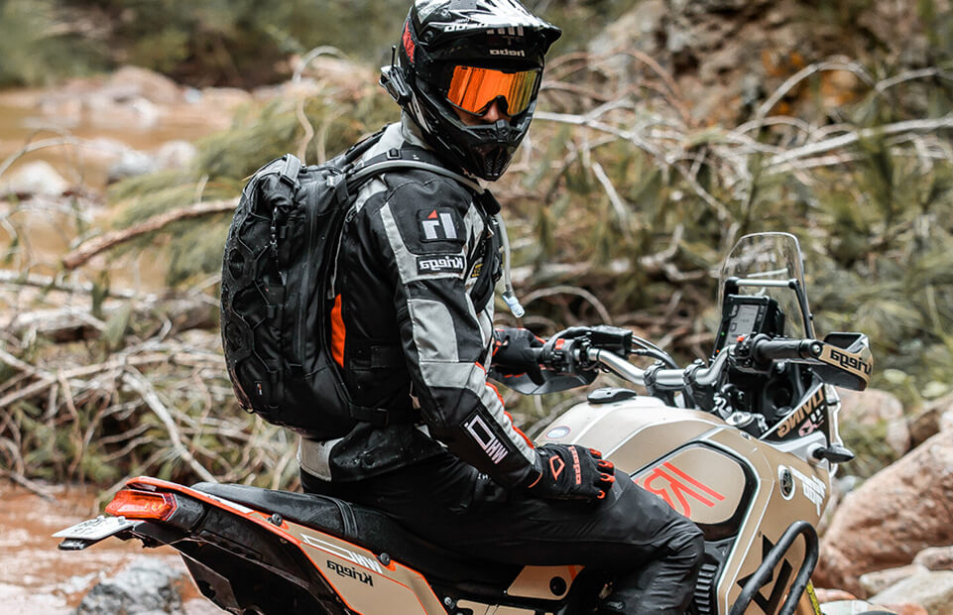
Professional motorcycle apparel is engineered personal protective equipment (PPE) designed to shield riders from abrasion, impact, weather, and environmental hazards during routine riding and in the event of an accident. It transcends conventional clothing, constituting a systematic product integrating high-performance textiles, ergonomic design, impact protectors, and specific safety standards.
Core Technical Parameters and Specifications
For B2B procurement, the following quantifiable technical parameters are critical for assessing quality and compliance:
Safety Certification Level (CE EN 17092):
Class AAA: Maximum protection for professional racing and high-speed touring. Highest demands on abrasion resistance, tear strength, and impact protection.
Class AA: General high protection for daily road and touring use. Balances protection and comfort.
Class A: Basic protection for urban/commuter riding at lower speeds.
Class B: For off-road motorcycle trousers only (must be combined with a Class AA or AAA jacket).
Impact Protector Certification (CE EN 1621-1):
Level 1: Medium-energy impact absorption (typical for shoulders, elbows, hips).
Level 2: High-energy impact absorption (typical for knees, back, chest). Focus on protector coverage area and removable design.
Abrasion Resistance Parameters:
EN 13595-1 Abrasion Test: Measured in seconds to breakthrough on standard abrasive paper. Class AAA often requires ≥ 4 seconds (for protectors) and stringent fabric testing.
Tear Strength: Measured in Newtons (N), indicating resistance to tear propagation.
Climate Protection Parameters:Waterproofness:
Hydrostatic head test (e.g., ≥ 10,000mm).
Breathability: Moisture Vapor Transmission Rate (MVTR) or Ret value (e.g., RET < 15).
Thermal Insulation: Clo value measurement for warmth.
Anatomy and Material Composition of Motorcycle Apparel
A certified motorcycle garment is a multi-layer composite system:
Outer Shell (Abrasion Layer):
Materials: High-tenacity nylon (e.g., Cordura®), Aramid (e.g., Kevlar®), polyester, or blended fabrics. Leather (cowhide, goat) remains the premium choice for racing suits.
Function: First line of defense; provides abrasion/tear resistance, windproofing, and primary water repellency.
Waterproof-Breathable Membrane (Barrier Layer):
Materials: ePTFE membrane (e.g., GORE-TEX®), PU laminate, or coated fabric.
Function: Prevents liquid water ingress while allowing sweat vapor to escape (moisture management).
Comfort Liner / Thermal Layer (Inner Layer):
Materials: Moisture-wicking mesh, fleece, or removable synthetic insulation (e.g., Primaloft®).
Function: Enhances comfort, manages moisture, and provides variable thermal regulation.
Protection System (Armor):
Locations: Shoulders, elbows, knees, hips, back, chest.
Materials: High-density foam (EVA), memory foam, or composite plastic/carbon-fiber shells.
Installation: Fixed within dedicated pockets to prevent displacement during an accident.
Ergonomic & Functional Design System:
Pre-curved patterning: Accommodates the riding posture.
Ventilation: Zippered vents or channeling for active airflow management.
Connection System: Zippers to connect jacket to trousers, preventing ride-up.
Manufacturing Process: From Design to Finished Product
The engineering process ensures consistency and quality:
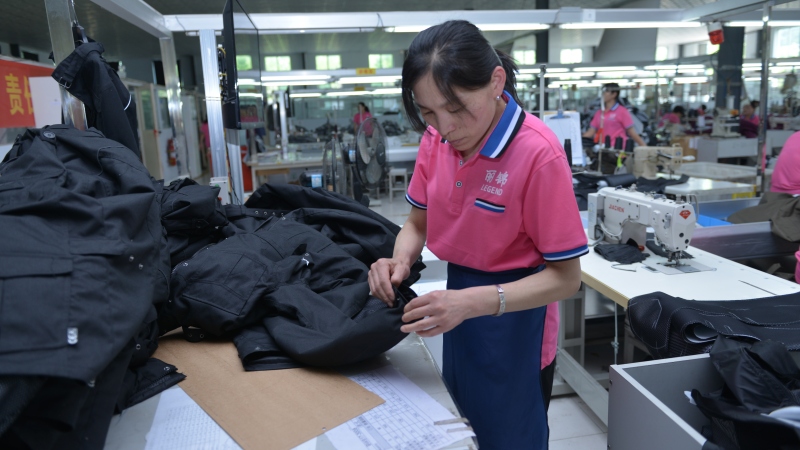
Design & Pattern Making: CAD software is used to create technical drawings and graded patterns based on anthropometric data and ergonomic studies.
Material Sourcing & Inspection: Certified fabrics, membranes, liners, and protectors are sourced. Incoming materials undergo quality control (QC) for strength, color fastness, and waterproofness.
Computerized Cutting: Automated cutting machines (e.g., CNC cutters) precisely cut multiple fabric plies simultaneously to minimize waste and ensure accuracy.
Assembly & Stitching:
Equipment: Industrial sewing machines (single-needle, overlock, safety-stitch).
Key Process: Critical seams (e.g., shoulders, outer legs) are double- or triple-stitched with high-tenacity thread (e.g., bonded nylon). Taped or sealed seams are implemented for waterproof garments.Armor Pocket Integration & Component Attachment: Protective foam or hard armor is secured in designated pockets. Zippers (YKK standard), vents, and reflectors are installed.
Lamination / Bonding (for waterproof items): The membrane is thermally laminated to the outer shell or liner using heat and pressure calendars.
Quality Control & Final Inspection: Each garment is inspected for stitching integrity, zipper function, armor placement, and overall workmanship. Random samples may be taken for destructive testing.
Certification & Labeling: Upon passing internal QC and, if applicable, third-party laboratory testing, the garment is labeled with the relevant CE certification marks and care instructions.
Industry Comparison: Primary Material Technologies
Material Type | Key Advantages | Key Limitations | Ideal Application | Relative Cost (B2B) |
Textile (Nylon/Aramid Blend) | Excellent abrasion/tear strength, versatile (4-season), often lighter, easier care. Modern versions rival leather. | May degrade faster with UV exposure if not treated. Seam integrity is critical. | All-round touring, adventure riding, daily commute. | Medium to High |
Leather (Full-Grain Cowhide) | Unmatched abrasion resistance when new, classic aesthetics, molds to rider. | Heavy, hot/cold in extreme weather, requires maintenance, less versatile in wet conditions. | Race tracks, sport riding, cruiser style. | High |
Mesh Textile (with Armor) | Maximum ventilation, lightweight. | Minimal abrasion resistance without additional panels (e.g., Kevlar® inserts), not weatherproof. | Hot climate urban riding. | Low to Medium |
B2B Application Scenarios
Dealers / Distributors: Stocking a balanced portfolio (Adventure, Touring, Urban, Sport) based on regional riding culture and climate to meet retail demand.
EPC / Fleet Operators: Sourcing standardized, high-visibility, and durable apparel for delivery, patrol, or rental fleets where duty of care and corporate identity are paramount.
Adventure Tour Companies: Procuring rugged, all-weather apparel systems for rental clients, focusing on durability, ease of maintenance, and protection.
Corporate & Government Procurement: For police, military, and emergency services requiring customized, high-specification garments with integrated comms or armor compatibility.
Core Pain Points & Engineering-Led Solutions
Pain Point | Engineering Solution |
1. Compromise between Protection & Comfort | Use of zoned construction: heavier, more robust materials in primary impact areas (shoulders, elbows, knees) and lighter, more flexible materials in panels for mobility. |
2. Heat & Moisture Buildup | Integration of strategic ventilation channels and variable permeability membranes that increase breathability with body heat/sweat. Removable thermal liners. |
3. Poor Fit Leading to Armor Displacement | Implementation of anthropometric-based sizing (not just S/M/L) and multi-adjustment systems (straps, cinches) at waist, arms, and calves to lock armor in place. |
4. Limited Durability of Seams & Zippers | Specification of high-tensile bonded thread, bar-tacked stress points, and corrosion-resistant, large-tooth zippers (e.g., YKK® #10) with storm flaps. |
Risk Warnings & Mitigation Advice
Risk: Non-Compliant or Counterfeit CE Markings.
Mitigation: Request and verify the official EC Declaration of Conformity from the supplier. Check the notified body number (if applicable for PPE). Be wary of pricing that seems too good to be true.
Risk: Material Degradation Over Time.
Mitigation: Educate end-users on proper care (avoid harsh detergents, no machine drying for membranes). For dealers, implement stock rotation (FIFO) to prevent old, degraded stock from being sold.
Risk: Inadequate Sizing Leading to Liability.
Mitigation: Provide detailed, measurement-based sizing charts, not just letter sizes. Encourage buyers to stock a range of sizes and fits (e.g., regular, tall, athletic).
Risk: Failure of Waterproof Sealing.
Mitigation: For technical adventure gear, ensure seam taping is fully encapsulated (not just stitched). Specify durable water repellent (DWR) replenishment instructions.
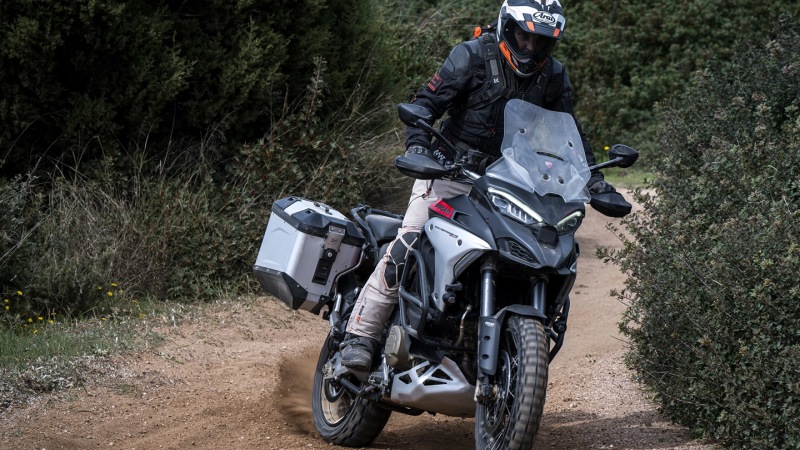
Procurement Selection Guide (6+ Steps)
Define the Target Rider & Use Case: Clearly segment between Urban Commuter, Touring, Adventure, or Sport/Racing. This dictates the required CE class and feature set.
Prioritize Certification over Anecdote: Mandate CE EN 17092 certification as the non-negotiable baseline. Do not rely on “marketing claims” of protection.
Audit the Material Specification Sheet: Request technical datasheets for the outer shell fabric (denier, tear strength), membrane type, and protector certifications (EN 1621-1).
Evaluate Construction Quality: Request a sample. Inspect stitch density (stitches per inch), bar-tacking at high-stress points, zipper quality, and seam sealing finish.
Assess Supply Chain & Compliance: Verify the manufacturer’s ability to provide consistent sizing, color matching, and documentation (DoC). Inquire about their factory audit status (e.g., social compliance, quality management systems like ISO 9001).
Analyze Total Cost of Ownership (TCO): Factor in durability (warranty period), after-sales support (spare parts availability for zippers/liners), and return/warranty rates, not just unit price.
Request Field or Lab Testing: For large-volume procurement, invest in independent laboratory testing or a structured pilot program with end-users to gather real-world performance data.
Engineering Case Study: Fleet Solution for a European Motorcycle Courier Network
Challenge: A logistics company needed 500 sets of apparel for couriers, offering all-day comfort, high visibility, and all-weather capability across diverse European cities, with a 3-year durability target.
Technical Solution: A co-development project with a manufacturer resulted in:
A CE AA-rated jacket and trouser set in fluorescent yellow with retro-reflective piping.
Outer shell: 500D Cordura® with tear-resistant ripstop panels in high-abrasion zones.
3-layer GORE-TEX C-KNIT™ membrane for durable waterproofness and high breathability.
Level 2 back protector and Level 1 limb armor as standard.
Reinforced seat and knee areas with additional abrasion-resistant material.
Custom branding via high-frequency welding (more durable than stitching).
Outcome: After 18 months of deployment, the failure rate from abrasion or seam issues was <2%. Rider feedback highlighted the comfort and dryness, leading to a 30% reduction in weather-related downtime claims. The project validated the ROI of a higher initial investment in engineered apparel.
Frequently Asked Questions (FAQ)
Q1: Is CE certification mandatory for selling motorcycle apparel in the EU/UK?
A: Yes, it is a legal requirement. Garments marketed as “protective clothing for motorcycle riders” fall under the PPE Regulation (EU) 2016/425 and must carry the CE mark according to EN 17092.
Q2: What is the actual difference between Class A and Class AA?
A: The primary difference lies in the abrasion resistance and burst strength of the materials used. Class AA garments use significantly tougher fabrics and constructions, tested to withstand higher-energy impacts and longer slide times.
Q3: Can we replace the armor with aftermarket protectors?
A: Only if the garment manufacturer explicitly states compatibility and the replacement protectors are CE-certified to the same standard (EN 1621-1). Using uncertified protectors voids the garment’s CE certification.
Q4: How should waterproof motorcycle apparel be cleaned to maintain performance?
A: Use a technical detergent (non-detergent soap), rinse thoroughly, and tumble dry on low heat to reactivate the DWR coating. Never use fabric softeners, bleach, or iron.
Q5: What is the typical lead time for a customized OEM/ODM order of 1000 units?
A: For a new design, expect 90-120 days including sample development, approval, and production. For repeat orders of existing designs, 45-60 days is typical. Always confirm with the supplier.
Q6: Are there specific standards for summer or ventilated gear?
A: Yes. Even mesh jackets must achieve at least Class A certification. They often incorporate reinforced panels (e.g., Aramid) in impact zones to pass the abrasion tests.
Q8: How is sizing handled for different global markets?
A: Professional manufacturers use region-specific size charts (EU, US, UK, ASIA). Provide your target market, and they will recommend the appropriate grading. Request fit samples for key sizes.
Q9: What is the realistic lifespan of a motorcycle garment?
A: With proper care, a high-quality garment can last 5+ years. However, it should be inspected annually for signs of material degradation, seam weakening, or hardened armor, especially if used frequently or involved in a crash.
Q10: Can you add more reflective elements to a garment for higher visibility?
A: Yes, but the additions must not compromise the garment’s integrity or safety certification. Reflective tape should be permanently bonded or stitched without puncturing waterproof layers. Discuss modifications during the design phase.


