 Francés
 Español
 Русский
 German
 Português
 Swedish
 Italian
 العربية
 Japanese
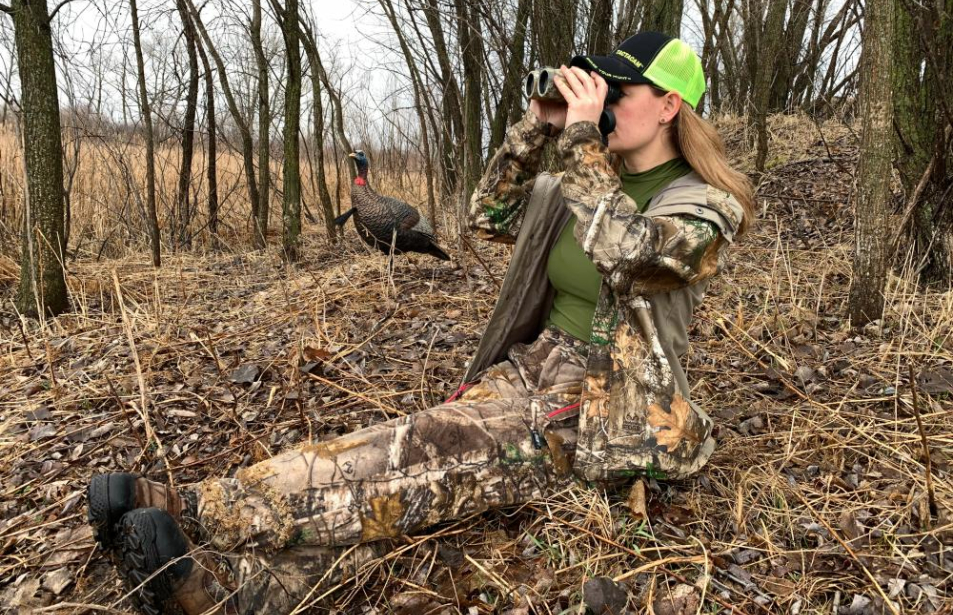


Heated Hunting Clothing: How Does It Work and Why Is It Gaining Global Demand?
As hunting environments become more extreme and seasons extend into colder regions, heated hunting clothing has rapidly evolved from a niche product into a strategic category for outdoor apparel brands. Buyers today are no longer asking if heating technology is necessary, but how it performs, integrates, and delivers long-term value.
For international B2B buyers, understanding the technology, market trends, and manufacturing capabilities behind heated hunting clothing is critical when selecting reliable OEM/ODM partners.
Industry Background: Why Heated Hunting Clothing Matters
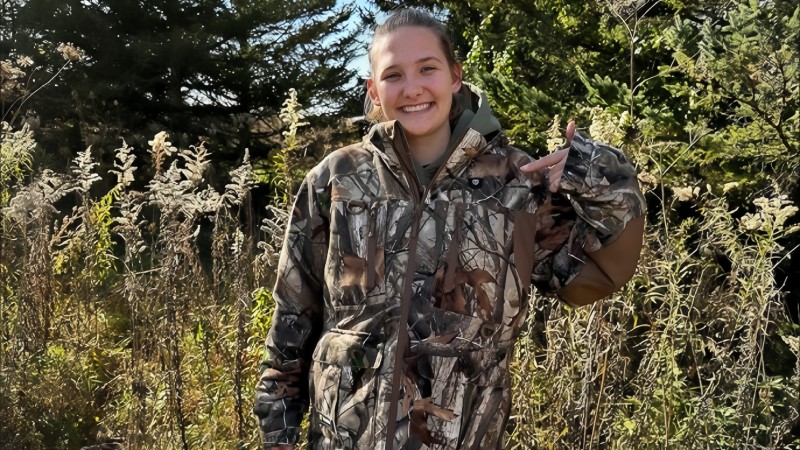
Hunting apparel has always prioritized insulation, durability, and camouflage. However, traditional passive insulation has clear limitations in prolonged cold exposure, particularly for stationary hunters.
Heated hunting clothing addresses these challenges by actively generating warmth through integrated electric heating systems. This advancement allows hunters to maintain body temperature without excessive bulk, improving mobility, endurance, and safety.
Key drivers behind the category’s growth include:
Expansion of cold-climate hunting markets
Longer hunting durations in static positions
Demand for lightweight, high-performance apparel
Increased acceptance of wearable heating technology
Global Market Trends and Demand Outlook
According to industry research, the global heated apparel market is experiencing steady growth, with outdoor and hunting segments showing particularly strong momentum. North America and Europe remain primary markets, while demand is rising in Northern Asia and Oceania.
Key trends shaping heated hunting clothing demand:
Integration over add-ons: Buyers prefer garments with built-in heating rather than removable accessories
Battery efficiency: Longer heating duration with lighter power sources
Weatherproof performance: Heating systems compatible with waterproof and windproof constructions
Brand differentiation: Heated hunting clothing as a premium product line
For B2B buyers, this means sourcing partners capable of combining functional textiles, electronics integration, and scalable manufacturing.
How Heated Hunting Clothing Works
Core Heating Technology
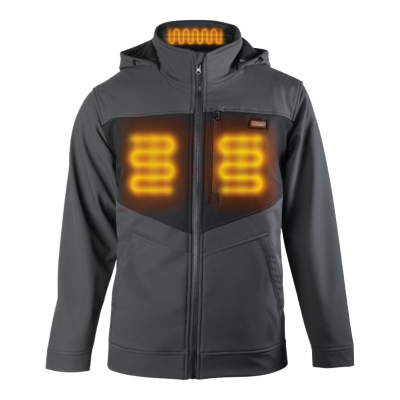
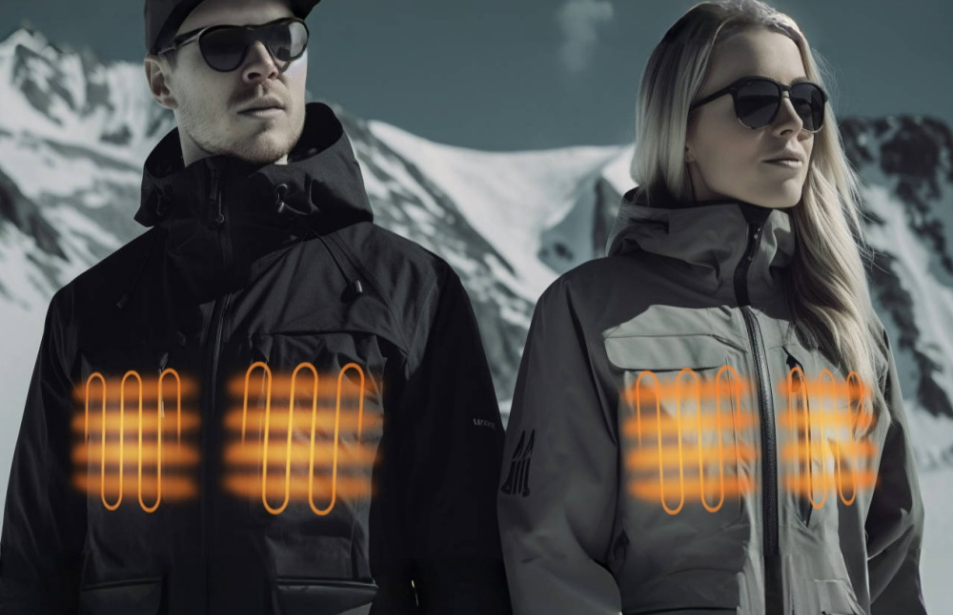
Heated hunting clothing uses carbon fiber or composite heating elements placed strategically in key body zones such as the chest, back, and core. These elements convert electrical energy into consistent heat.
Power and Control Systems
Most heated hunting garments are powered by rechargeable lithium batteries, connected through concealed wiring channels. Multi-level temperature control allows users to adjust heat output based on activity level and environmental conditions.
Safety and Reliability Considerations
Modern heated hunting clothing is designed with:
Overheat protection
Stable voltage regulation
Moisture-resistant wiring
Washable or detachable power systems
These features are essential for maintaining safety in demanding outdoor conditions.
Technical Fabric Integration in Heated Hunting Clothing
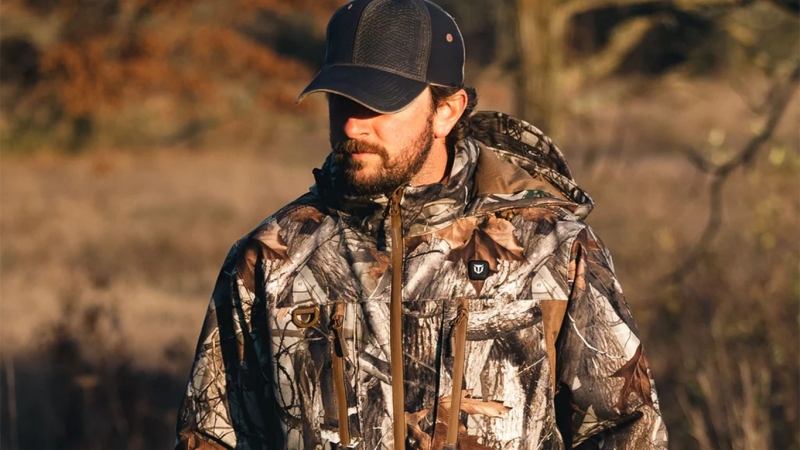
Heating systems alone are not enough. Performance depends heavily on the surrounding textile structure.
Outer Shell Performance
Waterproof and windproof membranes
Abrasion-resistant face fabrics
Quiet materials suitable for hunting environments
Insulation and Heat Retention
Lightweight synthetic insulation
Optimized thermal mapping to retain generated heat
Comfort and Fit
Ergonomic pattern design
Reduced bulk compared to traditional insulation
Bowins integrates heating technology directly into technical garment structures, ensuring warmth distribution without compromising mobility or durability.
Manufacturing Process Overview
Producing high-quality heated hunting clothing requires close coordination between apparel engineering and electronics integration.
At Bowins, the process typically includes:
Design and thermal zoning analysis
Pattern development and heating element placement
Electrical system integration and testing
Garment assembly using automated cutting and CNC sewing
Functional testing, including heating performance and durability checks
This integrated approach helps ensure consistent quality across bulk production while meeting brand-specific requirements.
Advantages of OEM/ODM Heated Hunting Clothing
For brands and distributors, partnering with an experienced manufacturer offers clear benefits:
Faster product development cycles
Customizable heating configurations
Flexible fabric and design options
Stable quality control for large-scale orders
Bowins supports OEM and ODM projects by aligning technical performance with brand positioning and target market needs.
FAQ
Q1: Is heated hunting clothing safe to use in wet conditions?
Yes. High-quality heated hunting clothing uses insulated wiring and moisture-resistant components designed to operate safely under controlled wet conditions when used correctly.
Q2: How long does the heating function typically last?
Battery duration depends on capacity and heat level. Most systems provide 4–10 hours of continuous heating under normal use.
Q3: Can heated hunting clothing be washed?
Most designs allow garment washing after removing the battery and controller. Proper care instructions are essential to maintain performance.
Q4: Can heating zones and temperatures be customized?
Yes. OEM/ODM manufacturers like Bowins can customize heating placement, power levels, and control methods based on brand requirements.
Choosing the Right Manufacturing Partner
As heated hunting clothing continues to gain market traction, selecting a technically capable and reliable manufacturer becomes a strategic decision.
With an integrated production network, in-house development structure, and experience serving international performance apparel brands, Bowins supports buyers seeking dependable solutions in the heated hunting clothing segment.
Conclusion
Heated hunting clothing represents a convergence of textile innovation and wearable technology. For global B2B buyers, success in this category depends on understanding market expectations, technical requirements, and manufacturing capabilities.
By combining functional fabrics, efficient heating systems, and scalable production, Bowins continues to support brands developing next-generation heated hunting apparel for demanding outdoor environments.