
 Francés
 Español
 Русский
 German
 Português
 Swedish
 Italian
 العربية
 Japanese
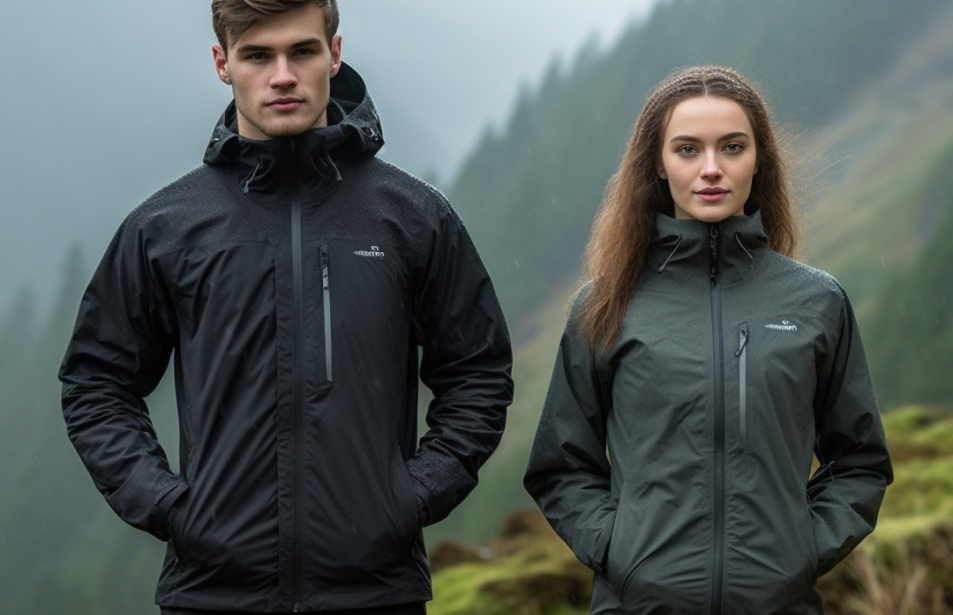



What should you consider when choosing skiing clothing?
Choosing the right skiing clothing is a critical decision for brands, importers, and distributors involved in winter sports apparel. Skiing clothing is not simply about warmth; it integrates protection, mobility, breathability, and durability to perform under demanding alpine conditions. For B2B buyers, understanding how skiing clothing is designed, manufactured, and evaluated is essential to selecting the right products or OEM partners.
This guide explains the key factors in choosing skiing clothing, combining technical insights, market trends, and manufacturing considerations relevant to today’s global ski wear industry.
Understanding the Role of Skiing Clothing
Skiing clothing functions as a protective system rather than a single garment. It must manage body heat, block wind and moisture, and allow freedom of movement during high-intensity activity.
Unlike general winter apparel, skiing clothing is engineered to withstand rapid weather changes, friction from equipment, and extended exposure to snow. As skiing becomes more popular across Europe, North America, and emerging winter sports markets, expectations for performance and comfort continue to rise.
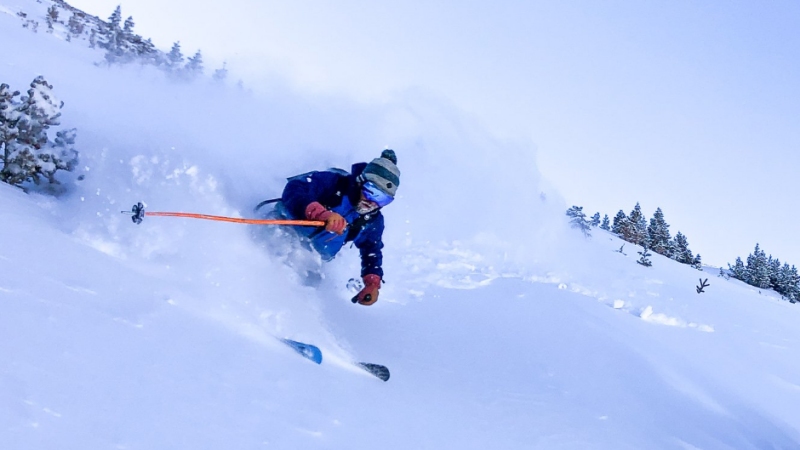
Key Factors When Choosing Skiing Clothing
Protection Against Weather Conditions
Weather protection is the foundation of quality skiing clothing. Outer layers are typically designed with waterproof and windproof membranes to prevent snow and cold air penetration. For professional or long-duration skiing, consistent protection helps maintain body temperature and reduces fatigue.
From a B2B perspective, buyers often evaluate waterproof ratings, seam construction, and surface treatments to ensure products meet market expectations.
Breathability and Moisture Management
High-performance skiing clothing must balance insulation with breathability. During skiing, body heat and perspiration increase rapidly. Without effective moisture management, internal condensation can reduce comfort and thermal efficiency.
Modern ski wear often incorporates breathable membranes and ventilation systems, allowing excess heat and moisture to escape while maintaining external protection.
Insulation and Layering Compatibility
Insulation plays a central role in skiing clothing, but its effectiveness depends on correct layering. Many buyers now prefer systems that work with base layers and mid-layers, rather than overly bulky insulation.
This approach allows flexibility across different climates and skill levels, making skiing clothing suitable for a broader market range.
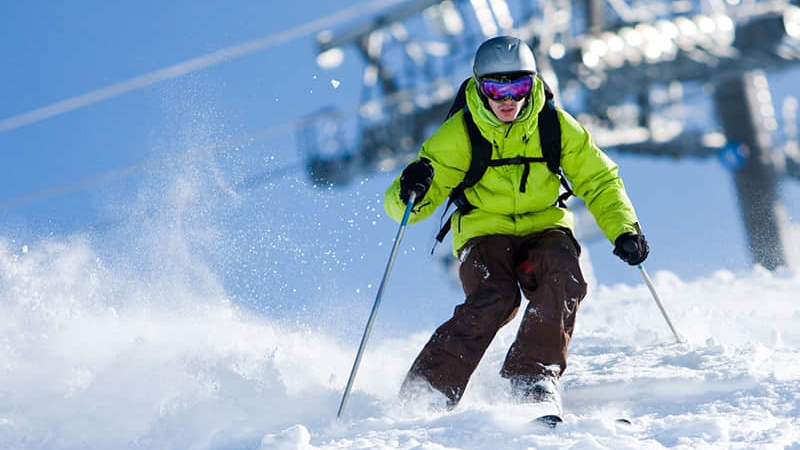
Fit, Mobility, and Ergonomic Design
Freedom of Movement
Skiing requires dynamic motion, including bending, turning, and sudden directional changes. Well-designed skiing clothing accommodates these movements through ergonomic pattern design, articulated joints, and stretch materials.
For OEM manufacturing, pattern development and sampling are critical stages to ensure consistent fit across sizes.
Comfort Over Long Use
Extended wear demands attention to seam placement, lining materials, and weight distribution. Professional skiing clothing minimizes pressure points and avoids unnecessary bulk, contributing to all-day comfort on the slopes.
Materials and Technologies in Skiing Clothing
Fabric Selection
Common materials used in skiing clothing include high-density synthetic fibers, laminated membranes, and reinforced panels in high-wear areas. Fabric choice directly affects durability, appearance, and price positioning.
Waterproof and Heating Technologies
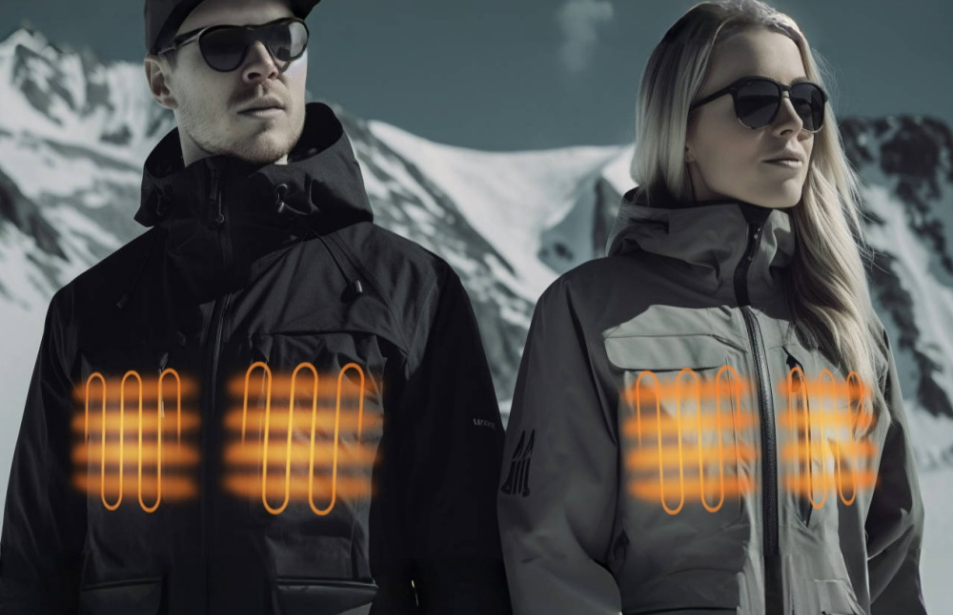
Advanced skiing clothing may integrate waterproof coatings or optional heating elements, responding to demand in colder regions and premium market segments. These technologies must be carefully tested during manufacturing to ensure safety and long-term reliability.
Manufacturing Considerations for B2B Buyers
Production Process Overview
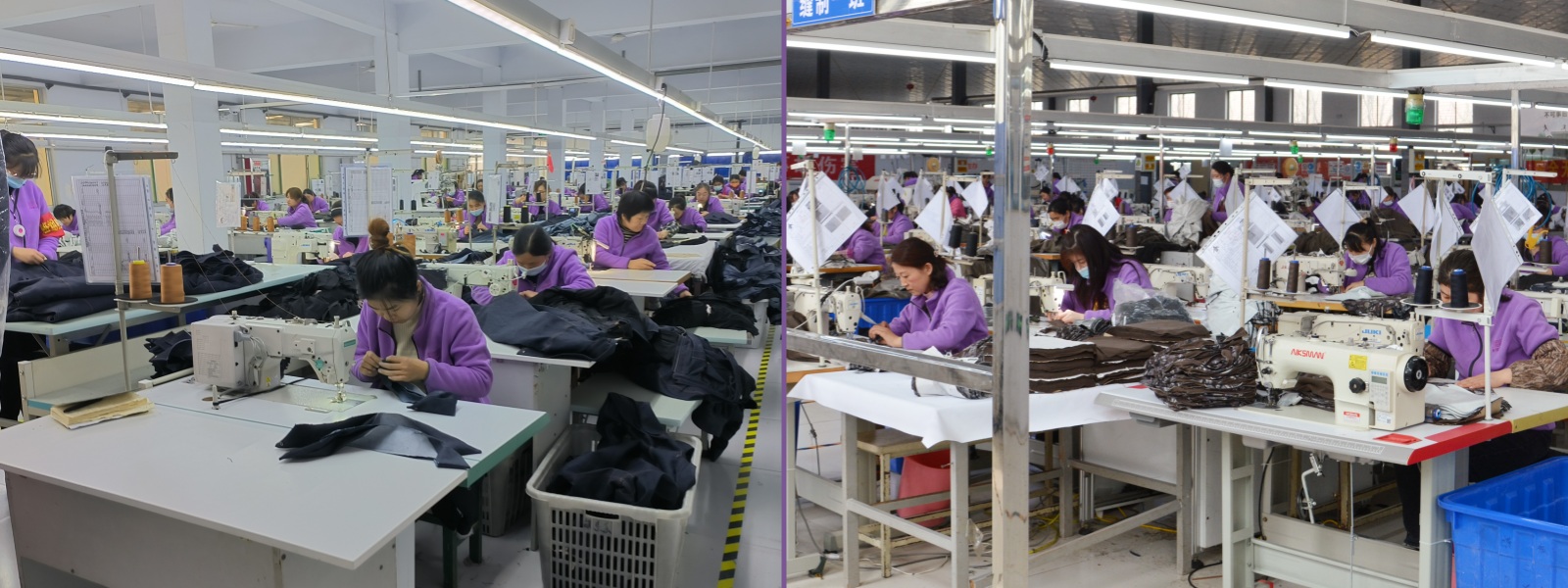
Professional skiing clothing manufacturing typically involves fabric testing, pattern making, sampling, bulk production, and quality control. Automated cutting systems and precision sewing equipment improve consistency and efficiency, especially for large-volume orders.
Bowins, as an experienced OEM/ODM manufacturer, supports this process with in-house design, sampling, and quality management to meet international brand requirements.
Quality Control and Compliance
Consistency in skiing clothing production is essential for brand reputation. B2B buyers often look for manufacturers with established quality control systems and experience serving international markets.
Market Trends in Skiing Clothing
The global skiing clothing market continues to evolve toward lightweight construction, sustainable materials, and multifunctional designs. Buyers increasingly value garments that balance performance with long-term wearability.
Another notable trend is customization, allowing brands to differentiate through colorways, branding, and technical specifications while maintaining core performance standards.
How to Match Skiing Clothing to Target Markets
Different regions and customer segments have distinct expectations. European markets may emphasize minimalist design and technical performance, while North American buyers often focus on durability and versatility.
Understanding end-user needs helps B2B buyers select skiing clothing specifications that align with their brand positioning and sales strategy.
Frequently Asked Questions About Skiing Clothing
What makes skiing clothing different from regular winter clothing?
Skiing clothing is designed for active movement, weather protection, and moisture management, whereas regular winter clothing focuses mainly on warmth.
Is waterproof performance essential for skiing clothing?
Yes. Waterproof and windproof features are critical for maintaining comfort and safety in snowy and windy conditions.
Can skiing clothing be customized for branding?
Most professional manufacturers offer OEM/ODM services, including logo placement, fabric selection, and functional customization.
How long does skiing clothing production usually take?
Production lead time depends on design complexity, order volume, and material availability, but experienced manufacturers can manage stable timelines through integrated processes.
Conclusion: Making the Right Choice for Skiing Clothing
Choosing skiing clothing requires a balanced evaluation of performance, materials, design, and manufacturing capability. For B2B buyers, partnering with an experienced OEM/ODM manufacturer ensures consistent quality, technical reliability, and scalability for international markets.
If you are sourcing skiing clothing for your brand or distribution network, working with a manufacturer like Bowins can support your product development with professional expertise, efficient production, and responsive service.
Contact us to discuss your skiing clothing requirements and explore reliable OEM/ODM solutions for your next collection.


