Fishing is no longer simply a leisure activity; it has become a global outdoor industry with millions of enthusiasts and professional anglers. As fishing environments vary widely—from tropical coastlines to cold offshore waters—
fishing clothing plays a crucial role in ensuring comfort, safety, and performance.
For outdoor brands, distributors, and equipment suppliers, selecting the right professional fishing clothing is essential to meet the growing expectations of modern anglers. Today’s market increasingly demands advanced materials, ergonomic design, and reliable waterproof fishing clothing capable of adapting to different climates and fishing conditions.
This article explores how fishing apparel should be selected according to weather conditions while also examining industry trends and the technologies behind high-performance fishing garments.
The Growing Global Market for Fishing Clothing
The global fishing apparel market has experienced steady growth over the past decade. According to outdoor industry research reports, the global angling equipment market exceeds USD 16 billion, with fishing clothing representing a rapidly expanding segment.
Several factors are driving demand:
The increasing popularity of recreational fishing and sport angling
Growing interest in outdoor lifestyles and eco-tourism
The rise of performance-driven outdoor apparel technology
Demand for multifunctional garments suitable for extreme weather
For international buyers and outdoor brands, professional fishing clothing has evolved beyond simple protective wear. Modern anglers expect clothing that combines waterproof protection, breathability, durability, and ergonomic design.
This shift has encouraged manufacturers to invest heavily in technical fabrics and advanced garment engineering.

Why Weather Conditions Matter in Fishing Clothing
Fishing often exposes anglers to unpredictable weather conditions such as sudden rain, strong winds, high humidity, and intense sunlight. Without proper clothing, these conditions can quickly lead to discomfort or even safety risks.
Choosing the right fishing clothing based on climate helps ensure:
Temperature regulation during long fishing trips
Protection from water, wind, and UV radiation
Improved mobility and comfort
Long-term durability in marine environments
For these reasons, outdoor brands increasingly prioritize professional fishing clothing designed specifically for seasonal conditions.
Fishing Clothing for Hot and Sunny Weather
Breathable and UV-Protective Apparel
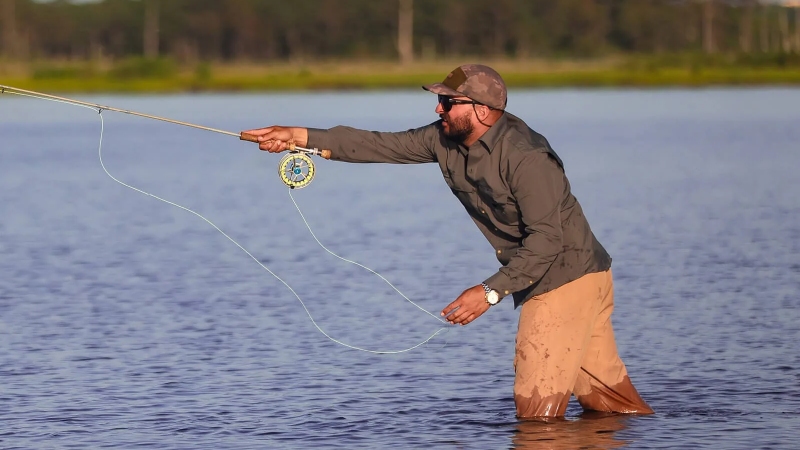
In tropical and summer environments, anglers often face high temperatures and prolonged sun exposure. Lightweight fishing clothing made from breathable fabrics is essential.
Key features include:
UV protection fabrics to reduce harmful sun exposure
Moisture-wicking materials that keep skin dry
Quick-dry technology for comfort after water contact
Ventilated mesh panels to enhance airflow
Long-sleeve fishing shirts and lightweight fishing pants are particularly popular among professional anglers because they protect the skin while maintaining ventilation.
Modern professional fishing clothing for hot climates often integrates stretch fabrics and ergonomic cuts to ensure unrestricted movement during casting and handling equipment.

Fishing Clothing for Rainy and Wet Conditions
The Importance of Waterproof Fishing Clothing
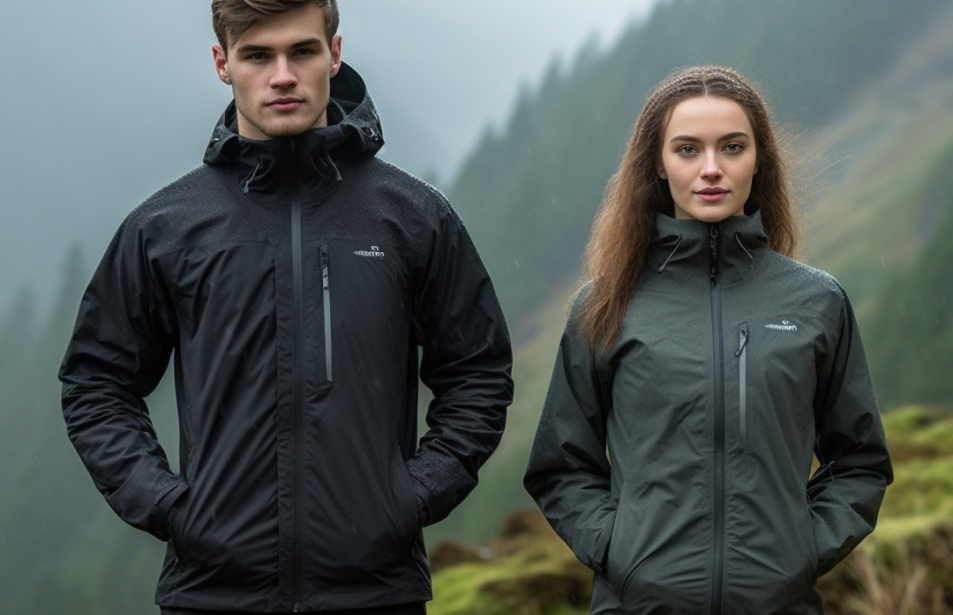
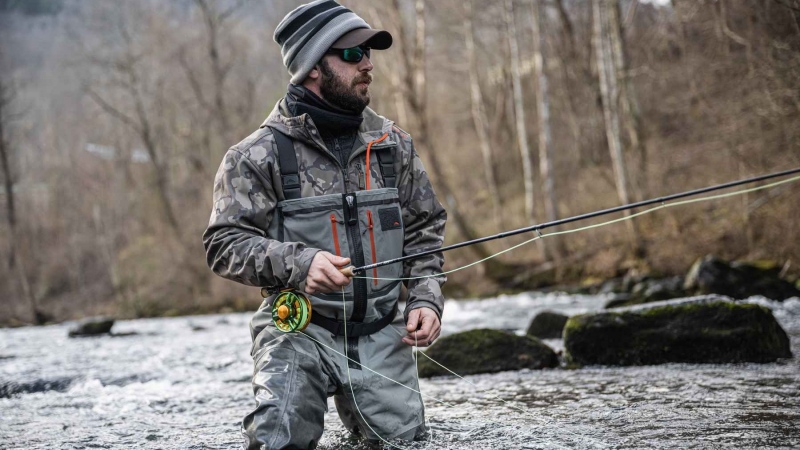
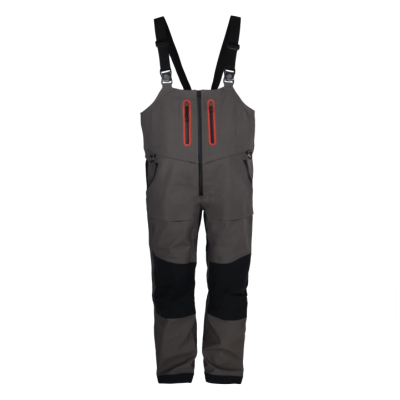
Rain and sea spray are unavoidable in many fishing environments, especially offshore or coastal fishing. High-quality waterproof fishing clothing becomes essential in these situations.
Advanced waterproof garments typically feature:
Multi-layer waterproof membranes
Fully sealed seams
Water-repellent outer fabrics
Adjustable cuffs and storm hoods
These design elements prevent water penetration while allowing moisture vapor to escape, ensuring comfort during extended use.
Modern professional fishing clothing frequently adopts laminated fabric technologies similar to those used in high-end outdoor jackets. This ensures that anglers remain dry even during heavy rainfall or rough sea conditions.
Fishing Clothing for Cold and Windy Weather
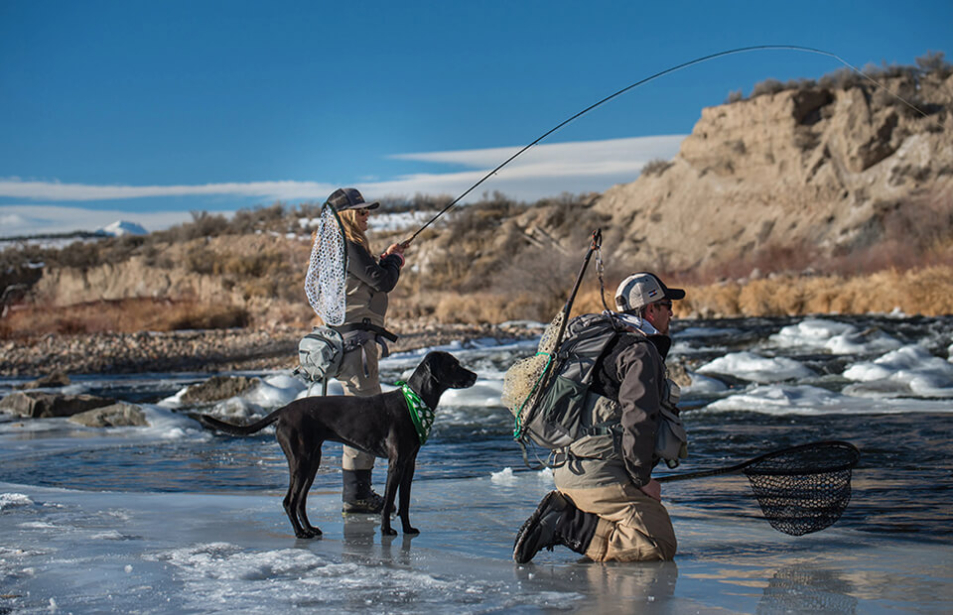
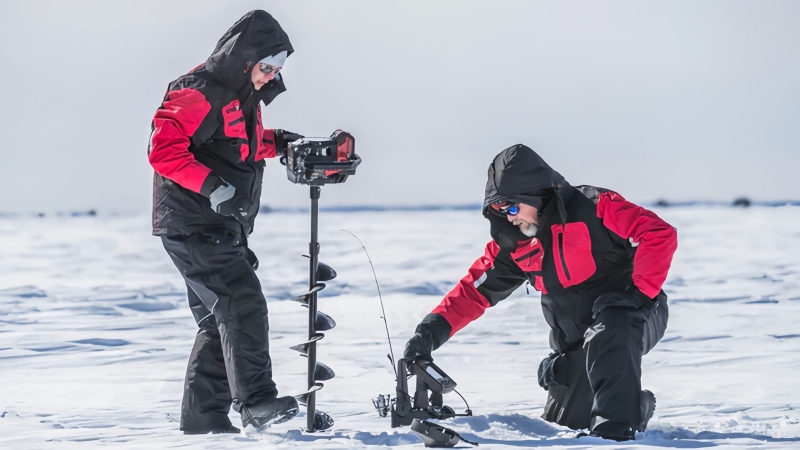
Cold environments require insulated fishing clothing capable of maintaining body warmth without restricting mobility.
Important features include:
In colder regions such as Northern Europe or North America, anglers often wear multi-layer fishing clothing systems, including base layers, insulation layers, and waterproof outer shells.
These layered systems allow fishermen to adapt quickly to changing temperatures while maintaining comfort throughout the day.
Key Technologies in Professional Fishing Clothing
The evolution of professional fishing clothing is largely driven by innovations in textile engineering and garment construction.
Advanced Waterproof Fabrics
Modern waterproof fishing clothing often utilizes laminated membranes that combine water resistance with breathability. These fabrics maintain dryness while preventing overheating.
Ergonomic Pattern Design
Fishing requires frequent movement such as casting, lifting gear, and balancing on boats. Ergonomic tailoring improves flexibility and reduces fabric resistance during movement.
Durable Marine-Grade Materials
Saltwater environments can accelerate fabric wear and corrosion. High-performance fishing clothing uses durable materials designed to resist abrasion, salt exposure, and repeated washing.

Manufacturing Considerations for Technical Fishing Clothing
Producing reliable professional fishing clothing requires both advanced equipment and specialized expertise.
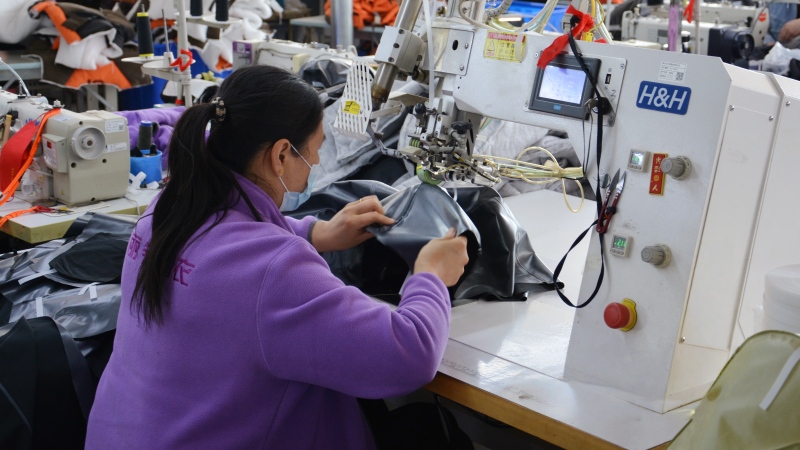
Companies like BOWINS focus on functional garment manufacturing supported by integrated production systems. Their facilities include automated cutting machines, CNC sewing equipment, and dedicated quality control processes.
With more than 20,000 square meters of production space and over 1,300 professionals across their manufacturing network, BOWINS provides OEM and ODM services for international outdoor brands.
The company also collaborates with garment institutes and universities in functional apparel research, maintaining a research and development team of more than 70 design specialists. This allows them to continuously improve waterproof structures, thermal technologies, and ergonomic garment design.
Such integrated production capabilities are increasingly important as global buyers demand consistent quality and scalable manufacturing.

Market Trends in Fishing Apparel
Several trends are shaping the future of fishing clothing:
1. Performance-Driven Design
Consumers are prioritizing professional fishing clothing with advanced performance features rather than simple casual apparel.
2. Multi-Functional Outdoor Garments
Many fishing jackets and pants are now designed for multiple outdoor activities, including boating, hiking, and camping.
3. Sustainable Materials
Eco-friendly fabrics and responsible manufacturing practices are becoming more important to global brands and retailers.
4. Smart Clothing Technologies
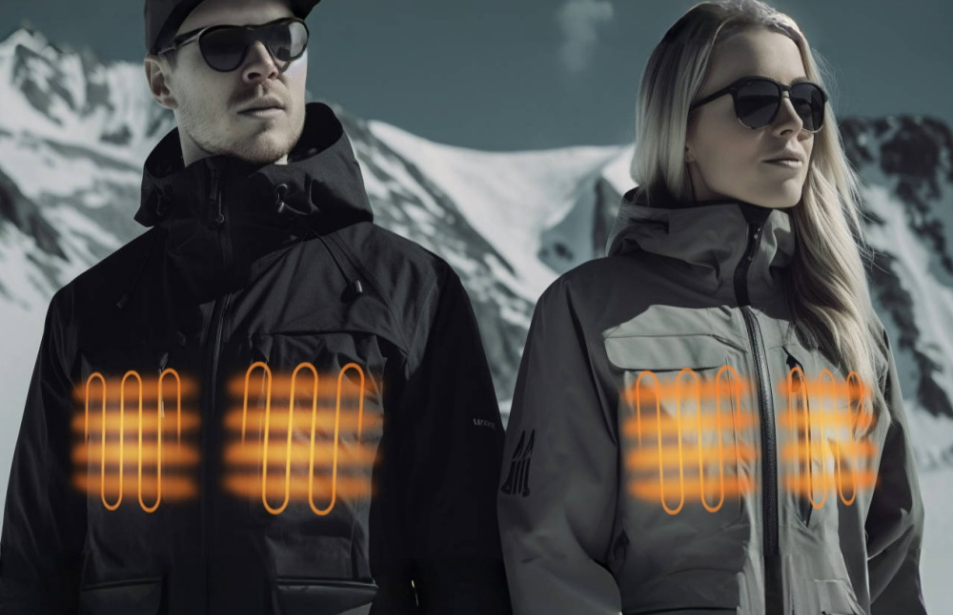
Emerging innovations such as heated clothing systems and intelligent temperature regulation are gradually entering the fishing apparel market.
These developments suggest strong long-term growth potential for manufacturers specializing in technical fishing garments.
FAQ: Common Questions from International Buyers
1. What is the most important feature in fishing clothing?
The most important feature depends on the fishing environment. However, waterproof fishing clothing and breathable materials are generally essential for comfort and protection.
2. How is professional fishing clothing different from regular outdoor clothing?
Professional fishing clothing is specifically designed for marine environments. It often includes saltwater-resistant fabrics, reinforced seams, waterproof membranes, and ergonomic features suited for fishing movements.
3. What materials are commonly used in fishing clothing?
Common materials include polyester performance fabrics, laminated waterproof membranes, nylon shells, and stretch fabrics that enhance mobility.
4. Why do brands choose OEM manufacturers for fishing apparel?
OEM manufacturers provide specialized production expertise, scalable manufacturing capacity, and technical garment development support, which helps brands maintain product quality and innovation.
Conclusion
As fishing continues to grow in popularity worldwide, demand for advanced fishing clothing is increasing rapidly. Selecting the right professional fishing clothing for different weather conditions—whether hot, rainy, or cold—is essential for safety, comfort, and performance.
For outdoor brands and distributors, partnering with experienced manufacturers capable of producing high-quality waterproof fishing clothing ensures reliable supply and consistent product standards.
BOWINS remains committed to delivering technical garment solutions for global outdoor brands through advanced manufacturing systems, innovative design capabilities, and long-term industry expertise.
If you are looking for a reliable partner for professional fishing clothing manufacturing, feel free to contact BOWINS to explore customized OEM and ODM solutions tailored to your market needs.

 Francés
 Español
 Русский
 German
 Português
 Swedish
 Italian
 العربية
 Japanese