 Francés
 Español
 Русский
 German
 Português
 Swedish
 Italian
 العربية
 Japanese
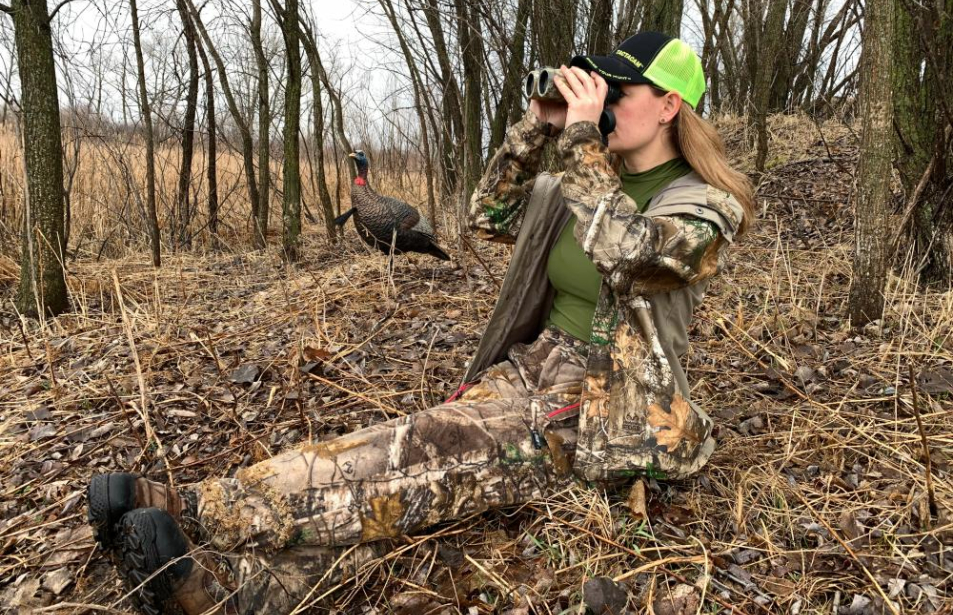
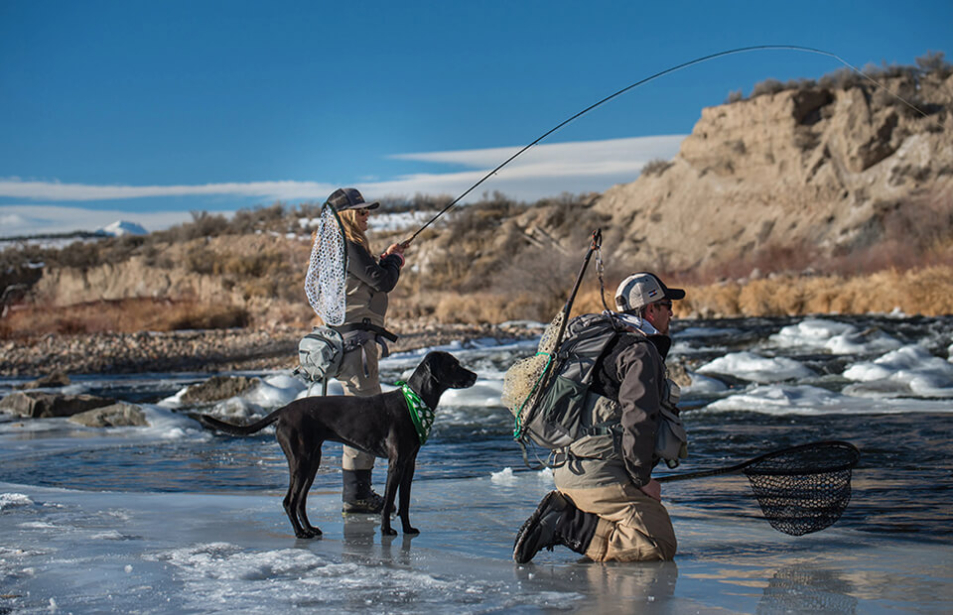
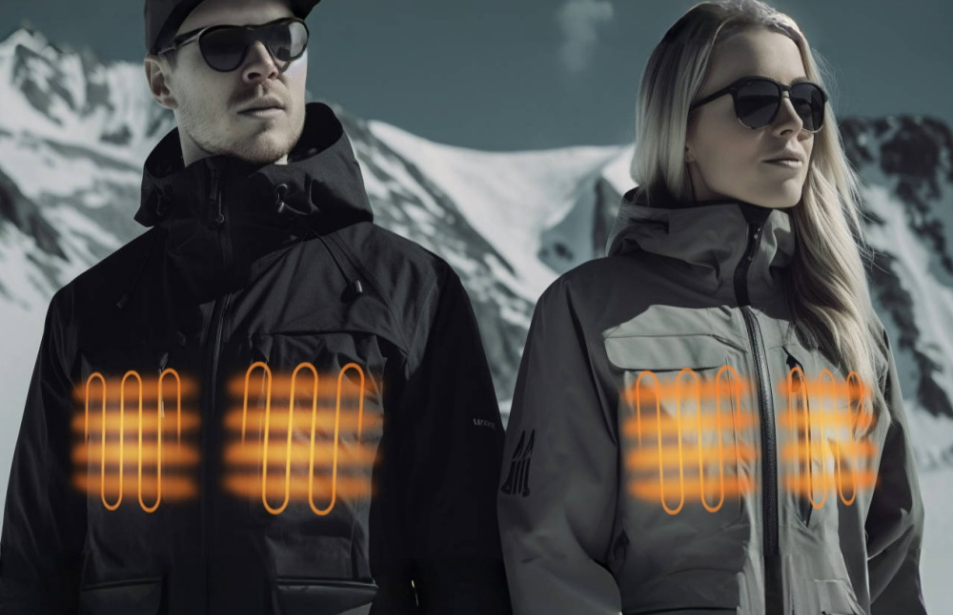



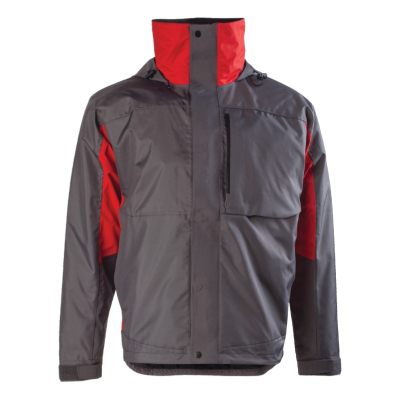
Hard Shell vs. Softshell: Decoding the Core of Modern Outdoor Apparel for Global Buyers
For B2B buyers and brands navigating the competitive outdoor clothing landscape, understanding the fundamental distinction between hard shell and softshell jackets is not merely academic—it's a critical business decision. This choice dictates product positioning, target market, and supply chain strategy. As the global demand for functional apparel grows, driven by an increasing emphasis on health and outdoor activities, the ability to accurately source and specify these two distinct categories has become paramount. This article provides a comprehensive, professional analysis for international buyers, dissecting the differences, applications, and market dynamics of hard shell clothing and its softer counterpart.

Defining the Divide: Core Differences at a Glance
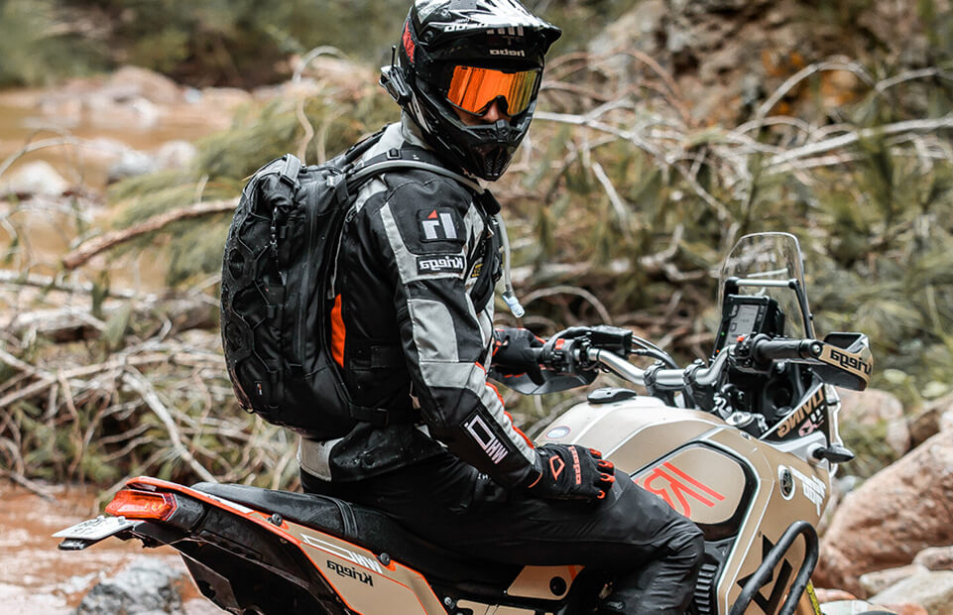
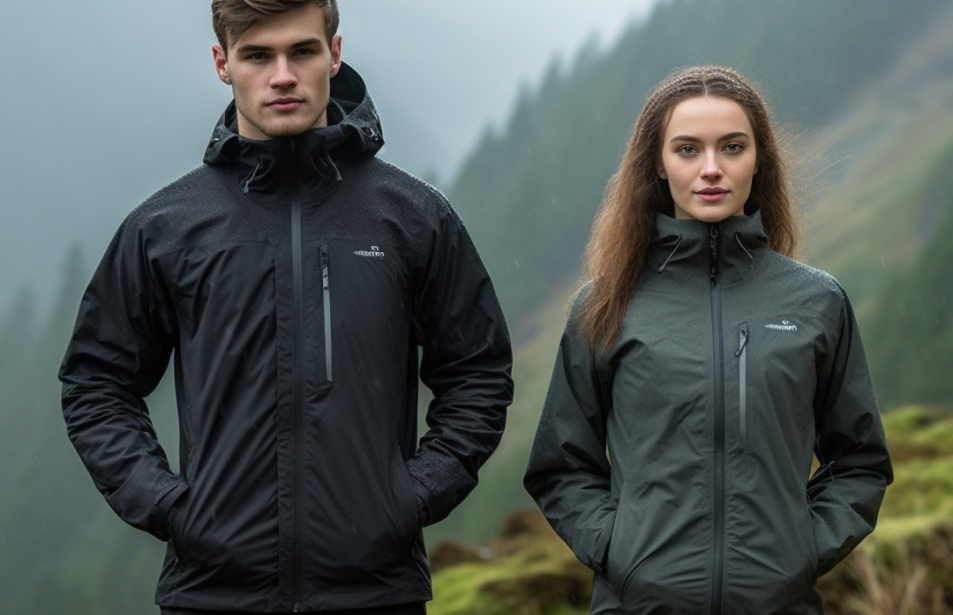
At its simplest, the difference is one of priority: hard shell jackets are designed for maximum protection against external elements, while softshell jackets prioritize breathability, flexibility, and comfort during high-output activities.
The following table summarizes their fundamental distinctions:
| Feature | Hard Shell Jacket | Softshell Jacket |
|---|---|---|
| Primary Purpose | Ultimate weather protection (wind, rain, snow) | Breathable comfort & mobility for active use |
| Key Material | Waterproof & breathable membrane laminates (e.g., GORE-TEX, eVent) | Woven, stretch-treated fabrics (e.g., polyester/nylon blends with DWR) |
| Waterproofness | High to extreme (fully waterproof taped seams) | Low to moderate (water-resistant, not for prolonged rain) |
| Breathability | Good (depends on membrane tech) | Excellent (due to air-permeable fabrics) |
| Durability | Very high (abrasion-resistant face fabrics) | High (flexible and tear-resistant) |
| Weight & Packability | Generally lighter and more packable as a dedicated outer layer | Slightly heavier, less packable, often worn as an outer or mid-layer |
| Best For | Alpine climbing, ski touring, heavy rain, severe weather | Hiking, climbing, trekking, cold-weather running, urban use |
Market Context: Growth Driven by Specialization
The global outdoor apparel market is expanding, but growth is increasingly segmented. Consumers are moving beyond generic products and seeking specialized gear for specific activities. This trend directly benefits both hard shell and softshell segments. The hard shell jacket market is fueled by the professionalization of sports like backcountry skiing and mountaineering, where reliable protection is non-negotiable. Concurrently, the softshell jacket category thrives on the booming "urban outdoor" trend and the demand for versatile pieces suitable for both trail and town. For buyers, this means a successful product line must clearly identify which need it serves, as the one-jacket-fits-all approach is fading.
Technical Deep Dive: From Fabric to Feature
Hard Shell Construction: The Engineering Marvel
A hard shell is defined by its laminated, multi-layer construction. The most common is a 3-layer (3L) build: an outer face fabric for durability, a middle waterproof-breathable membrane (like GORE-TEX Pro), and an inner protective backing, all bonded together. The performance hinges on this membrane, which contains billions of microscopic pores small enough to block liquid water but large enough to allow vapor (sweat) to escape.
Manufacturing precision is crucial. Every seam must be sealed with waterproof tape to prevent leakage, a process requiring skilled labor and quality control. Features like helmet-compatible hoods, underarm ventilation zips (pit zips), and waterproof zippers are standard on high-performance hard shell jackets. As a leader in technical manufacturing, Bowins leverages advanced seam-taping technology and rigorous testing protocols to ensure that every hard shell garment meets stringent waterproof standards before shipment.
Softshell Construction: The Flexible Performer
Softshell fabrics are engineered for stretch and air permeability. They are typically densely woven or brushed synthetic fabrics, often treated with a Durable Water Repellent (DWR) finish to shed light precipitation. Some high-end softshell jackets may incorporate a thin, breathable membrane for enhanced weather resistance, but they rarely feature fully taped seams.
The manufacturing process for softshells focuses on articulating patterning to maximize freedom of movement and employing flatlock or stretch stitches that don't compromise the fabric's elasticity. This results in a jacket that is quiet, comfortable against the skin, and ideal for continuous, high-energy output where overheating is a greater concern than a downpour.
Sourcing Insights: Addressing B2B Buyer Preferences and Pain Points
International buyers must navigate several key considerations when sourcing these technical apparel categories:
Clarity on Standards and Certifications: For hard shells, buyers must insist on certified performance data. In the Chinese market, the GB/T 32614 national standard serves as the authoritative benchmark, classifying technical outerwear (commonly known as hard shell jackets) into two definitive performance tiers (Class I and Class II). For global sourcing, it is essential to obtain supplier-provided test reports from accredited laboratories. These should verify critical metrics, most notably waterproofness (tested under standards such as ISO 811 or AATCC 127) and breathability (tested under standards such as ISO 15496 or ASTM E96).
The "Comfort vs. Protection" Balancing Act: A common pain point is managing customer expectations. Educating retail partners and end-consumers that softshell jackets are not designed for all-day rain is critical to avoid returns and brand damage. Conversely, communicating that a hard shell's superior protection may come with a trade-off in fabric noise and stiffness is equally important.
The Rise of Hybrid and Sustainable Solutions: Savvy buyers are exploring hybrid strategies, such as 3-in-1 jacket systems that combine a protective hard shell with a detachable softshell or fleece inner layer. Sustainability is also a major driver, with leading mills and manufacturers like Bowins investing in PFAS-free DWR treatments and next-generation membranes like GORE-TEX ePE, which offer high performance with a reduced environmental footprint.
Frequently Asked Questions (FAQ) for B2B Buyers
Q1: For a brand entering the outdoor market, should we start with hard shell or softshell products?
This depends entirely on your target segment. If you aim at everyday adventurers and urban outdoor enthusiasts, a high-quality softshell jacket offers broader appeal, greater comfort, and often a lower entry price point. If your brand identity is aligned with technical, high-altitude, or severe-weather performance, starting with a focused hard shell product establishes immediate credibility.
Q2: What are the minimum performance specifications we should require for a budget-level hard shell jacket?
Even at a budget level, core functionality cannot be compromised. Look for a minimum waterproof rating of 10,000mm and a breathability rating of 10,000g/m²/24h. Crucially, ensure all critical seams are tape-sealed. While the face fabric denier may be lower (e.g., 20D-30D), the integrity of the waterproof barrier is non-negotiable for a product to be legitimately called a hard shell.
Q3: How important is fabric technology branding (e.g., GORE-TEX) versus proprietary manufacturer membranes?
Branded technologies like GORE-TEX provide instant consumer recognition and a trusted warranty, which can justify a higher price point. However, many reputable manufacturers, including Bowins, develop excellent proprietary membranes that meet or exceed performance standards at a more competitive cost. The decision hinges on your brand's market positioning—whether it leverages established tech branding or builds value through demonstrated performance and innovation.
Q4: Can a softshell jacket be considered a true all-weather product?
No. It is vital to manage this expectation. A softshell jacket is an all-conditions piece for dry and cold or lightly precipitating weather where high activity levels are expected. It is not an all-weather solution for sustained rain or severe storms. For that, a dedicated hard shell is required. Many experienced outdoor users carry both, using the softshell for 80% of activities and packing a lightweight hard shell for emergencies.
Source with Technical Expertise: Partner with Bowins
Navigating the intricate world of hard shell and softshell apparel requires a manufacturing partner with deep technical expertise, rigorous quality control, and a forward-looking approach to material innovation. The wrong choice in supplier can lead to product failures, brand reputational damage, and lost market opportunities.
Bowins stands as a specialist in high-performance functional apparel, offering end-to-end OEM/ODM services for both advanced hard shell clothing and versatile softshell jackets. Our vertically integrated manufacturing process, from fabric sourcing and cutting to precision seam sealing and final inspection, ensures every garment delivers on its promise of protection, comfort, and durability.
Ready to develop a technically flawless and commercially viable outdoor apparel line?
Contact the Bowins technical team today to:
Request our detailed technical portfolio and fabric swatches for both hard shell and softshell applications.
Receive a comprehensive quotation and discuss minimum order quantities for your specific project.
Initiate the sample development process and experience our commitment to quality and collaboration firsthand.
Let's build the next generation of outdoor performance together.