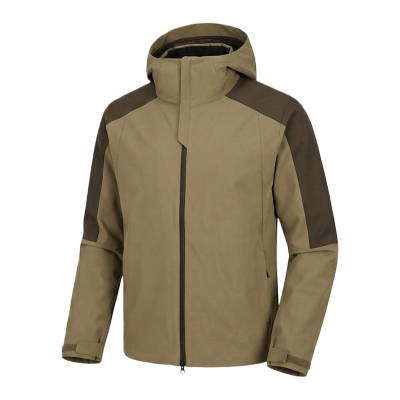
As global demand for high-performance hunting clothing continues to expand, cold-weather functionality has become a decisive factor for brands and distributors. From North America’s late-season deer hunting to Northern Europe’s winter expeditions, professional hunters increasingly require reliable thermal protection without compromising mobility.
For international buyers sourcing hunting apparel, the key question is clear: in extreme cold environments, does heated hunting clothing outperform traditional insulated garments? This comparative analysis explores performance, cost structure, manufacturing complexity, and market trends—helping brands make informed OEM decisions.

Global Market Background: The Evolution of Cold-Weather Hunting Apparel
The global hunting apparel market has maintained steady growth, supported by:
Rising participation in outdoor sports
Growth of premium technical hunting clothing
Expansion of cold-climate hunting tourism
Increasing consumer demand for comfort innovation
Cold-weather hunting clothing represents one of the fastest-growing segments. Consumers are no longer satisfied with bulky insulation alone; they expect lightweight warmth, breathability, and ergonomic design.
As a result, brands are reassessing their product mix between traditional insulated hunting apparel and battery-powered heated hunting clothing.
Traditional Hunting Clothing: Proven Insulation Systems
Core Technology Behind Traditional Hunting Apparel
Traditional hunting clothing relies on layered thermal engineering. Common construction includes:
Waterproof and breathable laminated fabrics
Windproof softshell outer layers
Synthetic or fleece insulation
Seam-sealed structures
Moisture-wicking base layers
Performance depends on fabric quality, insulation weight, and garment construction. High-quality traditional hunting apparel can effectively retain body heat in temperatures down to -10°C or lower when layered properly.
Advantages in Cold Conditions
Stable and predictable thermal performance
No reliance on battery systems
Lower manufacturing complexity
Easier international certification
Competitive price positioning
For mid-range and volume-driven brands, traditional hunting clothing remains a dependable solution for cold weather markets.

Heated Hunting Clothing: Active Warmth Technology
How Heated Hunting Clothing Works
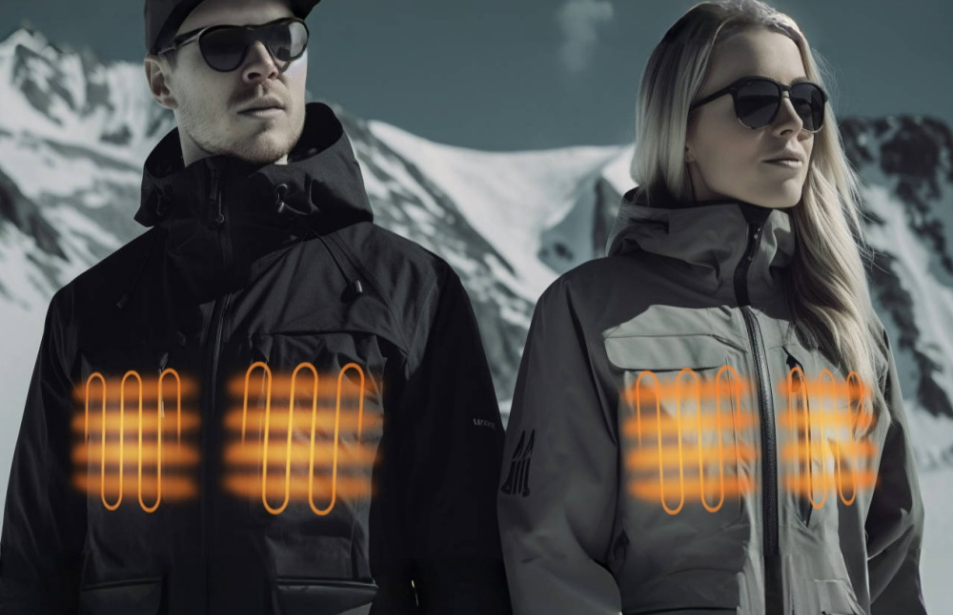
Heated hunting clothing integrates carbon fiber or graphene heating elements into jackets, vests, or mid-layers. Powered by rechargeable lithium batteries, these garments deliver adjustable warmth directly to key body zones such as:
Chest
Back
Abdomen
Shoulder areas
Temperature levels are typically controlled through multi-stage settings.
Performance in Extreme Cold
In environments below -15°C, heated hunting apparel provides distinct advantages:
Immediate active heat generation
Reduced need for heavy insulation
Improved mobility due to lighter structure
Adjustable warmth for varying activity levels
For late-season and high-altitude hunting, heated hunting clothing often delivers superior user comfort compared to passive insulation alone.
Cold Weather Performance Comparison
Thermal Efficiency
Traditional hunting clothing depends on trapped air layers to retain heat. While effective, insulation thickness increases garment bulk.
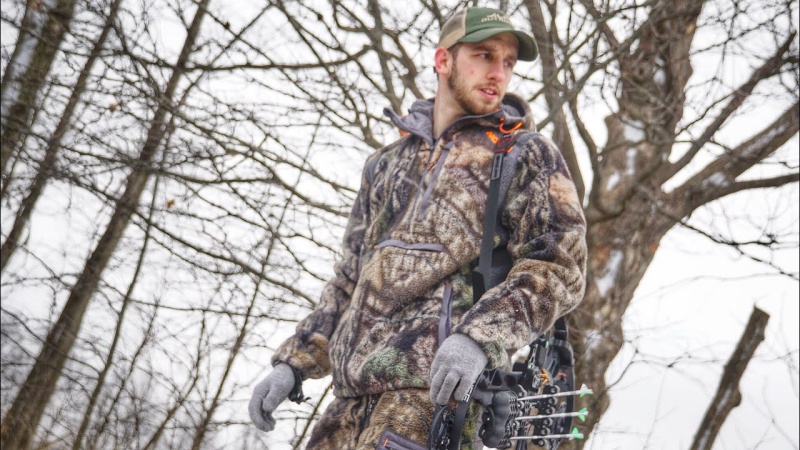
Heated hunting apparel generates heat directly, allowing thinner construction while maintaining warmth. In static hunting scenarios—such as tree stand deer hunting—active heating provides measurable comfort benefits.
Mobility and Weight
Heavy insulated hunting clothing may restrict movement during long tracking sessions. Heated hunting apparel, when designed with lightweight insulation, can reduce total garment weight while maintaining warmth.
Reliability Considerations
Traditional hunting clothing offers mechanical simplicity and durability. Heated hunting clothing requires:
For brands, selecting an experienced hunting apparel manufacturer is critical when developing heated product lines.

Manufacturing Considerations for OEM Buyers
For international brands, understanding production complexity is essential.
Traditional Hunting Clothing Production Process
Fabric lamination and waterproof testing
Pattern development for ergonomic movement
Insulation quilting
Seam sealing and durability testing
This process is mature and scalable.
Heated Hunting Apparel Manufacturing Process
In addition to standard garment construction, heated hunting clothing requires:
Integration of heating panels
Secure wiring channel construction
Battery pocket engineering
Electrical safety testing
Wash cycle durability verification
At BOWINS, automated cutting systems, CNC sewing equipment, and in-house sampling ensure precision and repeatability in both traditional and heated hunting apparel production. With over 70 R&D professionals, technical design and heating system integration are managed under strict quality protocols.
Cost Structure and Margin Analysis
From a B2B perspective, pricing differences significantly influence product strategy.
Traditional Hunting Clothing
Heated Hunting Clothing
Additional cost for heating modules and batteries
More intensive quality control
Premium retail pricing potential
Higher profit margins when positioned correctly
Many brands adopt a dual-line strategy: traditional hunting apparel for core volume sales and heated hunting clothing for premium segment expansion.
Market Trends: Where Is Cold-Weather Hunting Apparel Heading?
1. Technology Integration
Consumers increasingly associate innovation with brand value. Heated hunting clothing aligns with the broader wearable technology trend.
2. Lightweight Engineering
Advanced insulation materials and flexible heating elements enable thinner, more ergonomic hunting apparel.
3. Modular Layering Systems
Brands are shifting toward multi-layer hunting clothing systems, combining:
Heated components are often integrated into mid-layers for optimal thermal balance.
4. Sustainability
Recycled insulation, eco-friendly membranes, and energy-efficient heating modules are gaining importance in global markets.
Which Performs Better in Cold Weather?
The answer depends on the hunting environment and market positioning.
For moderate cold and high-mobility hunting, traditional hunting clothing offers durability and simplicity.
For extreme cold, long static exposure, or premium positioning, heated hunting apparel provides superior comfort and differentiation.
From a commercial perspective, heated hunting clothing often performs better in harsh winter conditions, while traditional hunting apparel remains essential for mainstream markets.
FAQ for International Buyers
Q1: Is heated hunting clothing safe and washable?
Yes. Professionally manufactured heated hunting apparel undergoes voltage safety testing and controlled wash cycle testing to ensure durability and user safety.
Q2: What is the typical MOQ for OEM hunting clothing?
MOQ varies depending on fabric complexity and heating system customization. Traditional hunting clothing generally requires lower minimum quantities.
Q3: How long does development take?
Traditional hunting apparel sampling usually takes 2–3 weeks. Heated hunting clothing may require 3–5 weeks due to electrical testing and validation.
Q4: Can heating systems be customized?
Yes. Heating zones, temperature settings, battery capacity, and controller design can be customized according to brand requirements.
Conclusion: Building a Competitive Cold-Weather Hunting Apparel Strategy
In today’s competitive market, selecting the right cold-weather hunting clothing solution is not simply a technical decision—it is a strategic one.
Traditional hunting apparel delivers reliability, cost efficiency, and scalable production. Heated hunting clothing offers innovation, premium differentiation, and enhanced comfort in extreme conditions.
For global brands seeking to expand or upgrade their hunting apparel collections, partnering with an experienced OEM manufacturer ensures stable quality, technical expertise, and efficient production management.
With integrated R&D capability, automated manufacturing systems, and extensive experience in functional hunting clothing, BOWINS supports international brands in developing both traditional and heated hunting apparel lines tailored to diverse market demands.
Contact our team today to discuss your next cold-weather hunting clothing project and explore customized OEM solutions designed for your target market.

 Francés
 Español
 Русский
 German
 Português
 Swedish
 Italian
 العربية
 Japanese