 Francés
 Español
 Русский
 German
 Português
 Swedish
 Italian
 العربية
 Japanese
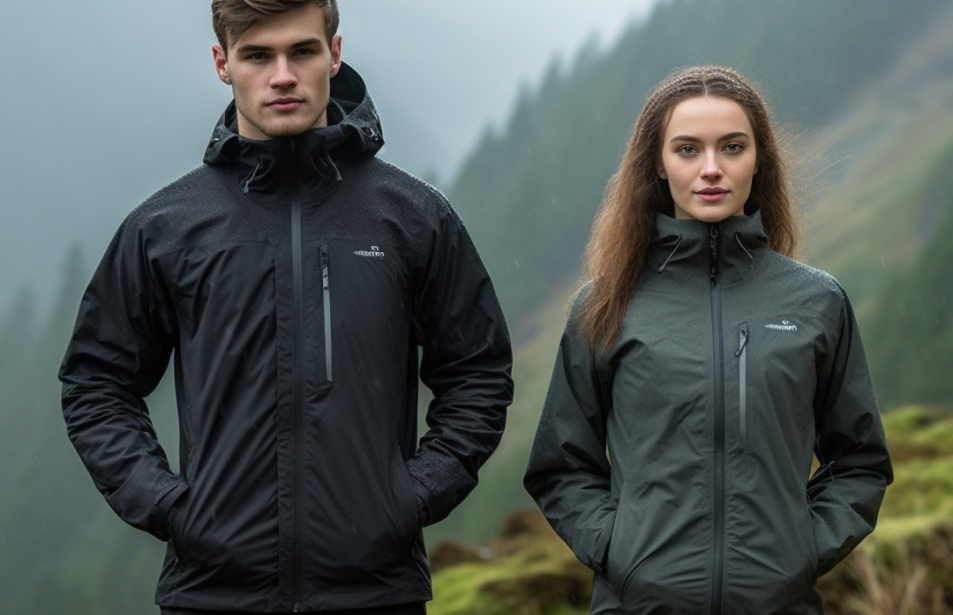



What to Wear for Outdoor?
For global brands and procurement professionals, the question of appropriate outdoor clothing extends far beyond basic apparel selection. It delves into a sophisticated, technology-driven sector where performance, safety, and comfort converge through engineered layering systems. The global outdoor apparel market is experiencing a significant transformation, moving from generalized products to specialized, scenario-based solutions. This shift is fueled by a massive and growing participant base—in China alone, outdoor sports participants now exceed 400 million people. For B2B buyers, success hinges on understanding the technical intricacies of functional outdoor gear, the evolving consumer trends driving demand, and the manufacturing expertise required to produce reliable products. This guide provides a comprehensive analysis of the outdoor apparel ecosystem, offering crucial insights for sourcing and developing competitive collections in partnership with technical specialists like Bowins.
Market Landscape: Sustained Growth and Evolving Segmentation
The outdoor apparel industry remains a robust and expanding sector. Recent data indicates that the outdoor apparel segment has maintained a strong Compound Annual Growth Rate (CAGR) of 25.3% over a five-year period, with 2025 growth projected at 24.5%. This growth, however, is not uniform across all categories. While some mainstream segments have slowed, high-demand niches like technical outdoor jackets, outdoor down jackets, and performance base layers (e.g., moisture-wicking shirts) have seen explosive growth, with quarterly surges nearing 100% in some cases. This divergence signals a clear market evolution: consumers are moving beyond fashion-driven purchases toward investing in specialized gear for specific activities like hiking, trekking, and mountaineering.
The industry is pivoting from "scale growth" to "value refinement," with leading brands competing on integrated ecosystem offerings rather than single products. This includes sponsoring professional athletes, embedding in international event systems, and building community platforms. For B2B partners, this underscores the necessity of collaborating with manufacturers capable of ODM outdoor apparel development—those who can contribute not just production capacity, but also technical insights and innovative solutions tailored to these precise, high-value segments.
The Technical Core: The Layered Clothing System Explained
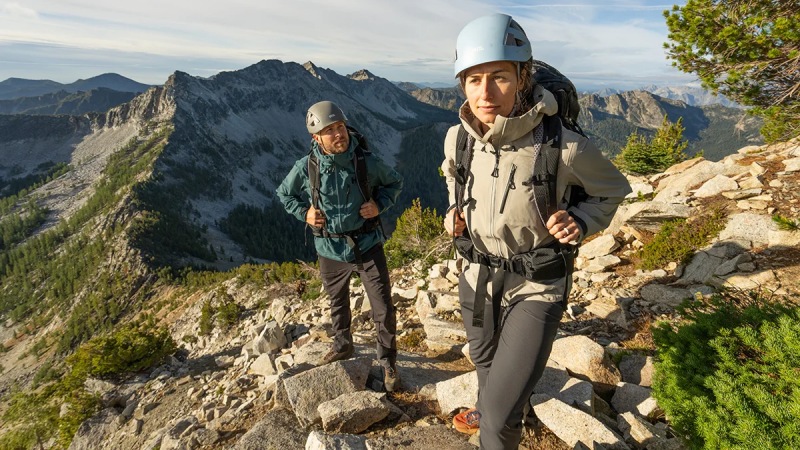
At the heart of professional outdoor performance is the layered clothing system, a modular approach that allows wearers to adapt to changing conditions. This system is foundational for brands developing functional outdoor gear.
1. Base Layer: Moisture Management and Comfort
The base layer’s primary function is to manage moisture and maintain skin comfort. Materials have evolved significantly, with merino wool gaining substantial market penetration due to its natural temperature regulation and odor resistance. Advanced synthetic fabrics with moisture-wicking properties remain essential. The trend is toward seamless or “one-piece knit” constructions, which eliminate seams to reduce chafing and enhance mobility. For brands, sourcing high-quality, breathable, and durable base layer fabrics is a critical first step.
2. Insulation Layer: Advanced Warmth Retention
This layer traps body heat. While traditional down is highly effective, there is a strong trend toward high-performance synthetic fills (like PrimaLoft) that retain warmth even when wet. Innovations in this space focus on maximizing the warmth-to-weight ratio and compressibility, allowing for greater freedom of movement—a key concern for active sports like trekking and hiking. The integration of this layer with others through systems like modular zippers is a noted innovation.
3. Outer Shell (The Protective Layer): Defense Against the Elements
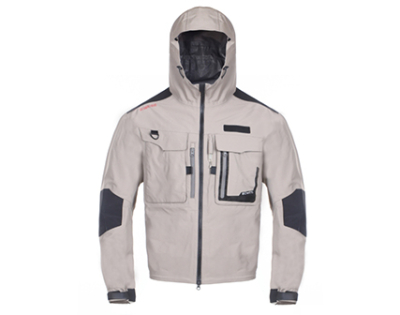
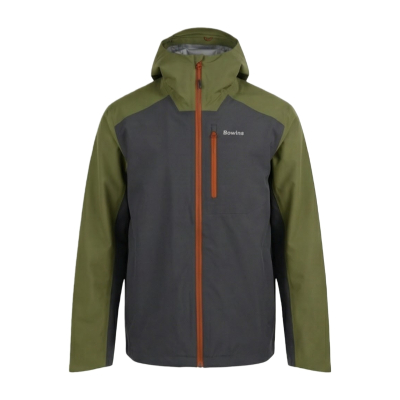
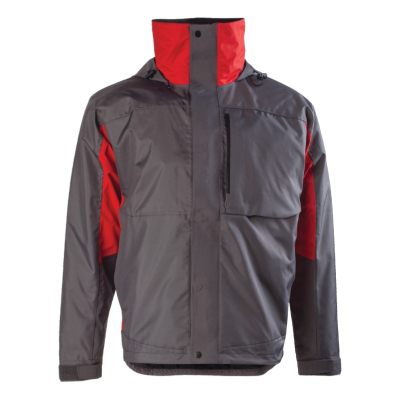
The outer shell, including technical outdoor jackets and pants, is the most technologically complex component. Its performance is quantifiable:
Waterproofness: Measured in millimeters (mm) of water column (e.g., 20,000mm). Premium shells use advanced membranes like Gore-Tex or proprietary ePE eco-membranes.
Breathability: Measured in grams per square meter over 24 hours (g/m²/24h), allowing sweat vapor to escape.
Durability: Fabric denier and reinforcements in high-wear areas (shoulders, knees) ensure longevity.
Features: Design must include fully taped seams, adjustable hoods and cuffs, and strategic ventilation, all tailored to the target activity, be it alpine climbing or casual outdoor hiking wear.
Key Industry Trends Shaping Sourcing Decisions
Understanding forward-looking trends is vital for strategic sourcing and product development.
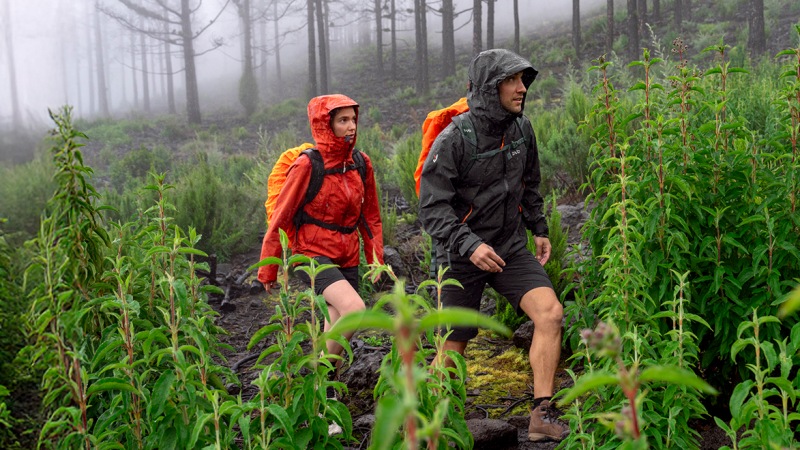
Scenario-Based Deep Segmentation: The market is moving past generic "all-rounder" gear. Leading brands now develop products with deep consideration for specific environments—urban commuting, alpine expeditions, or forest hiking—each with distinct material and design requirements. This creates opportunities for brands to carve out niches with highly specialized outdoor hiking wear.
Sustainability as a Standard: Environmental responsibility has transitioned from a niche preference to a core industry expectation. There is growing demand for recycled materials (e.g., recycled polyester), bio-based fabrics, PFC-free durable water repellent (DWR) finishes, and production processes that minimize ecological impact. This trend is particularly pronounced in the European market.
The Fusion of Performance and Aesthetics: The line between technical outdoor apparel and lifestyle fashion continues to blur. Consumers demand gear that performs in the wilderness but also possesses a considered aesthetic for urban use. This "urban outdoor" trend necessitates manufacturers to master both advanced technical construction and contemporary design.
Material Innovation: Beyond traditional fabrics, innovations like natural wool being engineered for warmer seasons and high-stretch, weather-resistant membranes are gaining traction. Brands must partner with suppliers who have active R&D capabilities and access to these next-generation materials.
Sourcing and Manufacturing Insights for B2B Buyers
Navigating the outdoor apparel supply chain requires a focus on technical capability and strategic partnership.
The Manufacturing Process: Producing high-performance outerwear is precision-driven. It begins with computer-aided design (CAD) and grading, followed by automated laser cutting of technical fabrics for accuracy. The assembly involves specialized sewing techniques for waterproof seams, followed by the critical heat-activated seam taping process that seals every stitch. Finally, each garment should undergo rigorous quality control, including water pressure testing. A manufacturer’s investment in automated cutting, precision taping stations, and in-house testing labs is a strong indicator of quality.
Buyer Preferences and Pain Points:
Quality and Certification: International buyers prioritize suppliers with proven quality management systems and relevant product certifications (e.g., ISO standards). They require transparent technical specifications and third-party test reports for key claims (waterproofness, breathability).
Supplier Dependability and Flexibility: The ability to handle complex technical construction consistently is paramount. Additionally, as market cycles accelerate, buyers increasingly value suppliers with flexible production capacity to accommodate smaller, more frequent orders or last-minute adjustments without compromising lead times or quality.
Value-Added Services: Beyond basic manufacturing, buyers seek partners who offer ODM outdoor apparel services—providing design input, material sourcing advice, and prototyping support. This collaborative approach reduces development time and risk for the brand.
FAQ for B2B Outdoor Apparel Buyers
Q1: What are the critical technical documents we should request from a potential outdoor apparel manufacturer?
Always request detailed technical data sheets for key fabrics (including waterproof/breathability ratings and test methods), certificates of compliance for materials (e.g., bluesign®, OEKO-TEX), and quality inspection reports from previous production runs. Reputable manufacturers like Bowins can provide these readily and often have in-house testing capabilities for core performance metrics.
Q2: How do regional market demands differ, and how can our sourcing strategy adapt?
Demand varies significantly: North America focuses on high-tech innovation and brand prestige; Europe emphasizes sustainable materials and design; Southeast Asia prioritizes value and core functionality. Your sourcing strategy should align your product's price point, material selection, and feature set with these regional characteristics. A manufacturer with experience exporting to your target markets is a significant advantage.
Q3: For a new product line, what is a realistic timeline from concept to bulk delivery?
A typical development cycle for a new, technically complex item (like a waterproof jacket) takes 4 to 6 months. This includes design finalization, fabric sourcing and testing, prototyping and fit sessions (1-2 rounds), pre-production sample approval, and finally, bulk production. Clear communication and an efficient sampling process with your manufacturer are crucial to maintaining this timeline.
Q4: What are the advantages of partnering with a specialized technical apparel manufacturer over a general garment factory?
Specialized manufacturers possess deep expertise in handling advanced materials (e.g., waterproof membranes, insulated fabrics), operating precision equipment (e.g., ultrasonic welders, seam taping machines), and implementing stringent quality control protocols specific to outdoor gear. This expertise minimizes the risk of functional failure—such as leaks or seam blowouts—which protects your brand reputation and reduces costly returns.
Source with Technical Expertise: Partner with Bowins
The dynamic outdoor apparel market rewards brands that offer authentic performance, innovative design, and reliable quality. Achieving this requires a manufacturing partner that embodies technical excellence, operational flexibility, and a collaborative spirit.
Bowins is a premier OEM/ODM partner specializing in high-performance outdoor apparel, including advanced technical outdoor jackets and complete functional outdoor gear systems. With vertically integrated manufacturing control—from fabric sourcing and cutting to precision sewing, seam sealing, and final inspection—we ensure every garment meets the highest standards of durability and weather protection. Our dedicated R&D team stays at the forefront of material and trend innovation, empowering our partners to lead in their respective market segments.
Ready to develop a technically superior and commercially successful outdoor apparel collection?
Contact the Bowins team today to:
Request our comprehensive technical portfolio and material swatch book.
Receive a detailed consultation and quotation for your specific project.
Initiate the sample development process and experience our quality-first approach firsthand.
Let's build the future of outdoor performance together.