Choosing the right fishing wear manufacturer is a critical decision for brands targeting the global outdoor and marine apparel market. Fishing wear is not ordinary clothing—it must perform reliably in wet, windy, sunny, and sometimes extreme conditions. For international buyers, sourcing from a capable manufacturer directly affects product performance, brand reputation, and long-term competitiveness. This article outlines the key factors buyers should consider when selecting a fishing wear manufacturer, from technical capability to OEM/ODM support.

Why Selecting the Right Fishing Wear Manufacturer Matters
Fishing wear sits at the intersection of outdoor apparel and technical workwear. Whether designed for recreational anglers, commercial fishing crews, or offshore environments, fishing wear must meet higher standards of durability, comfort, and protection. A qualified fishing wear manufacturer understands these requirements and can translate them into consistent production.
An unsuitable supplier may deliver products that fail in real-world use—leaking seams, poor breathability, or uncomfortable fits—leading to returns, reputational damage, and lost market trust. For this reason, experienced buyers evaluate fishing wear manufacturers not only on price, but on technical expertise, production reliability, and long-term partnership potential.
What Capabilities Should a Fishing Wear Manufacturer Have?
Technical Knowledge of Functional Apparel
A professional fishing wear manufacturer must have deep experience in functional apparel rather than general garment production. Fishing wear often incorporates waterproof membranes, coated fabrics, and multi-layer constructions. Manufacturers should understand how these materials behave during cutting, sewing, and sealing to avoid performance degradation.
Key indicators include experience with outdoor, marine, or workwear categories and the ability to recommend suitable fabric structures based on end-use conditions such as saltwater exposure, UV intensity, or temperature range.
Waterproof and Breathable Construction Experience
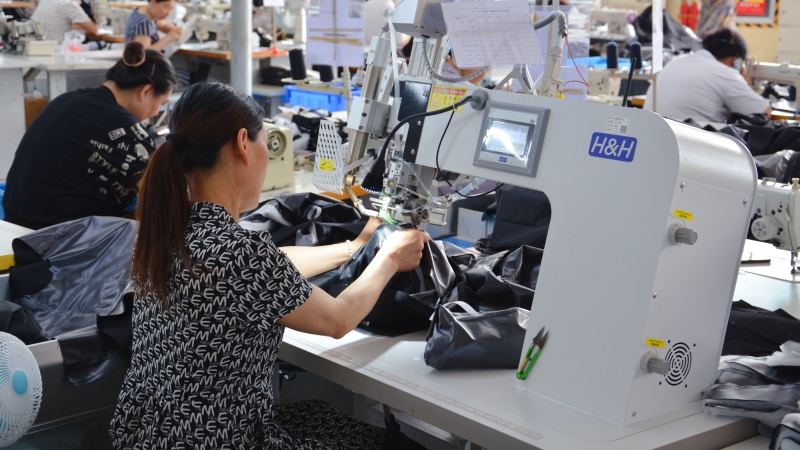
Waterproof performance is a core requirement in fishing wear. Buyers should evaluate whether a manufacturer has in-house seam sealing capabilities and experience working with laminated fabrics. Proper seam tape application, pressure control, and temperature management are essential to maintain waterproof ratings.
Equally important is breathability. A fishing wear manufacturer should know how to balance moisture vapor transmission with water resistance, ensuring comfort during long periods of physical activity.
Pattern Design and Ergonomic Fit
Fishing involves repetitive arm movements, bending, and prolonged wear. Poor pattern design can restrict movement or cause fatigue. An experienced fishing wear manufacturer will develop ergonomic patterns that allow natural motion while maintaining protection.
Look for manufacturers with in-house pattern making teams who can adjust fits for different markets, body types, and layering systems.

How to Evaluate Manufacturing Facilities and Capacity
Integrated Production vs Outsourced Processes
Integrated production offers better quality control and consistency. A fishing wear manufacturer with in-house cutting, sewing, and finishing processes can more effectively manage technical garments. Excessive outsourcing increases the risk of quality variation, especially for waterproof and insulated products.
Bowins, for example, operates integrated production facilities across China and Cambodia, allowing centralized quality standards while supporting flexible production volumes.
Equipment, Automation, and Quality Consistency
Advanced equipment directly impacts garment quality. Automated cutting systems improve fabric utilization and precision, while CNC sewing equipment supports complex constructions. Seam sealing machines, testing tools, and inspection systems are essential for fishing wear manufacturing.
Buyers should ask about quality control checkpoints, from fabric inspection to final garment testing, to ensure consistent output across production batches.
Production Scale and Lead Time Reliability
A reliable fishing wear manufacturer should be able to support both development-stage orders and scaled production. This includes stable lead times, material sourcing capability, and workforce capacity to handle seasonal demand fluctuations.
Understanding a supplier’s production calendar and capacity planning approach helps buyers avoid delays during peak seasons.
What Materials and Technologies Are Used in Fishing Wear?
Waterproof Membranes and Seam Sealing
Fishing wear commonly uses 2-layer or 3-layer laminated fabrics combined with seam sealing technology. Manufacturers should be familiar with different membrane types and their performance trade-offs, such as durability versus softness.
Seam sealing quality often determines whether a garment performs in real conditions. Poorly applied tape can peel or leak, reducing garment lifespan.
UV Protection and Quick-Dry Fabrics
In warm climates, UV-protection fishing wear is a major category. Manufacturers should understand UPF-rated fabrics, yarn structures, and finishing techniques that maintain sun protection after repeated washing.
Quick-dry and moisture-wicking finishes are also critical for comfort, especially for fishing shirts and lightweight fishing wear designed for summer use.
Insulation and Cold-Weather Solutions
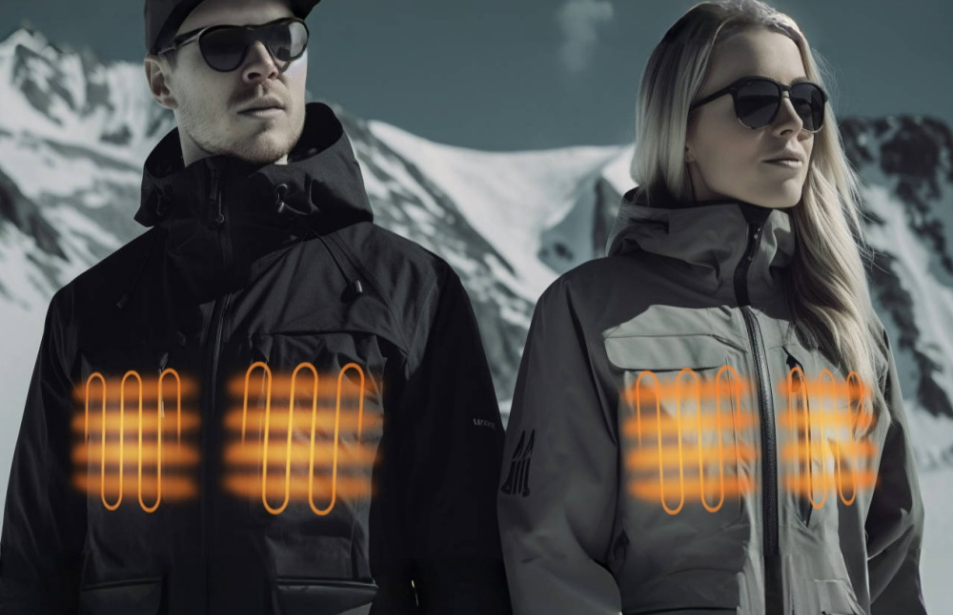
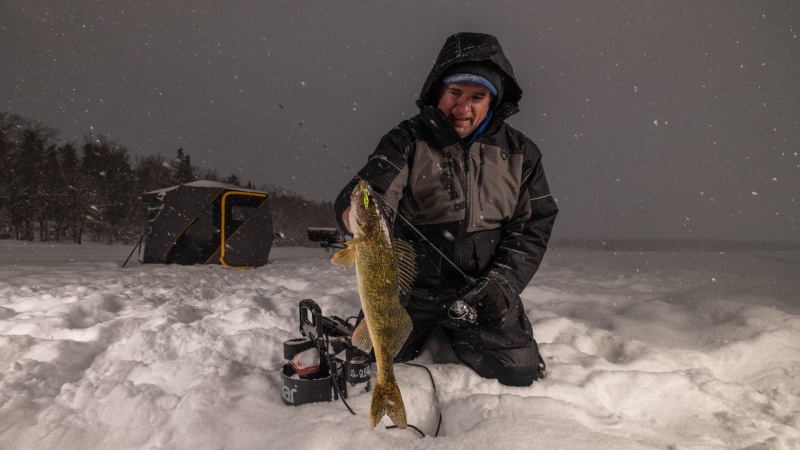
For cold-water or offshore fishing, insulated fishing wear is essential. A capable fishing wear manufacturer can integrate synthetic insulation, quilted linings, or optional heating technologies while maintaining waterproof integrity.
Material selection must balance warmth, weight, and flexibility, particularly for long working hours in cold environments.
OEM and ODM Support for Fishing Wear Brands
Custom Design and Product Development
OEM and ODM services allow brands to differentiate their fishing wear collections. A qualified fishing wear manufacturer should support design development, from concept sketches to functional prototyping.
ODM capability is particularly valuable for brands seeking faster market entry, as manufacturers can propose proven designs and adapt them to brand requirements.
MOQ Flexibility and Sampling Process
Minimum order quantity is a common concern for buyers. Experienced fishing wear manufacturers often offer flexible MOQs depending on fabric selection and customization level. A transparent sampling process, including fit samples and performance testing, helps reduce development risk.
Clear communication during sampling ensures expectations are aligned before bulk production.
Branding, Labeling, and Packaging Options
Fishing wear branding goes beyond logos. Manufacturers should support woven labels, heat transfers, hangtags, and packaging that align with brand positioning and market standards. Attention to these details enhances perceived product value.
How Bowins Supports Global Fishing Wear Brands
Bowins is an OEM/ODM manufacturer specializing in functional fishing wear and other technical apparel categories. With an integrated production network and over a decade of experience, Bowins supports international brands across North America, Europe, and Oceania.
From fabric selection and pattern development to bulk manufacturing and quality control, Bowins provides end-to-end fishing wear manufacturing solutions. Our technical expertise, stable quality standards, and responsive service help brands bring reliable fishing wear products to market efficiently.

Frequently Asked Questions About Fishing Wear Manufacturing
What should buyers look for in a fishing wear manufacturer?
Buyers should focus on technical expertise, waterproof construction capability, quality control systems, and experience in functional apparel rather than general clothing.
Can fishing wear be customized for different markets?
Yes. Professional fishing wear manufacturers support customization in fit, materials, performance features, and branding to meet regional and application-specific needs.
What is the typical MOQ for fishing wear OEM production?
MOQ varies based on fabric type and customization. Many manufacturers offer flexible MOQs for long-term partnerships or new product development.
How long does fishing wear production usually take?
Lead times depend on design complexity and order volume, but experienced manufacturers provide clear timelines from sampling to bulk delivery.
Final Checklist for Choosing a Fishing Wear Manufacturer
Before making a decision, buyers should confirm that the fishing wear manufacturer offers:
Proven experience in functional and waterproof apparel
Integrated production and quality control
Technical material and construction knowledge
OEM/ODM development support
Reliable lead times and communication
Selecting the right fishing wear manufacturer is a strategic investment. With the right partner, brands can deliver durable, high-performance fishing wear that meets market expectations and supports long-term growth.
For buyers seeking a reliable OEM/ODM partner with technical expertise in fishing wear manufacturing, Bowins offers professional support from development to production. Contact Bowins to discuss your fishing wear requirements and manufacturing strategy.
 Francés
 Español
 Русский
 German
 Português
 Swedish
 Italian
 العربية
 Japanese