 Francés
 Español
 Русский
 German
 Português
 Swedish
 Italian
 العربية
 Japanese



How to Choose Fishing Clothing Brands: A Comprehensive Guide for International Buyers
In the global outdoor apparel market, Fishing Clothing has emerged as a specialized segment with robust growth driven by participation in recreational fishing, competitive angling events, and commercial marine operations. This article provides an in-depth analysis of how international buyers can evaluate and select the right fishing clothing brands—balancing performance, quality, technology, supply chain reliability, and commercial value.
We cover global industry context, market dynamics, product technical parameters, fishing gear trends, and procurement preferences to support high-confidence sourcing decisions.
Global Fishing Clothing Industry: Market Overview and Growth Drivers
Market Size and Growth Trajectory
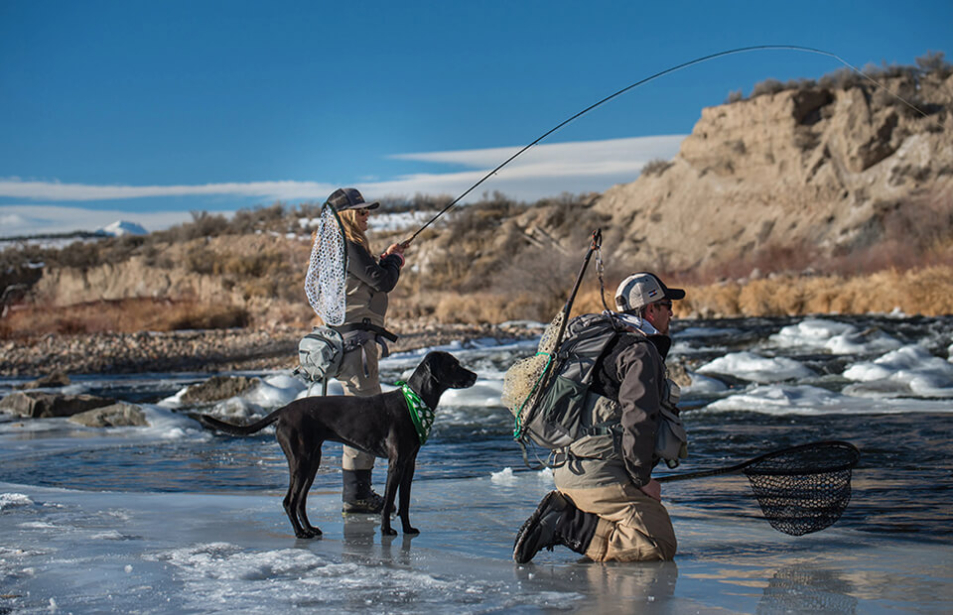
The global fishing clothing market has expanded steadily, outperforming general outdoor apparel segments with a compound annual growth rate (CAGR) estimated at 6–8% over the past five years. This expansion reflects broader participation in freshwater and saltwater fishing, increased leisure spending, and rising demand for specialized high-performance fishing gear in North America, Europe, and Asia Pacific.
Key market drivers include:
Rising Recreational Fishing Participation: An increase in outdoor leisure activities has fueled demand for waterproof fishing jacket and breathable apparel solutions.
Technological Innovation: Integration of advanced materials for UV protection, moisture wicking, and insect repellence.
Global Tourism and Adventure Sports: International travel trends contribute to seasonal peaks in fishing clothing manufacturers’ output and orders.
According to industry research, the outdoor performance apparel market—including fishing clothing—was valued at over USD 20 billion in 2024, with fishing-specific apparel representing a fast-growing sub-segment due to technical differentiation and premium pricing.Key Considerations When Evaluating Fishing Clothing Brands
Selecting a fishing clothing brand necessitates a structured evaluation across technical performance, product range, certification, supply chain resilience, and cost-benefit alignment.
Technical Performance and Material Specifications
At the core of fishing clothing is the material science underpinning product performance. International buyers should assess:
Waterproofing and Breathability: Measured by hydrostatic head and moisture vapor transmission rate (MVTR). Premium waterproof fishing jacket may achieve ≥ 10,000 mm waterproof rating and ≥ 10,000 g/m²/24h breathability.
UV Protection: UPF 30+ or higher is critical for prolonged sun exposure. UV protection fishing shirts are increasingly standard across premium brands.
Durability and Abrasion Resistance: Reinforced panels and rip-stop fabrics extend service life, especially for saltwater environments.
Comfort and Fit: Ergonomic designs allow full range of motion; articulated knees and gusseted shoulders are performance differentiators.
Evaluating these parameters ensures that products meet or exceed buyer expectations for performance and safety.
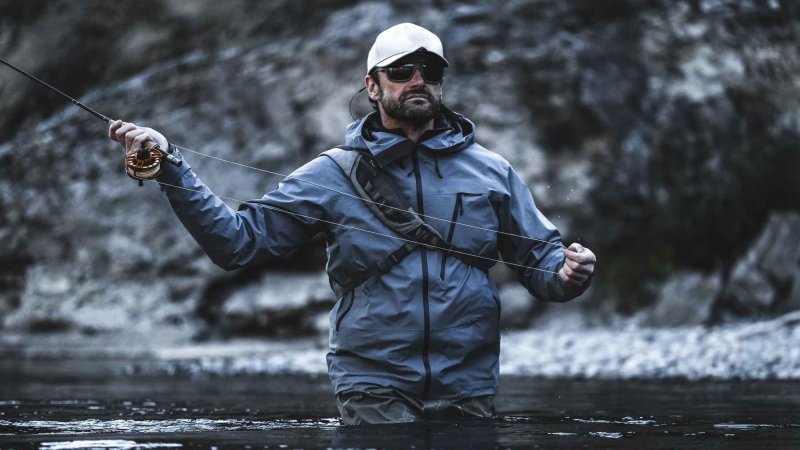
Product Structure: From Core Apparel to Specialty Solutions
A typical fishing clothing portfolio includes multiple categories, each addressing specific environmental and functional requirements:
Core Apparel Segments
Fishing Shirts: Breathable, UV-protective, quick-dry fabrics tailored for warm weather angling.
Fishing Pants and Shorts: Durable, moisture-wicking lower body protection with articulated construction.
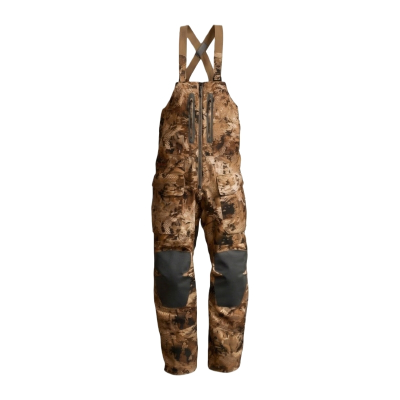
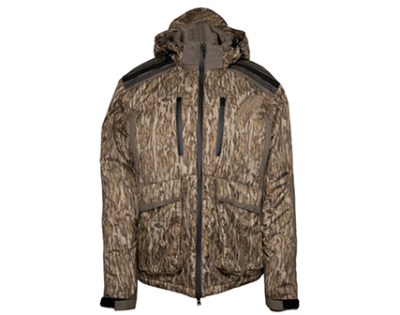
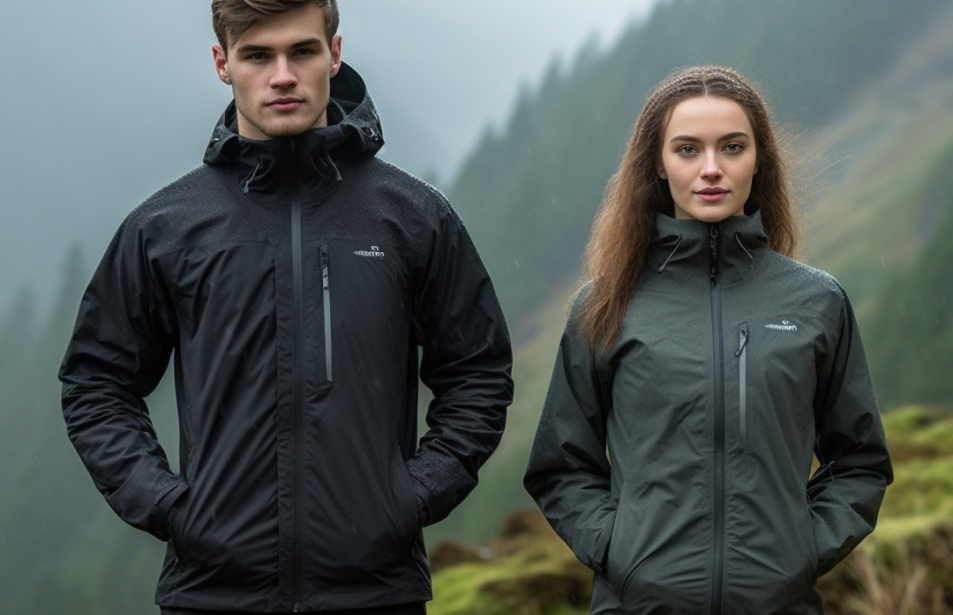
Waterproof Outerwear: Waterproof fishing jacket and bibs with sealed seams and storm flaps for inclement conditions.
Insulated Layers: Fleece and thermal mid-layers for cold-weather excursions.
Accessories: Gloves, neck gaiters, and hats with specialized coatings (e.g., insect repellent, UPF).
Each category requires distinct manufacturing processes and material selections, which influence brand positioning and production cost.
Manufacturing Process and Quality Assurance
Understanding the manufacturing process is vital for buyers who prioritize consistency and reliability.
Material Sourcing
Top brands source performance textiles from specialized mills capable of delivering:
High-tenacity nylon or polyester with durable water repellent (DWR) finishes.
Laminated membranes for waterproof/breathable constructions.
UV-treated fabrics certified for sun protection.
Cutting, Assembly, and Seam Sealing
Precision in cutting and assembly ensures fit consistency and minimization of defects. Fishing clothing manufacturers often employ:
Computer-aided design (CAD) and cutting systems.
Multi-needle bar tacking for reinforcement.
Seam sealing tapes and heat-bonding for waterproof integrity.
Inspection and Certification
Leading brands integrate rigorous quality assurance (QA) protocols, including:
Material performance testing (water column, tensile strength).
Garment fit and function trials.
Compliance with ISO or equivalent IEC performance standards where applicable.
This focus on technical QA supports durability and performance claims essential for global B2B credibility.
Global Brand Evaluation Framework
To assess fishing clothing brands, international buyers should consider a multi-dimensional framework:
1. Performance Benchmarking
Aggregate technical specifications across product categories:
| Category | Key Metric | Benchmark |
|---|---|---|
| Waterproof Outerwear | Hydrostatic Head | ≥ 10,000 mm |
| Breathable Shirts | MVTR | ≥ 10,000 g/m²/24h |
| UV Protective Apparel | UPF Rating | ≥ 30 |
| Durability | Abrasion Testing | ≥ 10,000 cycles |
Brands that transparently publish these metrics demonstrate commitment to performance.
2. Product Range and Innovation
A broad, evolving product range signals a brand’s investment in R&D:
Seasonal collections addressing regional climate variations.
Innovation in sustainable materials (recycled fibers, eco-coatings).
Integration of smart textiles (odor control, thermoregulation).
Consistent product innovation sets premium fishing clothing brands apart from commoditized offerings.
3. Supply Chain and Compliance
International buyers must evaluate:
Production Capacity and Lead Times: Ability to scale with seasonal demand.
Certifications: OEKO-TEX, Bluesign, and environmental compliance.
Logistics Infrastructure: Proximity to key ports and reliable freight partnerships.
A resilient supply chain mitigates risks associated with global sourcing.
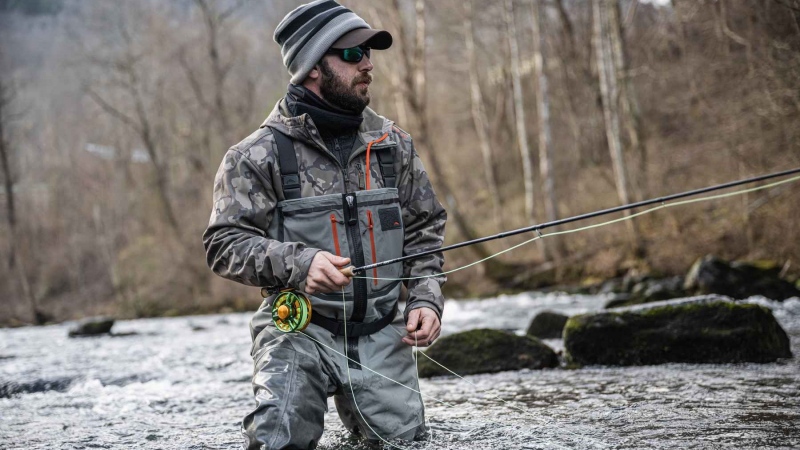
Buyer Preferences, Pain Points, and Procurement Strategies
Procurement Priorities
International buyers typically prioritize:
Product Performance: Verified by test reports and samples.
Competitive Pricing: Total landed cost versus quality balance.
Supplier Transparency: Traceability of materials and manufacturing.
Common Pain Points
Buyers often encounter:
Inconsistent Sizing: Lack of standardized size charts across regions.
Quality Variability: Differing performance from sample to bulk orders.
Communication Delays: Language or time zone challenges with overseas suppliers.
Mitigation Measures
To address these challenges:
Request pre-production samples and independent lab test reports.
Define clear technical specifications and tolerances in contracts.
Establish shared digital communication platforms for real-time updates.
Bowins: A Case Study in Fishing Clothing Brand Differentiation
As an example of best-in-class fishing clothing, Bowins demonstrates critical success factors international buyers should seek:
Comprehensive product range from waterproof fishing jacket to UV protective shirts.
Clear documentation of technical parameters (waterproof ratings, breathability).
Integrated quality assurance processes aligned with global performance standards.
Responsive supply chain supporting custom design and bulk orders.
By aligning procurement criteria with Bowins’ approach, buyers can benchmark other brands effectively.
Future Trends in Fishing Clothing
Several macro trends will shape the fishing clothing market:
Sustainability and Eco-Innovation
Increasing adoption of recycled textiles.
Eco-friendly finishes replacing traditional DWR coatings reliant on per- and polyfluoroalkyl substances (PFAS).
Smart Apparel Integration
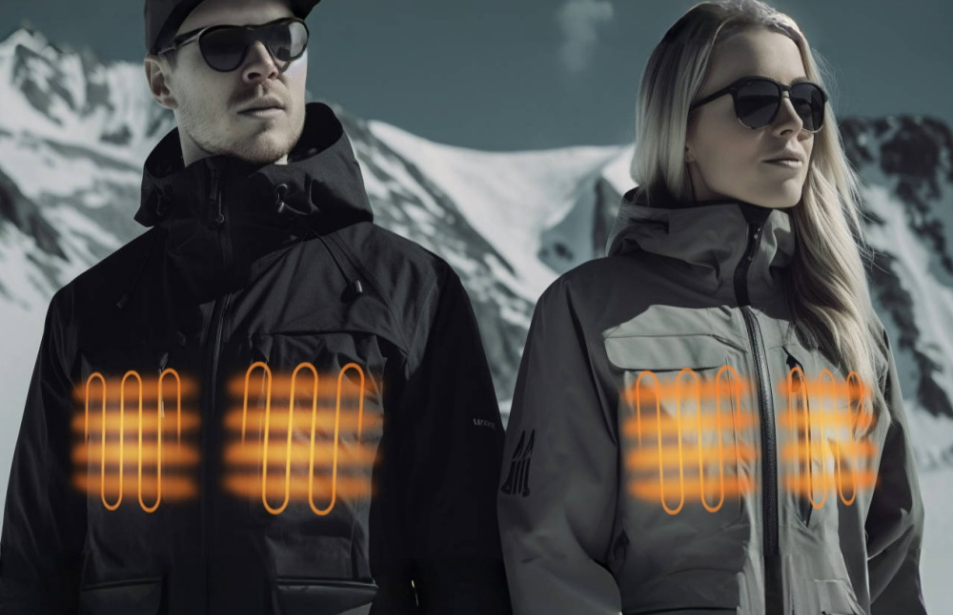
Sensors and smart materials enabling temperature modulation.
Data-driven performance insights for extreme environments.
Customization and Personalization
Tailored fit options for professional teams.
Co-branding opportunities for retail partners.
Buyers who incorporate these trends into sourcing strategies can gain competitive advantage.
Conclusion and Actionable Next Steps
Choosing the right fishing clothing brand involves rigorous evaluation across material performance, technical specifications, supply reliability, and innovation potential. By leveraging the frameworks and data presented here, international buyers can make informed decisions that reduce risk and enhance product value.
Next Steps for Buyers:
Request detailed technical specifications and test reports from shortlisted brands.
Obtain pre-production samples for hands-on evaluation.
Engage with suppliers on customization, MOQ, and lead times.
To explore tailored fishing clothing solutions, request a quote, technical datasheet, or product samples from Bowins today.
B2B FAQs
Q1: What should I prioritize when comparing fishing clothing brands?
Prioritize verified technical performance (waterproofing, breathability, UPF protection), material quality, and documented testing standards to ensure product consistency and durability.
Q2: How can I verify the quality claims of a fishing clothing manufacturer?
Request independent lab test reports, third-party certifications, and pre-production samples; also check for compliance with recognized industry standards such as ISO performance metrics.
Q3: What minimum order quantities (MOQs) are typical for custom fishing apparel?
MOQs vary widely by supplier and customization level; established brands like Bowins often support tiered MOQs aligned with buyer requirements, balancing cost with production efficiency.
Q4: How can buyers mitigate sizing inconsistency across international markets?
Use standardized size charts with body measurements in various units (cm/inches), conduct sample fittings, and agree on grading rules in advance to ensure fit accuracy across regions.