 Francés
 Español
 Русский
 German
 Português
 Swedish
 Italian
 العربية
 Japanese


How to Choose Heated Clothing for Outdoor Work?
Industry Background
Heated clothing has become an important segment within functional workwear as outdoor labor increasingly faces extreme and unstable cold conditions. Global demand is rising across construction, energy, logistics, and hunting-related industries, particularly in North America and Europe. For brands and importers, heated clothing is now viewed as a performance-driven product rather than a seasonal accessory.
Why Heated Clothing Matters for Outdoor Work Applications
For outdoor work environments, traditional insulation alone often fails to provide consistent thermal comfort during long exposure to low temperatures. Heated clothing addresses this gap by actively regulating body warmth, helping workers maintain focus, mobility, and productivity.
From a commercial perspective, well-designed heated clothing reduces cold-related fatigue, lowers injury risks, and improves overall work efficiency—key considerations for professional buyers and workwear brands.
Key Performance Criteria for Outdoor Heated Clothing
Heating Stability and Temperature Control
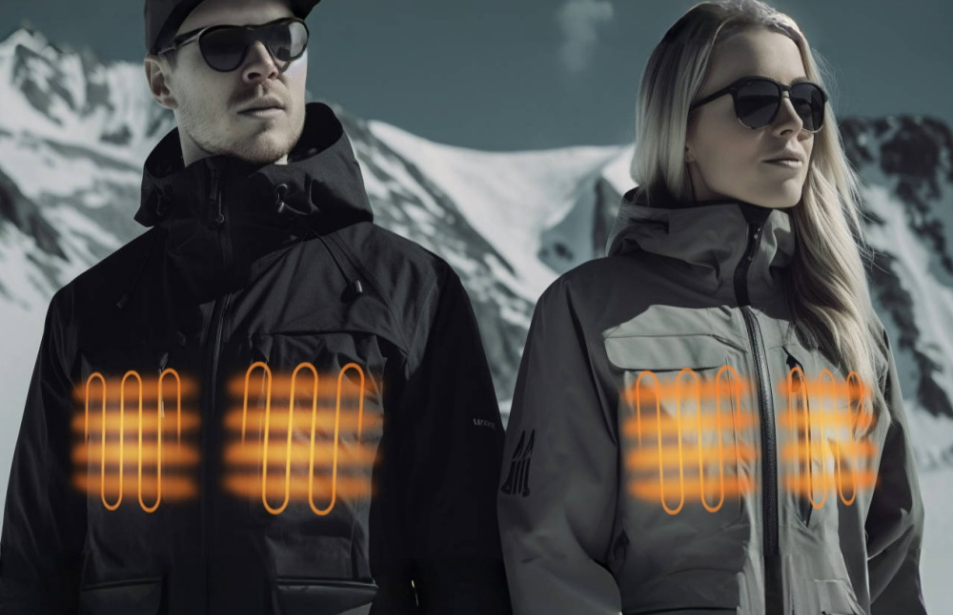
For professional use, heating consistency is more important than peak temperature. Reliable heated clothing should deliver even heat distribution across core body zones, avoiding localized overheating or cold spots.
Multi-level temperature control allows workers to adjust warmth based on activity intensity and weather conditions, optimizing comfort while conserving battery power.
Battery Endurance for Long Working Hours
Outdoor work typically requires extended operation times. Heated clothing designed for this purpose should support:
Long battery life suitable for full work shifts
Stable power output under low temperatures
Safe battery protection systems
For B2B buyers, battery safety and compliance are essential factors influencing sourcing decisions.
Fabric Durability and Environmental Protection
Heated clothing for outdoor work must combine heating systems with robust garment construction. Key fabric requirements include:
Windproof and waterproof performance
Breathability for moisture control
Abrasion resistance for harsh environments
At BOWINS, heating components are integrated without compromising garment structure, ensuring durability under real working conditions.
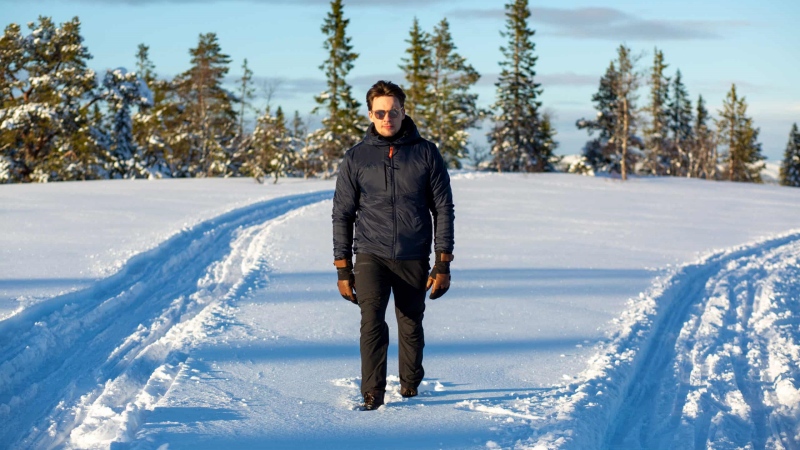
Heated Clothing Design Considerations for Brands and Importers
Ergonomic Pattern and Fit
Poor pattern design can limit mobility and reduce comfort, especially when heating elements are involved. Professional heated clothing should maintain flexibility and natural movement, even with integrated heating zones and battery compartments.
System Integration and Wash Durability
One of the biggest concerns for buyers is long-term reliability. Heating systems must be securely embedded and protected to withstand repeated use and washing cycles, a critical requirement for workwear and outdoor apparel markets.
Market Trends Influencing Heated Clothing Development
Growth in Professional and Industrial Use
While consumer demand remains strong, the fastest growth is occurring in professional applications. Workwear brands increasingly request heated clothing solutions adapted for:
Construction and infrastructure projects
Energy and utility maintenance
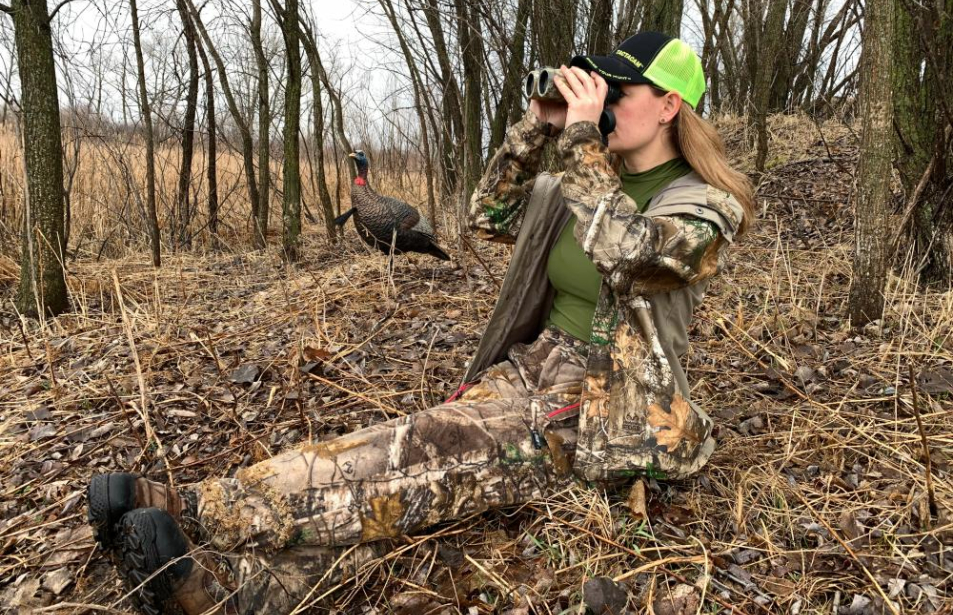
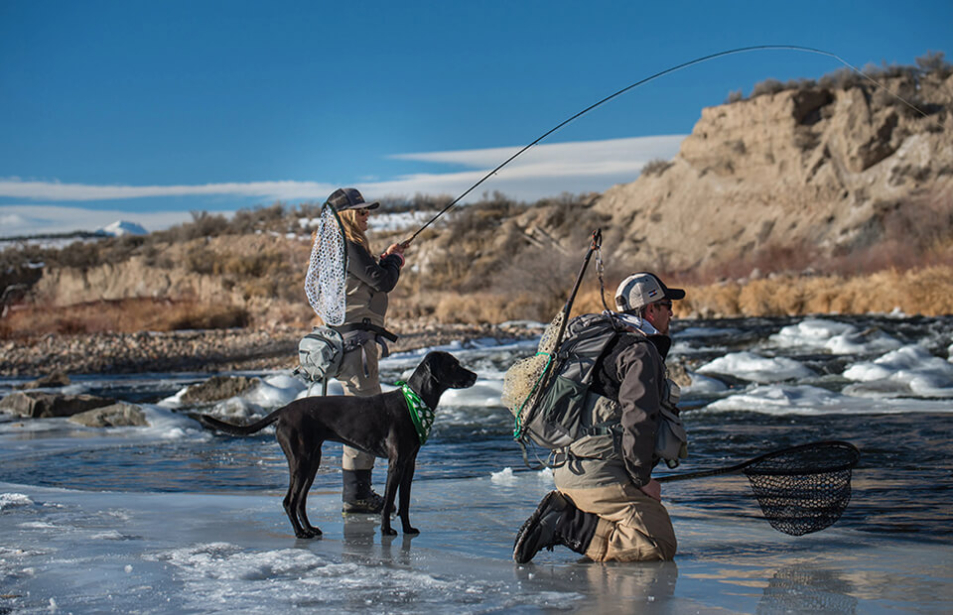
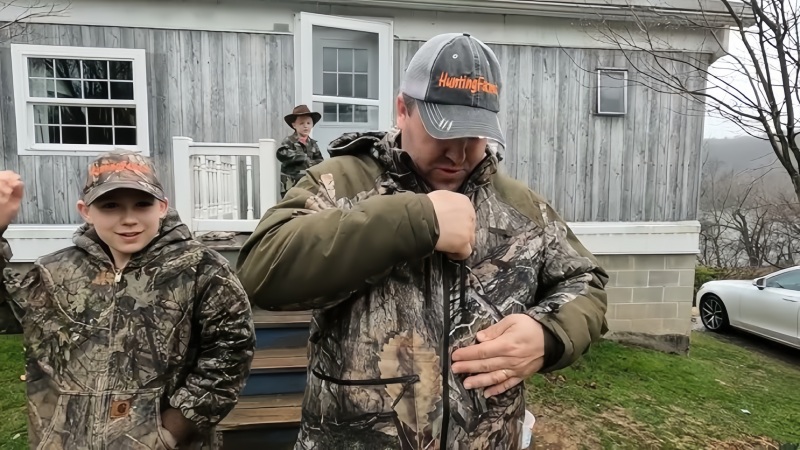
Forestry, agriculture, and hunting operations
Cold-chain logistics and outdoor patrols
This shift has increased demand for OEM and ODM heated clothing tailored to specific working environments.
Focus on Energy Efficiency and Product Lifespan
Buyers are placing greater emphasis on energy-efficient heating systems and durable garment construction. Products that deliver longer service life and lower replacement rates are more attractive in B2B procurement.

Manufacturing and OEM Considerations for Heated Clothing
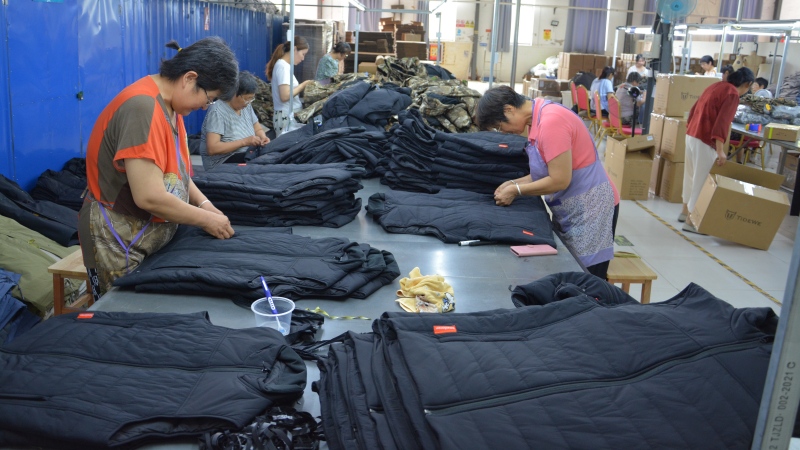
OEM/ODM Capability and Production Control
Heated clothing requires coordination between textile engineering and electronic integration. Reliable OEM partners should offer:
In-house design and pattern development
Heating system integration experience
Controlled production workflows
Scalable manufacturing capacity
BOWINS has supported international functional apparel brands since 2007, delivering heated clothing solutions aligned with professional market requirements.
Quality Control Across Textile and Heating Components
Effective quality control typically includes:
Heating performance testing
Battery and connector inspection
Wash and wear durability tests
Final garment quality verification
These processes help ensure consistent performance across production batches.
Typical Outdoor Work Applications
Heated clothing is widely adopted in:
Cold-weather construction sites
Outdoor equipment maintenance
Hunting and field-based work
Logistics and cold-storage operations
Outdoor security and service roles
These applications demand reliable warmth without restricting movement or safety.
FAQ: Common Buyer Questions About Heated Clothing
Is Heated Clothing Suitable for Long Outdoor Shifts?
Yes. Properly designed heated clothing supports extended wear through stable heating output and efficient battery management.
Can Heated Clothing Be Customized for Workwear Brands?
OEM manufacturers can customize heating zones, fabrics, fit, and branding to meet specific workwear positioning.
How Important Is Certification for Heated Clothing?
Certification is critical for market access and risk control, particularly in North America and Europe.
What Affects the Lifespan of Heated Clothing?
Material quality, heating system integration, and production standards all directly influence product longevity.
Conclusion
Choosing heated clothing for outdoor work requires a balance of heating performance, garment durability, and manufacturing reliability. For brands and importers, partnering with an experienced OEM/ODM manufacturer helps ensure products meet professional standards while remaining scalable and compliant.