 Francés
 Español
 Русский
 German
 Português
 Swedish
 Italian
 العربية
 Japanese
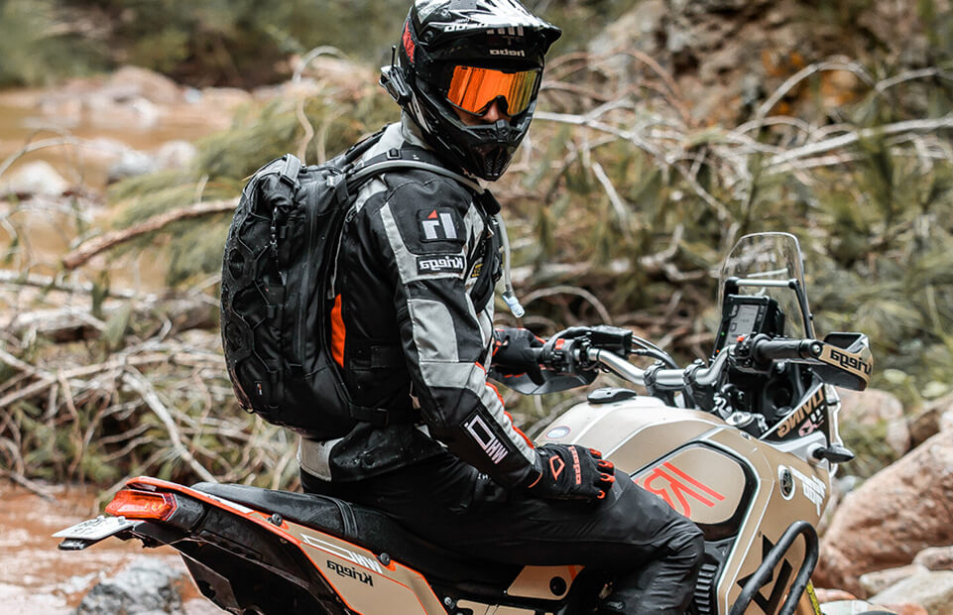
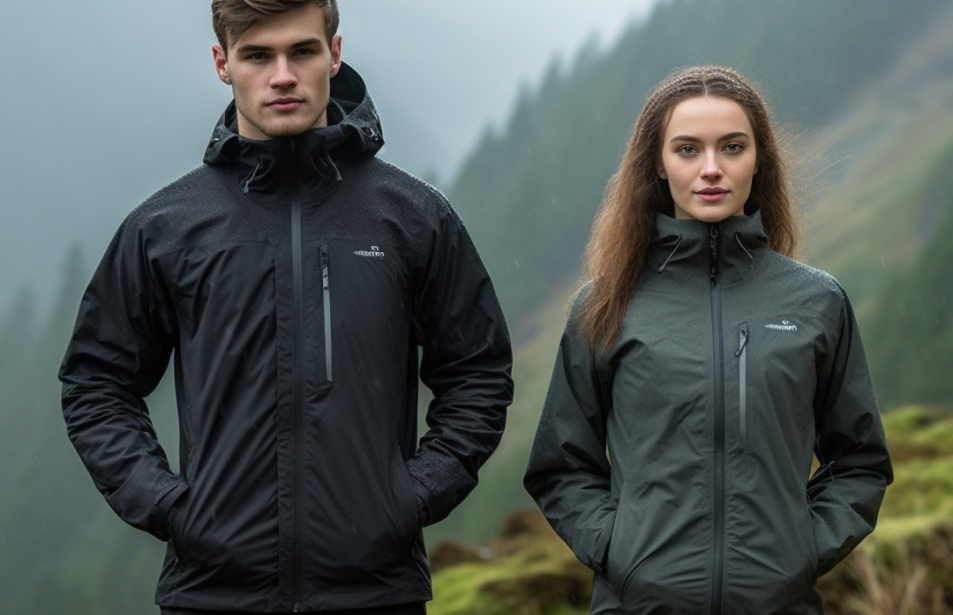



What Is Fishing Clothing and Why Is It Important?
Fishing clothing has evolved far beyond basic outdoor wear. In today’s global fishing industry—ranging from recreational angling to professional offshore operations—fishing clothing is a specialized category of functional apparel designed to protect, enhance performance, and ensure comfort in demanding environments.
For international brands and importers, understanding what fishing clothing is and why it matters is essential for product positioning, sourcing decisions, and long-term market competitiveness. This article explores the industry background, market trends, key technologies, and manufacturing considerations behind modern fishing clothing.
Understanding Fishing Clothing
What Is Fishing Clothing?
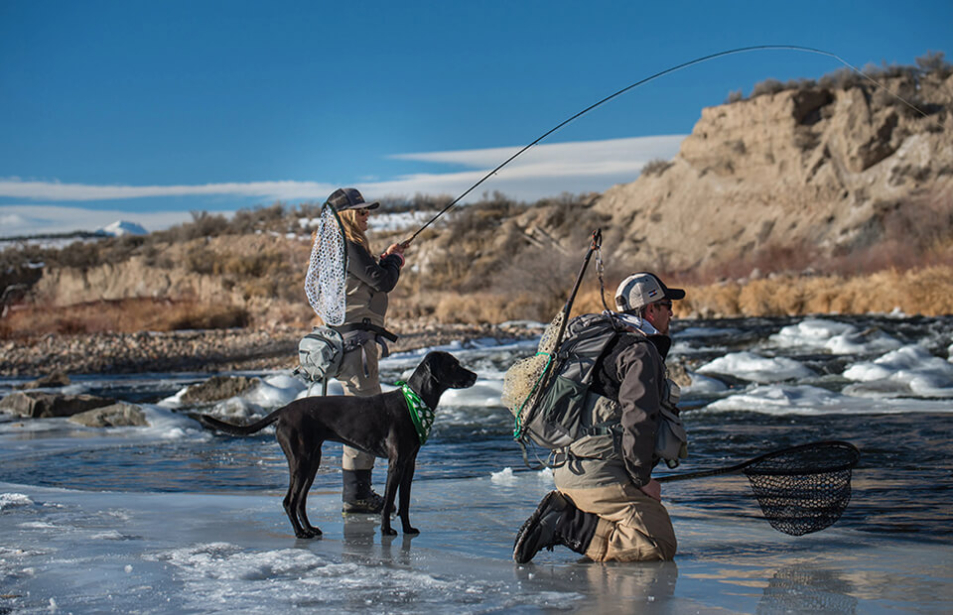
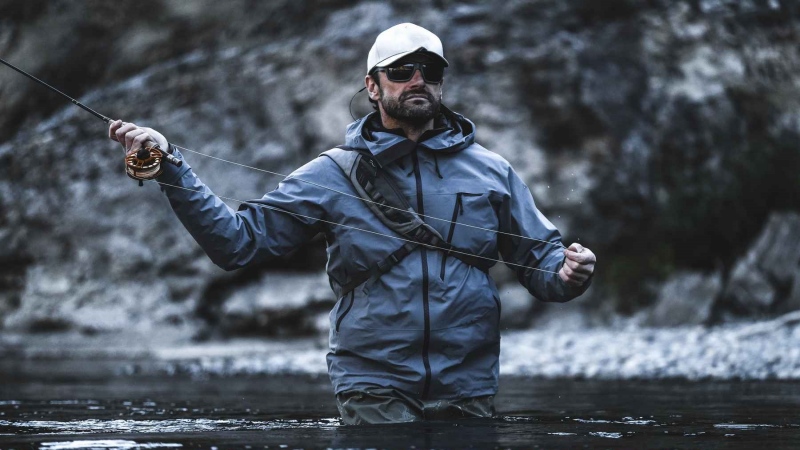
Fishing clothing refers to technical garments specifically designed for fishing activities, including freshwater, saltwater, shore fishing, and offshore fishing. Unlike standard outdoor apparel, fishing clothing is engineered to address prolonged exposure to water, wind, sun, humidity, and physical movement.
Typical fishing clothing includes:
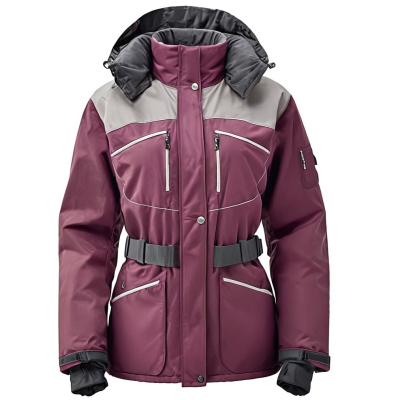
Fishing jackets and pants
Waterproof fishing suits
Breathable fishing shirts
Insulated or heated fishing clothing
UV-protective fishing apparel
High-performance fishing clothing integrates functional materials and construction methods to ensure durability, safety, and comfort throughout long fishing sessions.
Why Fishing Clothing Is Important
Protection in Harsh Environments
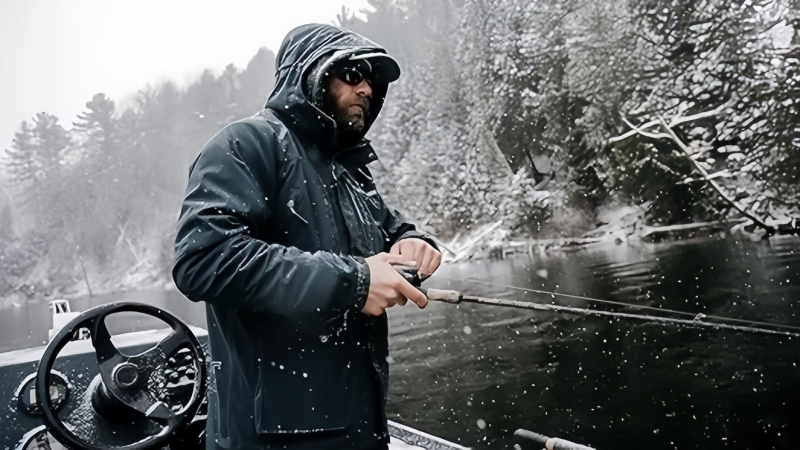
Fishing often takes place in unpredictable environments. Wind, rain, low temperatures, intense sun exposure, and water splashes are constant challenges. Professional fishing clothing provides essential protection through waterproof membranes, windproof layers, thermal insulation, and UV resistance.
Without purpose-built fishing clothing, anglers face reduced performance, fatigue, and potential safety risks.
Comfort and Performance Enhancement
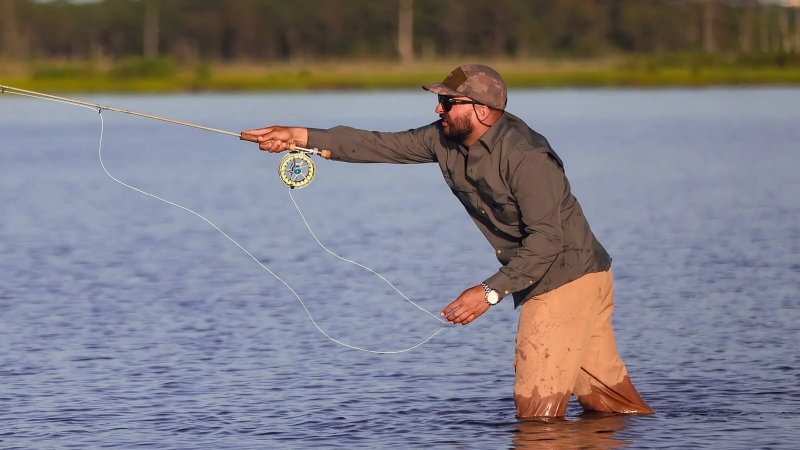
Comfort directly affects endurance. Breathable fishing clothing helps regulate body temperature, while ergonomic pattern design supports unrestricted movement. Quick-dry fabrics and moisture-wicking layers prevent discomfort caused by sweat and water exposure.
For professional users, fishing clothing is not optional—it is performance equipment.
Global Fishing Clothing Market Overview
Market Growth and Demand
The global fishing apparel market has shown steady growth over the past decade. Rising participation in recreational fishing, the expansion of sport fishing tourism, and increased demand for professional-grade equipment are key drivers.
Industry reports indicate that functional outdoor apparel, including fishing clothing, continues to outperform traditional apparel categories due to:
Higher product value
Strong brand loyalty
Demand for innovation
North America, Europe, and Oceania remain core markets, while emerging demand is growing in Eastern Europe and Asia-Pacific regions.
B2B Buyer Expectations
International buyers today expect fishing clothing manufacturers to deliver:
Stable quality and consistent sizing
Advanced functional materials
OEM/ODM development capability
Compliance with international standards
Reliable lead times and scalable production
Key Features of High-Quality Fishing Clothing
Waterproof and Breathable Technology
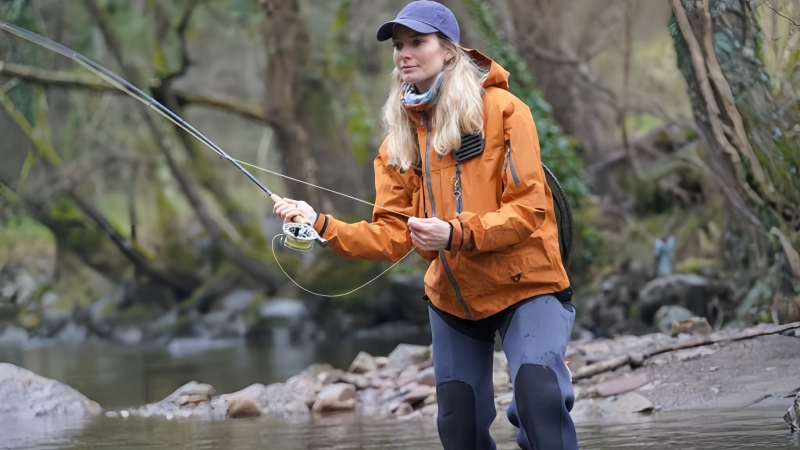
Waterproof fishing clothing typically uses laminated or coated fabrics combined with seam-sealing technology. Breathability is equally critical, allowing moisture vapor to escape while blocking external water.
Modern fishing clothing balances:
Waterproof ratings
Breathability performance
Lightweight comfort
Thermal and Heating Solutions
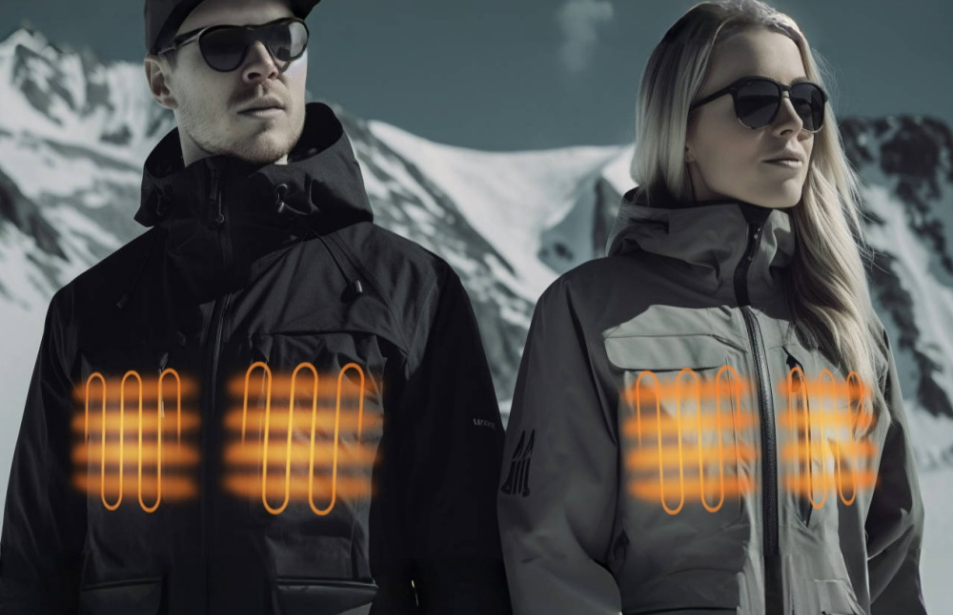
For cold-water and winter fishing, insulated and heated fishing clothing has become increasingly popular. Integrated heating systems, battery-powered panels, and advanced insulation materials improve thermal efficiency without adding excessive bulk.
UV Protection and Durability
Long hours under direct sunlight make UV protection a core requirement. Many fishing clothing products now feature UPF-rated fabrics, while reinforced panels improve abrasion resistance in high-wear areas.
Fishing Clothing Manufacturing: From Design to Production
Technical Design and Development
Professional fishing clothing starts with technical design. Functional pattern making ensures ergonomic fit, while material selection determines performance outcomes.
At BOWINS, fishing clothing development integrates:
Functional garment research
Pattern engineering
Sampling and wear testing
Continuous improvement based on market feedback
Advanced Production Processes
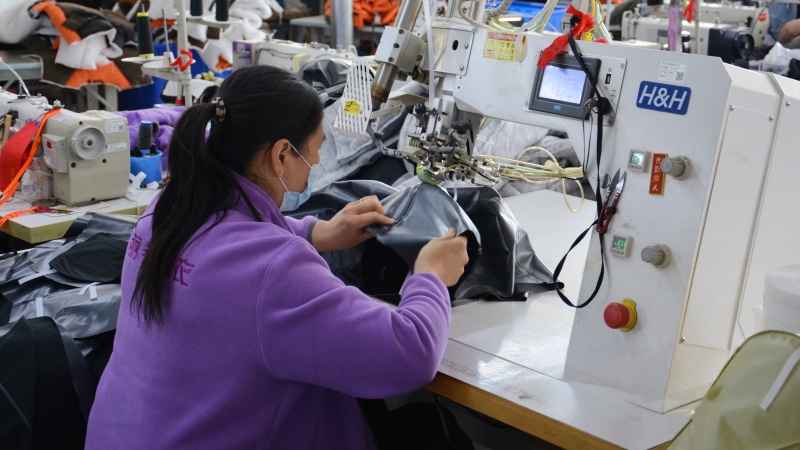
Modern fishing clothing manufacturing relies on automation and precision. Technologies such as CNC template sewing, laser cutting, and automated fabric spreading improve consistency and efficiency.
In-house quality control systems ensure every fishing clothing product meets technical and visual standards before shipment.
Industry Trends Shaping Fishing Clothing
Multi-Functional Apparel
Fishing clothing is increasingly designed for multi-use scenarios, allowing consumers to wear the same garments for fishing, hiking, or other outdoor activities. This trend favors minimalist design combined with technical performance.
Sustainability and Material Innovation
Global brands are placing greater emphasis on environmentally responsible materials. Recycled fabrics, durable constructions, and longer product life cycles are becoming important selling points in fishing clothing.
Customization and Brand Differentiation
OEM and ODM fishing clothing projects now emphasize unique design elements, proprietary fabric combinations, and functional differentiation to support brand identity.
Why Professional Brands Choose Specialized Manufacturers
Fishing clothing requires deep technical expertise. Brands increasingly rely on experienced OEM/ODM partners who understand functional apparel, not just garment assembly.
BOWINS supports international fishing clothing brands by offering:
Integrated design and manufacturing
Stable quality across large-scale orders
Flexible production in China and Cambodia
Experience serving high-performance markets
This partnership-driven approach allows brands to focus on marketing and distribution while ensuring product reliability.
Frequently Asked Questions (FAQ)
1. What makes fishing clothing different from regular outdoor clothing?
Fishing clothing is specifically designed to handle prolonged water exposure, wind, and sun, with features such as waterproof construction, UV protection, and fishing-oriented ergonomics.
2. Is waterproof fishing clothing always breathable?
High-quality fishing clothing combines waterproof membranes with breathable structures. Poor-quality products may block airflow, but professional fishing clothing balances both.
3. Can fishing clothing be customized for brands?
Yes. OEM and ODM fishing clothing allows brands to customize fabrics, colors, patterns, functional features, and branding elements.
4. What should buyers look for in a fishing clothing manufacturer?
Key factors include technical capability, quality control systems, experience with functional apparel, production capacity, and long-term reliability.
Conclusion: The Strategic Value of Fishing Clothing
Fishing clothing plays a critical role in safety, comfort, and performance across recreational and professional fishing markets. As consumer expectations rise, brands must prioritize technical functionality, reliable manufacturing, and continuous innovation.
By working with experienced functional apparel manufacturers like BOWINS, international buyers gain access to advanced production capabilities, stable quality, and the expertise required to succeed in competitive global markets.
In an industry where performance matters, fishing clothing is not just apparel—it is essential equipment.