
 Francés
 Español
 Русский
 German
 Português
 Swedish
 Italian
 العربية
 Japanese
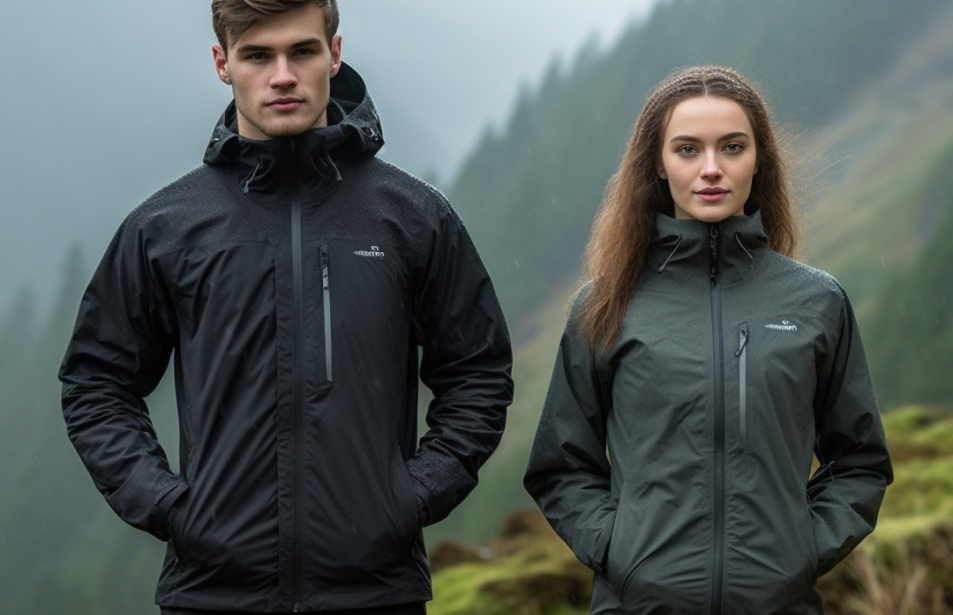


Is it worth buying an expensive ski jacket? A Technical Analysis for B2B Decision-Makers
Global Ski Apparel Market Overview
The global ski apparel market demonstrates remarkable resilience despite climate concerns, with Grand View Research projecting a compound annual growth rate (CAGR) of 4.7% through 2028, reaching a valuation of $3.8 billion. This growth is largely driven by premiumization trends, where consumers increasingly prioritize technical performance over basic functionality. Europe continues to dominate consumption patterns, accounting for 42% of market share, followed by North America at 35%, while the Asia-Pacific region exhibits the most rapid expansion at 7.2% CAGR, fueled by emerging ski destinations in China and South Korea.
Supply chain dynamics reveal increasing consolidation among specialized manufacturers in Vietnam, Bangladesh, and Turkey, regions that collectively produce approximately 65% of technical ski jackets for international brands. According to recent trade data, ODM (Original Design Manufacturing) arrangements now represent 38% of total production volume, a significant increase from 22% five years ago, reflecting brands' growing preference for integrated design and manufacturing partnerships over traditional OEM (Original Equipment Manufacturing) relationships.
Technical Specifications: What Differentiates Premium Ski Jackets
Premium ski jacket manufacturing incorporates sophisticated material engineering and construction techniques that justify substantial price differentials. The industry's technical evolution has shifted from basic waterproofing to comprehensive environmental management systems.
Critical Performance Parameters:
Waterproof Ratings: Premium jackets utilize 3-layer membranes with ratings from 20,000mm to 30,000mm hydrostatic head, while entry-level options typically range from 5,000mm to 10,000mm.
Breathability Standards: Advanced ePTFE membranes achieve moisture vapor transmission rates (MVTR) exceeding 25,000g/m²/24h, compared to 10,000-15,000g/m²/24h for mid-range alternatives.
Durability Metrics: High-end fabrics withstand 50,000+ abrasion cycles (Martindale test), with reinforced areas rated to 100,000+ cycles.
Termal Efficiency: Premium insulation systems provide warmth-to-weight ratios up to 40% superior to standard materials, with fill power ratings from 700 to 900 for down alternatives.
Seam Construction: Fully taped seams with 20-22mm tape width versus partial taping (12-15mm) in budget jackets, utilizing ultrasonic welding for critical stress points.

Material Science and Structural Engineering
Modern ski jacket architecture represents a layered approach to environmental protection and user comfort:
Outer Shell Fabric System:
Face fabric: Nylon 20D-40D ripstop with DWR (Durable Water Repellent) treatment
Membrane: Expanded polytetrafluoroethylene (ePTFE) or polyurethane (PU) laminates
Lining: Micro-tricot or mesh for enhanced moisture management
Insulation Technologies:
Synthetic: PrimaLoft® Gold with Cross Core™ technology (240g/m²)
Natural: 90/10 goose down with RDS certification (800 fill power)
Hybrid systems combining synthetic edges with natural core insulation
Feature Integration:
Ventilation: Laser-cut underarm zippers with water-resistant backing
Pockets: Waterproof YKK® AquaGuard® zippers with internal drainage systems
Hoods: 3D articulated designs with peripheral vision optimization
Cuffs: Dual-adjustment systems with inner gaiters and outer Velcro® tabs
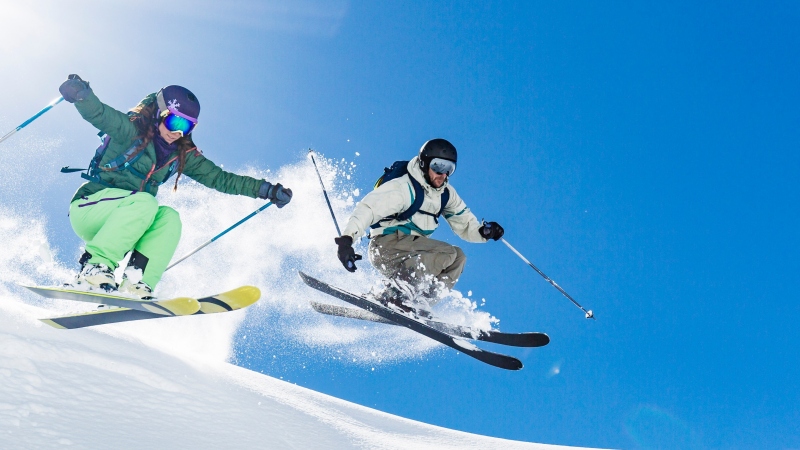
Manufacturing Process: Precision Engineering for Performance
ODM ski jacket production requires sophisticated integration of automated processes and skilled craftsmanship:
Stage 1: Digital Prototyping
3D garment simulation using CLO3D or Browzwear software
Virtual fitting sessions with motion capture analysis
Material consumption optimization with AI-assisted nesting software
Stage 2: Cutting and Preparation
Automated laser cutting systems with ±0.5mm precision
RFID tagging for component tracking through assembly
Batching by color and size for production efficiency
Stage 3: Assembly and Construction
Sequential modular assembly with specialized stations
Seam taping using hot-air seam sealing technology (160-180°C)
Quality checkpoints after each critical operation
Stage 4: Finishing and Quality Control
DWR refresh treatment via spray tunnel application
Individual jacket testing in climate chambers (-20°C to +15°C)
Final inspection against 87-point checklist
International Buyer Preferences and Regional Specifications
European Market Requirements:
Emphasis on sustainability: Recycled material content (minimum 40%)
Alpine-specific features: RECCO® reflector integration mandatory
Fit preferences: Slim technical cut with articulated patterning
Certification demands: bluesign® approved fabrics
North American Market Specifications:
Resort-focused features: Insulated goggle pockets, media ports
Size range: Extended sizing (XS-3XL) with plus-size variations
Retail packaging: Emphasis on in-store presentation elements
Warranty expectations: Minimum 2-year performance guarantee
Asian Market Characteristics:
Urban-ski crossover styling: Fashion-forward colors and silhouettes
Compact packaging requirements for limited retail space
Thermal efficiency prioritization for predominantly cold resort conditions
Brand visibility: Strategic logo placement opportunities
Cost-Benefit Analysis: Premium vs. Entry-Level Manufacturing
Manufacturing Cost Structure Comparison:
| Component | Premium Jacket | Mid-Range Jacket | Cost Differential |
|---|---|---|---|
| Materials | $48-62 | $22-28 | +118-121% |
| Labor | $18-22 | $12-15 | +50-67% |
| Technology | $15-20 | $6-9 | +150-167% |
| Compliance | $8-12 | $3-5 | +167-240% |
| Total | $89-116 | $43-57 | +107-120% |
Performance Differentiation:
Durability: Premium jackets maintain performance for 200+ ski days versus 80-100 days for entry-level
Weather Protection: Significantly extended comfort range (-25°C to +5°C versus -10°C to +5°C)
Warranty Claims: Reduced to 2-3% versus 8-12% for budget alternatives
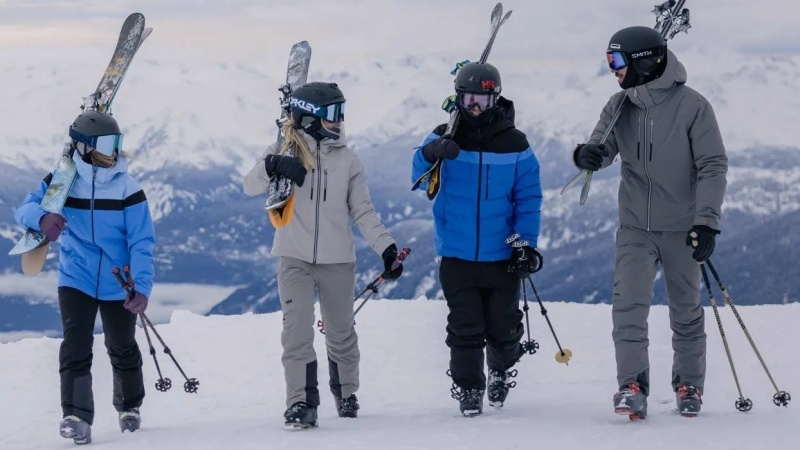
Emerging Trends in ODM Ski Jacket Manufacturing
Sustainable Material Innovation:
Bio-based membranes derived from castor oil polymers
Recyclable mono-material construction (100% polyamide systems)
Carbon footprint tracking integration with blockchain verification
Smart Technology Integration:
Embedded RFID for rental fleet management and theft prevention
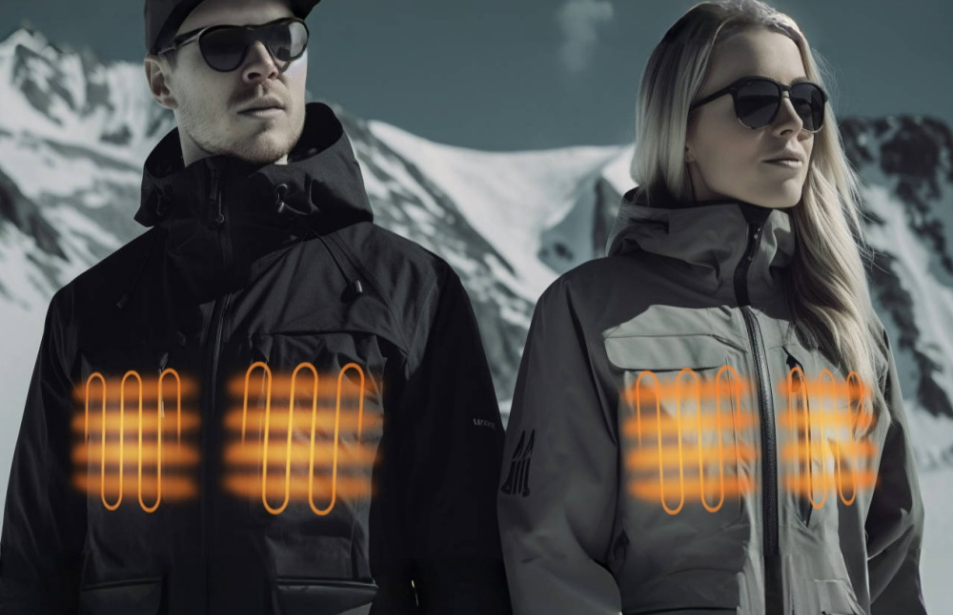
Heating element integration with micro-battery systems
Moisture sensors with companion app connectivity
Customization Platforms:
Digital configurators for small-batch custom orders (MOQ 50 units)
Regionalized design adaptation through parametric modeling
Rapid prototyping with 4-week development cycles
B2B Procurement: Frequently Asked Questions
What is the typical minimum order quantity for ODM ski jacket development?
Standard ODM programs begin at 500 units per style with two-color minimum. For proprietary design development, minimums increase to 1,000 units with applicable development fees. Some manufacturers offer modular platform systems with lower MOQs of 250 units using existing patterns with custom branding.
How do you ensure waterproof performance consistency across production runs?
We implement statistical process control with regular membrane testing (every 500 meters) using ISO 811 compliant equipment. Each production lot undergoes random sample testing (AQL 2.5), with full seam taping verification under 2000Pa pressure for 3 minutes. Digital moisture mapping provides visual confirmation of waterproof integrity.
What sustainability certifications can be provided for European market entry?
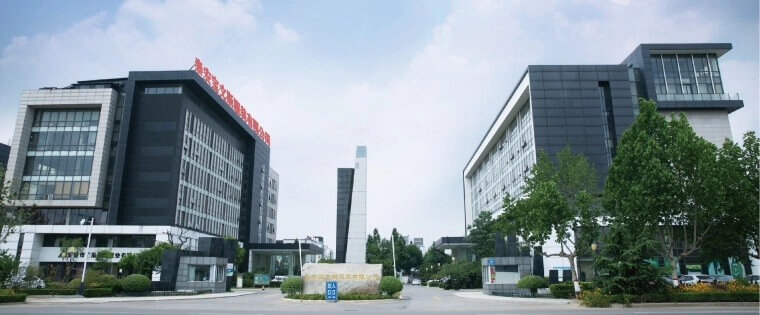
Our manufacturing facilities maintain multiple certifications including bluesign® system partner, Global Recycled Standard (GRS) for recycled content verification, and OEKO-TEX® Standard 100 Class I for infant safety compliance. We can provide full documentation for REACH, PFAS, and ZDHC conformance upon request.
What is the lead time from design confirmation to shipment for ODM orders?
Complete ODM development requires 90-120 days: 30 days for prototyping and fit approval, 45-60 days for material procurement, and 15-30 days for production. For seasonal planning, we recommend initiating development 6 months prior to required delivery dates, with expedited 60-day options available for premium surcharges.


