 Francés
 Español
 Русский
 German
 Português
 Swedish
 Italian
 العربية
 Japanese



What is the best hunting rain jacket?
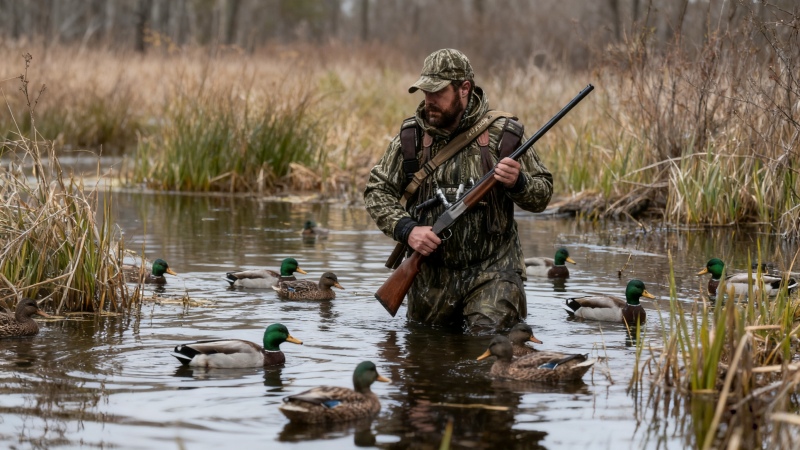
For international B2B buyers, distributors, and outdoor brands, identifying the "best" hunting rain jacket is not a matter of subjective preference, but a complex evaluation of technical performance, market alignment, and supply chain viability. The global market for specialized hunting apparel is projected to grow significantly, driven by increased participation in outdoor activities and a consumer shift towards high-performance, durable gear. Within this sector, the hunting rain jacket serves as the critical outer layer, a product where failure is not an option. The best jacket seamlessly integrates advanced waterproof technology, ecosystem-specific design, and manufacturing excellence to meet the rigorous demands of waterfowl hunters worldwide. This analysis provides a professional framework for sourcing top-tier waterfowl hunting clothing that satisfies end-users and strengthens your supply portfolio.
Defining Performance: Core Technical Specifications
The efficacy of a hunting rain jacket is quantifiable through a set of non-negotiable technical parameters. Understanding these metrics is the first step in differentiating premium products from mediocre ones.
Waterproof and Breathability Standa
The fundamental purpose of a rain jacket is to keep the wearer dry, both from external precipitation and internal perspiration. Performance is measured by two key benchmarks:
Waterproof Rating (Hydrostatic Head): This measures a fabric's resistance to water penetration, expressed in millimeters (mm). A jacket intended for sustained downpours and sitting in wet blinds should have a minimum rating of 10,000mm, with premium models exceeding 20,000mm.
Breathability Rating (MVTR): Measured in grams per square meter over 24 hours (g/m²/24hrs), this indicates how well water vapor from sweat can escape. A rating below 5,000g is inadequate for high-exertion activities; high-performance jackets offer 15,000g to 25,000g. For a hunter traversing marshes, a fully waterproof and highly breathable rain jacket is the cornerstone of all-day comfort and performance.
Fabric and Construction Durability
A jacket's longevity is determined by its material and construction quality.
Face Fabric Denier: Denier (D) measures the thickness of the yarns used in the fabric. A higher denier indicates greater durability but often increased weight. A balanced specification for hunting involves 70D to 150D in high-wear areas (shoulders, knees) and lighter deniers elsewhere for packability.
Fully Taped Seams: Every stitch hole is a potential water entry point. The best jackets feature seam sealing where critical seams are covered with waterproof tape on the inside. Advanced manufacturers now use ultrasonic welding to create completely sealed seams without needles, offering superior waterproof integrity.
Market Trends Influencing Product Development
Staying ahead of market trends is crucial for B2B buyers to stock products that align with evolving consumer preferences. The current landscape is defined by specialization and sustainability.
The Rise of Specialized Camouflage.
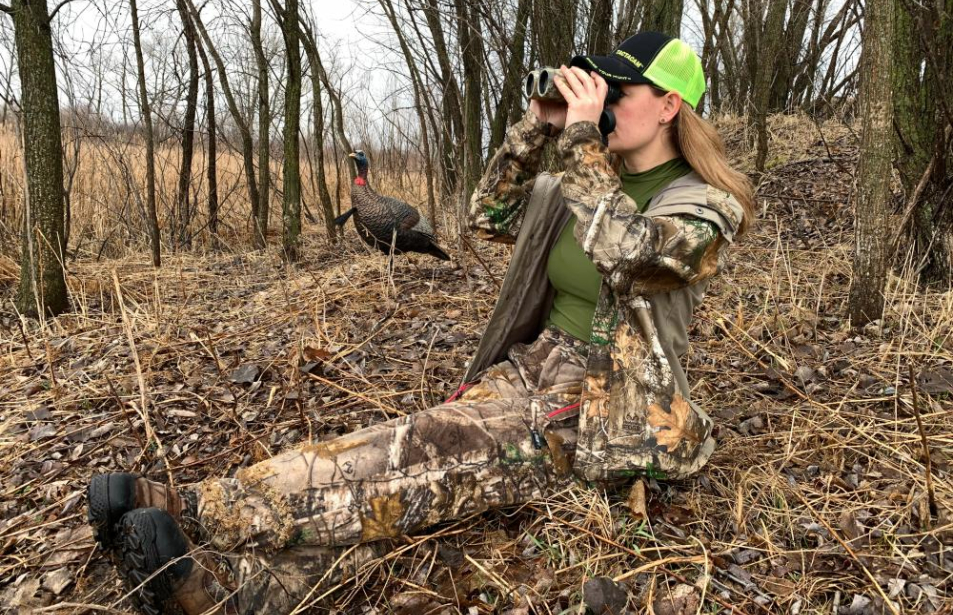
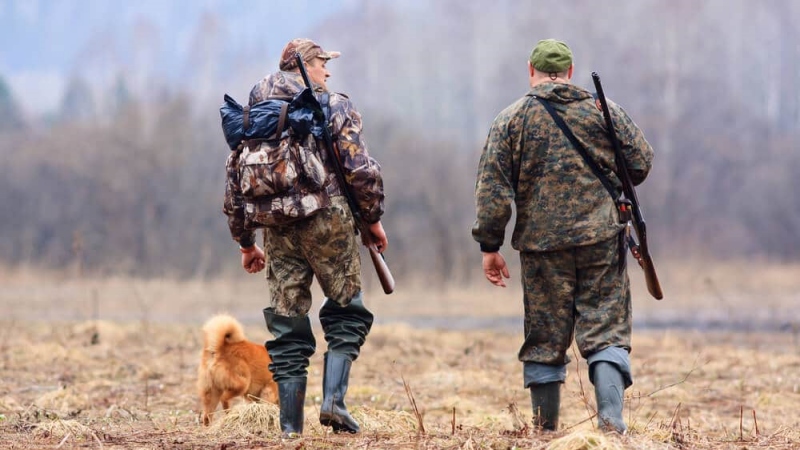
The concept of a one-pattern-fits-all jacket is obsolete. Today's market demands ecosystem-specific camouflage patterns tailored to precise environments like cattail marshes, flooded timber, or agricultural fields. Patterns such as Realtree Timber® or Mossy Oak Bottomland® are scientifically designed to break up the human silhouette in specific habitats. Sourcing from manufacturers with a diverse and authentic pattern portfolio is essential for market relevance.
The Demand for Integrated Layering Systems.
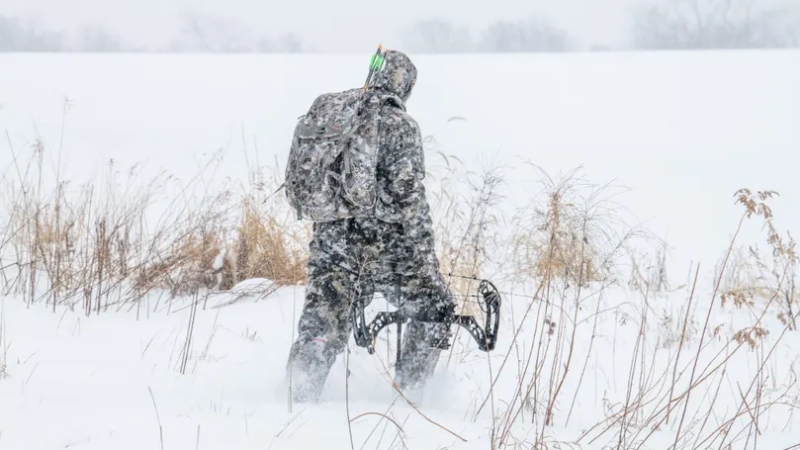
Sophisticated hunters increasingly prefer versatile layering systems for extreme weather conditions over a single, bulky garment. The best rain jacket is designed as a modular shell that integrates perfectly with insulating mid-layers and moisture-wicking base layers. This system allows hunters to adapt to changing conditions, from a cold, stationary dawn to a warmer, active midday. Buyers should seek suppliers offering compatible shell, insulation, and base layer collections.
Advanced Material Innovations.
The reliance on traditional PVC-based waterproofing is declining in favor of more sophisticated solutions. A key trend is the proliferation of high-performance PU laminate technology, which offers a superior balance of waterproofing, breathability, and flexibility without the weight and stiffness of older materials. Furthermore, the market is seeing a shift towards sustainable DWR treatments, moving away from PFC-based chemicals to eco-friendly alternatives that still provide effective water beading.
Anatomy of a Superior Hunting Rain Jacket: Product Structure
Beyond technical specs, the "best" jacket is defined by its thoughtful design architecture, which directly impacts user experience in the field.
Ergonomic Mobility: Features like articulated elbows, gusseted underarms, and pre-bent sleeves are non-negotiable. They allow for unrestricted movement when mounting a shotgun or using a call, a critical factor often overlooked in lower-tier designs.
Blind-Integrated Features: Jackets designed for waterfowling include practical elements like flip-over seats (to keep the seat dry when sitting on the ground), pass-through pockets for access to inner layers, and silent, burr-free zippers.
Intelligent Storage: A multitude of strategic, silent-closure pockets is essential. This includes large chest pockets for navigation devices, bellows-handwarmer pockets, and internal, secure pockets for licenses and electronics.
International Buyer Procurement: Preferences and Pain Points
Navigating the global supply chain for waterfowl hunting gear presents distinct challenges that must be managed strategically.
Key Buyer Preferences:
Consistent Sizing: Adherence to region-specific sizing standards (e.g., US, EU) is paramount to avoid high return rates.
Quality Assurance: Buyers prioritize manufacturers with transparent, certified quality control processes for stitching, seam sealing, and material consistency.
Supply Chain Flexibility: Competitive Minimum Order Quantities (MOQs) and reliable lead times are critical for inventory management and market responsiveness.
Common Sourcing Pain Points:
Inconsistent Quality: Variances in waterproofing performance and seam tape adhesion between production runs can devastate a brand's reputation.
Lack of Technical Support: Manufacturers that cannot provide detailed technical data sheets, test reports, or product development expertise hinder the buyer's ability to make informed decisions.
Intellectual Property Concerns: Safeguarding custom camouflage patterns and proprietary designs is a persistent concern when working with overseas partners.
Manufacturing Insights: From Lamination to Final Assembly
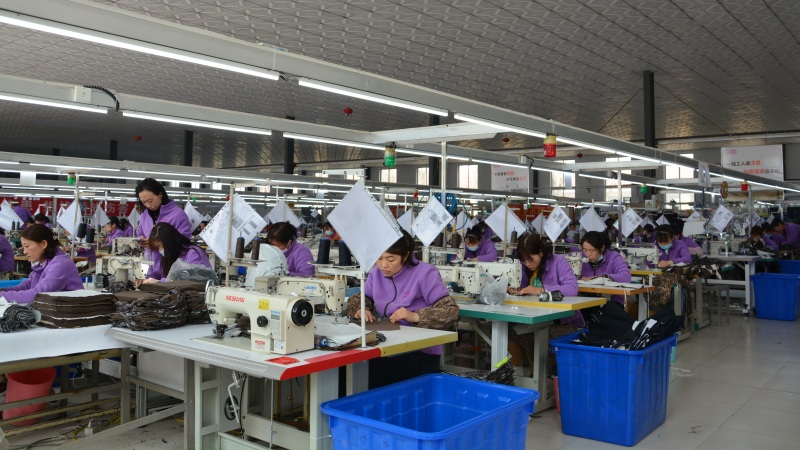
The quality of a hunting rain jacket is determined on the factory floor. A reputable manufacturer's process is characterized by precision and rigorous testing.
The journey begins with fabric lamination, where a waterproof breathable membrane (e.g., ePTFE or TPU) is permanently bonded to the outer shell and inner liner. This is followed by a durable water repellent (DWR) treatment application, which is cured onto the outer fabric. Precision cutting using computerized patterns ensures material efficiency and consistency. The assembly phase is critical; here, advanced factories use ultrasonic welding for critical seams, creating a bond that is stronger and more waterproof than the fabric itself. Finally, every finished garment should undergo a spot-check using a simulated rain test to validate the integrity of the final product before shipment.
Frequently Asked Questions (B2B Buyer FAQ)
1. Beyond the basic hydrostatic head rating, how do you test the real-world waterproofness of finished jackets?
We employ a two-tier testing protocol. First, we conduct standardized lab tests on fabric swatches. Second, we perform in-house quality control on a percentage of finished garments from each batch using a shower test simulator, where the jacket is subjected to pressurized water from multiple angles for a sustained period to check for any seam or zipper leakage.
2. Can you accommodate the development of a custom, brand-specific camouflage pattern, and what are the associated MOQs?
Yes, we offer full ODM services, including the creation of proprietary camouflage patterns from concept to production. The MOQ for a custom pattern development is typically 2,000 units per jacket style, which covers the setup and engraving costs.
3. What is your policy on sourcing sustainable materials, such as PFC-free DWR and recycled fabrics?
We maintain an active inventory of both conventional and eco-friendly materials. We can source GRS-certified recycled nylon/polyester and apply premium PFC-free DWR treatments upon request. These options are available with a minor cost adjustment and must be specified at the time of order placement.
4. How do you ensure sizing consistency across different production runs and garment types?
We utilize standardized block patterns for each target market and employ a dedicated team for quality control of cut pieces and finished garments. We provide comprehensive size spec sheets for buyer approval and recommend ordering pre-production samples for fit verification before every major production run.