 Francés
 Español
 Русский
 German
 Português
 Swedish
 Italian
 العربية
 Japanese
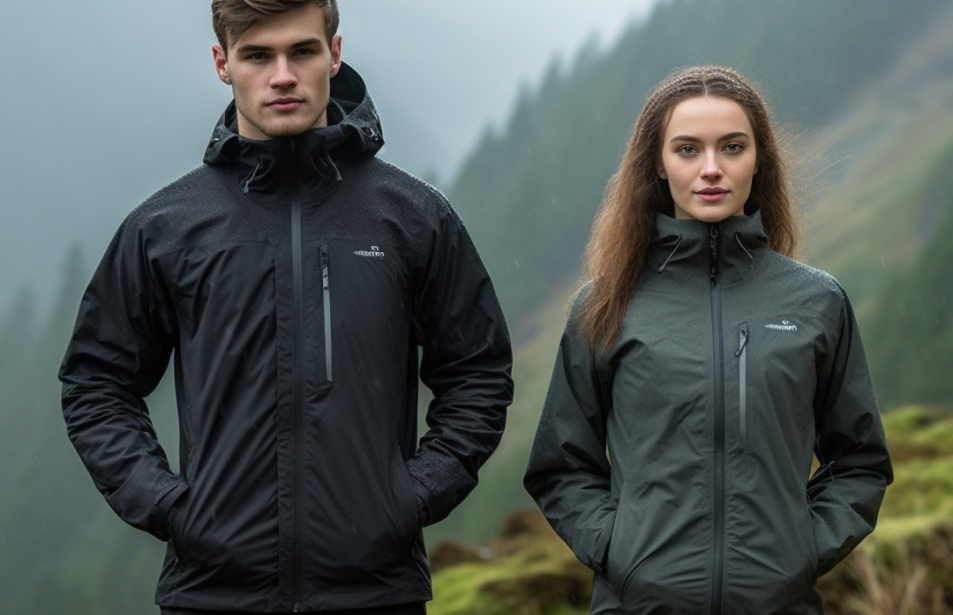


What Kind of Clothing Is Best for Hiking?
Why Technical Hiking Clothing Matters in Today’s Outdoor Market
The global outdoor apparel industry has grown steadily over the past decade, driven by rising participation in hiking, trekking, and multi-day outdoor activities. As consumer expectations shift toward performance, durability, sustainability, and comfort, hiking clothing has become a key product category for international brands. Industry analysis shows that the technical outdoor apparel market continues to expand, supported by demand for lightweight materials, improved moisture management, and all-weather protection.
For B2B buyers, sourcing high-performance hiking apparel is no longer only about fabric selection—it is about partnering with manufacturers capable of integrating advanced technologies, consistent quality, and scalable production. With over 17 years of functional garment expertise, BOWINS supports global brands in developing professional hiking clothing based on technical innovation and rigorous manufacturing standards.
|
|
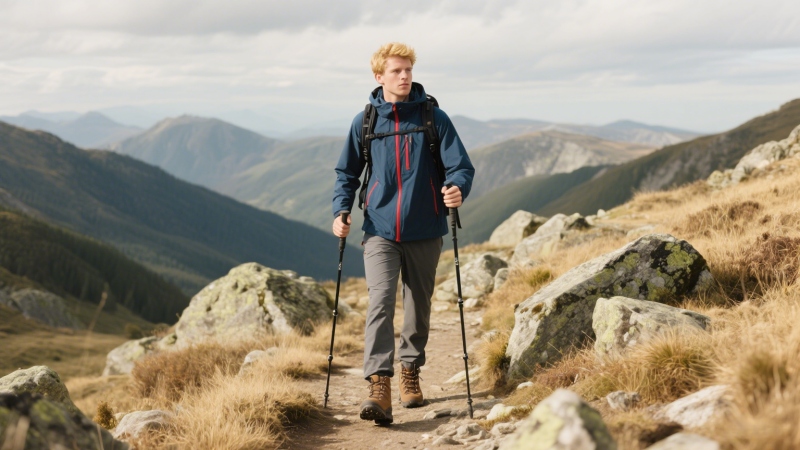
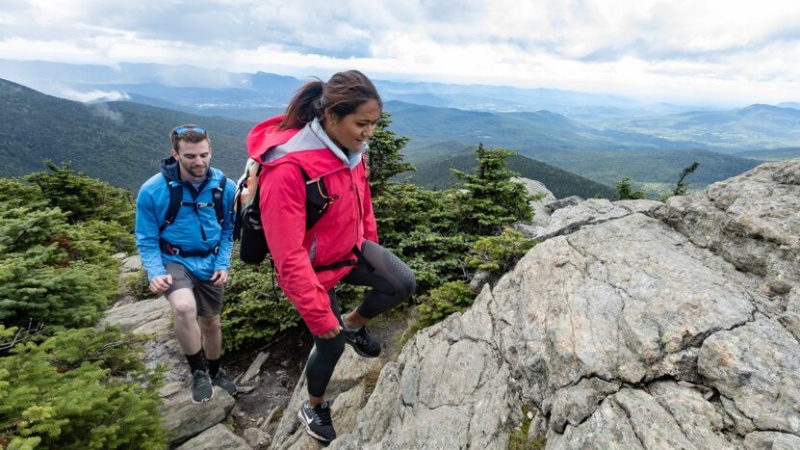
Understanding Hiking Clothing: Core Performance Requirements
1. Moisture Management and Breathability
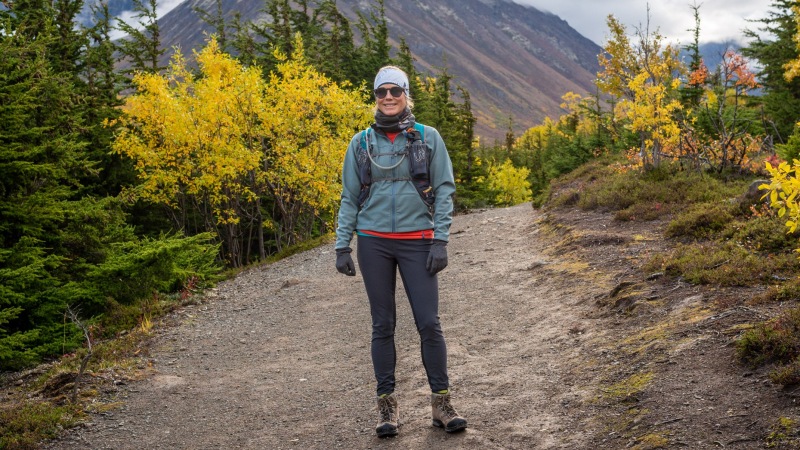
Effective moisture control is essential in all hiking environments. A technical base layer must transport sweat away from the skin, maintain dryness, and regulate body temperature. Advanced polyester blends, merino wool, and dual-layer knitted structures are widely adopted due to their superior wicking performance.
2. Weather Resistance
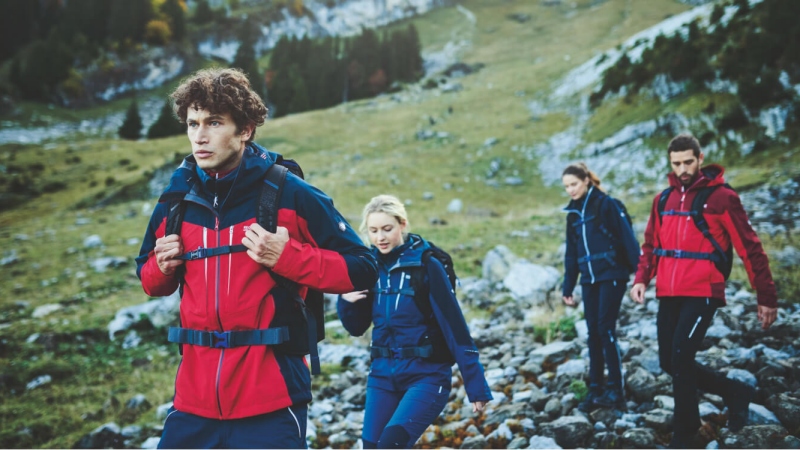
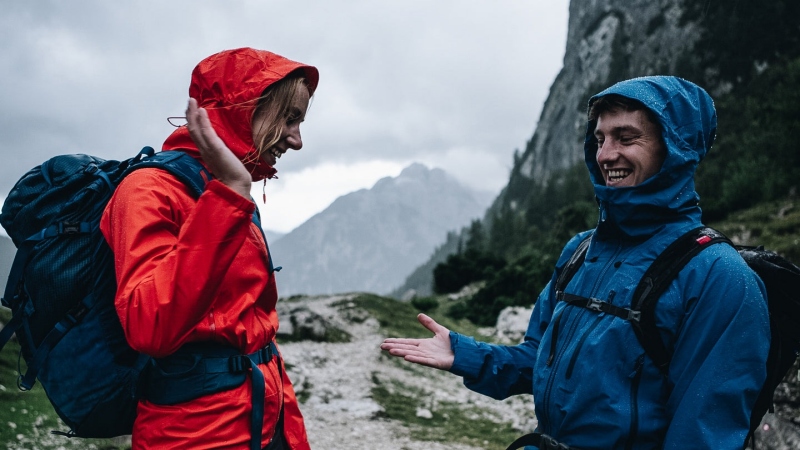
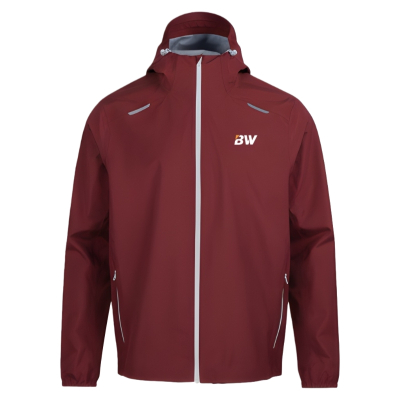
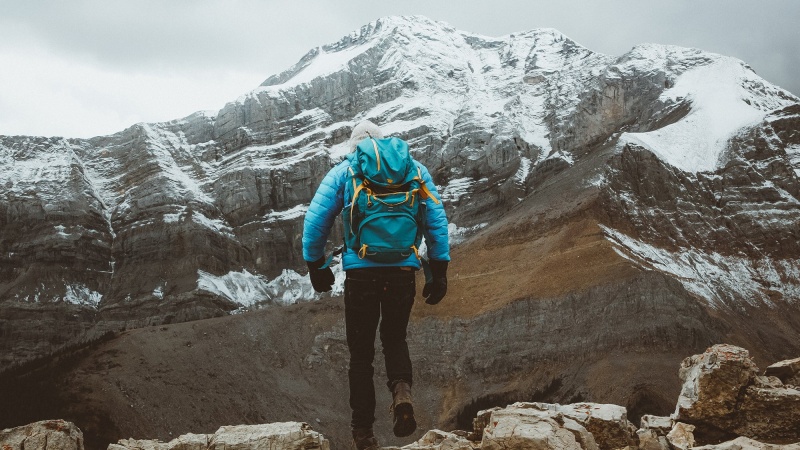
Hikers require apparel capable of adapting to changing weather conditions. Modern hiking jackets and pants often incorporate waterproof or water-resistant coatings, seam-sealing technologies, and breathable membrane systems. These features ensure protection against rain, wind, and sudden temperature drops.
3. Durability and Abrasion Resistance
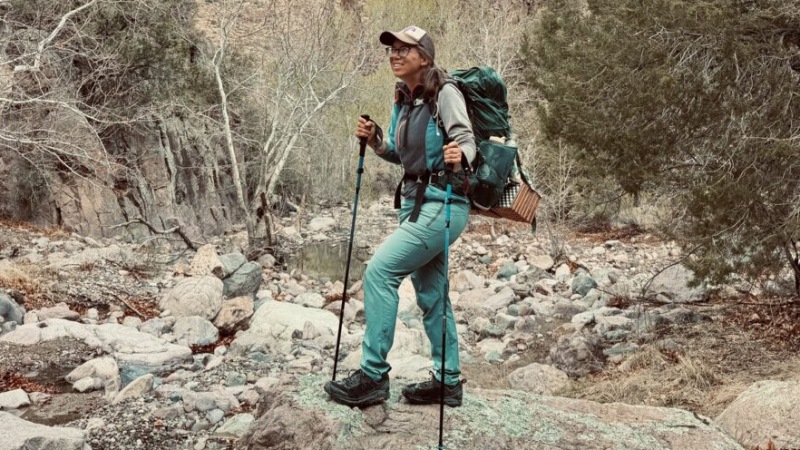
Outdoor trails expose clothing to rough surfaces, sharp branches, and extended wear. High-tenacity nylon, reinforced panels, and ripstop fabrics improve long-term durability—an increasingly important performance indicator for B2B buyers targeting premium markets.
4. Comfort and Mobility
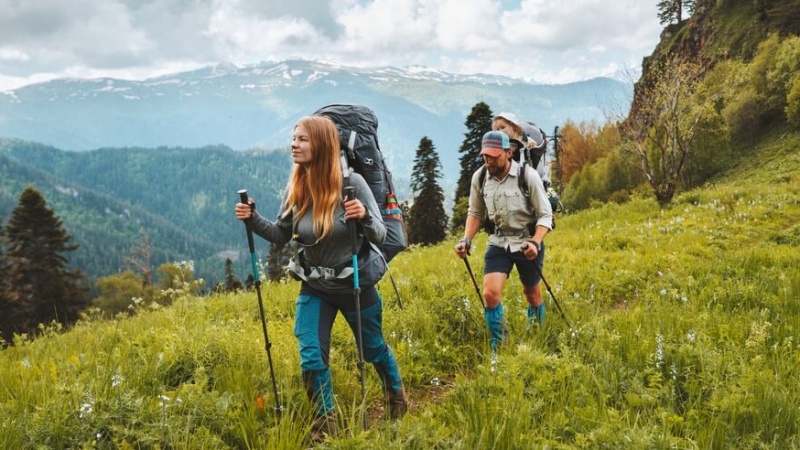
Technical hiking clothing integrates ergonomic pattern design, articulated sleeves, stretch fabrics, and strategic ventilation zones. These design features enhance mobility and overall comfort during long-distance hiking.
|
|
Market Trends Influencing Hiking Clothing Development
1. Growth of Technical Outdoor Apparel
Global data indicates a consistent increase in outdoor sports participation, particularly hiking and trekking. This has resulted in higher demand for performance-driven hiking clothing that combines comfort, weather adaptation, and innovation. Brands are investing in new materials and technologies and diversifying their product lines to meet regional preferences.
2. Shift Toward Lightweight and Packable Products
“Lightweight hiking clothing” remains one of the fastest-growing product segments. B2B buyers seek performance fabrics that reduce weight without sacrificing durability, enabling brands to serve customers who prioritize fast-packing and long-distance trekking.
3. Integration of Sustainable Manufacturing
Many international buyers now request recycled fibers, PFC-free finishes, and low-impact manufacturing processes. Hiking apparel made from sustainable materials has become a key differentiator in global sourcing strategies.
4. Technology-Enhanced Outdoor Apparel
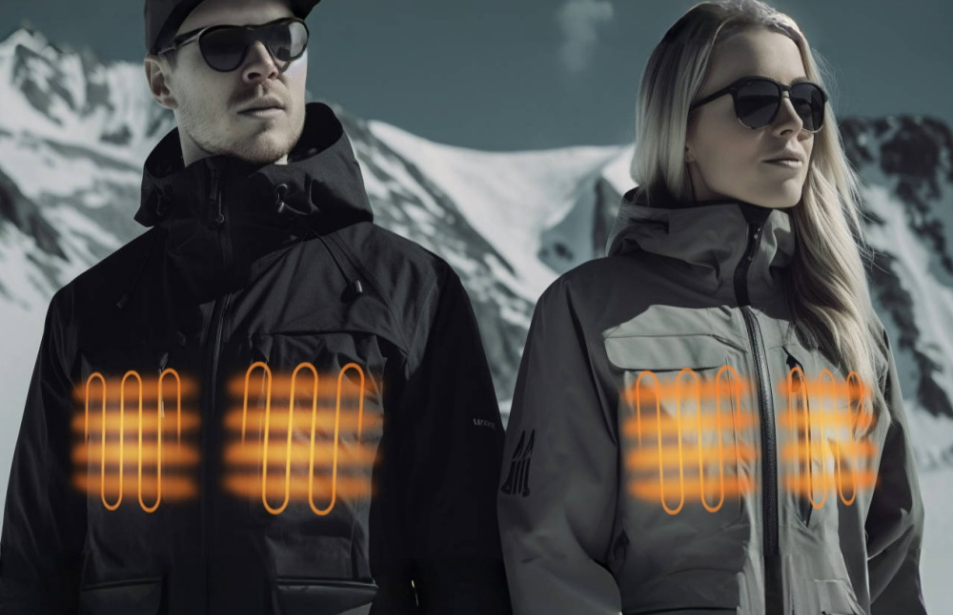
Heating systems, waterproof-breathable membranes, and smart ventilation designs continue to shape the market. Manufacturers capable of integrating such technologies—like BOWINS—provide brands with stronger competitive advantages.
Technical Structure of High-Quality Hiking Clothing
Base Layer—Moisture Control
Quick-dry polyester or merino wool
Flatlock seams to reduce chafing
Lightweight, breathable knitted structure
Mid Layer—Thermal Management
Fleece, softshell, or insulated garments
Stretch fabrics for movement
Optional synthetic padding for colder environments
Outer Layer—Protection
2-layer or 3-layer waterproof membranes
Durable Water Repellent (DWR) treatments
Fully taped seams and reinforced shoulders
|
|
How BOWINS Supports High-Performance Hiking Clothing Manufacturing
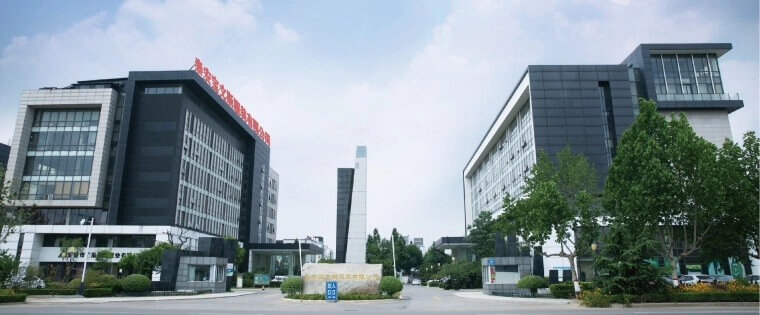
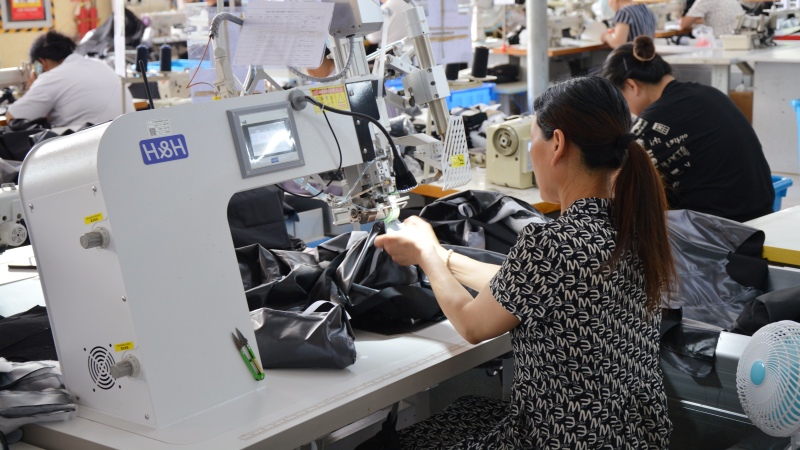
With an integrated production network and advanced technical capability, BOWINS provides end-to-end functional garment manufacturing solutions for global outdoor brands. Our facilities in China and Cambodia operate with automated cutting systems, CNC sewing equipment, and full in-house R&D.
R&D and Technical Innovation
Our team of 70+ functional garment designers collaborates with garment institutes and universities to develop innovative fabric applications, ergonomic pattern structures, and performance-enhancing features. Hiking clothing produced under BOWINS is engineered to meet modern outdoor requirements, including breathability, waterproofing, stretch functionality, and multi-climate adaptability.
Quality-Controlled Production Process
Material Selection—Certified technical fabrics sourced from reliable suppliers
Pattern Development—3D modeling, ergonomic adjustments, fit testing
Prototyping & Sampling—Rapid sampling with CNC and automated tools
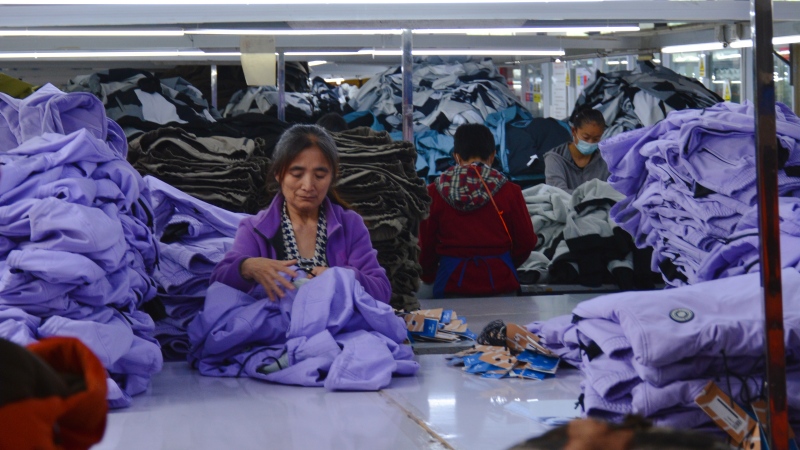
Production—Standardized workflow, skilled sewing lines, functional seam sealing
Inspection & Testing—Waterproof testing, tensile tests, wash durability, colorfastness
This systematic process ensures that each piece of hiking apparel performs consistently in demanding outdoor environments.
|
|
Buyer Considerations When Selecting Hiking Clothing Manufacturers
1. Technical Capability
B2B buyers should verify the manufacturer’s experience in functional garments, including membrane sealing, bonded seams, and insulation technologies.
2. Production Scalability
Reliable mass production with stable quality is essential, particularly for seasonal outdoor collections.
3. Innovation Capacity
Brands benefit from manufacturers who can support product upgrades, trend adaptation, and new functional designs.
4. Compliance and Standards
Look for adherence to global testing standards and sustainable production requirements.
FAQ: Common Questions from International Buyers
1. What fabrics are most suitable for professional hiking clothing?
Polyester blends, nylon, merino wool, softshell fabrics, and waterproof membrane laminates are commonly used depending on climate and performance needs.
2. Can hiking clothing be customized with waterproof or insulated functions?
Yes. BOWINS offers waterproof, windproof, insulated, heated, and stretch functional options based on product requirements.
3. Do you provide design or pattern support for new hiking apparel lines?
Yes. Our in-house R&D team provides design development, pattern making, and sample creation to support new collections.
4. How do you ensure consistent quality in mass production?
We maintain strict inspection protocols, including fabric testing, seam sealing verification, and functional performance checks at every stage of production.
Conclusion
The demand for hiking clothing continues to accelerate as outdoor participation and global consumer expectations rise. For B2B buyers, selecting apparel that meets technical performance standards—while ensuring durability and comfort—is essential for building competitive product lines. As a committed OEM/ODM manufacturer, BOWINS delivers high-performance hiking apparel through advanced technology, strong R&D, and reliable large-scale production.
|
|