 Francés
 Español
 Русский
 German
 Português
 Swedish
 Italian
 العربية
 Japanese


Why Heated Clothing Is Becoming a Winter Essential
As global winters become increasingly unpredictable and outdoor activities continue year-round, heated clothing has rapidly evolved from a niche innovation into a winter essential. For outdoor workers, sports enthusiasts, and professionals exposed to extreme cold, traditional insulation alone is no longer sufficient. Instead, battery-powered heated clothing offers controlled warmth, adaptability, and improved comfort—driving strong global demand.
As an experienced OEM/ODM manufacturer of functional apparel, BOWINS has closely followed—and actively contributed to—this transformation. This article explores why heated clothing is gaining momentum, how the market is evolving, and what international buyers should consider when sourcing high-quality heated apparel.
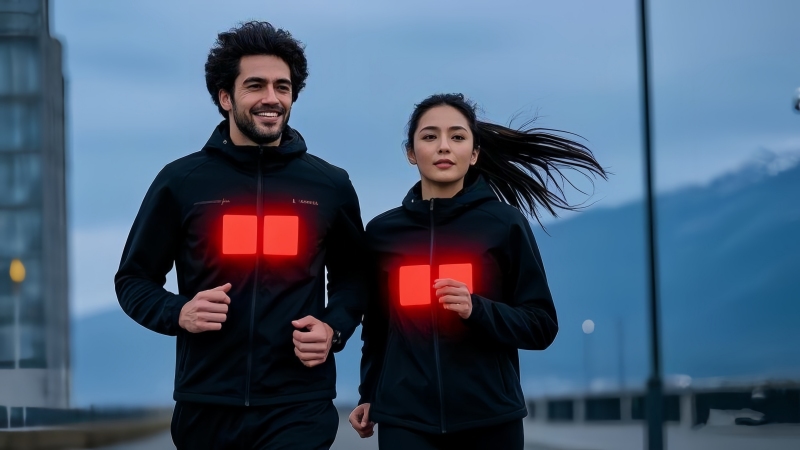
The Global Rise of Heated Clothing
Changing Climate and Extended Cold Exposure
Climate volatility has increased the frequency of sudden cold waves across North America, Europe, and parts of Asia-Pacific. At the same time, industries such as logistics, construction, agriculture, and outdoor maintenance continue operating throughout winter months. These factors have significantly increased demand for heated clothing for outdoor work and heated apparel for extreme cold environments.
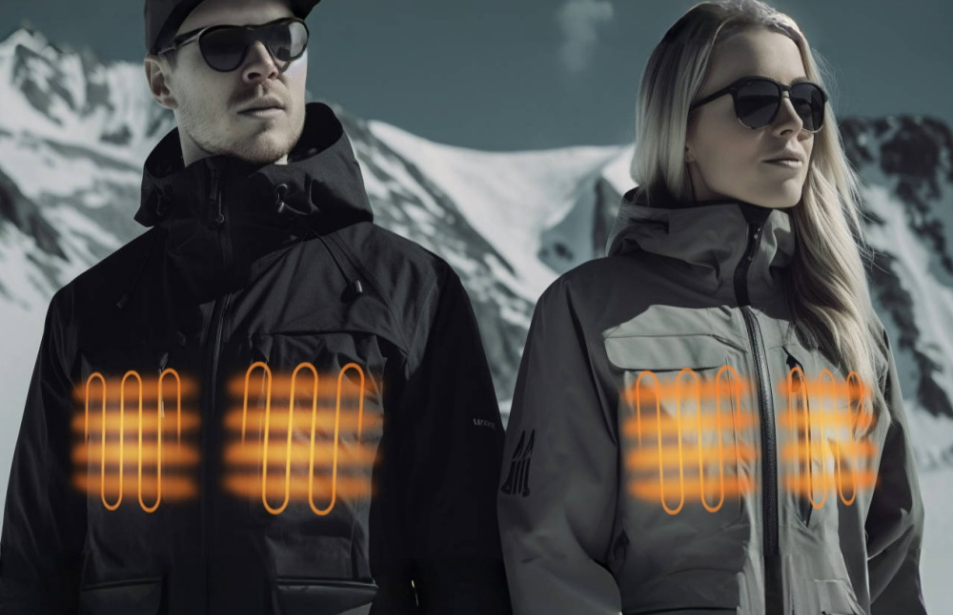
Unlike conventional winter garments, heated clothing actively generates warmth, helping users maintain core body temperature without excessive layering.
Lifestyle Shifts and Outdoor Recreation Growth
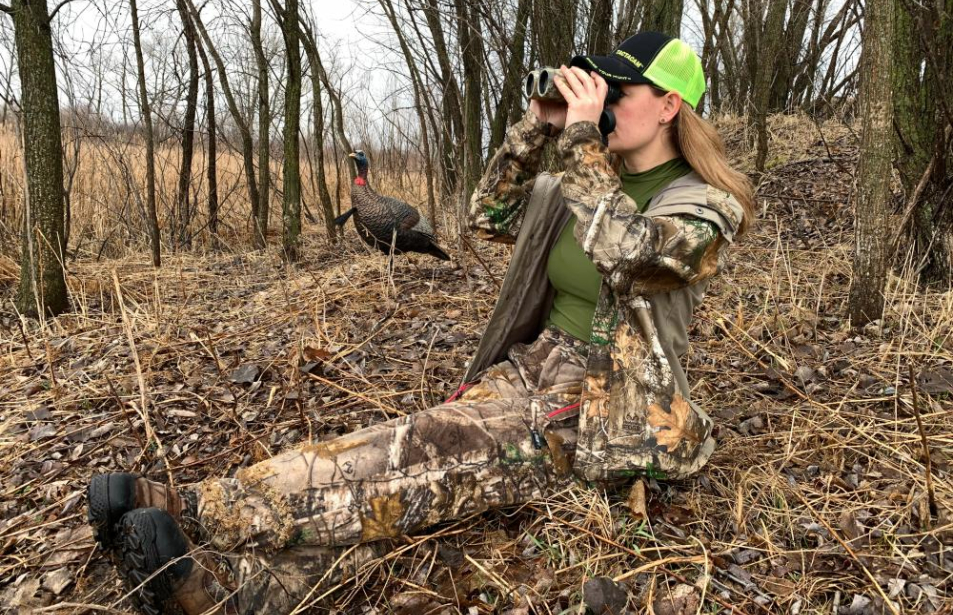
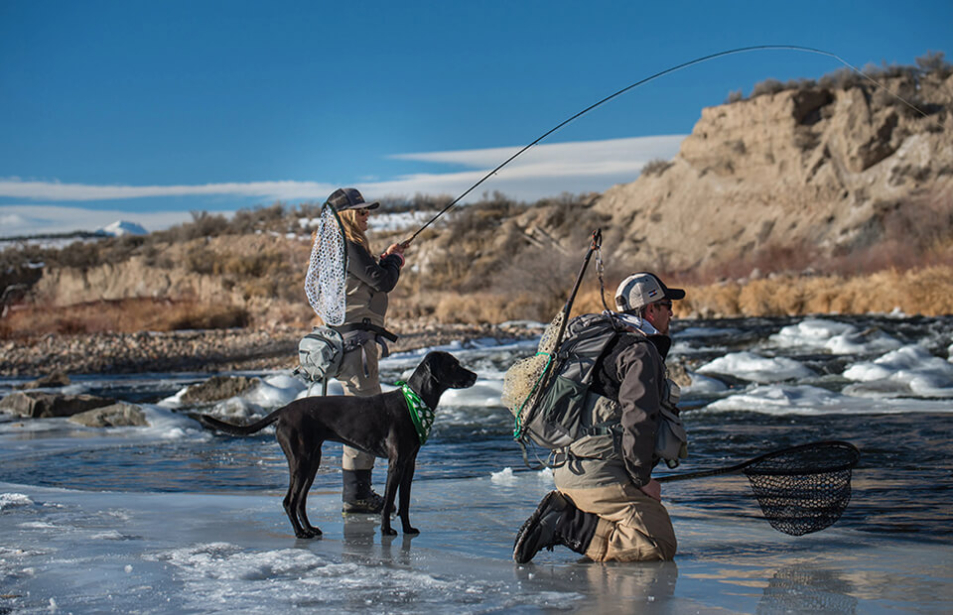
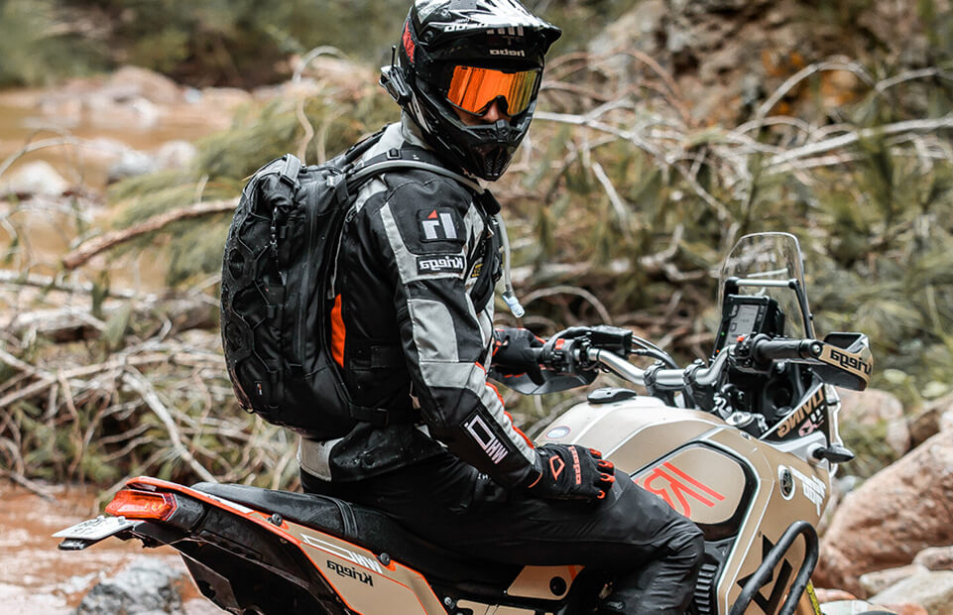
Winter sports, hunting, fishing, and motorcycling remain popular across global markets. Consumers increasingly seek heated jackets, heated vests, and heated gloves that provide warmth without restricting mobility. This lifestyle-driven demand has further accelerated the adoption of heated clothing as a functional necessity rather than a luxury product.
Heated Clothing Market Overview and Data Insights
Market Growth and Buyer Demand
According to industry analyses, the global heated clothing market has maintained strong double-digit growth in recent years, driven by:
Rising participation in winter outdoor activities
Increased awareness of heated apparel safety and efficiency
Technological improvements in lightweight batteries and heating elements
North America and Europe currently represent the largest consumption markets, while Oceania shows steady growth due to outdoor workwear and adventure tourism demand.
For B2B buyers, this growth translates into expanding opportunities for private label heated clothing, OEM heated apparel, and customized functional garments.
B2B Purchasing Trends
International buyers increasingly prioritize:
Stable quality and consistency across batches
Compliance with regional safety and battery standards
Flexible MOQ and customization capabilities
Reliable long-term manufacturing partners
These expectations favor vertically integrated manufacturers with in-house R&D and production capacity.
How Heated Clothing Technology Works
Core Components of Heated Clothing
Modern heated clothing typically consists of three essential elements:
Heating Elements
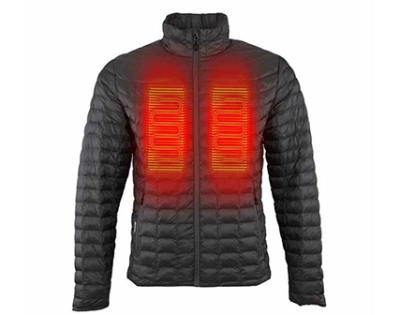
Most heated garments use carbon fiber or composite heating panels strategically placed across core body zones such as the chest, back, and waist. These elements deliver even heat distribution while remaining flexible and lightweight.
Battery Systems
Rechargeable lithium batteries power the garment, usually offering multiple temperature settings. Advances in battery efficiency now allow heated clothing to provide consistent warmth for 6–10 hours, depending on usage conditions.
Control and Safety Systems
Integrated controllers regulate temperature and prevent overheating. High-quality heated clothing includes built-in safety features such as short-circuit protection and thermal regulation.
Manufacturing Heated Clothing: From Design to Production
Functional Design and Material Selection
At BOWINS, heated clothing development begins with functional design. Each garment must balance heating efficiency, comfort, durability, and aesthetics. Common materials include:
Waterproof and breathable outer fabrics
Insulated linings optimized for heat retention
Lightweight inner layers for wearer comfort
Integrated Production Capabilities
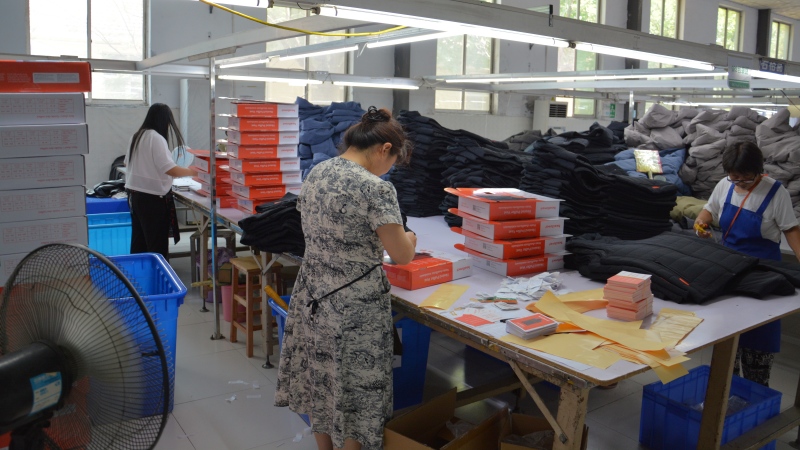
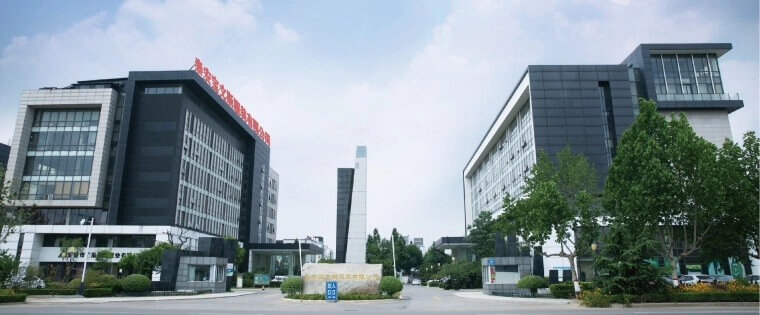
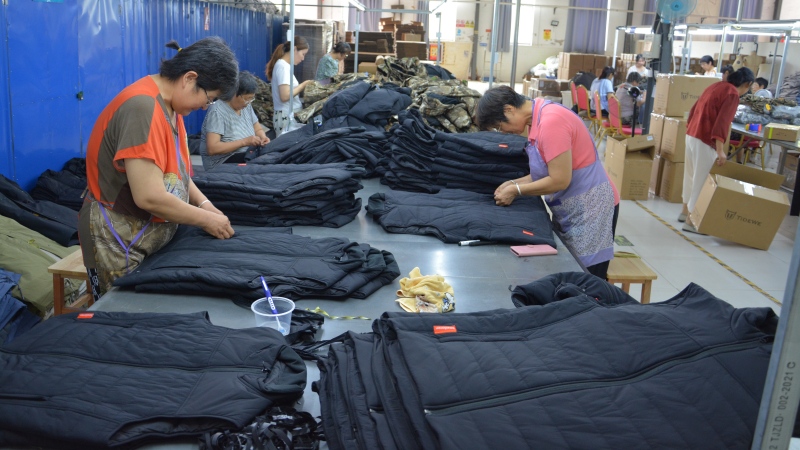
With wholly owned factories in China and Cambodia, BOWINS maintains full control over:
Pattern development and sampling
Automated cutting and CNC sewing
Heating element integration
In-house quality inspection and testing
This integrated approach ensures that every heated garment meets technical requirements and market expectations.
Customization for Global Brands
OEM and ODM buyers can customize:
Heating zones and power levels
Fabric performance (waterproof, windproof, breathable)
Battery specifications and pocket design
Branding, sizing, and packaging
Such flexibility is critical for brands targeting different climates, regulations, and consumer preferences.
Key Trends Shaping the Future of Heated Clothing
Lightweight and Everyday Wear
Heated clothing is moving beyond bulky outerwear. Lightweight heated vests and heated jackets designed for daily use are gaining popularity, especially in urban markets.
Smart Integration
Emerging models integrate smart temperature control, mobile app compatibility, and intelligent heat distribution, further enhancing user experience.
Sustainability and Durability
Buyers increasingly value long-lasting heated clothing that reduces the need for excessive layering, aligning with sustainability goals through extended product life cycles.
Applications Across Industries
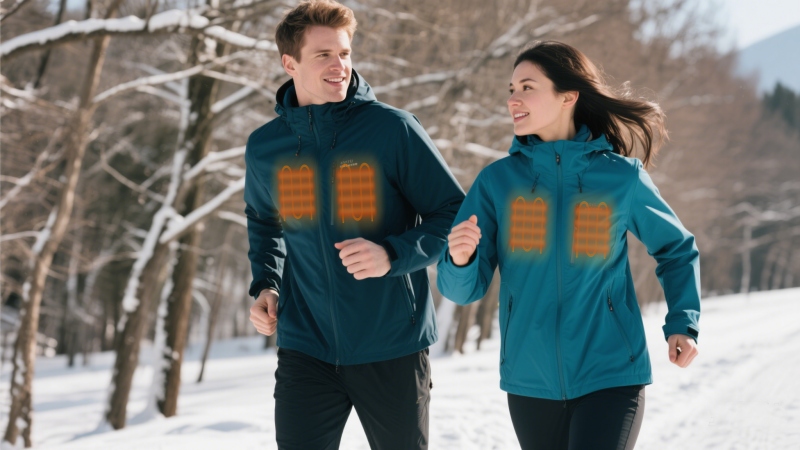
Heated clothing now serves a wide range of professional and recreational applications:
Outdoor construction and infrastructure maintenance
Logistics and cold-chain operations
Skiing, hunting, and fishing
Motorcycle riding and winter commuting
This broad applicability continues to expand the global heated clothing market.
FAQ: Common Buyer Questions About Heated Clothing
1. Is heated clothing safe for long-term use?
Yes. High-quality heated clothing incorporates temperature regulation and safety protection systems. Properly designed garments meet international safety standards and are safe for extended wear.
2. How long does heated clothing last on a single charge?
Depending on battery capacity and heat setting, most heated clothing provides 6–10 hours of warmth. OEM buyers can specify battery performance based on market needs.
3. Can heated clothing be waterproof?
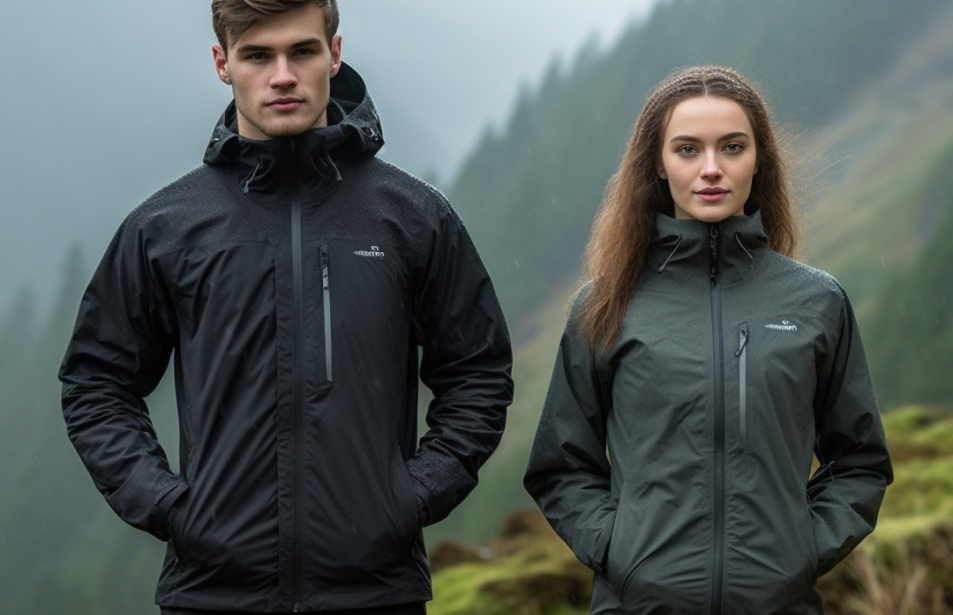
Absolutely. Many heated garments combine waterproof membranes with sealed wiring, making them suitable for snow, rain, and humid conditions.
4. What should buyers look for in a heated clothing manufacturer?
Key factors include technical expertise, integrated production, quality control, certification experience, and responsive communication—especially for OEM/ODM cooperation.
Why Partner with BOWINS for Heated Clothing Manufacturing
With over 18 years of experience in functional apparel manufacturing, BOWINS offers international buyers a reliable solution for heated clothing OEM and ODM projects. Our strengths include:
Advanced manufacturing automation
Strong R&D and functional garment expertise
Stable quality across large-scale production
Flexible customization for global brands
Partner with BOWINS for Your Heated Clothing Program
As heated clothing continues to redefine winter apparel, choosing the right manufacturing partner is essential. BOWINS is committed to supporting global brands with professional design, reliable production, and responsive service.
Contact BOWINS today to discuss your heated clothing project, request samples, or explore OEM/ODM solutions tailored to your market.