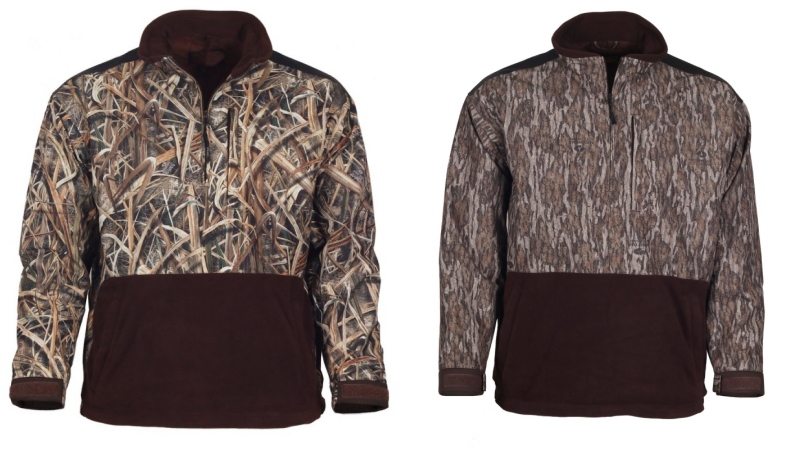
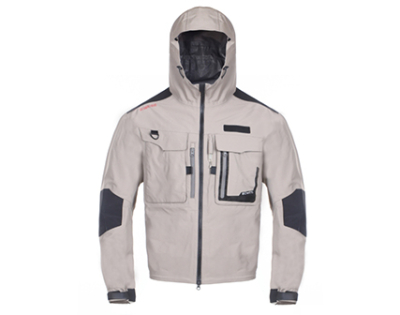
Global Demand for Durable Duck Hunting Pullover Solutions
The global market for outdoor and technical hunting apparel has expanded steadily as waterfowl hunting participation grows across North America, Europe and parts of Oceania. Within this sector, the demand for a durable duck hunting pullover for ultimate comfort has surged due to shifting buyer expectations, advanced textile innovation and increasingly extreme environmental conditions experienced in wetlands and marsh zones. As a result, performance-driven pullovers have transitioned from basic seasonal garments to mission-critical outerwear for serious waterfowl hunters.
Industry reports indicate that the waterfowl hunting apparel segment is experiencing a year-over-year growth of 5%–7%, propelled by improved licensing accessibility, expanding outfitter operations and the adoption of weather-resilient fabrics. Buyers prioritize durability, insulation, moisture management and field comfort—attributes that a modern durable duck hunting pullover for ultimate comfort is specifically engineered to deliver.
Key Specifications and Performance Requirements
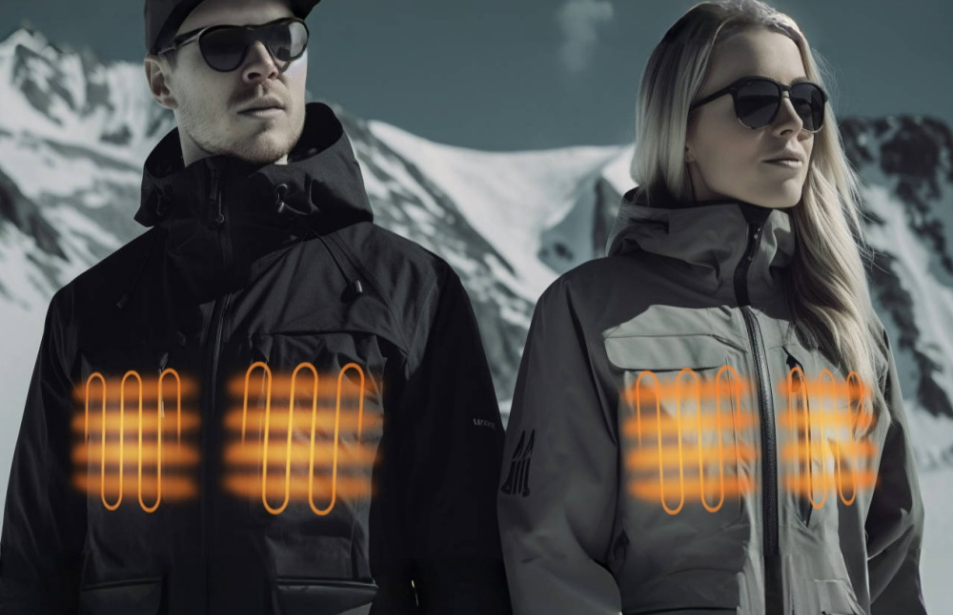
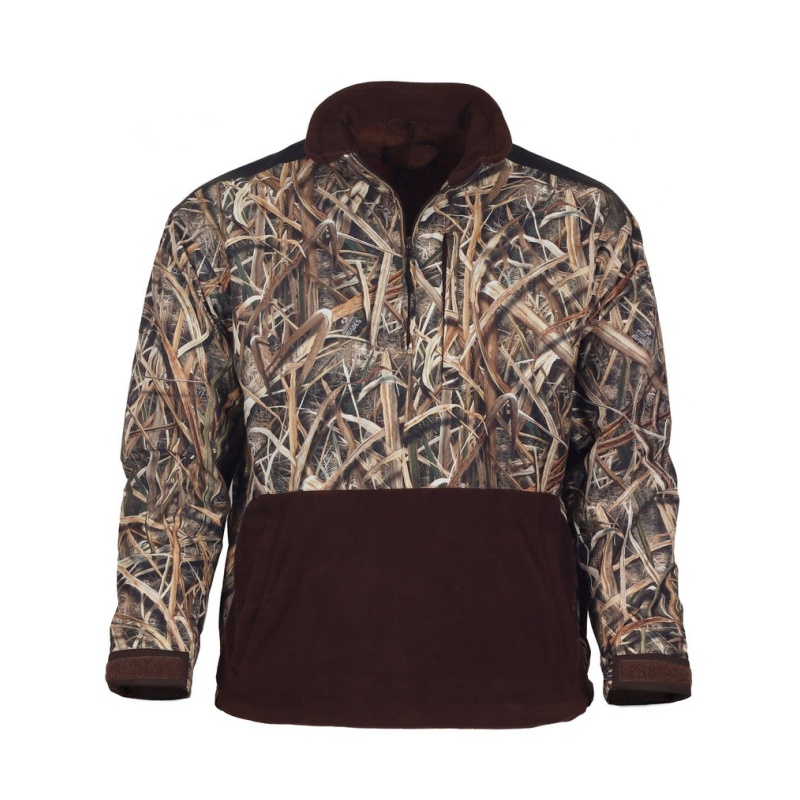
A durable duck hunting pullover for ultimate comfort must withstand cold winds, heavy rainfall, wet reeds, mud exposure and repeated abrasion from gear and decoys. For this reason, technical hunting pullovers incorporate multi-layer windproof shells, hydrophobic coatings, thermal fleece interiors and reinforced shoulder and elbow zones. These features ensure consistent performance during prolonged hours in flooded blinds and frigid open water environments.
Comfort-related attributes remain equally important. Breathable membranes, moisture-wicking liners and anatomical patterning allow hunters to maintain stable body temperature without restricting mobility. Long-tail keywords such as “water-resistant duck hunting pullover,” “quiet fleece hunting top,” “insulated camo pullover,” “lightweight hunting outerwear” and “performance waterfowl gear” directly reflect the design and performance priorities of global buyers.
Fabric Composition and Structural Engineering
To achieve the balance between durability and comfort, manufacturers integrate softshell or triple-layer composites featuring breathable membranes and abrasion-resistant outer shells. The interior lining varies by seasonal requirement—from brushed microfleece for mild conditions to bonded thermal fleece for freezing climates. Quiet fabric technology is often applied to avoid noise when adjusting gear or raising a shotgun, which is critical in duck and goose hunting scenarios.
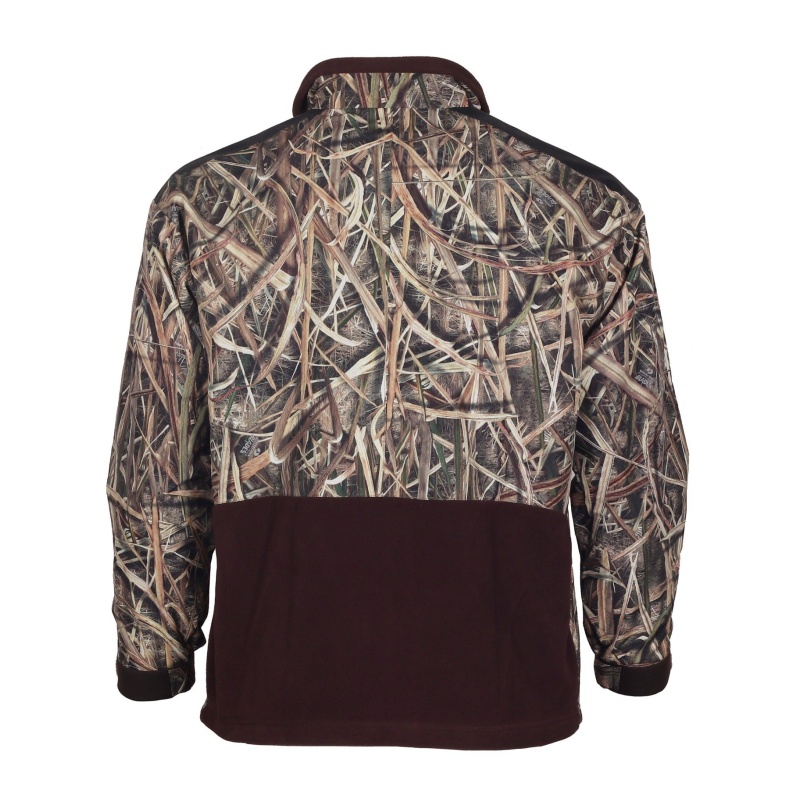
Strategic seam placement, articulated sleeves and dropped shoulders enhance mobility and reduce chafing when reaching for calls, lifting decoys or shouldering firearms. High-wear zones such as cuffs and hems are reinforced to withstand heavy use in wet, muddy and abrasive environments.
Manufacturing and Quality Control Standards
The production of a durable duck hunting pullover for ultimate comfort involves precision engineering and multi-phase testing. Fabric selection is followed by advanced digital cutting and multi-panel assembly designed to maintain structural integrity under stress. Specialized stitching techniques, low-noise construction methods and laminated seam seals ensure long-term performance in wet environments.
Quality control includes hydrostatic pressure testing for waterproof layers, wind resistance assessment, breathability measurement and abrasion endurance testing. Field-focused evaluations simulate marsh conditions such as high humidity, sudden temperature drops and full-day exposure to water and mud. These procedures ensure that each pullover meets international outdoor performance requirements.
Global Market Trends and Buyer Preferences
International buyers increasingly seek technical hunting garments that deliver reliability, noise control and weather protection. For duck and waterfowl hunting apparel, the most important purchasing factors include insulation value, waterproof rating, breathability, fabric silence and long-term durability. Large retailers and outfitter groups also emphasize consistent sizing, production capacity and customization availability.
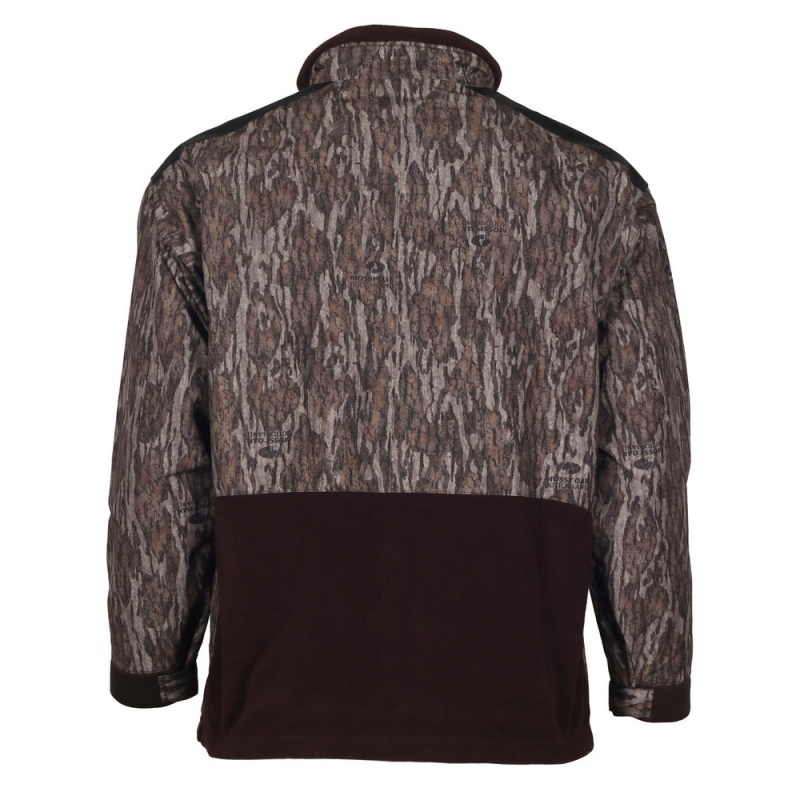
Among current market trends, lightweight insulated pullovers with quick-dry technology are gaining traction in transitional seasons. Meanwhile, late-season hunters demand heavier thermal layers and integrated windproof systems. Buyers also show increased interest in camouflage pattern flexibility, packable designs and garments compatible with layering systems.
Applications in Waterfowl Hunting Environments
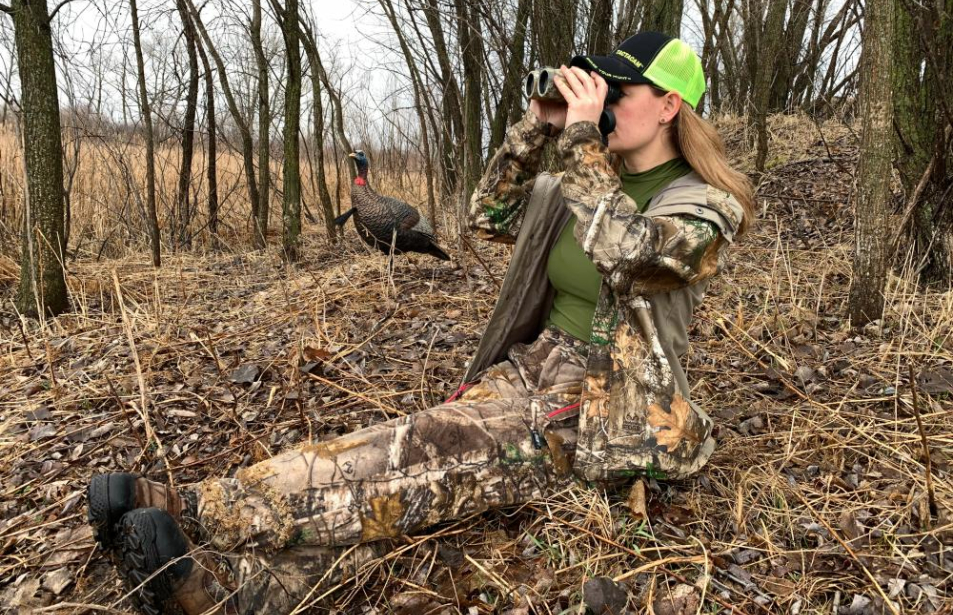
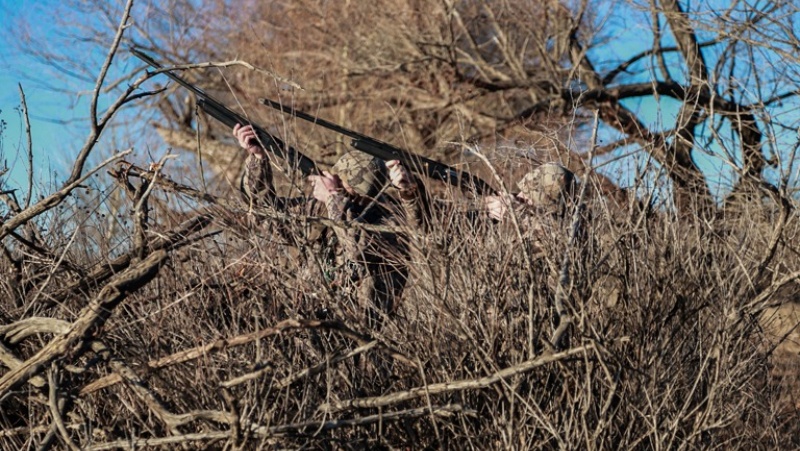
A durable duck hunting pullover for ultimate comfort is engineered for versatility across flooded timber, marshland, river blinds and open-water setups. Its performance characteristics—windproof structure, moisture control and rugged construction—enable hunters to remain stationary for long periods while maintaining comfort and readiness. Quiet fabrics reduce detection risk as ducks and geese approach, making the pullover a core component of modern waterfowl gear systems.
The garment’s structure also supports ease of movement when deploying decoys, retrieving ducks, paddling small crafts or navigating through reeds. For outfitting operations, consistency and durability are especially important as garments must withstand repetitive use across multiple hunting seasons.
Conclusion and Procurement Recommendation
As global waterfowl hunting activities continue to expand, the need for a durable duck hunting pullover for ultimate comfort remains at the forefront of apparel innovation. The combination of rugged construction, advanced fabric engineering and ergonomic design ensures that modern pullovers meet the expectations of both professional outfitters and recreational hunters. Suppliers who deliver technical documentation, verified test data and customization options stand to gain significant competitive advantage in international procurement markets.
We provide high-performance duck hunting pullovers engineered for durability, comfort and long-term field use. Buyers seeking full technical specifications, fabric test results, customization options or sample evaluations are welcome to contact our team for professional support.
FAQs
Q1: What fabric types are recommended for duck hunting pullovers?
Softshell and triple-layer composites with breathable membranes are widely used due to their durability and weather resistance.
Q2: Can these pullovers be used in extreme cold environments?
Yes. Insulated versions with thermal fleece linings are designed specifically for harsh late-season temperatures.
Q3: What customization options are preferred by international buyers?
Common requests include camouflage pattern variations, insulation adjustments, reinforced panels and size range customization.
Q4: How can buyers request samples or technical data sheets?
We provide material swatches, finished garment samples and full test documentation upon request to support procurement decisions.



 Francés
 Español
 Русский
 German
 Português
 Swedish
 Italian
 العربية
 Japanese