
 Francés
 Español
 Русский
 German
 Português
 Swedish
 Italian
 العربية
 Japanese
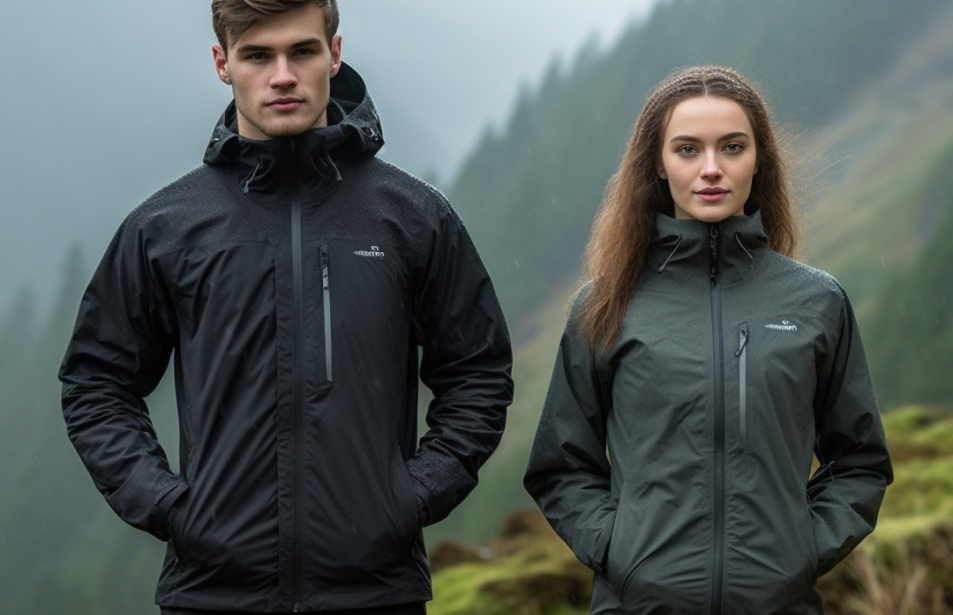



How to pick ski clothes?
Selecting the right ski clothes is a critical decision that goes far beyond style. It directly impacts your safety, comfort, and overall enjoyment on the mountain. For retailers, distributors, and brands in the outdoor apparel industry, understanding the technical nuances of ski apparel is essential for sourcing and offering products that meet the demands of discerning consumers. This comprehensive guide will walk you through the key considerations for picking high-performance ski wear, ensuring you are equipped with the knowledge to make informed choices, whether for personal use or for your business inventory.
Understanding the Importance of Technical Ski Apparel
Ski clothes are engineered for a specific, demanding environment. Unlike everyday winter wear, they must provide a sophisticated balance of waterproofing, breathability, insulation, and mobility. The right gear protects against harsh elements like wind, snow, and cold while managing perspiration generated during physical activity. Investing in proper ski clothing is an investment in safety—preventing hypothermia and frostbite—and in performance, allowing skiers to focus on the slopes rather than discomfort. For businesses, stocking technically advanced ski outfits builds credibility and caters to a growing market of enthusiasts who prioritize function and durability.

The Core Principle: The Layering System
The foundation of staying comfortable on the mountain is the layering system. This modular approach allows skiers to adjust their insulation based on weather conditions and activity level. A typical system consists of three layers:
1. The Base Layer: Moisture Management
The base layer for skiing is your second skin. Its primary function is to wick moisture (sweat) away from your body to keep you dry.
Material Choices: Avoid cotton at all costs, as it retains moisture. Opt for synthetic fabrics like polyester or natural merino wool. Merino wool offers excellent temperature regulation and natural odor resistance, while synthetics are known for fast drying and durability.
Fit: Should be snug but not restrictive, ensuring optimal contact for effective moisture transfer.
2. The Mid Layer: Insulation and Warmth
This layer traps body heat to provide warmth. The choice here depends on the expected temperature and your personal cold tolerance.
Fleece: A versatile, breathable, and quick-drying option for active skiers or milder days.
Insulated Jackets/Down/Synthetic Fill: For colder conditions. Modern down is highly compressible and warm but loses insulation when wet. Synthetic insulation (like PrimaLoft®) retains warmth even when damp and is often more affordable, making it a reliable choice for ski pants and jackets.
Softshells: Sometimes serve as a hybrid mid/outer layer on dry, cold days, offering wind resistance, breathability, and light insulation.
3. The Outer Layer: Protection from the Elements
The ski jacket and ski pants form the crucial outer shell, shielding you from snow, wind, and rain.
Waterproofing: Look for a high waterproof rating, measured in millimeters (e.g., 10k, 20k mm). This indicates how much water pressure the fabric can withstand before leaking. For resort skiing, 10K-15K is often sufficient; for backcountry or wetter conditions, aim for 20K or higher.
Breathability: Equally important, measured in grams (g/m²/24h). A higher rating (e.g., 15k-20k g) means the fabric allows more vapor to escape, preventing you from getting sweaty and chilled.
Seam Sealing: All critical seams should be fully taped or welded to prevent water ingress through stitch holes.
Features: Look for functional details like powder skirts (in jackets), gaiters (in pants), ventilation zippers, adjustable hoods, and well-placed pockets.
Key Features to Look for in Ski Jackets and Pants
When you pick ski clothes, paying attention to these details separates adequate gear from exceptional gear.
Powder Skirt/Snow Gaiters: An integrated skirt in the jacket and internal gaiters at the pant cuffs prevent snow from entering during a fall or in deep powder.
Ventilation: Underarm zips (pit zips) on jackets and thigh vents on pants are essential for dumping excess heat on warmer days or during strenuous climbs.
Adjustability: Hoods that accommodate helmets, adjustable cuffs, and waistbands allow for a customized, secure fit.
Durable Construction: Reinforced areas in high-wear zones (shoulders, cuffs, inner legs) enhance the longevity of your ski outfit.

Selecting the Right Accessories
Completing your ski wear with the right accessories is non-negotiable for full protection.
Ski Gloves or Mittens: Must be waterproof and insulated. Mittens are generally warmer, while gloves offer more dexterity. Look for models with a long cuff to interface with your jacket sleeve.
Ski Socks: One pair of thin-to-medium weight, moisture-wicking socks (merino wool blend is ideal) is better than multiple layers. They should be tall enough to prevent boot chafing.
Headwear: A thin beanie or balaclava that fits under your helmet is essential. On extreme days, a neck gaiter or face mask provides added protection.
Practical Tips for Choosing and Trying On Ski Clothes
Prioritize Fit and Mobility: Your ski clothes should allow a full range of motion without excess bulk. Simulate skiing movements when trying them on.
Consider Your Ski Style: A resort skier's needs differ from a backcountry tourer's. Backcountry gear often emphasizes lighter weight and superior breathability.
Check Quality Indicators: Inspect zippers (YKK is a reliable brand), stitching, and the feel of the fabric. High-quality materials and construction are key to durability.
Try Gear with Your Other Equipment: If possible, try jackets with your helmet and pants with your ski boots to ensure compatibility.
Partnering with a Professional Manufacturer: Shandong Bowins Garment Tech Co., Ltd.
For businesses looking to source or develop a line of high-performance ski apparel, partnering with an experienced and technically proficient manufacturer is paramount. Shandong Bowins Garment Tech Co., Ltd. stands out as a leading specialist in the production of technical outerwear, including premium ski wear.
Bowins combines advanced manufacturing capabilities with a deep understanding of the functional requirements of winter sports. Their expertise ensures that every garment, from insulated ski jackets to waterproof ski pants, meets rigorous standards:
Technical Fabric Expertise: They source and utilize high-performance fabrics with certified waterproof/breathable membranes and durable water-repellent (DWR) finishes.
Precision Engineering: Attention to detail in seam sealing, feature placement (venting, pockets), and reinforced construction results in reliable, mountain-ready gear.
Customization and OEM/ODM Services: They offer comprehensive services, allowing brands to develop unique ski clothing lines tailored to specific market segments, from design to final production.
Quality Assurance: A stringent quality control process guarantees that every product delivers on its promises of protection, comfort, and durability.
Choosing a partner like Shandong Bowins Garment Tech Co., Ltd. provides businesses with the confidence that their ski apparel is built to perform, satisfying end-users and building a strong brand reputation in the competitive winter sports market.
Conclusion
Knowing how to pick ski clothes is about understanding the intersection of technology, environment, and personal need. By focusing on the layering system, scrutinizing the technical specifications of the outer shell, and selecting complementary accessories, you can ensure optimal comfort and protection on the slopes. For industry professionals, this knowledge is vital for curating a successful product lineup. By sourcing from dedicated manufacturers like Shandong Bowins Garment Tech Co., Ltd., you can provide customers with ski wear that excels in quality, functionality, and value, turning a day on the mountain into an exceptional experience.


