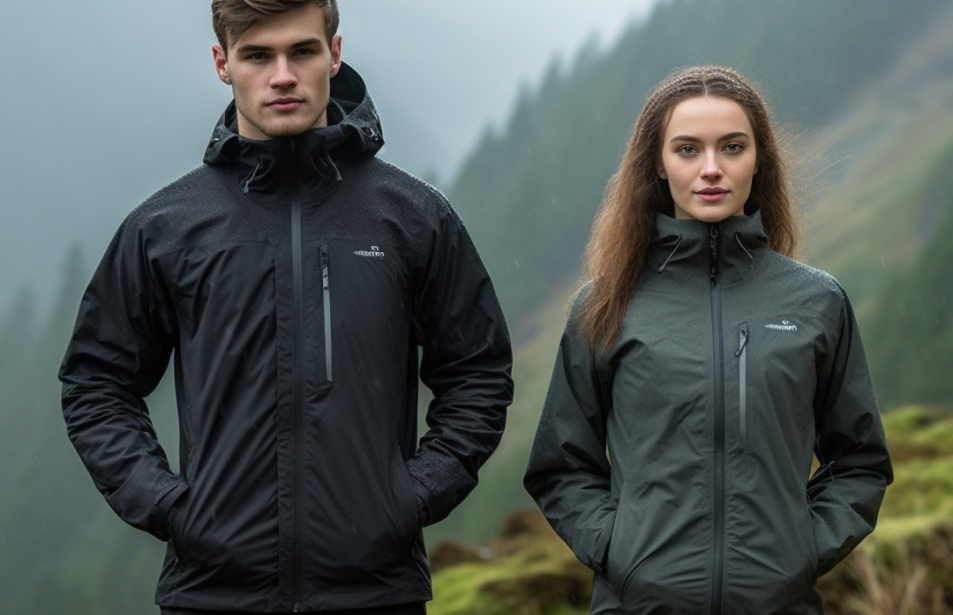
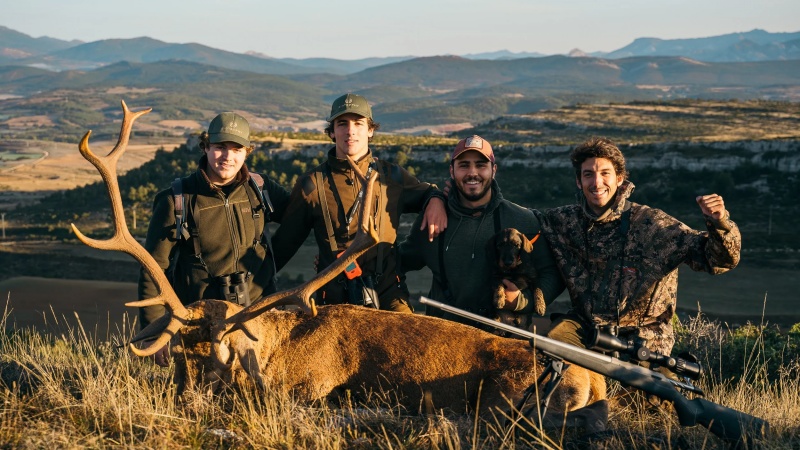
Choosing the best color to wear while hunting goes far beyond personal preference—it is closely tied to safety, concealment, game behavior, textile engineering, and environmental adaptation. For global outdoor brands and professional buyers, color selection directly influences the performance of Hunting Clothing, product competitiveness, and regulatory compliance.
This article provides a comprehensive technical and market-driven analysis of hunting apparel colors, supported by global industry trends, manufacturing standards, textile technologies, and the purchasing criteria of international B2B buyers. As a long-term OEM/ODM producer of high-performance outdoor apparel, Bowins offers insights derived from material science, camouflage research, and large-scale manufacturing experience.

Global Industry Overview of Hunting Clothing
Market Size & Growth Trends
According to recent market studies, the global hunting apparel industry is projected to exceed USD 25 billion by 2030, with a CAGR of 6%–7% driven by:
Growing hunting participation in North America and Europe
High demand for performance textiles (waterproof, insulated, windproof)
Increased adoption of advanced camouflage systems
Rising preference for safety-regulated visibility garments
More than 70% of premium Hunting Clothing is produced through OEM/ODM supply chains in Asia, making technical manufacturing capability a core competitive factor for suppliers.

What Is the Best Color to Wear While Hunting?
The answer depends on purpose, game type, environment, and local laws. The two most influential color strategies are:
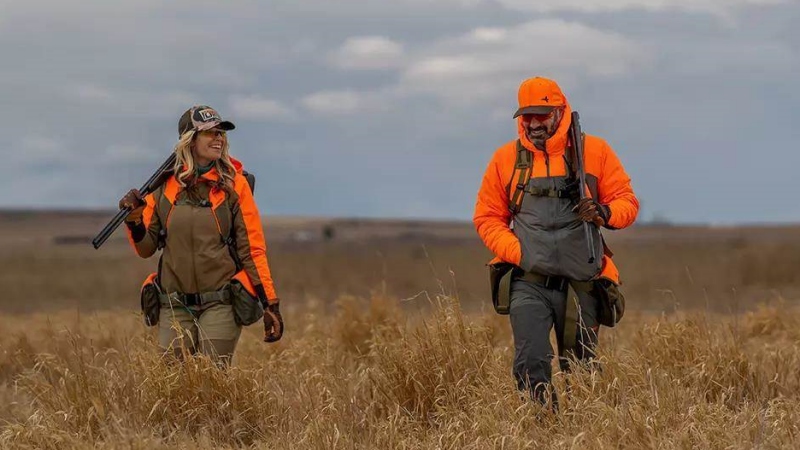
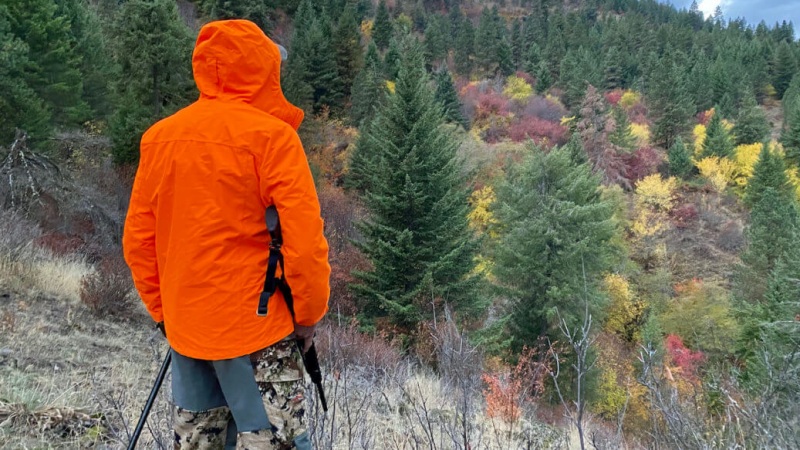
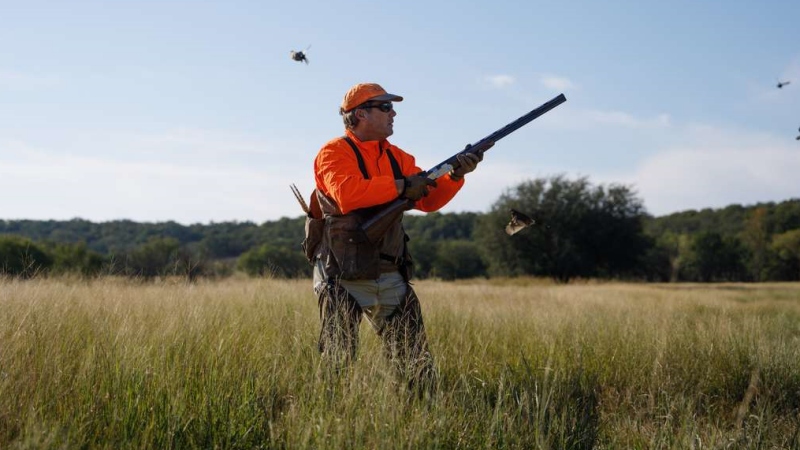
1. Blaze Orange for Safety
Also known as Hunter Orange or Safety Orange, this color is the legally required and recommended choice in many regions.
Why it works:
Applications:
For commercial buyers, the color fastness, reflectivity level, and compliance verification are major purchasing points.
2. Camouflage Patterns for Concealment
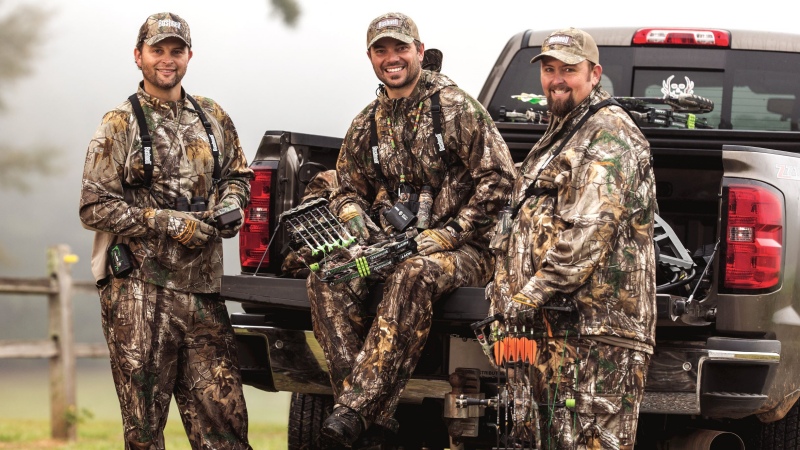
When laws allow camouflage-only garments, camo systems become the top choice. Effective Hunting Clothing integrates colors and patterns adapted to environment types:
Woodland Camo (greens, browns, blacks) for dense forests
Desert Camo (tan, beige) for dry open terrain
Snow Camo (white, grey) for winter hunting
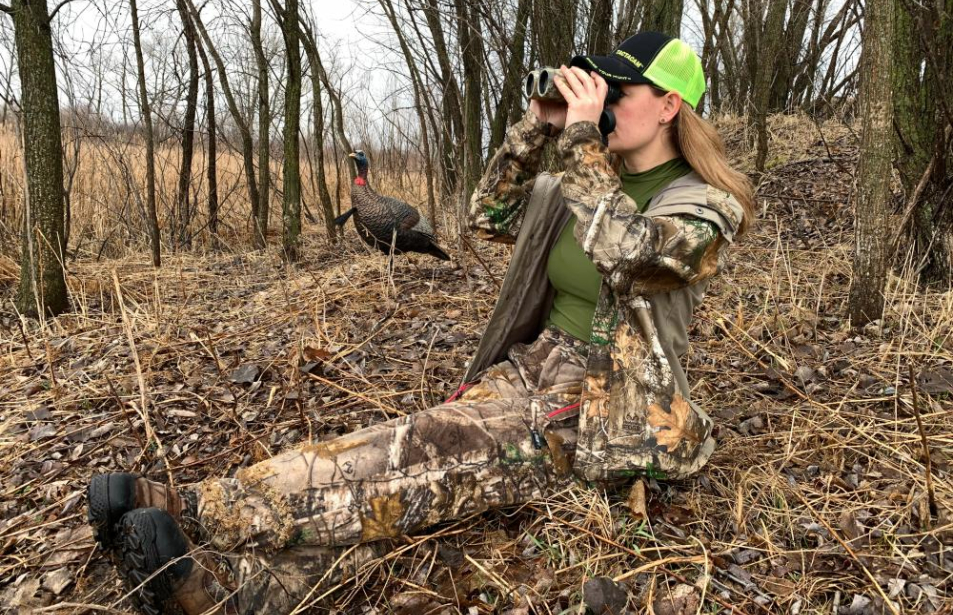
Realtree / Mossy-Oak style digital camo for multi-environment concealment
Key color-related performance indicators:
High-quality camouflage requires highly calibrated printing processes to maintain optical accuracy.

Technology Behind Hunting Clothing Colors
Colorfastness Standards
Premium hunting textiles must meet:
Buyers expect Grade 4–5 colorfastness for commercial acceptance.
Infrared & UV Color Stability
Animals perceive UV differently than humans. Poorly engineered fabrics may reflect UV light, making hunters more visible. Advanced coatings and yarn-dyeing technologies minimize UV reflections.
Printing & Dyeing Technologies Used
Bowins and similar manufacturers typically apply:
Digital sublimation printing for sharp multi-layer camo
Disperse dye for polyester waterproof fabrics
Solution-dyed yarns for long-lasting color stability
Infrared-absorbent additives for concealment optimization
Each method affects durability, wash resistance, and environmental compliance.

Product Structure & Material Considerations
A typical high-performance hunting jacket includes:
Outer Shell (Color-Critical Layer)
Mid-Layer Insulation
Inner Lining
Optional Technologies
Waterproof membranes (10K–20K mm hydrostatic rating)
Windproof barriers
Silent fabrics to minimize noise
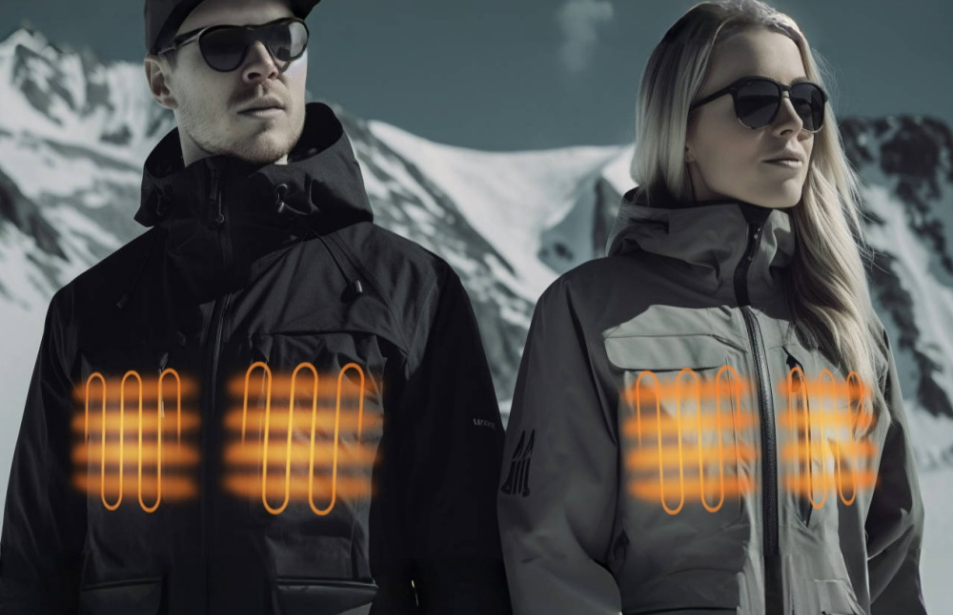
Heating solutions for extreme climates
Color performance must be maintained across all layers without affecting breathability or durability.

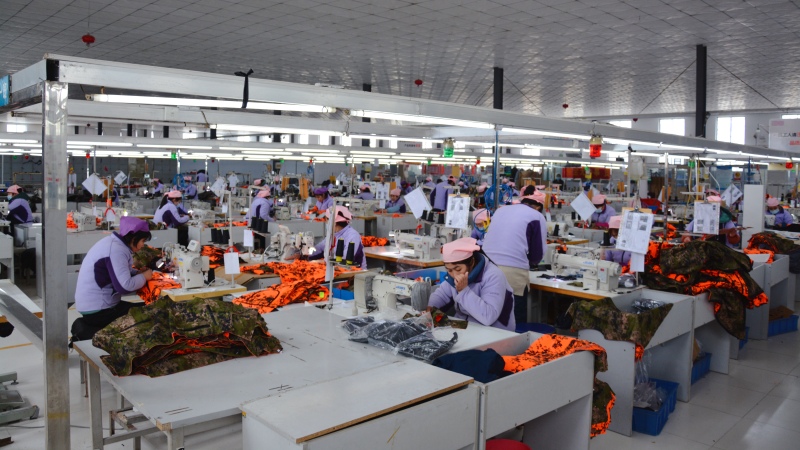
Manufacturing Process of Hunting Clothing
1. Design & Pattern Engineering
R&D teams develop silhouettes, camo mapping, and functional zoning.
2. Material Sourcing & Lab Testing
Colorfastness, waterproofness, IR signature, abrasion resistance, and chemical compliance are tested before bulk production.
3. Digital Camo Printing or Dyeing
Precision printing ensures accurate environmental mimicry.
4. Laser Cutting & Automated Fabric Preparation
Ensures panel accuracy and uniformity around camo alignment.
5. CNC Sewing & Seam Construction
Includes seam sealing, reinforcement, and noise-reduced stitching.
6. Multi-Stage Quality Inspection
Color matching, defect elimination, performance tests, and fit confirmation.
7. Packaging & Export Logistics
Bulk export according to buyer preferences and regional compliance.

International Buyer Preferences & Pain Points
Global B2B buyers focus on:
Key Preferences
Accurate and region-specific camouflage coloring
High-visibility orange that meets safety standards
Reliable waterproofness and breathability
Durability under extreme conditions
Silent materials suitable for stalking
Ability to customize patterns, trims, and heat panels
Common Pain Points
Inconsistent camo color reproduction between batches
Poor UV/IR control in low-quality fabrics
Delayed sampling and slow development cycles
Shortage of professional technical designers
Suppliers lacking testing reports or international compliance
Bowins’ integrated R&D and manufacturing system helps buyers overcome these issues through consistent quality, technical validation, and high-volume production reliability.
FAQ
1. Do different hunting regions require different colors?
Yes. North America often mandates Blaze Orange, while some European regions allow full camouflage. Buyers must confirm local regulations before placing orders.
2. Can your factory customize camouflage patterns?
Yes. Bowins offers custom digital camo development including color matching, multi-layer printing, and regional environment simulation.
3. How do you ensure consistent color quality across bulk orders?
We conduct multi-stage colorfastness tests, digital color calibration, and batch-controlled dyeing to maintain uniformity.
4. What is the minimum order quantity for Hunting Clothing?
Typical MOQ ranges from 500–1000 pieces per style depending on fabric type, printing method, and customization level.
For brands, distributors, and importers seeking reliable OEM/ODM support for high-performance Hunting Clothing, Bowins provides samples, technical specifications, and competitive quotations upon request. Contact our team to begin your product development or sourcing project.
 Francés
 Español
 Русский
 German
 Português
 Swedish
 Italian
 العربية
 Japanese