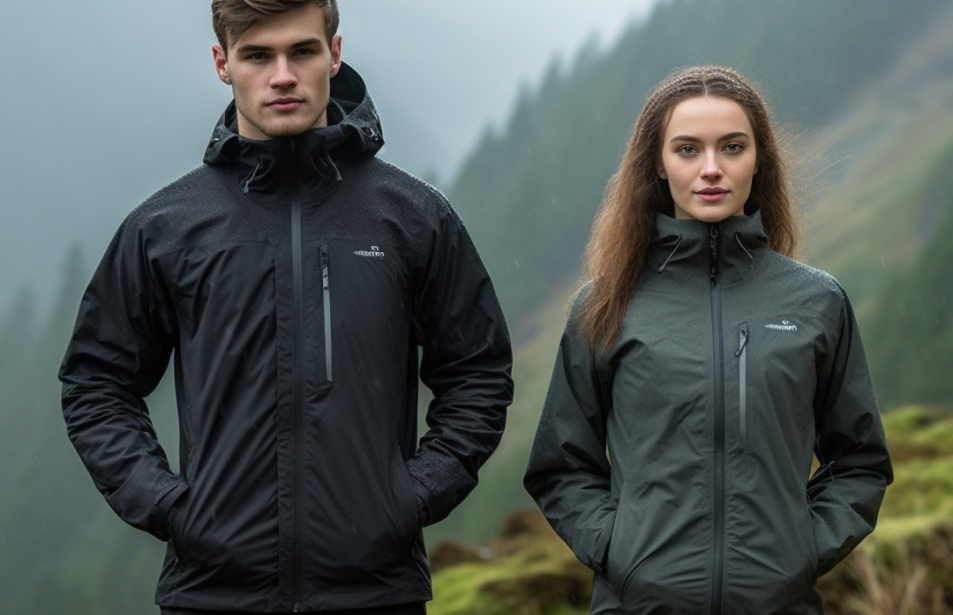
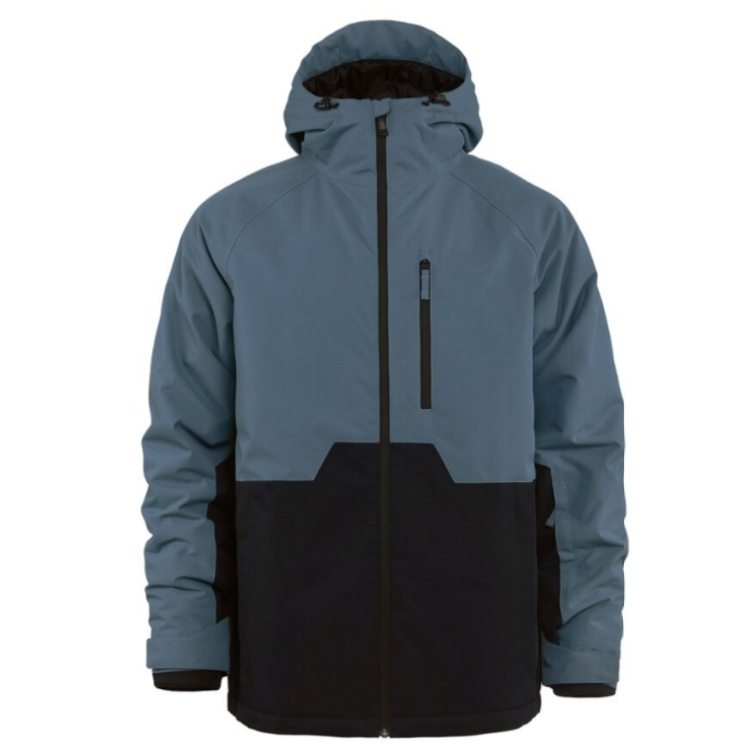
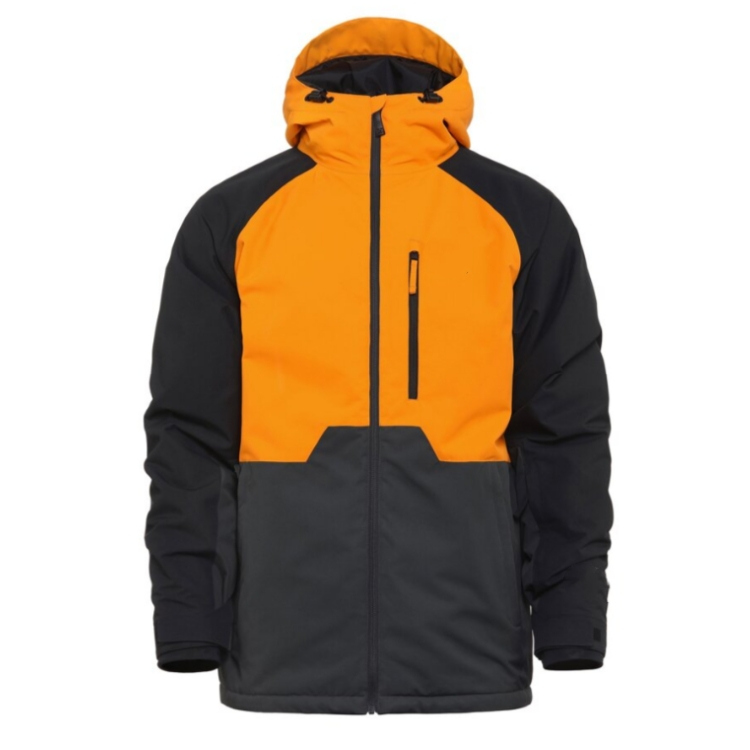
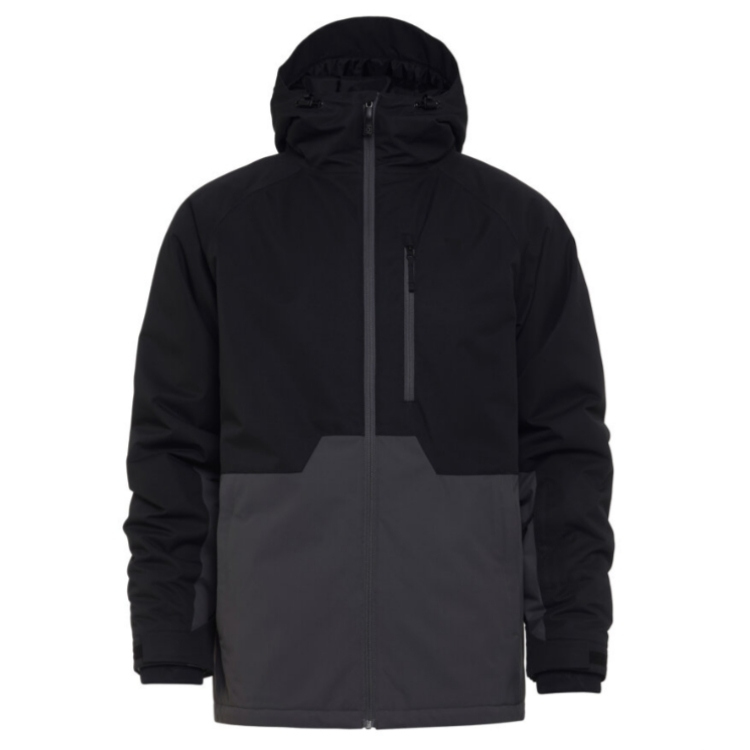
Global Demand Rising for New Arrival Waterproof Insulated Snow Jacket
The global outerwear and technical apparel market has experienced accelerated growth in recent years, driven by the increasing need for high-performance winter garments. Among the fastest-expanding categories is the New Arrival Waterproof Insulated Snow Jacket, a product type that caters to both outdoor recreation and professional winter environments. According to industry estimates, the global insulated outerwear segment is projected to exceed USD 18 billion by 2028, with waterproof and thermal-engineered jackets representing a substantial share of that total.
This rising demand is closely connected to colder winter conditions in multiple regions, consumer interest in alpine sports, and the expanding workwear sector that requires weather-resistant protection. As international distributors and B2B buyers adjust their sourcing strategies, the market increasingly favors lightweight, high-insulation, and environmentally responsible materials integrated into advanced snow jackets. The New Arrival Waterproof Insulated Snow Jacket continues to emerge as a preferred option due to its combination of durability, performance and modern manufacturing technology.
Market Trends Influencing Global Procurement
Recent purchasing trends reveal a distinct shift toward multifunctional winter jackets capable of supporting various activities such as skiing, snowmobiling, cold-region commuting, and industrial field operations. Buyers now expect waterproof insulated winter jackets that deliver dependable warmth without excessive bulk. At the same time, long-tail search patterns—such as “lightweight insulated snow jacket,” “technical waterproof winter coat,” “breathable ski outerwear,” and “thermal-lined alpine jacket”—indicate an increased focus on technical accuracy and product performance.
Another major trend shaping the category is the adoption of advanced membrane technologies such as PU-coated fabrics, laminated waterproof barriers, and high-loft synthetic insulation engineered for stable thermal retention. These enhancements allow the New Arrival Waterproof Insulated Snow Jacket to meet the expectations of buyers who require quantifiable performance metrics to support B2B procurement decisions.
Technical Parameters and Performance Specifications
Waterproof and Breathability Ratings
A modern snow jacket must deliver reliable weather protection. Industry-standard waterproof ratings typically range from 5,000 mm to 20,000 mm, depending on application scenarios. For international buyers targeting premium retail or professional outdoor usage, 10,000 mm and above is considered the optimal benchmark. Breathability ratings—measured in g/m²/24h—usually fall between 5,000 and 15,000, ensuring moisture escape during high-intensity activity.
Insulation Composition
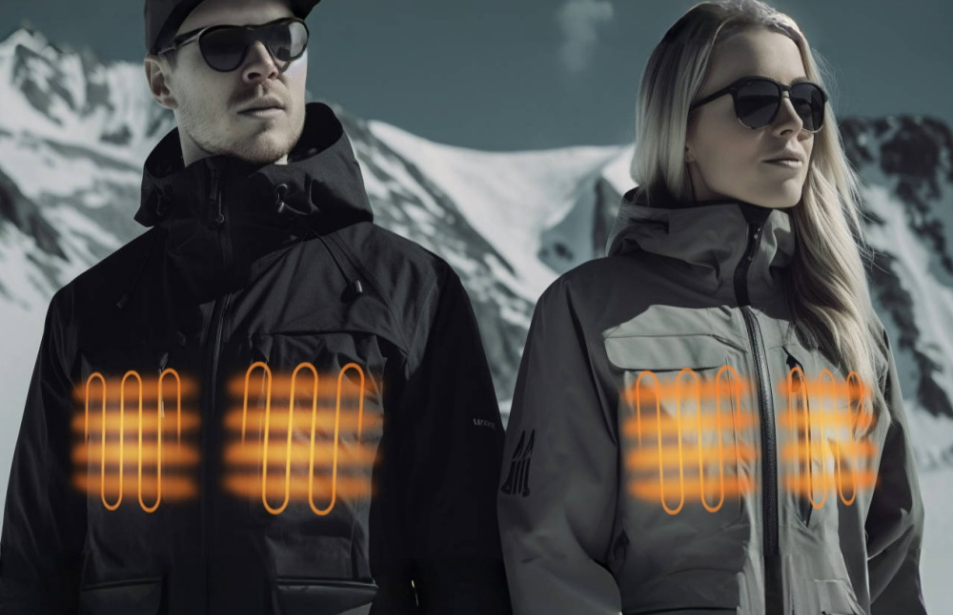
The insulation layer of a New Arrival Waterproof Insulated Snow Jacket generally features synthetic thermal padding constructed from polyester microfibers to mimic the loft and heat retention of natural down. High-density synthetic fill is valued for its structural stability, moisture resistance, and ease of maintenance. Thermal mapping techniques are frequently applied to ensure insulation is placed strategically, enhancing comfort while maintaining mobility.
Fabric Structure and Shell Construction
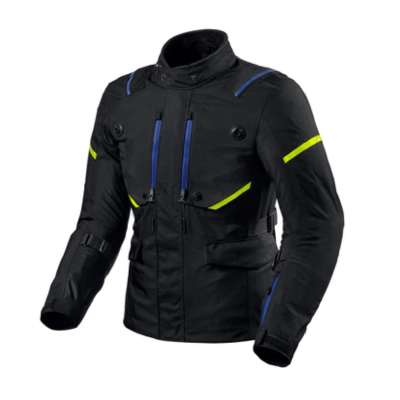
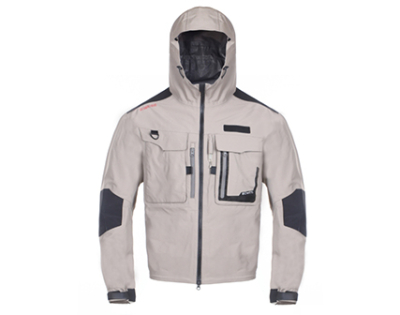
The shell commonly incorporates abrasion-resistant woven fabrics, seam-sealed linings, windproof storm flaps, adjustable cuffs, and reinforced zippers. These elements combine to create a garment suitable for prolonged exposure to snow and wind. Many buyers also require detachable or adjustable hoods, extended back panels, and ergonomic cut lines that support dynamic outdoor movements.
Manufacturing Workflow and Quality Control
Producing a high-performance snow jacket involves a multi-stage manufacturing process aimed at ensuring durability, comfort, and consistency. Key stages include pattern development, fabric lamination, thermal quilting, seam taping, precision cutting, and multi-point stitching. Every production lot is evaluated for waterproof integrity, insulation distribution, zipper strength, and aesthetic uniformity.
Recent innovations include automated quilting machinery, computer-assisted cutting tables, and laser seam technologies that significantly enhance production accuracy. The integration of sustainability protocols—such as reduced-chemical coatings and recycled insulation fibers—has also become a critical quality parameter demanded by global purchasers.
What International Buyers Look for in a Snow Jacket Supplier
Buyers sourcing New Arrival Waterproof Insulated Snow Jacket models are increasingly selective, prioritizing measurable performance and stable supply capabilities. Key purchasing preferences include:
• Verified waterproof test reports and material certifications
• Consistent insulation performance across large production runs
• Competitive bulk MOQ with scalable capacity for seasonal peaks
• Customization options such as logo printing, color variations, and technical upgrades
• Clear lead times, after-sales support, and transparent QC documentation
Common pain points include inconsistent waterproof ratings, insufficient insulation quality, color discrepancies between batches, and delayed delivery schedules during peak winter sourcing seasons. Suppliers able to provide structured technical data, strong communication, and flexible order management tend to perform best in the global market.
Applications Across Outdoor Sports and Cold-Climate Work Environments
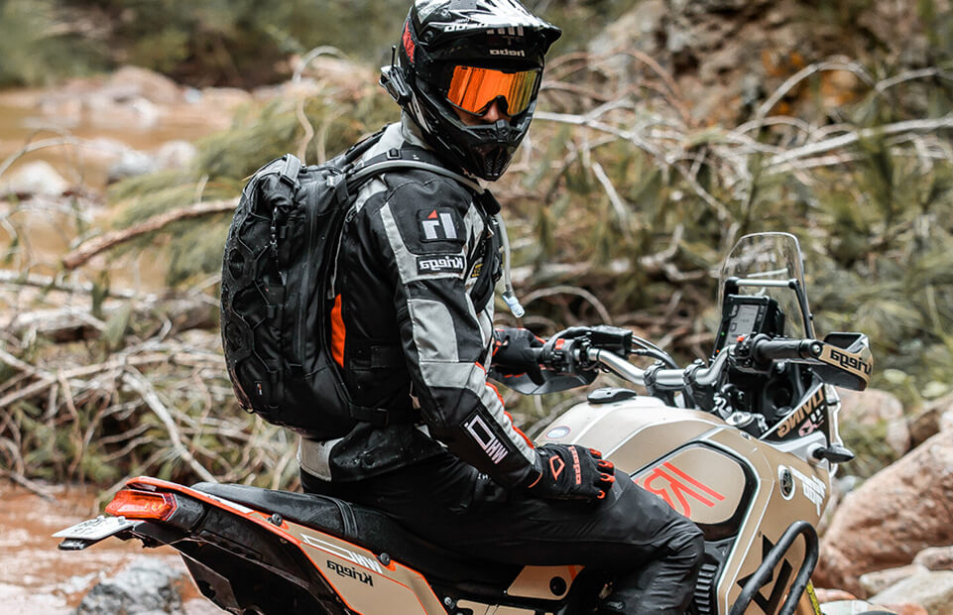
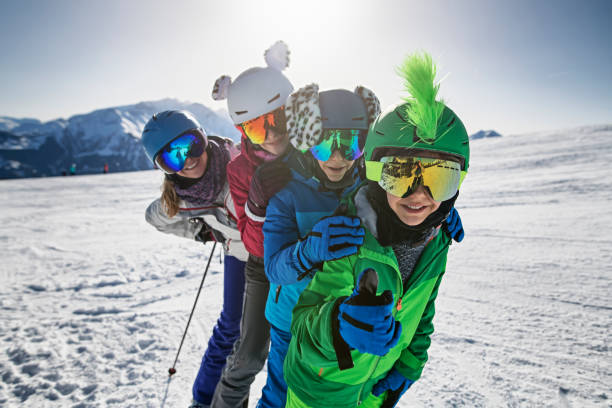
The versatility of the New Arrival Waterproof Insulated Snow Jacket allows it to serve a wide range of industries. In the sports sector, it is used in skiing, snowboarding, cross-country trekking, and expedition travel. In professional environments, it supports logistics workers, road maintenance teams, security personnel, emergency response units, and individuals in remote cold-region facilities.
The growing preference for thermal, waterproof outerwear that can be worn in both recreational and industrial contexts is strengthening the market position of this product type, particularly among distributors, wholesalers, and corporate buyers seeking long-lasting apparel that reduces replacement frequency.
Conclusion: A Competitive Advantage for Importers and Distributors
The expanding global demand for high-performance winter apparel positions the New Arrival Waterproof Insulated Snow Jacket as a strategic product category for international buyers. With its technical construction, reliable insulation system, and precise manufacturing workflow, this jacket meets both the functional and commercial requirements of modern markets. Buyers who secure stable sourcing channels today will be better positioned for competitive growth during peak winter cycles.
Frequently Asked Questions (FAQ)
Q1: What is the typical waterproof rating required for professional outdoor markets?
Most international buyers prefer a minimum waterproof rating of 10,000 mm for advanced winter use.
Q2: Can insulation thickness be customized for different climates?
Yes, insulation levels can be adjusted according to the temperature range or target consumer market.
Q3: What is the standard production lead time for bulk orders?
Lead times generally range from 35 to 55 days depending on order volume and customization requirements.
Q4: Do you offer material certification or third-party testing reports?
Yes, comprehensive testing documentation can be provided upon request.
For detailed specifications, bulk pricing, or sample evaluation of our New Arrival Waterproof Insulated Snow Jacket, please contact us to obtain a complete technical datasheet and quotation package.


 Francés
 Español
 Русский
 German
 Português
 Swedish
 Italian
 العربية
 Japanese