 Francés
 Español
 Русский
 German
 Português
 Swedish
 Italian
 العربية
 Japanese


Can You Wear Motorcycle Jackets Casually? The Crossover Trend Redefining Protective Apparel
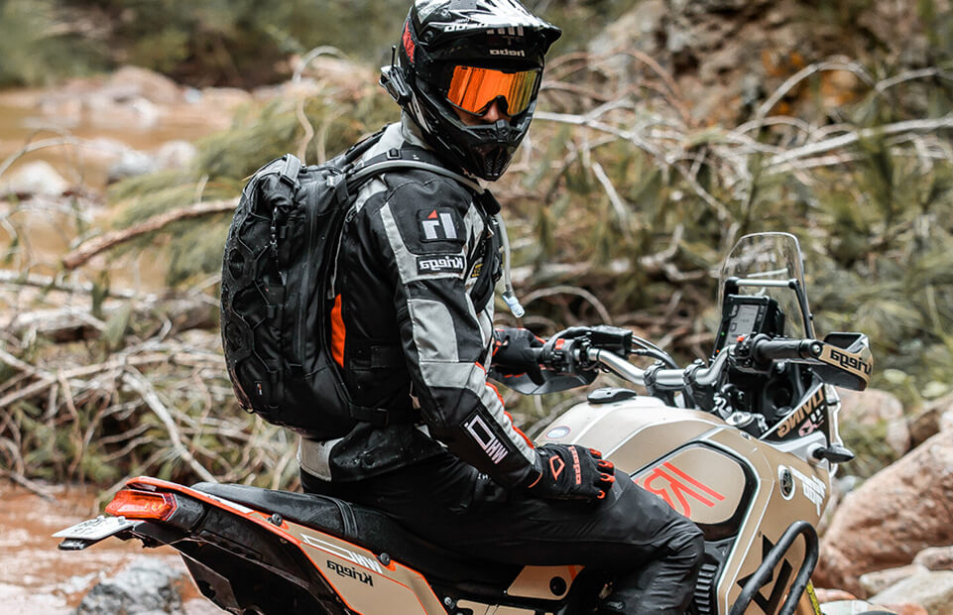
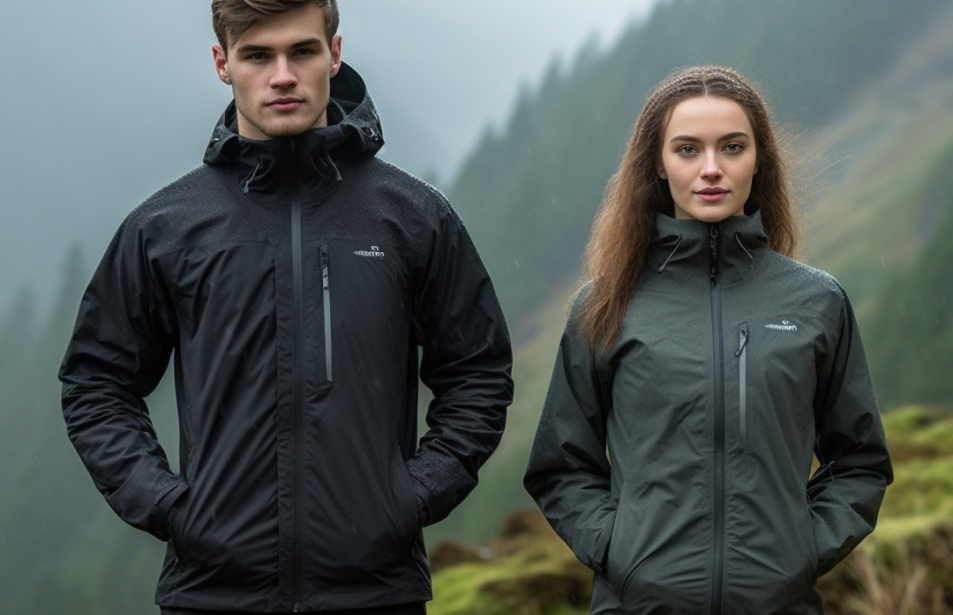
The boundary between dedicated safety gear and mainstream fashion is undergoing a significant blur. A prominent global trend sees the motorcycle jacket transitioning from a purely functional piece of riding equipment to a staple of urban style. This shift is driven by consumer demand for apparel that seamlessly merges certified protection, contemporary aesthetics, and everyday versatility. For the international B2B buyer, this evolution represents a substantial market opportunity within the broader motorcycle clothing sector. The industry is expanding its reach to cater not only to avid riders but also to a style-conscious audience that values the rugged appeal and inherent safety of technical outerwear for daily use. This movement is fueled by continuous innovation in material science and design, allowing protective features to become more discreet, comfortable, and integrated into garments suitable for all-day casual wear. Understanding this convergence is key to sourcing and supplying the next generation of successful urban motorcycle apparel and crossover motorcycle gear.
Global Industry Landscape and Market Data
The global market for motorcycle apparel demonstrates robust and steady growth. Having reached a value of over USD 13 billion in 2023, it is projected to expand at a Compound Annual Growth Rate (CAGR) of approximately 5-6% in the coming years, with forecasts suggesting it could exceed USD 20 billion by 2033. This growth is underpinned by several interconnected factors:
Increasing Safety Regulations and Awareness: Stricter helmet laws and growing awareness of rider safety across many regions are fundamental drivers, creating consistent demand for certified protective gear.
The "Style and Safety" Crossover Phenomenon: The most influential current trend is the fusion of high-fashion aesthetics with genuine protective functionality. Consumers are actively seeking crossover motorcycle jackets that offer authentic safety features—such as abrasion-resistant textiles and impact armor—in designs that are appropriate for social and professional urban environments.
Shifting Consumer Demographics: The target audience now extends beyond core motorcyclists to include urban commuters, fashion enthusiasts, and admirers of subcultures like café racer and vintage motorcycle styles, who may purchase the jacket for its aesthetic and symbolic value as much as its protective utility.
This evolution signals a fundamental change from purchasing single-purpose gear to investing in versatile, high-quality apparel that serves multiple facets of a modern lifestyle, effectively broadening the motorcycle clothing market scope.
From Gear to Fashion: The Evolution of Technology and Design
The foundation of any legitimate motorcycle jacket is, and must remain, protection. For a jacket to succeed in the casual crossover market, this protection must be integrated so seamlessly that it doesn't compromise comfort or style. This is achieved through several critical technical elements.
Core Protective Technologies and Specifications
Abrasion-Resistant Shell Materials: The outer shell is the first line of defense. Performance is measured against rigorous standards like CE EN 17092, which classifies garments from AAA to C based on their abrasion resistance, tear strength, and impact protection. Traditional choices include full-grain leather and high-denier Cordura® nylon. For the casual market, advanced materials like aramid fiber blends (e.g., Kevlar®) and multilayer composite textiles are gaining popularity for their excellent protection-to-weight ratio, flexibility, and quieter finish compared to heavy leather.
Impact Protection Systems: Removable CE-certified armor at the shoulders, elbows, and back is non-negotiable for safety. The trend leans toward low-profile, flexible protectors (meeting CE Level 1 or 2 standards, EN 1621-1) that offer substantial impact absorption while being thin enough to remain discreet and comfortable for all-day wear.
Weatherproofing and Comfort Features: A high-performance waterproof and breathable membrane (e.g., Gore-Tex or equivalent proprietary laminates) is a major value-added feature. Strategic ventilation via zippers, thermal liners, and meticulously designed collars and cuffs ensure the jacket performs in variable conditions, enhancing its practicality for diverse daily uses beyond motorcycling.
The Shift in Design Philosophy
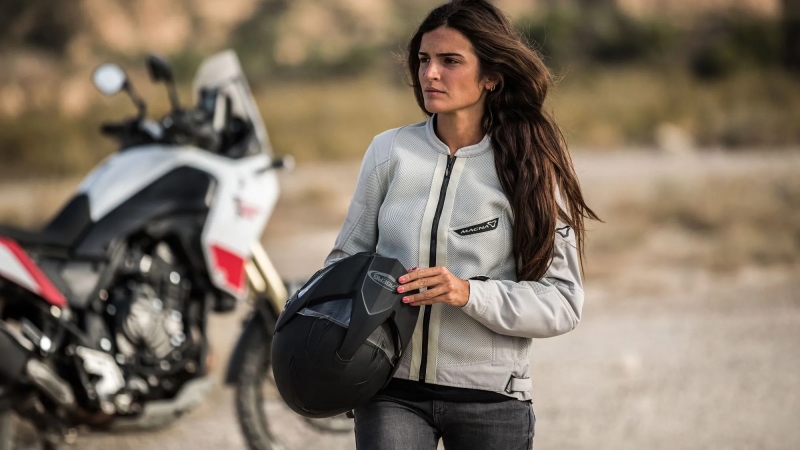
The manufacturing process for a casual riding jacket necessitates a meticulous balance. The pattern must accommodate the ergonomic "riding posture"—with pre-curved sleeves and a slightly elongated back—while also ensuring a flattering, tailored silhouette when standing. Designers are skillfully incorporating classic fashion elements: minimalist branding, premium zippers and hardware, and a refined color palette (e.g., matte black, charcoal, olive, navy). The ultimate goal is to house technical features like discreet armor pockets and hidden ventilation within a clean, sophisticated exterior that appeals to a fashion-forward audience.
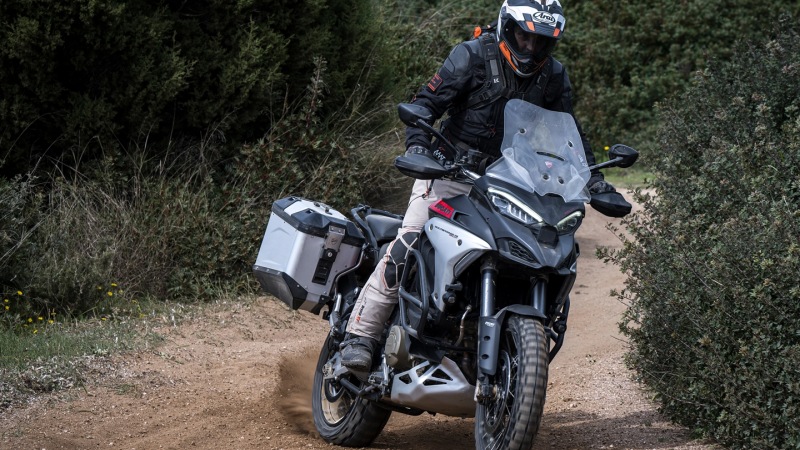
Product Construction and Manufacturing: Balancing Protection and Aesthetics
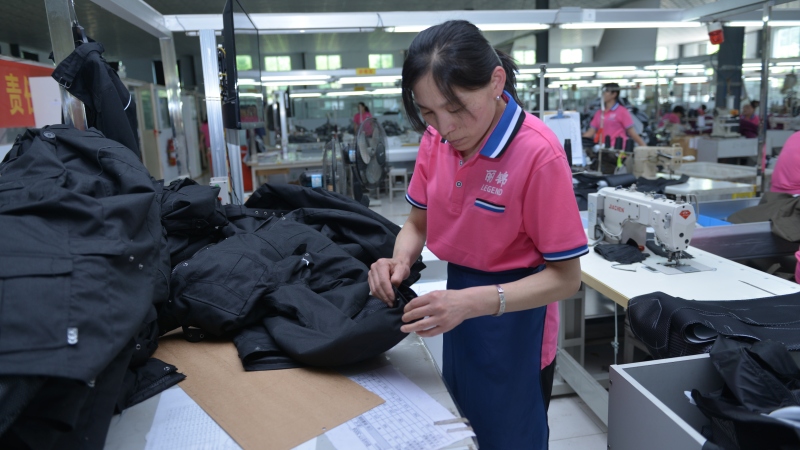
The assembly of a premium crossover jacket is a multi-stage process demanding high precision and quality control:
Design and Engineering: Technical designers create patterns that integrate protective panels in high-impact zones. These panels are strategically shaped and placed to maximize safety without restricting movement, considering both riding and casual postures.
Material Cutting and Preparation: The shell materials, often complex technical fabrics, are precision-cut using computer-guided machines for consistency. Aramid or other protective liners may be sewn or laminated into specific panel sections at this stage.
Assembly and Reinforcement: Skilled technicians assemble the jacket. All critical stress points—such as armor pocket attachments, zipper ends, and seam intersections—are reinforced with bar-tacking stitches. This step is crucial for the long-term durability and safety integrity of the garment.
Seam Sealing and Finishing: For waterproof models, every seam is meticulously sealed with thermo-activated waterproof tape. The final steps include installing liners, armor, all hardware, and conducting rigorous quality checks for stitching integrity, zipper function, and overall finish.
Sourcing Guide for International Buyers: Preferences, Pain Points, and Solutions
Informed B2B buyers evaluate potential suppliers and products against several key criteria when sourcing urban motorcycle apparel:
Certification and Compliance: The foremost priority is verifying authentic CE certification. Buyers must request official test reports for the garment (EN 17092) and its armor (EN 1621-1) from the supplier. This is the primary differentiator between a true protective garment and a fashion-inspired lookalike.
Material Transparency and Authenticity: Specifications for abrasion-resistant materials must be scrutinized. Vague claims should be backed by specific denier counts, fabric composition (e.g., "42% Aramid, 58% Polyester"), or references to known brand-name materials.
Emphasis on Versatile Design: Products with features like removable thermal liners, adjustable ventilation systems, and discreet armor storage are highly sought after. This multifunctionality justifies a higher price point and caters to the consumer desire for a single jacket for multiple occasions.
MOQ and Customization Flexibility: A common sourcing challenge is high Minimum Order Quantities. Progressive manufacturers may offer more accessible pathways, such as lower MOQs on "semi-custom" models where buyers can customize colors, liners, and branding on an existing, certified jacket platform.
Frequently Asked Questions (FAQ) for B2B Buyers
Q1: How can we, as buyers, verify the authenticity of safety certifications claimed by a new apparel supplier?
Always request official CE certification documents and the corresponding test reports from accredited, independent laboratories (e.g., SATRA, TÜV). These reports must clearly match the supplier's garment model and reference the applicable European standards (EN 17092 for the jacket, EN 1621-1 for armor). Treat any supplier unable or unwilling to provide these documents with caution.
Q2: What are the key material and construction differences between a fashionable "biker-style" jacket and a genuine protective motorcycle jacket suitable for casual crossover?
A genuine protective jacket utilizes a purpose-built, high-abrasion-resistance outer shell (CE-certified textile or leather) with reinforced, often double-stitched, seams. It includes certified armor pockets and, in mid-to-high-tier products, a bonded waterproof and breathable membrane. A fashion jacket typically uses standard materials like denim, polyester, or thin split-leather, lacks reinforced stitching, and does not include certified armor or weatherproofing.
Q3: For launching a new crossover collection, what is a typical Minimum Order Quantity (MOQ), and what elements are commonly customizable?
MOQs vary but often start from 500 pieces per style/color variant for a fully custom design from a quality OEM/ODM factory. Many suppliers offer greater flexibility by allowing customization (color, liner fabric, branding, trims) on their existing, pre-certified jacket "platforms" or "bases," which can significantly lower the initial MOQ and development risk for buyers.
Q4: What are the competitive wholesale price points for quality casual motorcycle jackets in the international market?
The competitive wholesale (FOB) price range for a well-constructed, CE-certified casual motorcycle jacket with a waterproof membrane and Level 1 armor typically falls between $75 and $140. This range accounts for the cost of technical materials, certified components, and competent manufacturing, positioning it above fast-fashion items but offering clear value versus premium professional racing gear.
Professional Call to Action: Lead the Crossover Movement
The fusion of motorcycle safety technology with urban fashion is a defining and enduring shift in the apparel market. Brands that successfully source and offer versatile, certified, and stylish motorcycle clothing are poised to capture a growing and loyal consumer base.
Ready to develop or expand your line of authentic crossover motorcycle jackets? Contact our specialist team today to request our comprehensive technical portfolio, detailed certification documentation, and competitive OEM/ODM pricing. We provide end-to-end manufacturing solutions for protective urban apparel, offering flexible customization to align with your brand's vision. Let's discuss how we can partner to create a collection that expertly embodies safety, style, and sophistication. Submit a formal inquiry now to receive full specifications, sample availability, and project lead time details.