 Francés
 Español
 Русский
 German
 Português
 Swedish
 Italian
 العربية
 Japanese




Hard Shell Clothing vs Softshell Jackets: What Global Buyers Need to Know
In the global outdoor apparel and performance wear market, understanding the difference between hard shell clothing and softshell jackets is critical for international buyers, distributors, and brand owners. As climate variability increases and outdoor activities continue to grow worldwide, demand for technically advanced outerwear has surged. However, confusion between hard shell and softshell products often leads to mismatched sourcing decisions, customer dissatisfaction, and inventory risk.
This article provides a comprehensive, data-driven comparison of hard shell clothing and softshell jackets, focusing on materials, structure, performance, manufacturing processes, and international procurement considerations. Drawing on Bowins’ extensive experience in technical outerwear manufacturing, we aim to support professional buyers in making informed sourcing and product strategy decisions.
Global Industry Background and Market Overview
The global outdoor apparel market was valued at over USD 35 billion in recent years and continues to expand at a steady CAGR driven by hiking, mountaineering, skiing, tactical applications, and urban outdoor lifestyles. Within this market, hard shell clothing represents a high-value technical segment due to its advanced waterproofing and weather-protection capabilities.
Hard shell jackets are particularly dominant in regions with extreme or unpredictable weather conditions, including North America, Northern Europe, and parts of East Asia. International B2B buyers increasingly prioritize performance-certified hard shell clothing to meet regulatory standards, professional use cases, and premium consumer expectations.

What Is Hard Shell Clothing?
Definition and Core Function
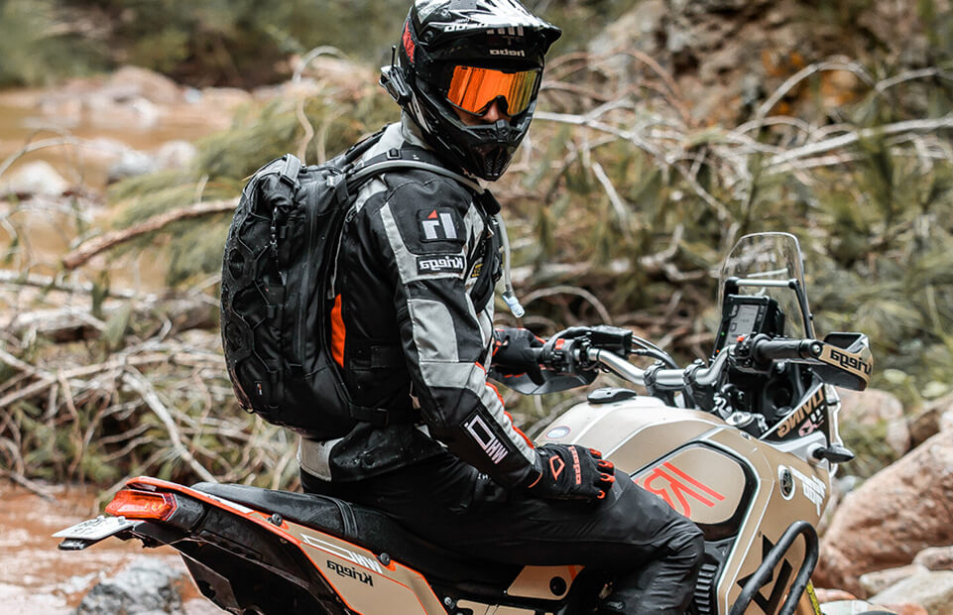
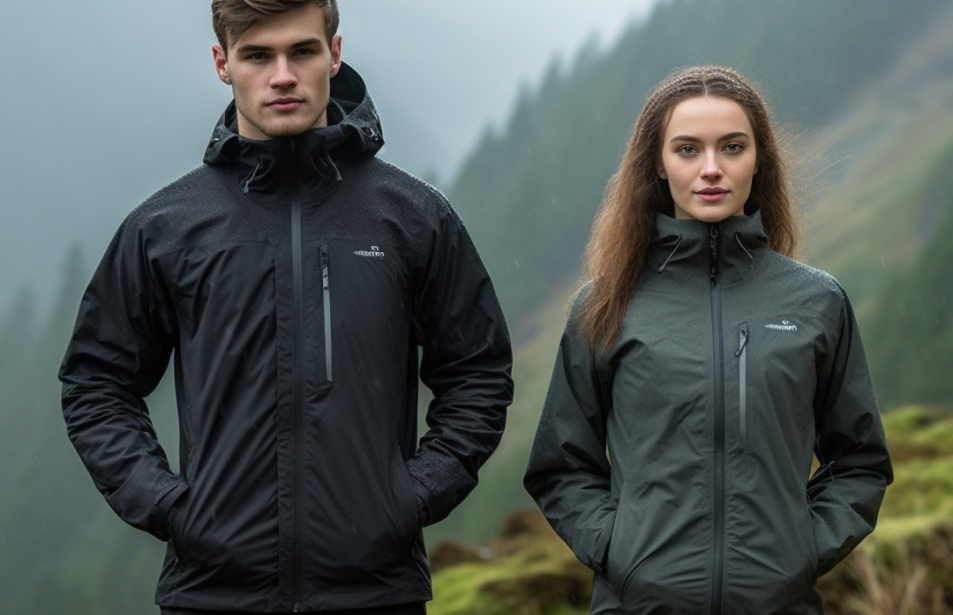
Hard shell clothing refers to outerwear engineered primarily for maximum weather protection, especially against rain, snow, wind, and harsh environmental conditions. Unlike softshell jackets, hard shell garments focus on barrier performance rather than stretch or insulation.
Key Technical Characteristics
Hard shell clothing is defined by the following attributes:
Fully waterproof and windproof outer layer
Breathable membrane technology
Seam-sealed construction
Minimal insulation (designed as an outer layer)
High abrasion resistance
Common technical standards include waterproof ratings of 10,000–30,000 mm and breathability levels exceeding 10,000 g/m²/24h, depending on application requirements.
What Is a Softshell Jacket?
Softshell jackets are designed to balance weather resistance with comfort, stretch, and thermal regulation. While they offer moderate wind and water resistance, they are not fully waterproof and are better suited for dry, cool conditions or high-mobility activities.
Softshell garments are commonly used for casual outdoor activities, light trekking, and everyday wear where comfort and flexibility outweigh extreme protection needs.

Hard Shell Clothing vs Softshell Jackets: A Technical Comparison
Material Structure
Hard shell clothing typically uses a 2-layer, 2.5-layer, or 3-layer laminate structure, combining a durable face fabric, functional membrane, and protective inner layer. Softshell jackets rely on woven or knitted fabrics with water-repellent finishes and fleece backing.
Weather Protection Performance
Hard shell clothing offers complete waterproof and windproof protection, making it suitable for alpine, marine, tactical, and industrial applications. Softshell jackets provide limited water resistance and are not suitable for prolonged exposure to heavy rain or snow.
Breathability and Comfort
While modern hard shell clothing has significantly improved breathability, softshell jackets still provide superior comfort and stretch during high-output activities. This difference directly influences buyer selection depending on end-user scenarios.
Manufacturing Process of Hard Shell Clothing
The production of hard shell clothing requires advanced manufacturing capabilities and strict quality control. At Bowins, the process typically includes:
Precision fabric selection and membrane lamination
Laser cutting to reduce seam bulk
Heat-sealed seam taping for waterproof integrity
Waterproof zipper integration
Final performance testing, including hydrostatic pressure and seam leakage tests
This complex manufacturing process explains why hard shell clothing commands higher unit prices and requires experienced OEM/ODM partners.
Market Trends Driving Hard Shell Clothing Demand
Several key trends are shaping the global hard shell clothing market:
Growth in professional outdoor and tactical sectors
Increased consumer awareness of technical specifications
Demand for lightweight, packable hard shell jackets
Sustainability initiatives using recycled membranes and PFC-free coatings
International buyers are increasingly requesting certified materials, traceable supply chains, and environmentally compliant hard shell clothing to meet regulatory and brand positioning needs.
International Buyers’ Procurement Preferences and Pain Points
Key Buyer Preferences
B2B buyers sourcing hard shell clothing prioritize:
Verified waterproof and breathability ratings
Consistent bulk production quality
Customizable designs and private labeling
Compliance with international standards (REACH, OEKO-TEX)
Common Procurement Challenges
Buyers often face challenges such as inconsistent membrane performance, poor seam sealing, inaccurate technical claims, and long development lead times. Choosing an experienced manufacturer like Bowins significantly reduces these risks.

Why Global Buyers Choose Bowins for Hard Shell Clothing
Bowins specializes in high-performance hard shell clothing for international markets, offering end-to-end OEM and ODM solutions. With deep expertise in fabric engineering, pattern development, and quality assurance, Bowins supports buyers across outdoor, workwear, and tactical sectors.
Our hard shell clothing solutions are engineered to balance durability, protection, and cost efficiency, ensuring long-term commercial value for distributors and brand owners.
Frequently Asked Questions (B2B)
Q1: Is hard shell clothing suitable for all climates?
Hard shell clothing is ideal for wet, windy, and extreme conditions but is typically layered with insulation for cold environments.
Q2: How does hard shell clothing differ in cost compared to softshell jackets?
Hard shell clothing generally has a higher unit cost due to advanced materials, membrane technology, and complex manufacturing processes.
Q3: What minimum order quantities apply for custom hard shell clothing?
MOQ depends on fabric selection and design complexity. Bowins offers flexible MOQ options for qualified B2B buyers.
Q4: Can hard shell clothing be sustainably manufactured?
Yes. Modern hard shell clothing can use recycled fabrics, eco-friendly membranes, and PFC-free coatings.
Partner with Bowins for Reliable Hard Shell Clothing Solutions
Selecting the right hard shell clothing supplier is a strategic decision that impacts product performance, brand reputation, and profitability. Bowins provides professional technical consultation, transparent manufacturing processes, and reliable global export services.
Contact Bowins today to request a quotation, detailed technical specifications, or product samples and elevate your outerwear sourcing strategy with confidence.