 Francés
 Español
 Русский
 German
 Português
 Swedish
 Italian
 العربية
 Japanese

What Is the Best Heated Clothing Brand in the Global Market?
As cold-weather work environments, outdoor recreation, and military-grade applications expand worldwide, heated clothing has transitioned from a niche consumer product to a fast-growing global functional apparel segment. For international distributors, importers, and private-label buyers, selecting the best heated clothing brand requires a structured evaluation of technology, manufacturing capability, compliance, and long-term supply stability.
Rather than a single “consumer-famous” name, the best heated clothing brand in B2B terms is defined by performance reliability, scalable production, and customization capability. In this context, manufacturers such as Bowins, which integrate advanced heating systems with vertically controlled apparel manufacturing, are increasingly favored by professional buyers.
Global Heated Clothing Industry Background and Market Data
Market Size and Growth Outlook
According to aggregated industry data from global textile and wearable technology associations, the heated clothing market exceeded USD 3.5 billion in 2024, with a projected CAGR of 7–9% through 2030. Growth is driven primarily by:
Outdoor workwear and industrial PPE
Cold-chain logistics and infrastructure projects
Military, police, and emergency services
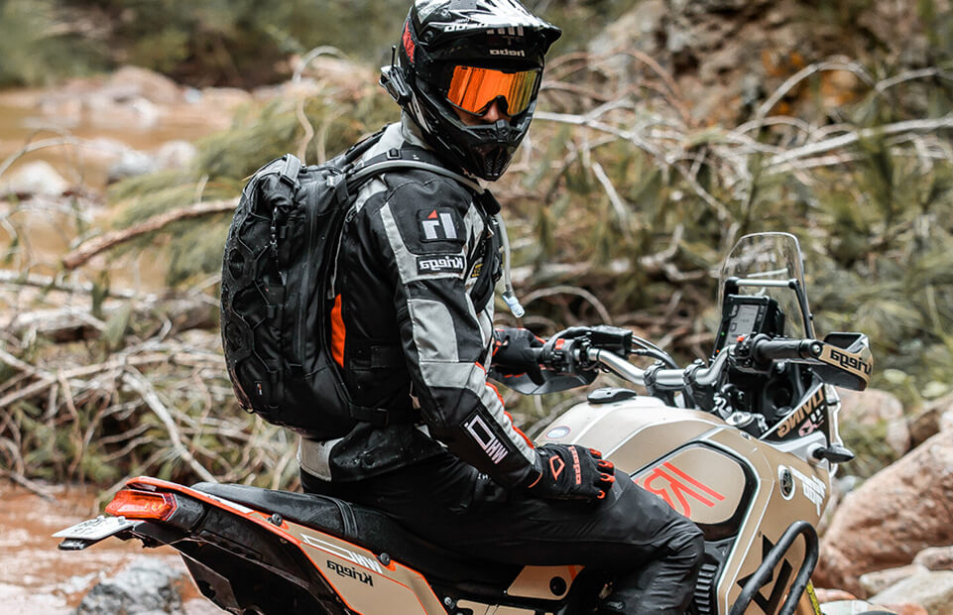
Outdoor sports, winter tourism, and motorcycle apparel
Heated clothing demand is strongest in North America, Northern Europe, Japan, and South Korea, while OEM sourcing is increasingly concentrated in Asia due to mature supply chains and cost efficiency.
B2B vs Consumer Market Dynamics
Unlike consumer retail heated apparel, the B2B heated clothing segment prioritizes:
Long-term thermal stability
Battery safety and lifecycle consistency
Compliance with CE, FCC, UL, and RoHS standards
OEM/ODM customization rather than branding alone
This distinction is critical when identifying the best heated clothing brand for wholesale or project-based procurement.
Key Trends Shaping the Best Heated Clothing Brands
Intelligent Temperature Control Systems
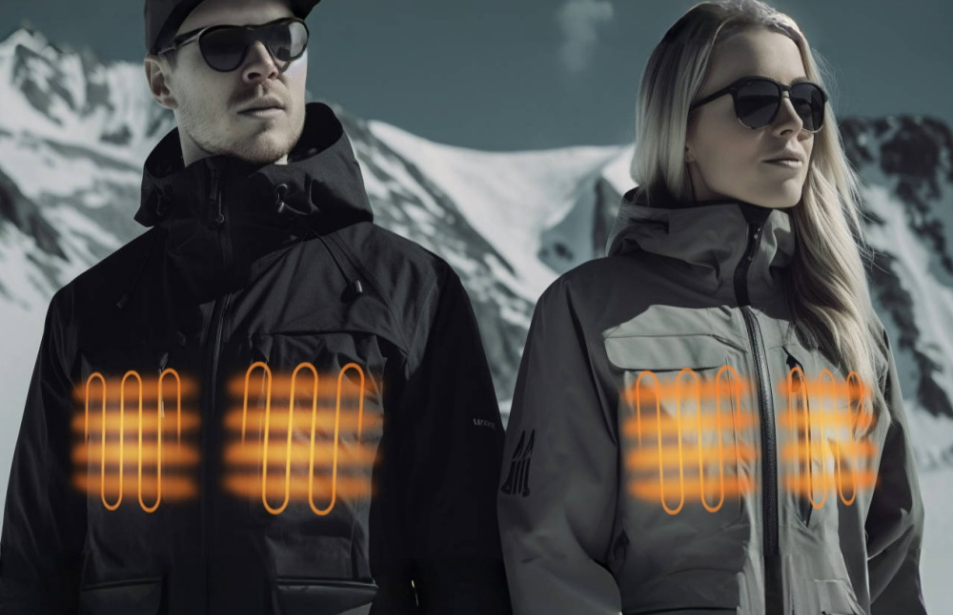
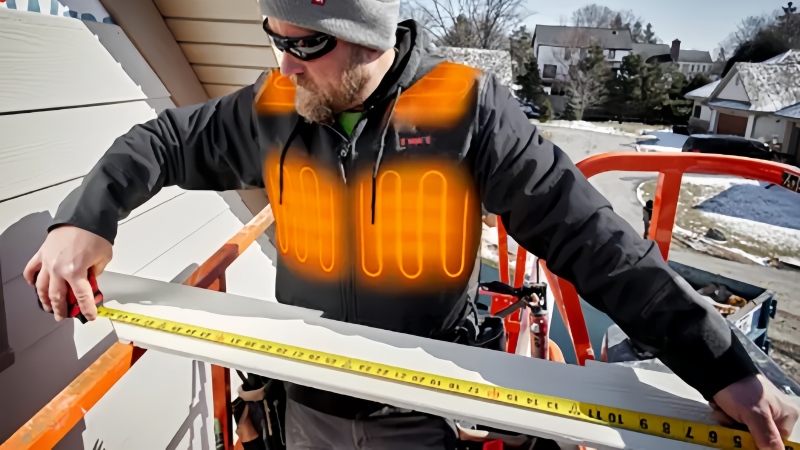
Modern heated clothing now integrates multi-zone heating, typically across the chest, back, and core heat retention areas. Leading brands adopt:
Carbon fiber or graphene heating elements
Three-level or stepless temperature control
Smart controllers compatible with power bank standards
Bowins has aligned its heated clothing systems with modular control architectures, enabling buyers to specify heating zones based on application requirements.
Lightweight, Energy-Efficient Design
Battery efficiency is a defining differentiator. The best heated clothing brands optimize:
Low-voltage (5V–7.4V) heating systems
Uniform heat distribution to avoid hotspots
Compatibility with certified lithium battery packs
This trend supports extended operation times for industrial and outdoor users.
Technical Parameters That Define High-Quality Heated Clothing
Core Technical Specifications
When evaluating heated clothing for B2B sourcing, buyers typically assess:
Heating element type: Carbon fiber, graphene
Heating zones: 3–6 zones depending on garment type
Temperature range: 35°C–55°C adjustable
Power source: Detachable lithium battery or USB power bank
Washability: Machine-washable after battery removal
Brands like Bowins emphasize standardized testing protocols to ensure consistency across bulk orders.
Fabric Structure and Thermal Performance
High-end heated clothing uses a multi-layer garment structure:
Outer shell for wind and water resistance
Insulation layer for heat retention
Integrated heating layer
Moisture-wicking inner lining
This construction balances thermal efficiency with wearer comfort, a core requirement for professional applications.
Manufacturing Process and Quality Control Standards
Integrated Manufacturing Advantages
The best heated clothing brands typically operate with:
In-house garment cutting and sewing
Proprietary heating element integration
Inline electrical safety testing
Batch-level aging and durability tests
Bowins adopts a vertically integrated manufacturing model, allowing precise control over both textile production and heating system assembly.
Compliance and Certification
For international buyers, compliance is non-negotiable. Reliable heated clothing suppliers provide:
CE / FCC electrical compliance
Battery safety certifications
REACH and RoHS material compliance
ISO-certified quality management systems
These certifications significantly reduce downstream import and regulatory risks.
International Buyer Preferences and Procurement Pain Points
What Global Buyers Look For
Procurement managers sourcing heated clothing consistently prioritize:
Stable long-term supply capacity
OEM/ODM flexibility for branding and sizing
Transparent cost structure
Clear warranty and after-sales policies
Brands positioned for B2B markets, such as Bowins, structure their product lines specifically around these needs.
Common Procurement Challenges
International buyers frequently encounter:
Inconsistent heating performance across batches
Battery compatibility issues
Poor documentation and technical support
Limited customization options
Selecting an experienced heated clothing manufacturer significantly mitigates these risks.
Why Bowins Is Recognized as a Competitive Heated Clothing Brand
Bowins has established itself as a reliable heated clothing supplier by combining functional apparel expertise with heating technology integration. Key strengths include:
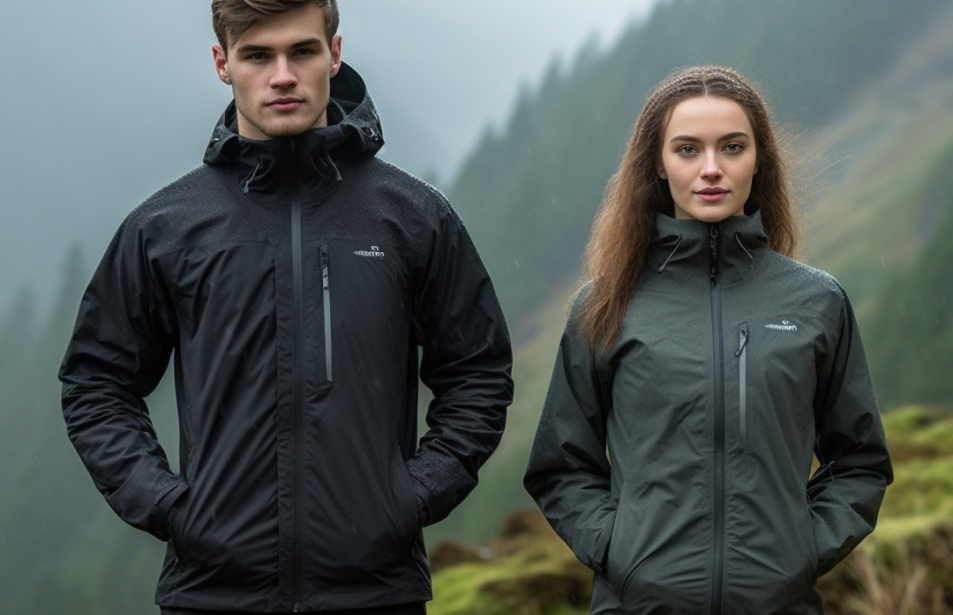
Multiple heated clothing categories (jackets, vests, base layers)
OEM/ODM development support
Scalable production for bulk orders
Dedicated technical documentation for international buyers
For distributors and private-label brands, this balance of engineering and manufacturing capability defines a best-in-class heated clothing partner.
Frequently Asked B2B Questions About Heated Clothing
F:What is the minimum order quantity for heated clothing OEM projects?
MOQ varies by design complexity, but most professional manufacturers support scalable MOQs suitable for pilot orders and market testing.
F: How safe are heated clothing batteries for international shipping?
Certified lithium batteries used in heated clothing comply with UN38.3 and relevant transport regulations when properly packaged.
F: Can heated clothing be customized for specific industries?
Yes. Heating zones, fabric selection, and garment structure can be adapted for construction, logistics, outdoor sports, or military use.
F: What after-sales support should B2B buyers expect?
Reliable suppliers provide technical manuals, replacement components, and warranty terms aligned with international trade practices.
Partner With a Trusted Heated Clothing Manufacturer
As the global heated clothing market continues to expand, choosing the best heated clothing brand is a strategic sourcing decision rather than a branding exercise. Manufacturers like Bowins, with proven technical capability and B2B-focused operations, offer international buyers a reliable pathway to market success.
For detailed specifications, pricing structures, and sample evaluation, professional buyers are encouraged to request technical documentation, quotations, and OEM consultation to ensure long-term supply alignment.


