 Francés
 Español
 Русский
 German
 Português
 Swedish
 Italian
 العربية
 Japanese



What Are You Supposed to Wear When Skiing? A Professional Guide to Skiing Clothing for B2B Buyers
As winter sports gain momentum worldwide, the global demand for high-performance skiing clothing continues to rise. For international B2B buyers sourcing apparel for retail, rental, or private-label distribution, understanding what skiers are supposed to wear—and why—is essential to making informed procurement decisions. This article explores the functional requirements, technological innovations, market dynamics, and emerging trends shaping the skiing clothing industry in 2025.
The Functional Anatomy of Skiing Clothing
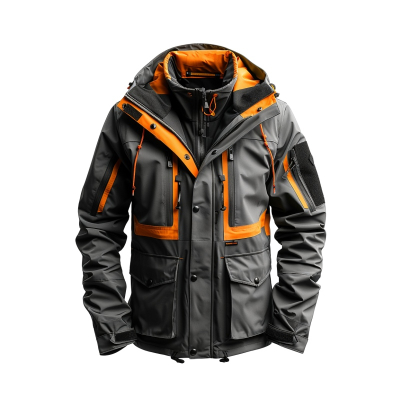
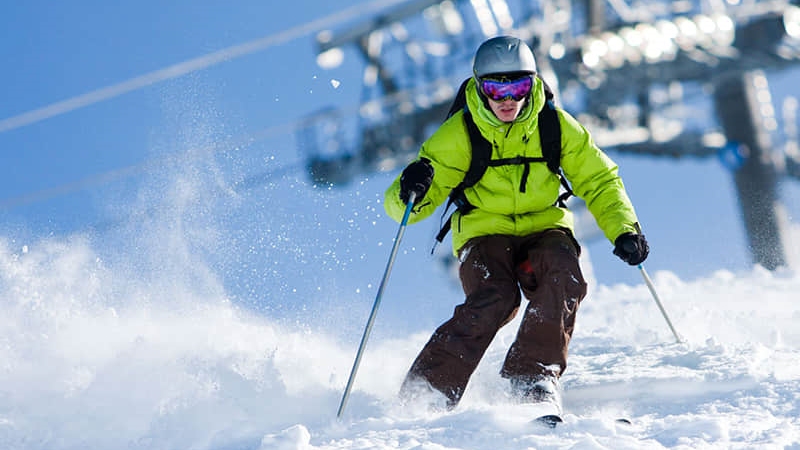
Skiing is an extreme outdoor activity that demands apparel capable of withstanding sub-zero temperatures, wind, snow, and moisture—while ensuring mobility and comfort. A typical ski outfit consists of three key layers:
Base Layer: Moisture-wicking fabrics like merino wool or synthetic blends (e.g., polyester with antimicrobial treatment) keep the skin dry.
Mid Layer: Insulating materials such as PrimaLoft®, Thinsulate™, or fleece retain body heat without adding bulk.
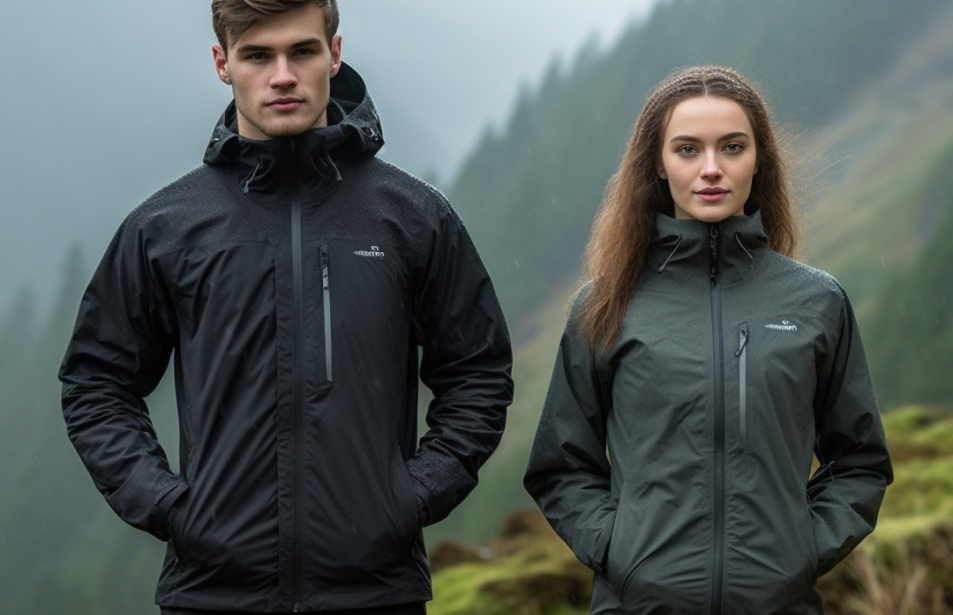
Outer Layer (Shell): Waterproof and breathable jackets and pants made from laminated textiles (e.g., Gore-Tex®, Dermizax™, or proprietary membranes) protect against snow and wind while allowing vapor to escape.
Beyond layering, essential ski clothing accessories include insulated gloves, balaclavas, goggles-compatible helmets, and moisture-resistant ski socks—all engineered for performance under harsh alpine conditions.
Global Market Overview and Growth Drivers
According to Statista, the global ski apparel market was valued at approximately USD 4.8 billion in 2024 and is projected to reach USD 6.2 billion by 2028, growing at a CAGR of 6.7%. Key drivers include:
Rising participation in winter sports across non-traditional markets (e.g., China, South Korea, and Eastern Europe)
Increased investment in ski resort infrastructure
Growing consumer preference for technical, sustainable, and fashion-forward outerwear
Expansion of e-commerce channels enabling direct-to-consumer and B2B2C models
North America and Europe remain dominant markets, but Asia-Pacific is the fastest-growing region, fueled by government-backed winter tourism initiatives ahead of events like the 2029 Asian Winter Games.
Emerging Trends in Skiing Clothing Design and Technology
Sustainability Meets Performance
Environmental responsibility is no longer optional. Leading brands now integrate recycled polyester (from post-consumer plastic bottles), PFC-free DWR (durable water repellent) coatings, and biodegradable insulation. Certifications like bluesign® and OEKO-TEX® Standard 100 are increasingly required by European and North American retailers.
Smart Textiles and Integrated Features
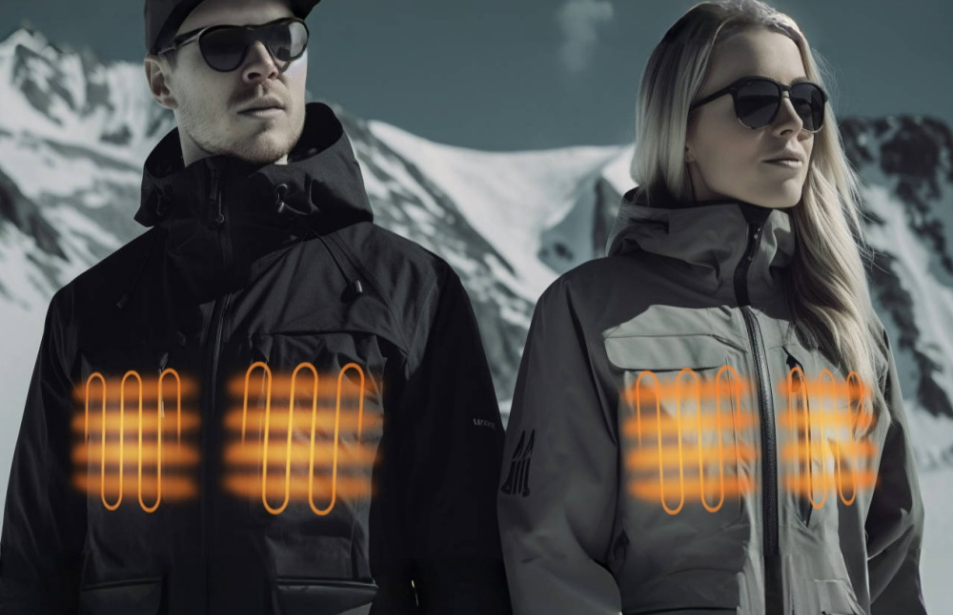
Innovations such as heated liners, ventilation zippers with magnetic closures, and RFID-enabled garment tracking are gaining traction. Some premium lines even embed sensors to monitor body temperature or avalanche risk—features that appeal to tech-savvy consumers and open new B2B opportunities in safety-focused segments.
Fashion-Forward Aesthetics
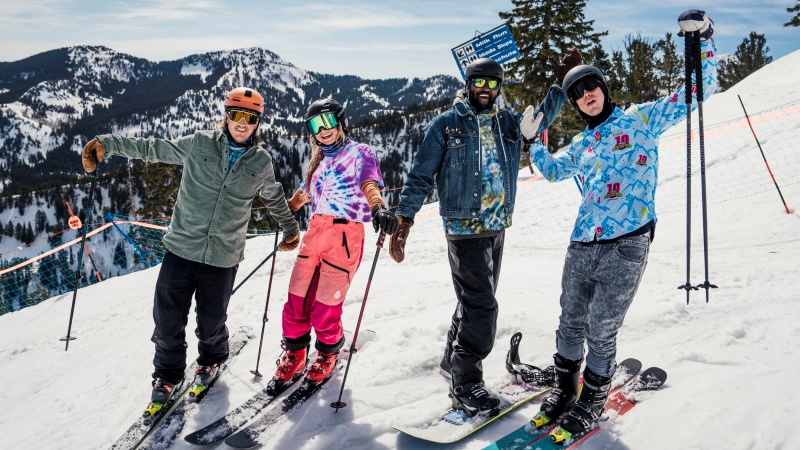
While functionality remains paramount, style influences purchasing decisions. Bold color-blocking, minimalist Scandinavian designs, and retro-inspired cuts are trending. Many manufacturers now offer customizable panels or co-branding options, allowing B2B clients to differentiate their product lines.
Manufacturing Insights: From Fabric to Finished Garment
Producing high-quality skiing clothing involves a multi-stage process:
Material Sourcing: Technical fabrics are selected based on waterproof ratings (e.g., 10K–30K mm), breathability (measured in g/m²/24h), and stretch properties.
Lamination & Coating: Membranes are bonded to face fabrics using heat or adhesives to create waterproof-breathable composites.
Cutting & Sewing: Precision cutting minimizes waste; taped seams and YKK® waterproof zippers ensure integrity.
Quality Control: Garments undergo hydrostatic head tests, abrasion resistance checks, and thermal imaging simulations.
Packaging & Compliance: Final products are labeled with care instructions, safety standards (e.g., EN 343 for protective clothing), and sustainability credentials.
For B2B buyers, partnering with factories that hold ISO 9001, ISO 14001, and WRAP certifications ensures consistent quality and ethical production.
Why Technical Specifications Matter to B2B Buyers
When evaluating suppliers, international buyers should prioritize performance metrics over aesthetics alone. Key specifications include:
Waterproof Rating: ≥10,000 mm for recreational use; ≥20,000 mm for professional or extreme conditions
Breathability: ≥10,000 g/m²/24h to prevent internal condensation
Insulation Weight: 60g–150g for mid-layers, depending on climate zone
Seam Sealing: Fully taped seams are non-negotiable for true waterproofing
Requesting third-party lab test reports (e.g., from SGS or Intertek) can validate these claims and reduce post-shipment disputes.
Frequently Asked Questions (FAQ)
Q1: What’s the difference between ski jackets and snowboard jackets?
While both serve similar functions, ski jackets are typically more form-fitting for aerodynamics, whereas snowboard jackets offer longer cuts and greater mobility for tricks. However, many modern designs are unisex and multi-sport compatible.
Q2: Can I source eco-friendly skiing clothing at scale?
Yes. Many Tier-1 and Tier-2 manufacturers in China, Vietnam, and Turkey now offer sustainable skiing clothing lines using recycled materials and low-impact dyes. Minimum order quantities (MOQs) start as low as 300–500 units per style.
Q3: How do I ensure size consistency across international markets?
Work with suppliers who provide detailed size charts aligned with regional standards (e.g., EU, US, JP). Request pre-production samples and conduct fit trials with local focus groups.
Q4: Are there seasonal lead time considerations?
Absolutely. To meet Northern Hemisphere retail deadlines (August–October), production should begin by February–March. Off-season orders may qualify for lower MOQs or discounted tooling fees.
Strategic Procurement Recommendations for 2025
As the skiing clothing market evolves, B2B buyers should:
Prioritize suppliers with vertical integration (fabric knitting → dyeing → garment assembly) for cost and quality control
Explore hybrid collections that blend ski functionality with urban wear (“ski-to-street” trend)
Leverage digital sampling and 3D prototyping to accelerate development cycles
Negotiate flexible payment terms tied to compliance verification
The most successful partnerships combine technical rigor with market agility—ensuring your inventory meets both performance expectations and consumer values.
Ready to Source High-Performance Skiing Clothing?
If you’re looking for a reliable OEM/ODM partner for technical skiing clothing that balances innovation, sustainability, and scalability, now is the time to act. Contact us today for a catalog of 2025-ready styles, factory audit reports, and custom development support tailored to your target market. Let’s equip your customers for the slopes—with confidence, comfort, and cutting-edge design.