
 Francés
 Español
 Русский
 German
 Português
 Swedish
 Italian
 العربية
 Japanese


What Are the Advantages of Heated Clothing?
Global Market Outlook for Heated Clothing
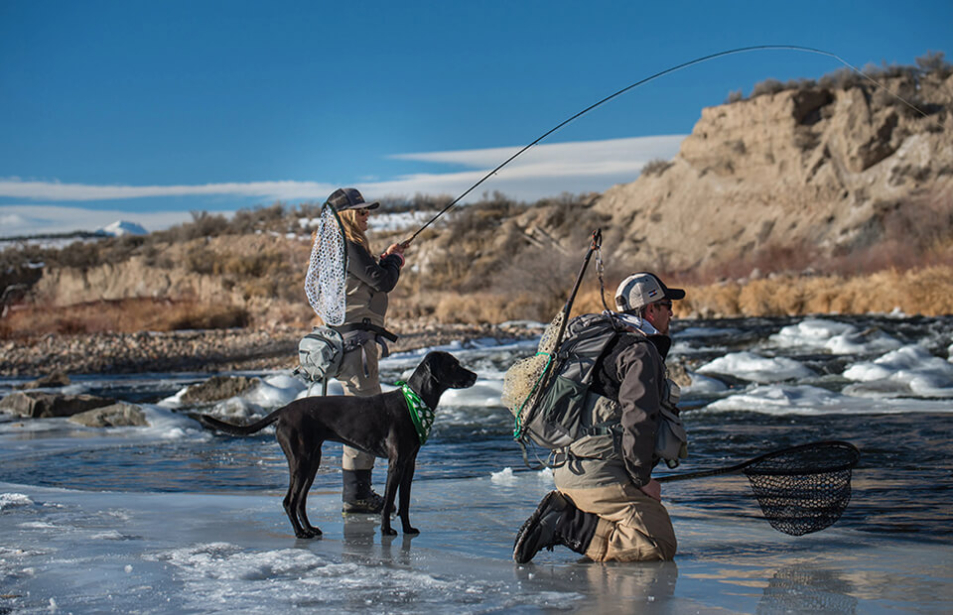
Heated clothing has shifted from a niche winter accessory to a core category in global outdoor, workwear, and mobility industries. Driven by extreme climate conditions, growing outdoor participation, and advances in wearable heating technologies, the heated apparel market continues to expand steadily. According to industry research, the global heated clothing market is projected to maintain a CAGR of 12%–15% in the coming years, supported by high demand from North America, Europe, Russia, and rapidly-growing Asia Pacific regions.
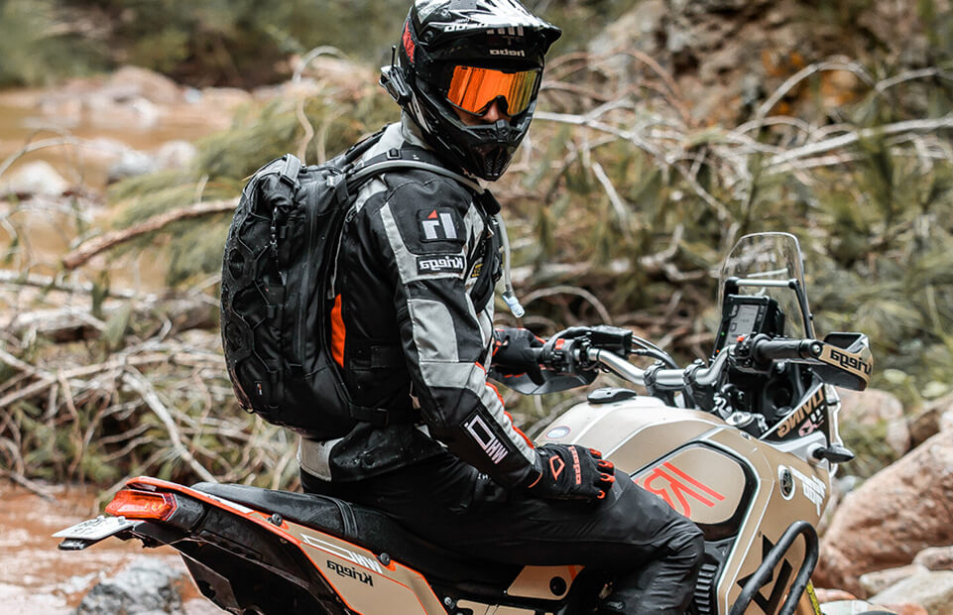
The rising popularity of outdoor sports, electric mobility commuting, winter work environments, and defense applications has significantly increased worldwide adoption. Professional buyers now prioritize heated clothing not only for comfort, but also for workplace safety, thermal protection, and energy-efficient personal heating. Major categories include heated jackets, heated pants, heated vests, heated gloves, and full-body heated gear systems.
|
|
Core Advantages of Heated Clothing
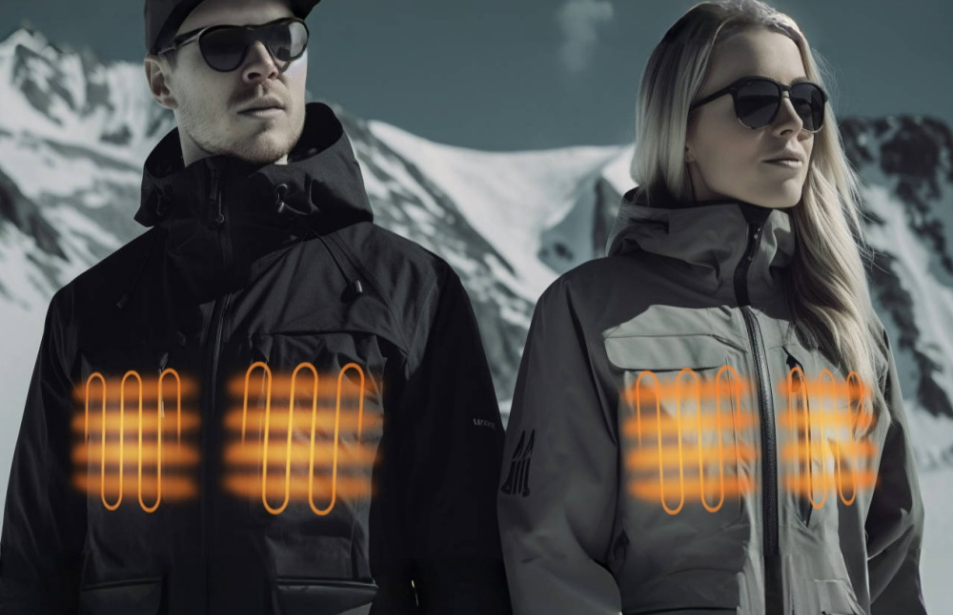
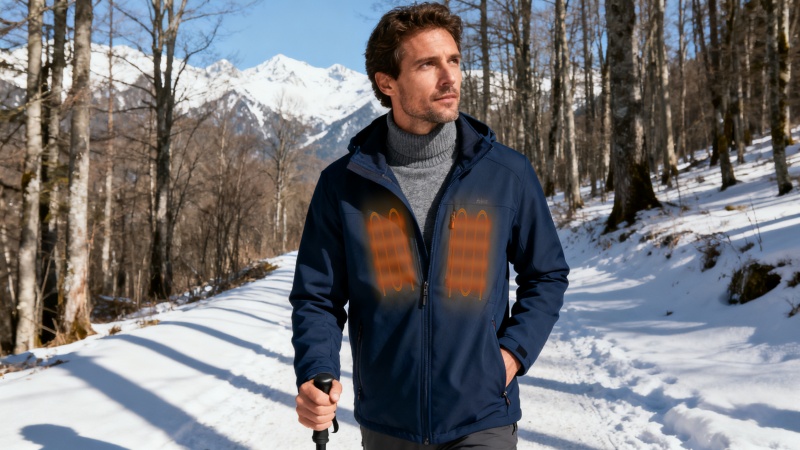
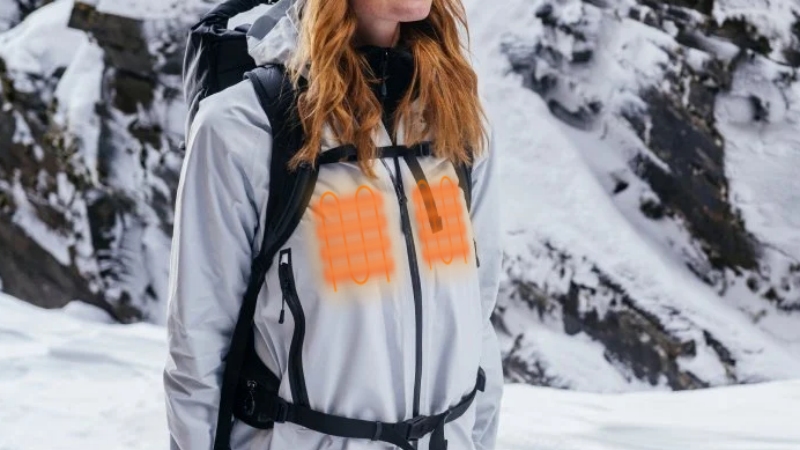
Heated clothing provides multiple performance benefits supported by advanced thermal engineering and modern textile technologies. These advantages make heated apparel suitable for industrial, recreational, and tactical environments.
1. Consistent Thermal Comfort in Extreme Conditions
The primary advantage of heated clothing is its ability to deliver stable and adjustable warmth even in severely low temperatures. Unlike conventional insulation-only garments, heated apparel uses integrated heating elements to maintain controlled heat levels. This ensures consistent comfort for users working in logistics, construction, forestry, security, and snow-related industries.
2. Enhanced Mobility with Lightweight Construction
Traditional winter garments often require bulky insulation to retain heat. Heated clothing reduces dependence on heavy layers, allowing users to maintain flexibility and free movement. Lightweight designs are essential for workers who require mobility while performing technical tasks.
3. Energy Efficiency & Cost Reduction
For industrial applications, heated clothing reduces the need for high indoor heating, helping companies lower fuel or electricity consumption in large facilities. It provides direct personal heating, which is significantly more efficient than heating entire workspaces.
4. Safety & Health Protection
Prolonged exposure to cold temperatures can lead to muscle stiffness, fatigue, and reduced concentration. Heated clothing helps maintain body temperature, minimizing risks associated with cold environments, improving worker safety, and enhancing operational productivity.
5. Smart Heating Control Systems
Modern heated clothing commonly includes:
Multi-level temperature control
Fast heating modules
Even heat distribution zones
Overheating protection chips
USB / power-bank compatibility
These features allow users to adjust heat output precisely, matching different weather conditions and activity levels.
|
|
Technical Parameters of Heated Clothing
Heated clothing typically integrates three core components:
Heating Elements
Carbon fiber heating wires
Graphene heating films
Metal composite plates
Flexible conductive textiles
These materials offer rapid heat generation, high electrical efficiency, and extended service life.
Power System
5V or 7.4V lithium-ion battery packs
USB-powered external systems
Overload protection & short-circuit safety
Long-duration heating (6–12 hours depending on mode)
Fabric & Material Structure
High-quality heated clothing incorporates:
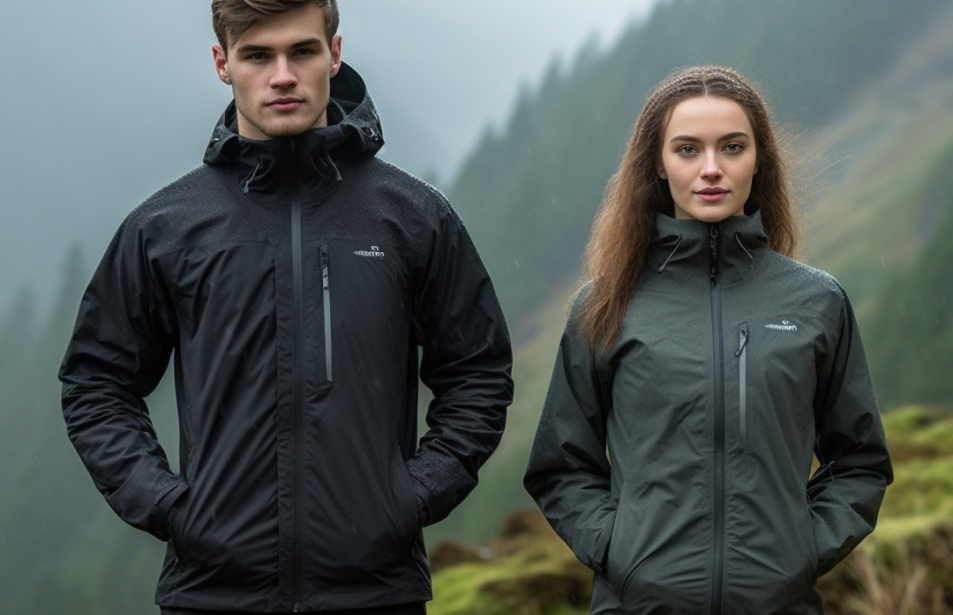
Waterproof and windproof outer shells
Breathable membranes
Thermal insulation layers
Soft linings for comfort
Reinforced stitching for durability
The combination ensures balanced heat retention, durability, and comfort across diverse working and outdoor environments.
|
|
Product Structure and Manufacturing Process
Bowins applies a strict engineering and quality-control approach during heated clothing production.
Step 1: Functional Design & Pattern Development
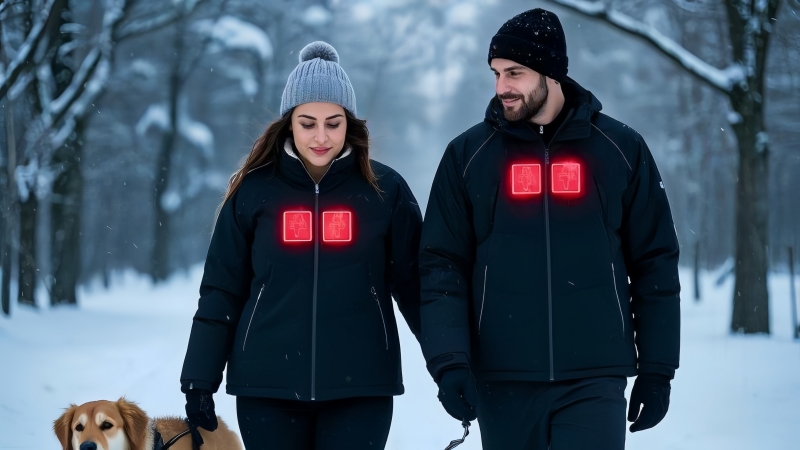
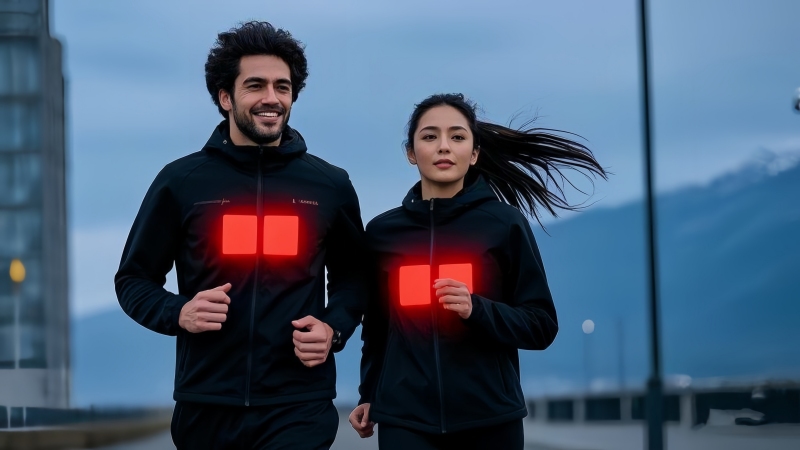
Product designers integrate heating zones into ergonomic layouts for chest, back, shoulders, kidney area, or full-body coverage depending on application needs.
Step 2: Fabric Testing & Selection
Each fabric undergoes abrasion, waterproofing, stretching, and thermal conductivity testing to guarantee reliability in long-term field use.
Step 3: Heating Module Integration
Carbon fiber or graphene heating elements are positioned between fabric layers, secured with protective coatings, and connected to battery wiring systems.
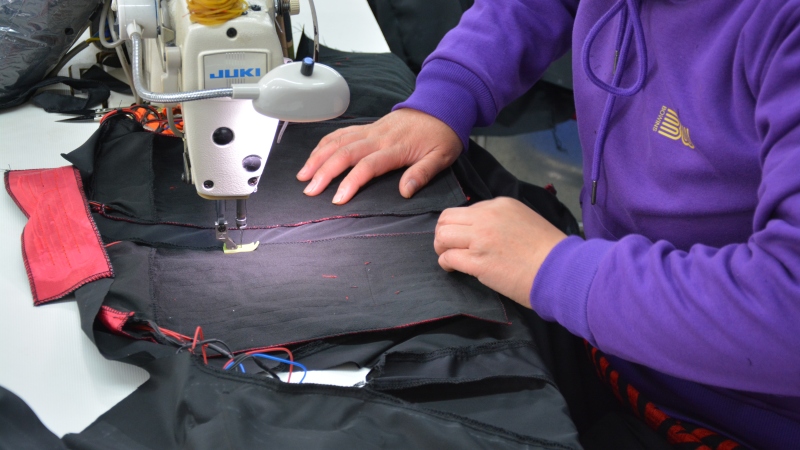
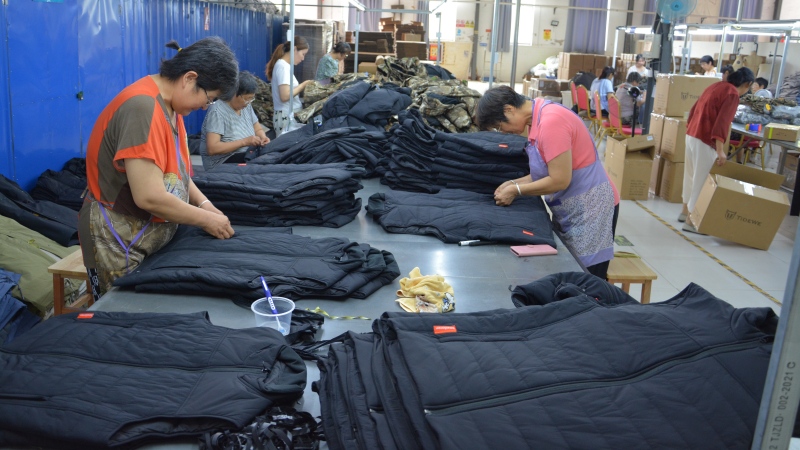
Step 4: Sewing, Bonding & Assembly
Automated machinery and skilled garment technicians ensure precision in seams, reinforcements, and insulation.
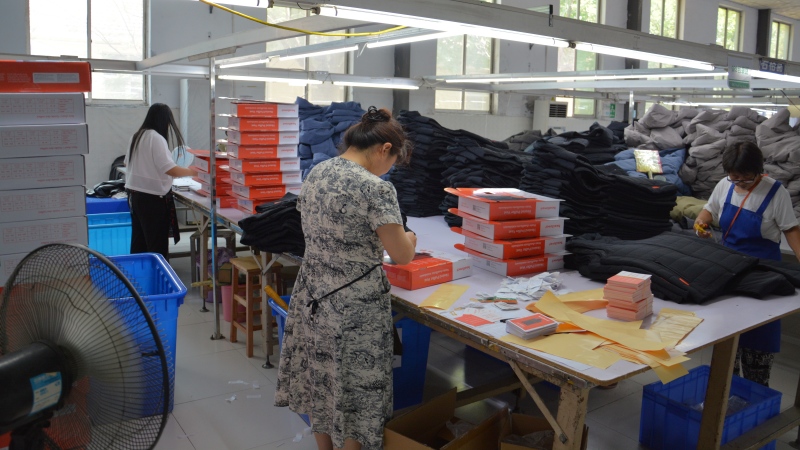
Step 5: Safety Testing & Quality Control
Every heated clothing unit is subjected to:
Temperature uniformity tests
Water resistance verification
Battery safety tests
Overheat protection evaluation
This guarantees stable performance across various climates and use cases.
|
|
Global Buyer Preferences & Procurement Pain Points
International B2B buyers increasingly focus on product reliability, technical performance, and manufacturing capability when sourcing heated clothing. Key purchasing considerations include:
What Buyers Need
Consistent heat output & safety certification
High-quality fabrics suitable for industrial use
Long battery life and user-friendly controls
Lightweight structure without compromising durability
Customization capabilities for branding or OEM projects
Common Buyer Pain Points
Unstable heating performance from low-quality suppliers
Lack of compliance with international safety standards
Short battery duration
Limited size ranges or design flexibility
Inconsistent production quality
Slow response times and inadequate technical support
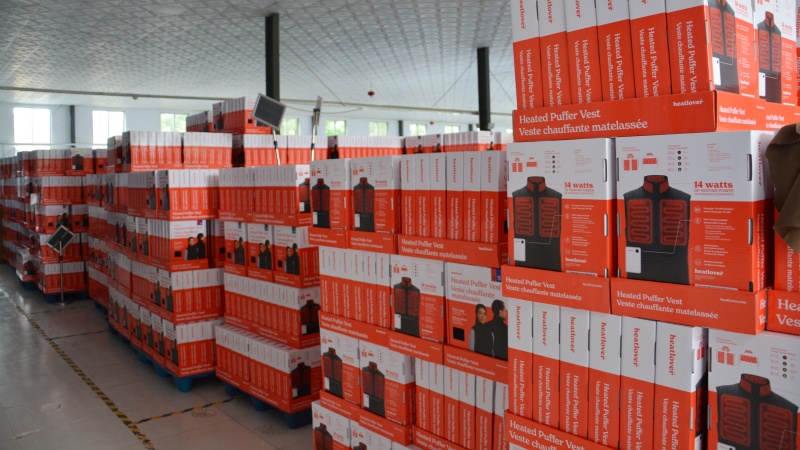
Bowins addresses these concerns with its professional R&D team, advanced production equipment, strict QC processes, and extensive experience serving global brands in North America, Europe, Russia, and Australia.
|
|
Conclusion
Heated clothing continues to evolve with smarter heating technologies, improved materials, and increasing global demand. For buyers seeking reliable, high-performance heated apparel, partnering with an experienced functional garment manufacturer is essential to ensure safety, durability, and long-term value. Bowins provides complete OEM/ODM solutions, from design and thermal engineering to production and global supply.
FAQs
1. What battery options are available for heated clothing?
We offer multiple lithium-ion battery capacities with stable 5V and 7.4V outputs, supporting long runtime and international safety compliance.
2. Can Bowins customize heating zones and garment style?
Yes. We provide full OEM/ODM services, including custom heating layouts, fabrics, branding, and packaging.
3. What certifications can be provided?
Depending on requirements, products can meet CE, RoHS, and other compliance standards for global markets.
4. What is the typical production lead time?
Lead time varies by order size and customization level, typically ranging from 30 to 45 days.
For detailed specifications, OEM/ODM development, bulk pricing, or sample evaluation of our heated clothing solutions, contact Bowins today. Our team will provide full technical support and tailored product solutions for your market needs.


