
 Francés
 Español
 Русский
 German
 Português
 Swedish
 Italian
 العربية
 Japanese
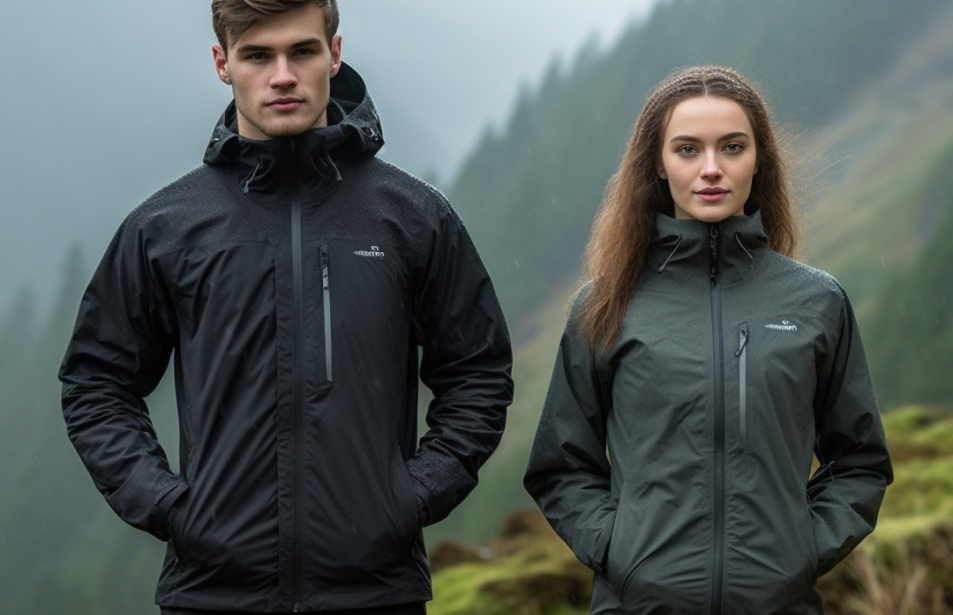



The Global Ice Fishing Apparel Market: Sourcing High-Performance Gear for the Modern Angler
The global demand for specialized outdoor apparel continues to surge, and within this vibrant sector, ice fishing clothing has emerged as a high-growth niche. No longer a market for simple, bulky garments, it has evolved into a sophisticated segment driven by technological innovation and a growing consumer base in North America, Northern Europe, and Northeast Asia. This specialized apparel is engineered to combat one of the most extreme recreational environments: prolonged static exposure to sub-zero temperatures, often combined with wind and moisture. For international B2B buyers—including distributors, retailers, and outdoor brands—understanding the intricate blend of advanced materials, functional design, and rigorous manufacturing standards is crucial for capitalizing on this lucrative opportunity. Success in this field hinges on partnering with manufacturers who possess deep expertise in cold-climate technologies and a proven track record in producing reliable, high-performance systems.
Global Market Overview and Growth Drivers
The international market for ice fishing apparel is projected to experience a steady compound annual growth rate (CAGR) of approximately 4.5% to 6% over the next five years. This growth is fueled by several key factors. Primarily, the robust outdoor recreation cultures in North America (particularly the Great Lakes region and Canada) and Scandinavia create a consistent, high-volume demand. Furthermore, the rise of social media and televised ice fishing tournaments has glamorized the sport, attracting a newer, more diverse demographic that values both performance and aesthetics. This shift is pushing brands to offer insulated floating ice fishing suits with enhanced safety features and more contemporary designs. The market is also seeing increased penetration in regions like East Asia, where winter sports are gaining popularity. For buyers, this translates to a need for a diversified product portfolio, catering both to the traditionalist seeking maximum durability and the modern angler looking for technical, feature-rich thermal protection ice fishing gear.
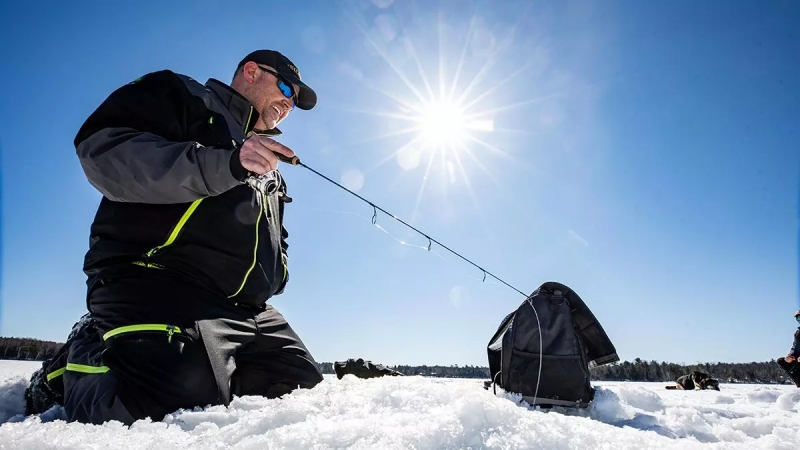
Deconstructing Technical Performance: Beyond Basic Warmth
The efficacy of professional ice fishing clothing is defined by a suite of precise technical parameters. B2B buyers must move beyond generic "warmth" claims and scrutinize the objective data provided by manufacturers.
Insulation Metrics: The cornerstone of thermal performance is the Clo value and the fill-power of down insulation (if used). High-performance synthetic insulations like PrimaLoft® Gold or Thermolite® provide reliable warmth even when wet, a critical consideration. The total weight and distribution of insulation—often heavier in the core and seat areas—are key differentiators.
Waterproof and Breathability Standards: A high waterproof rating (e.g., 10,000mm to 20,000mm) is essential to resist melting snow and sitting on wet ice. Equally important is breathability (e.g., 10,000g/m²/24hrs to 15,000g/m²/24hrs), which allows sweat vapor to escape during strenuous activity, preventing internal moisture buildup.
Durability and Fabric Strength: The outer shell material's denier count (e.g., 300D to 500D polyester or nylon) indicates its resistance to abrasion from ice, sleds, and boat surfaces. Reinforcements in high-wear areas like knees and seats are a standard expectation in quality gear.
Safety Integration: Features like integrated flotation bibs and jackets are transitioning from premium options to mainstream requirements in many markets. These garments use closed-cell foam integrated into the lining, providing critical safety without compromising mobility.
Product Architecture: The Layered System Approach
Leading manufacturers design ice fishing clothing as an integrated system, typically comprising a bib (or salopettes) and a parka jacket. This modular approach allows for versatile layering for extreme cold conditions.
The Bib Pants: The foundation of the system, designed for maximum protection of the lower body. Key features include:
High-Back Design: Extends up the back to prevent snow and wind ingress when bending over.
Reinforced Knees and Seat: Often made with heavier-duty material or additional padding.
Ample Storage: Multiple cargo pockets, often with drainage grommets for lure boxes or wet lines.
Strap and Suspender System: Adjustable for a secure fit over base layers.
The Parka Jacket: Engineered for core warmth and functionality.
Helmet-Compatible Hood: Designed to fit over a winter beanie or fishing helmet, with adjustable cinches.
Longer Cut: Provides additional coverage for the lower back and seat when sitting.
Specialized Pockets: Includes vertical hand-warmer pockets, internal secure pockets for electronics, and external chest pockets with D-rings for tools.
Articulated Sleeves and Gussets: Enhance mobility for casting, drilling, and hauling gear.
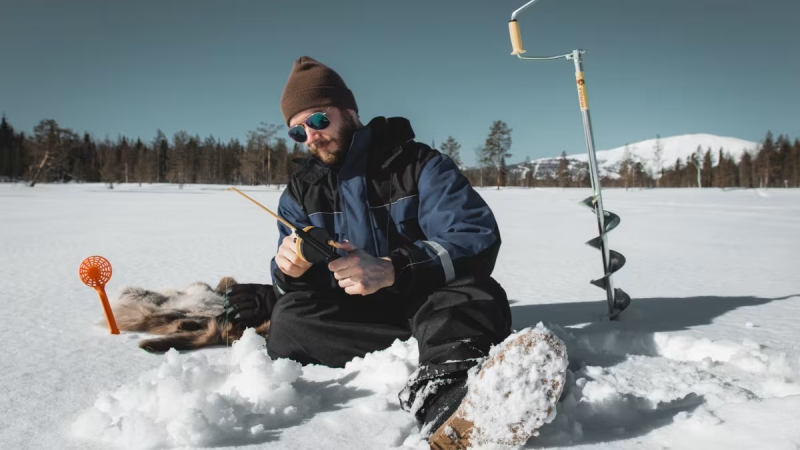
Manufacturing Excellence: From Fabric to Finished Garment
The transition from high-tech materials to a reliable finished product is where manufacturing expertise is paramount. A superior ice fishing apparel manufacturer follows a rigorous process:
Prototyping and Pattern Making: This initial stage focuses on creating patterns that accommodate a layered fit and allow for a full range of motion. Ergonomics are tested extensively.
Fabric Lamination and Treatment: The outer shell fabric is laminated with a waterproof-breathable membrane (e.g., Dermizax®, eVent®, or proprietary equivalents). A durable water repellent (DWR) finish is applied to cause water to bead and roll off the surface.
Precision Cutting: Automated cutting machines ensure consistency and minimize material waste, especially for complex patterns and insulation layers.
Specialized Assembly: This is the most critical phase. Seam sealing—either through heat-applied tape (flat-lock seams) or liquid sealant—is non-negotiable to prevent water leakage at stitch lines. Operators must be skilled in handling bulky, multi-layer materials.
Stringent Quality Control: Every garment undergoes a multi-point inspection, including a simulated rain test to verify waterproof integrity, checks on all zippers, snaps, and buckles, and a final inspection for workmanship flaws.
International Buyer Preferences and Sourcing Pain Points
Understanding the nuanced demands of different markets and the common challenges in the supply chain is vital for a successful sourcing strategy.
Regional Preferences:
North America: Prefers bold colors (bright red, blue, camo), a high focus on flotation technology, and ample storage. Brand recognition is powerful
Scandinavia/Northern Europe: Leans towards more minimalist, functional designs often in darker or more subdued colors. There is a strong emphasis on high breathability and lightweight construction.
Key Sourcing Pain Points for B2B Buyers:
Inconsistent Insulation Quality: A major risk is receiving batches where the insulation is unevenly distributed or fails to meet the claimed thermal performance specs.
Failure in Seam Sealing: This is a common point of failure. Poorly sealed seams lead to immediate customer returns and brand damage.
Communication and Customization Barriers: Finding a factory capable of executing custom designs, unique colorways, or proprietary safety features without constant supervision can be difficult.
Navigating Safety Standards: Ensuring that flotation apparel meets regional safety standards (e.g., ISO 12402-5 in Europe, Transport Canada standards) requires a manufacturer with specific experience and certification capabilities.
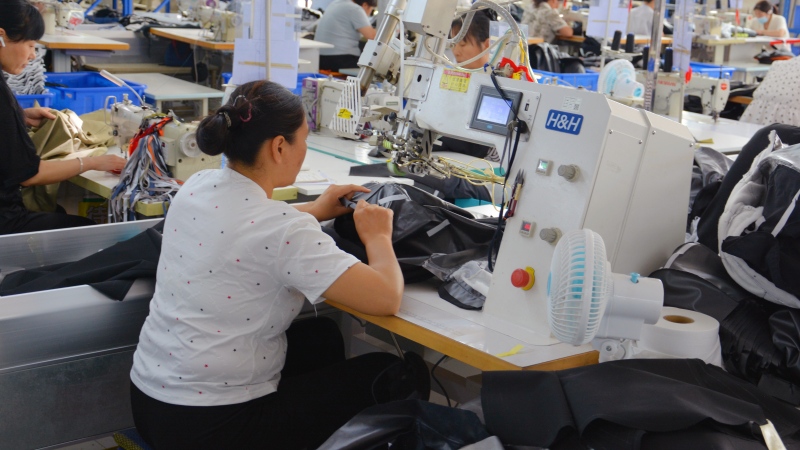
Emerging Trends Shaping Future Product Development
The ice fishing clothing market is dynamic, with several trends influencing future product lines:
Sustainability: There is growing demand for recycled materials in shell fabrics and insulation, as well as PFC-free DWR coatings.
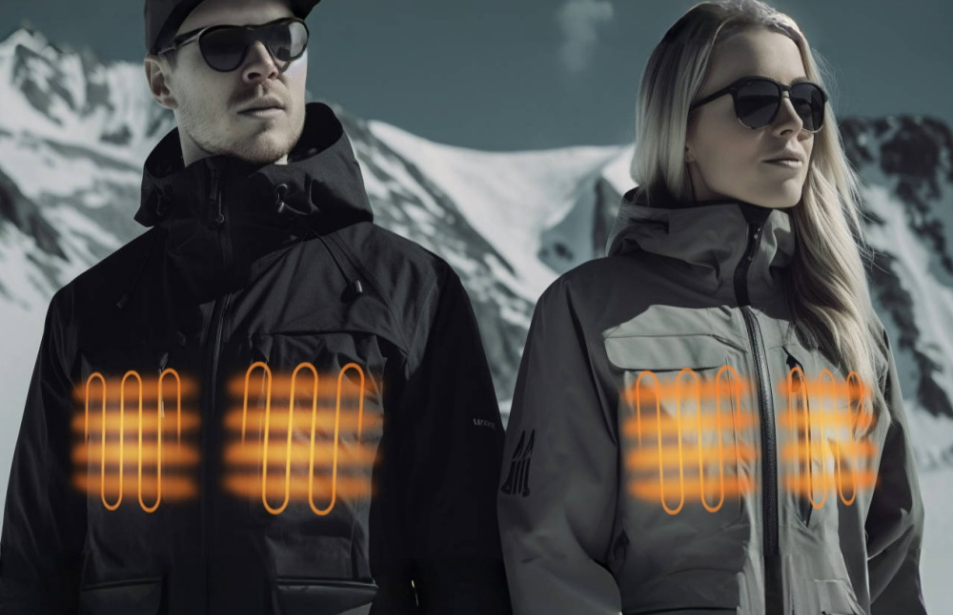
Integrated Electronics: Designs are beginning to incorporate pass-through ports for power banks and specially insulated pockets to prevent smartphone battery drain in extreme cold.
Lightweight and Packable Systems: While warmth is paramount, there is a clear movement towards materials and constructions that offer the same protection with less bulk and weight, appealing to the mobile angler.
Frequently Asked Questions (FAQ) for B2B Buyers
Q1: What is the typical lead time for a custom, private-label order of 2,000 units of ice fishing bibs and parka sets?
A: For a fully custom order involving unique fabric sourcing, pattern development, and production, a standard lead time is 90 to 120 days from the confirmation of all final samples and deposits. This timeframe ensures rigorous quality control at each manufacturing stage.
Q2: Can your factory produce flotation suits that comply with international safety standards, and what documentation can you provide?
A: Yes, we have specific production lines and expertise in manufacturing CE-certified or Transport Canada-approved flotation apparel. We can provide test reports from accredited third-party laboratories verifying the buoyancy and performance of the finished garments.
Q3: What are the minimum order quantities (MOQs) for custom color and fabric development, and for standard catalog items?
A: For developing a new custom color or fabric, the MOQ is typically 1,000 meters of material. For production orders of standard catalog items with your logo, the MOQ can be as low as 500 pieces per style/color. Fully custom designs from scratch require a higher commitment, usually starting at 2,000 pieces.
Professional Call to Action
Navigating the complex and technical market of ice fishing clothing requires a manufacturing partner with proven expertise, robust quality control, and a commitment to innovation. Do not let supply chain uncertainties compromise your brand's reputation for quality and safety.
Contact our specialist team today to discuss your sourcing requirements. We invite you to request a detailed quotation, our comprehensive technical specification pack, and arrange to receive a sample garment for your own evaluation. Partner with us to equip your customers with the most reliable and high-performance ice fishing apparel on the market.


