
 Francés
 Español
 Русский
 German
 Português
 Swedish
 Italian
 العربية
 Japanese
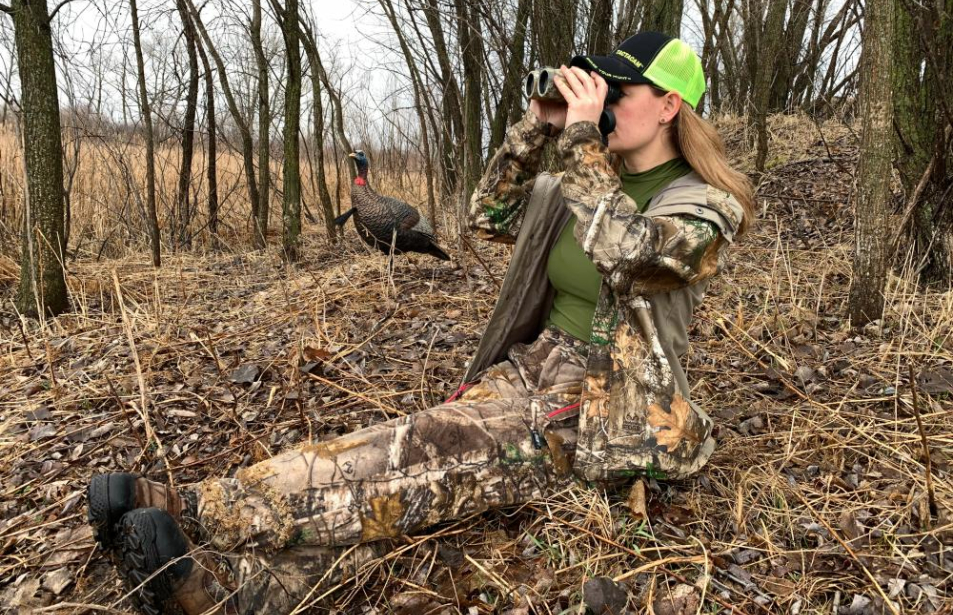
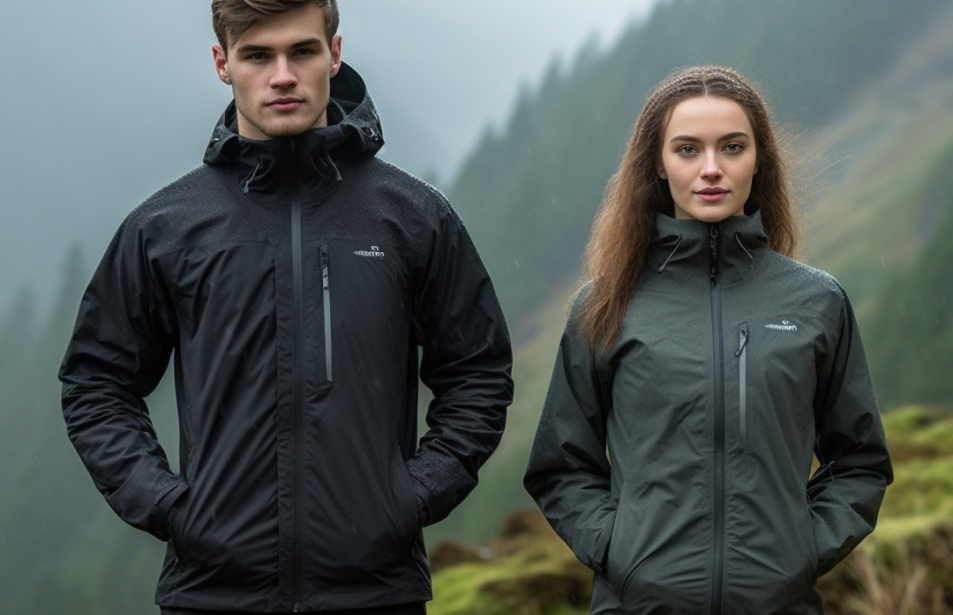



Insulated Hunting Clothing For Cold Weather Hunts
Cold weather hunting presents unique challenges that demand specialized hunting clothing designed for insulation, protection, and long-term comfort. As hunting activities expand across colder regions in North America, Europe, and parts of Oceania, insulated hunting clothing has become a critical product category for outdoor apparel brands and distributors. For B2B buyers, understanding market trends, material technologies, and manufacturing capabilities is essential to developing competitive collections that meet professional hunters’ expectations.
This article explores the insulated hunting clothing market, key performance requirements, emerging trends, and manufacturing considerations, providing valuable insights for brands seeking reliable OEM/ODM partners.
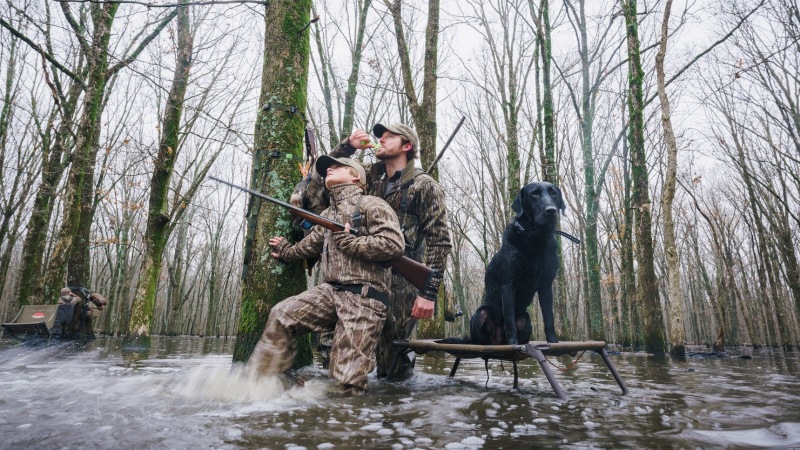
Global Market Overview Of Insulated Hunting Clothing
The global hunting apparel market has shown steady growth over the past decade, with cold-weather hunting clothing representing one of the fastest-growing segments. According to industry research, insulated outdoor apparel continues to benefit from rising participation in seasonal hunting, increased demand for technical performance garments, and consumers’ willingness to invest in durable, purpose-built equipment.
In colder climates, hunters often remain stationary for extended periods, making thermal efficiency a top priority. As a result, insulated hunting clothing—including jackets, pants, bibs, and base layers—accounts for a significant share of premium hunting apparel sales. For B2B buyers, this segment offers higher margins, stronger brand differentiation, and opportunities for innovation through materials and construction.
Performance Requirements For Cold Weather Hunting Clothing
Thermal Insulation And Heat Retention
The core function of insulated hunting clothing is to retain body heat in low-temperature environments. Effective insulation must provide warmth without excessive bulk, allowing hunters to move freely and maintain endurance. Common insulation options include synthetic fibers and advanced thermal padding engineered to trap air while remaining lightweight.
Weather Protection And Breathability
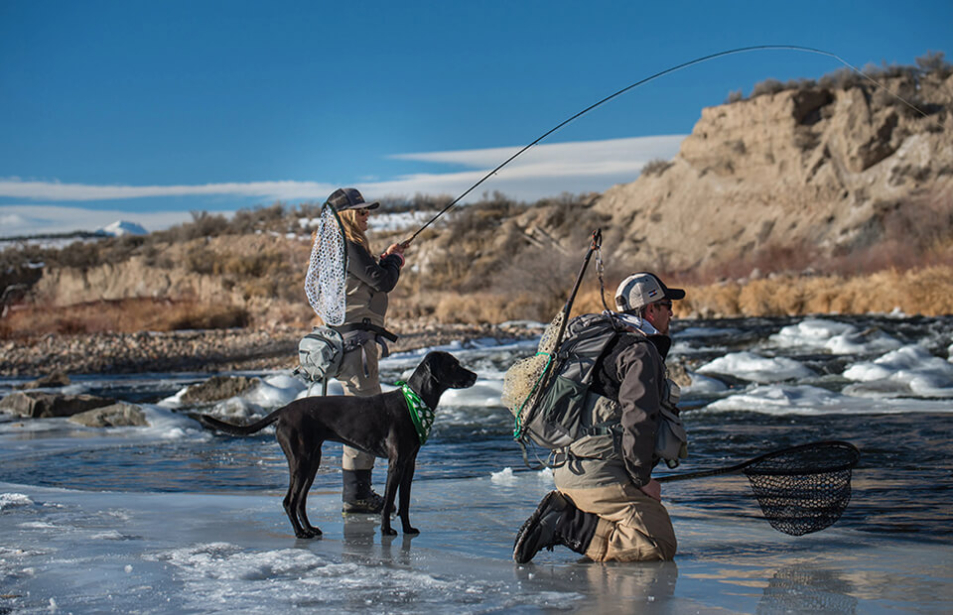
Cold weather hunts often involve snow, wind, and moisture. High-quality hunting clothing must integrate waterproof and windproof outer shells while maintaining breathability to prevent overheating and moisture buildup. Seam-sealed construction and durable water-repellent (DWR) finishes are widely used to enhance protection.
Noise Reduction And Comfort
Unlike general outdoor wear, hunting clothing must minimize noise. Soft-touch fabrics, brushed outer layers, and low-friction construction help reduce sound during movement. Comfort features such as ergonomic pattern design, adjustable cuffs, and articulated knees further improve usability during long hunts.
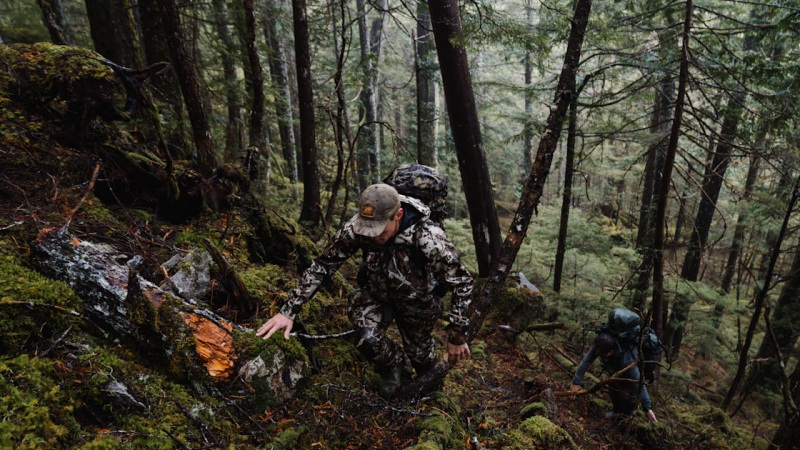
Key Materials And Technologies In Insulated Hunting Clothing
Advanced Fabric Systems
Modern insulated hunting clothing relies on multi-layer fabric systems. These typically include a protective outer shell, a thermal insulation layer, and a moisture-managing inner lining. Technical fabrics with high tear resistance and abrasion durability are essential for forest and mountain environments.
Waterproof And Seam-Sealed Construction
Waterproof membranes combined with fully seam-sealed garments ensure reliable protection in wet snow or freezing rain. For B2B buyers, this construction standard is increasingly expected in mid- to high-end hunting clothing collections.
Optional Heating Technologies
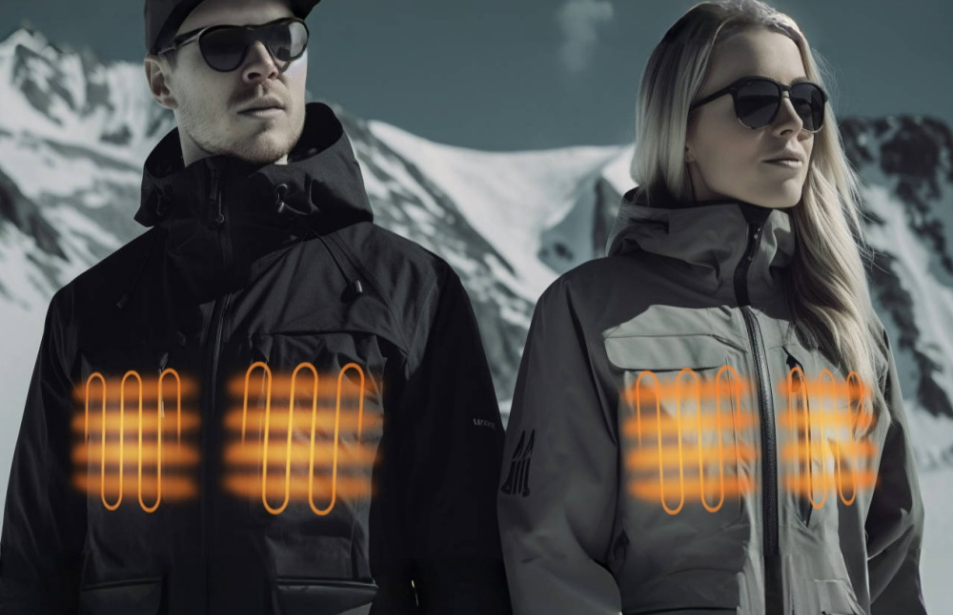
An emerging trend in cold weather hunting clothing is the integration of heating technology. Battery-powered heating panels can be incorporated into jackets or vests to provide adjustable warmth. While still a niche segment, heated hunting clothing is gaining attention among professional and late-season hunters.
 a
a
Manufacturing Process And Quality Control
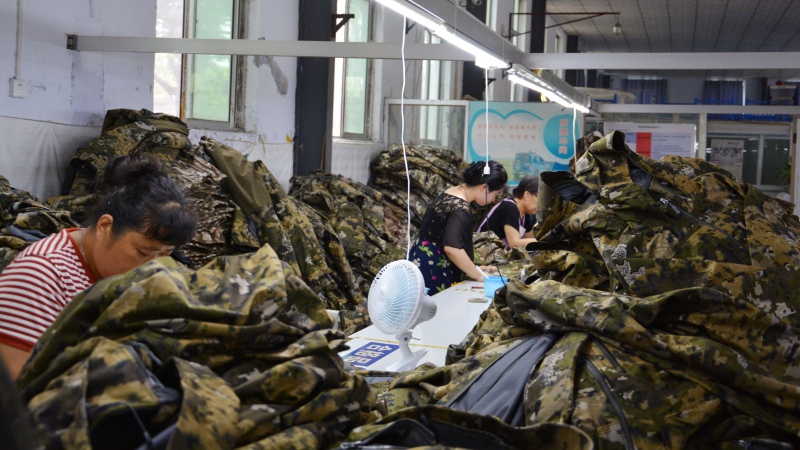
At Bowins, insulated hunting clothing is developed through a vertically integrated OEM/ODM process designed to meet international performance standards. From material sourcing to final inspection, each stage is carefully managed to ensure consistency and reliability.
The manufacturing process typically includes fabric testing, insulation performance validation, automated cutting, precision sewing, and multi-stage quality control. In-house pattern making and sampling allow rapid development and customization, enabling brands to bring seasonal hunting clothing collections to market efficiently.
For B2B buyers, partnering with an experienced manufacturer ensures compliance with technical specifications, stable production capacity, and scalable supply for global distribution.
Market Trends Shaping The Future Of Hunting Clothing
Demand For Lightweight Insulation
Hunters increasingly prefer lightweight insulated hunting clothing that delivers warmth without restricting mobility. This trend is driving innovation in synthetic insulation and fabric engineering.
Sustainability And Responsible Materials
Sustainability is becoming a consideration even in performance-focused hunting clothing. Recycled insulation, eco-friendly fabric treatments, and responsible manufacturing practices are gaining traction among outdoor brands.
Customization And Private Label Growth
More brands are seeking private label and OEM solutions to differentiate their hunting clothing lines. Custom camouflage patterns, tailored fits, and region-specific designs are becoming standard requirements in B2B sourcing.
Why Insulated Hunting Clothing Matters For B2B Buyers
For distributors, retailers, and brand owners, insulated hunting clothing represents a strategic product category that aligns with premium positioning and long-term customer loyalty. High-performance cold weather hunting clothing not only enhances hunter safety and comfort but also strengthens brand credibility in competitive markets.
Working with a specialized OEM/ODM partner allows buyers to focus on branding and market expansion while ensuring product performance meets professional hunting standards.
Frequently Asked Questions About Insulated Hunting Clothing
What Makes Insulated Hunting Clothing Different From Regular Outdoor Wear?
Insulated hunting clothing is specifically designed to be quiet, weather-resistant, and thermally efficient during long periods of low activity. Regular outdoor apparel often lacks noise reduction and hunting-specific features.
Which Insulation Is Best For Cold Weather Hunts?
Both high-quality synthetic insulation and advanced thermal padding are widely used. The best option depends on target temperature range, weight requirements, and cost considerations.
Is Waterproofing Essential For Cold Weather Hunting Clothing?
Yes. Waterproof and windproof protection is critical in cold environments where moisture can rapidly reduce body temperature and comfort.
Can Insulated Hunting Clothing Be Customized For Private Labels?
Most professional manufacturers, including Bowins, offer OEM/ODM services with customization options for materials, patterns, insulation levels, and branding.
Conclusion And Professional Call To Action
As cold weather hunting continues to grow globally, insulated hunting clothing remains a key focus for outdoor apparel brands and distributors. Understanding market demands, performance technologies, and manufacturing capabilities is essential for building successful product lines.
Bowins works closely with international B2B buyers to develop reliable, high-performance hunting clothing tailored to specific markets and hunting conditions.
For brands seeking an experienced OEM/ODM partner for insulated hunting clothing, we invite you to connect with our team to explore customized solutions and long-term cooperation.


