 Francés
 Español
 Русский
 German
 Português
 Swedish
 Italian
 العربية
 Japanese



Hunting Clothing Complete Buyers Guide for Beginners and Professionals
Hunting clothing is far more than just outdoor apparel. It plays a critical role in comfort, safety, concealment, and overall hunting success. Whether you are hunting in freezing winter conditions, wet forests, or warm early-season terrain, the right hunting clothing can significantly impact your performance and endurance.
This in-depth guide answers the most common questions about hunting clothing and explains how to choose the best gear for different environments, seasons, and hunting styles.
1. What Is Hunting Clothing?
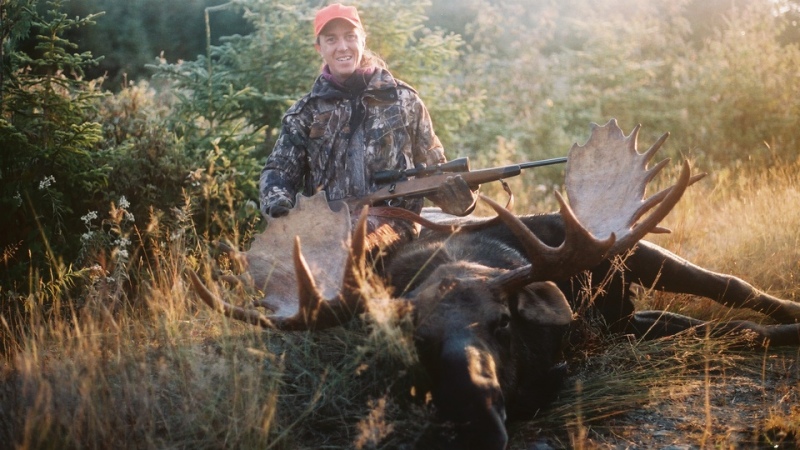
Hunting clothing refers to specialized garments designed specifically for hunters, combining protection, camouflage, silence, and functionality. Unlike standard outdoor clothing, hunting apparel focuses on minimizing noise, blending into natural surroundings, and maintaining body temperature during long periods of low movement.
High-quality hunting clothing typically includes:
Hunting jackets
Base layers and thermal underwear
Insulated vests
Waterproof and windproof shells
These garments are engineered to perform under extreme conditions while allowing freedom of movement.
2. Why Is Hunting Clothing So Important?
Proper hunting clothing improves both comfort and effectiveness in the field. Poor clothing choices can lead to cold stress, overheating, excessive noise, or even safety risks.
Key benefits of professional hunting clothing include:
Thermal regulation for cold and variable climates
Moisture management to keep skin dry
Noise reduction for stealth movement
Camouflage and concealment
Weather resistance against rain, wind, and snow
For serious hunters, clothing is not an accessory—it is essential equipment.
3. What Materials Are Best for Hunting Clothing?
Material selection is one of the most critical factors when choosing hunting clothing.
Common Hunting Clothing Materials
Polyester: Lightweight, durable, and quick-drying
Nylon: Abrasion-resistant and strong, ideal for rugged terrain
Softshell Fabrics: Quiet, flexible, and breathable
Fleece: Excellent insulation with low noise
Merino Wool: Natural temperature regulation and odor resistance
Cotton is generally avoided, as it absorbs moisture and loses insulation when wet.
4. Is Waterproof Hunting Clothing Necessary?
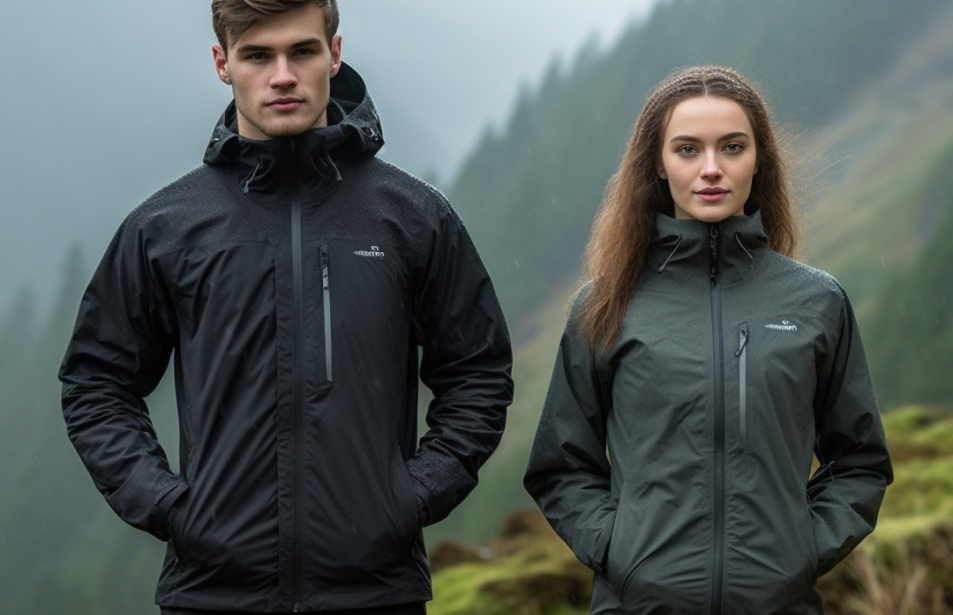
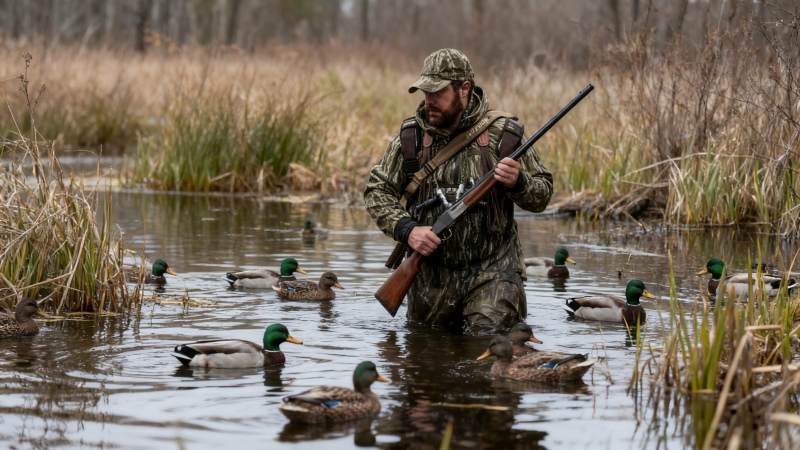
Waterproof hunting clothing is highly recommended, especially for long hunts or unpredictable weather conditions. Wet clothing can quickly lead to discomfort, heat loss, and reduced concentration.
Modern waterproof hunting clothing often uses:
PU or TPU membranes
Seam-sealed construction
Durable water-repellent (DWR) finishes
The best waterproof hunting clothing balances water resistance and breathability, preventing sweat buildup during physical activity.
5. What Is Breathability and Why Does It Matter?
Breathability allows moisture vapor from sweat to escape while blocking external water. Without breathable fabrics, hunters may feel clammy and cold even in waterproof garments.
Breathable hunting clothing is especially important for:
Spot-and-stalk hunting
Mountain hunting
Early-season or high-activity hunts
A breathable design improves comfort during long hours outdoors.
6. How Important Is Camouflage in Hunting Clothing?
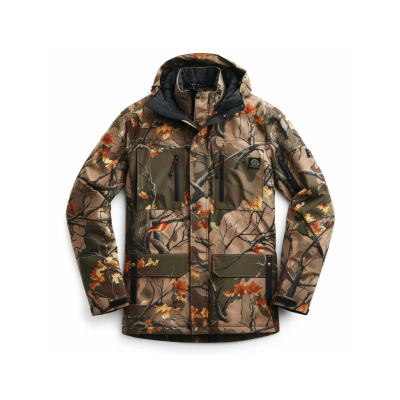
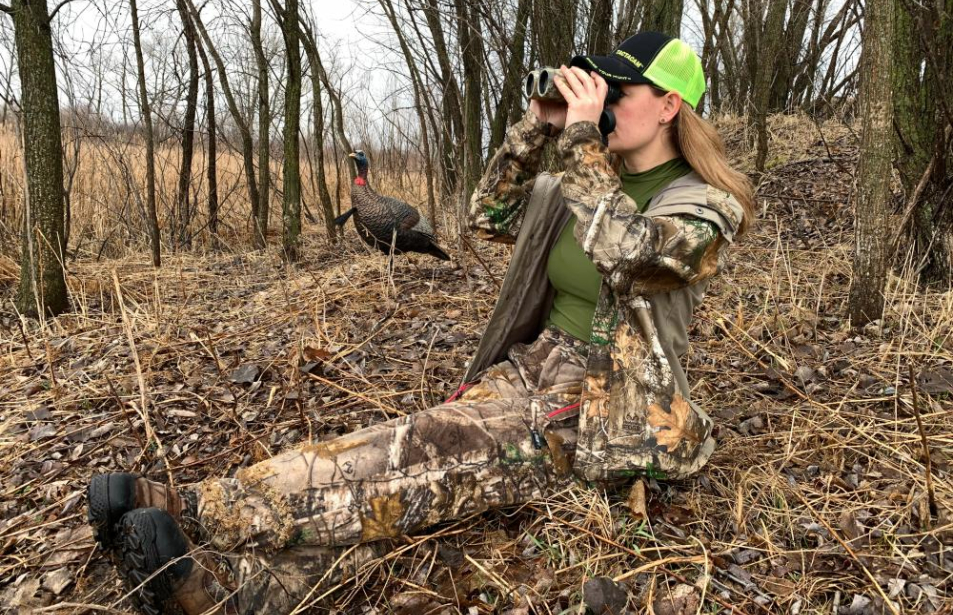
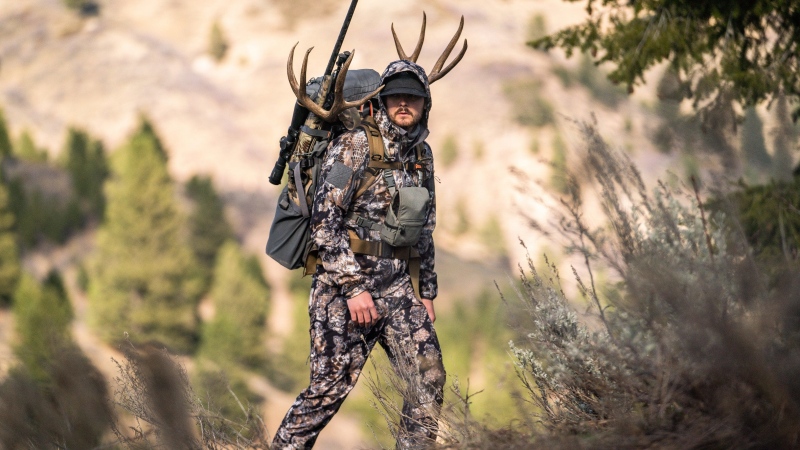
Camouflage helps hunters blend into their surroundings, reducing visibility to game animals. Modern hunting clothing uses environment-specific camo patterns optimized for forests, grasslands, mountains, or snowy terrain.
However, camouflage effectiveness depends on:
Environment
Game species
Hunting method
Some hunters prefer solid earth-tone colors for versatility, especially where camouflage is not legally required.
7. What Hunting Clothing Is Best for Cold Weather?
Cold weather hunting requires a strategic layering system.
Recommended Layering System
Base Layer
Moisture-wicking and thermal
Keeps skin dry
Mid Layer
Fleece or insulated jacket
Traps body heat
Outer Layer
Windproof and waterproof shell
Protects from the elements
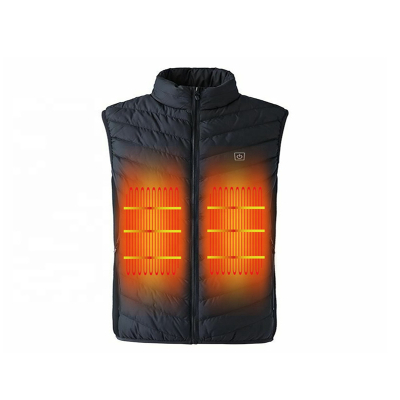
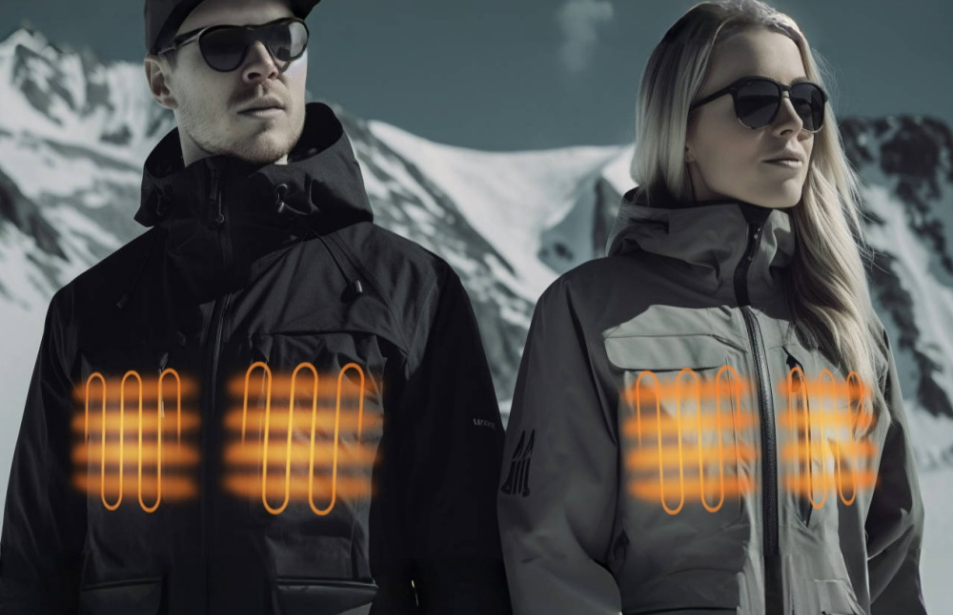
In extremely cold conditions, heated hunting clothing is increasingly popular, providing adjustable warmth without heavy bulk.
8. What Hunting Clothing Is Best for Warm Weather?
Warm weather hunting clothing should prioritize:
Lightweight fabrics
Breathability
Ventilation zones
Quick-drying performance
Many warm-weather hunting garments also include insect-resistant treatments and UV protection for extended outdoor exposure.
9. How Quiet Should Hunting Clothing Be?
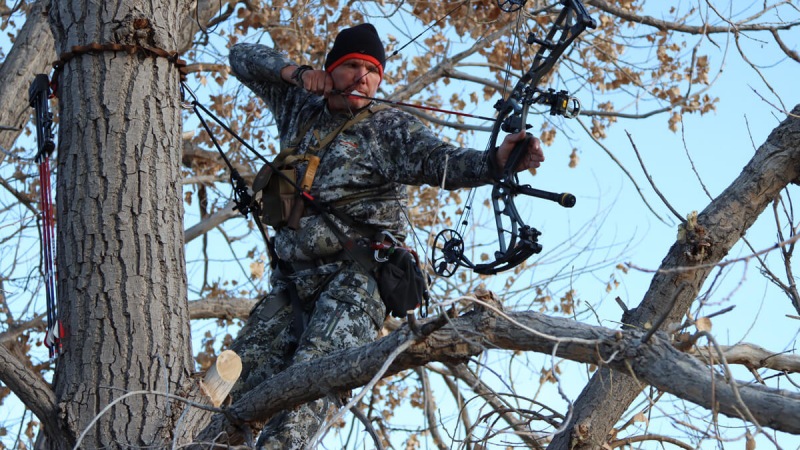
Noise reduction is essential, especially for bow hunting and close-range stalking. Hunting clothing fabrics are designed to minimize friction noise when moving through brush or drawing a bow.
Quiet materials include:
Brushed polyester
Softshell fabrics
Fleece
Avoid stiff or overly rigid materials that create sound during movement.
10. Are There Differences Between Men’s and Women’s Hunting Clothing?
Yes. Women’s hunting clothing is specifically designed to provide:
Improved fit and comfort
Adjusted proportions
Better mobility
Performance features such as waterproofing, insulation, and durability remain the same, but fit adjustments improve functionality.
11. What Features Should I Look for in Hunting Clothing?
High-quality hunting clothing often includes:
Reinforced knees and elbows
Multiple functional pockets
Adjustable cuffs and hems
Ventilation zippers
Articulated pattern design
These features enhance durability, storage, and comfort in demanding environments.
12. How Do I Choose the Right Hunting Clothing for My Region?
Climate and terrain play a major role in hunting clothing selection:
Cold & Snowy Regions: Insulated and waterproof hunting clothing
Rainy Forests: Breathable waterproof layers
Dry & Warm Areas: Lightweight and ventilated garments
Understanding your environment ensures better performance and comfort.
13. How to Choose a Reliable Hunting Clothing Manufacturer?
For brands, retailers, or importers, selecting the right hunting clothing manufacturer is critical.
Key factors to consider:
OEM/ODM customization capability
Experience in functional outdoor apparel
Consistent quality control
Fabric technology expertise
Ethical and sustainable production
A professional manufacturer ensures reliable supply and long-term cooperation.
14. How Should Hunting Clothing Be Maintained?
Proper care extends the life of hunting clothing:
Wash with mild detergent
Avoid fabric softeners
Use low heat or air dry
Reapply DWR coating when necessary
Following care instructions preserves waterproofing and insulation.
Conclusion
Hunting clothing is a vital part of every successful hunt. From material selection and weather protection to camouflage and comfort, every detail matters. By understanding common hunting clothing questions and choosing the right gear for your environment and hunting style, you can improve performance, safety, and enjoyment in the field.
Whether you are an individual hunter or a business sourcing hunting apparel, investing in high-quality hunting clothing is always worthwhile.