 Francés
 Español
 Русский
 German
 Português
 Swedish
 Italian
 العربية
 Japanese



How to Buy Outdoor Clothing and Gear on a Budget: A Value-Focused Sourcing Guide for B2B Buyers
For B2B buyers, the directive to source outdoor clothing and gear “on a budget” is not merely about finding the lowest price. It is a complex procurement challenge that demands a strategic balance between cost, performance, durability, and market appeal. The global outdoor apparel market, valued at approximately $23 billion in 2023, continues to grow steadily, fueled by sustained participation in hiking, camping, and trekking. However, economic pressures have intensified demand for value-for-money outdoor gear across both consumer and professional channels. This environment requires buyers to make intelligent compromises without sacrificing the core functionality that defines the outdoor clothing category. For manufacturers and suppliers like Bowins, this shift presents an opportunity to highlight engineered value, transparent cost structures, and smart feature sets tailored for the budget-conscious yet quality-sensitive segment.
The Global Outdoor Apparel Market: Growth Amidst Value Sensitivity
The outdoor industry remains resilient, with a projected compound annual growth rate (CAGR) of around 5.5% from 2024 to 2030. This growth is increasingly bifurcated: while the premium technical segment thrives, the volume-driven, budget outdoor gear segment is expanding rapidly. Key drivers include the rise of casual participants (“entry-level hikers”), growth in family outdoor activities, and the expansion of markets in Asia-Pacific and Europe where price sensitivity is higher. For B2B buyers, this means portfolios must cater to retailers and brands targeting this large, value-oriented customer base. Success hinges on sourcing products that deliver credible performance in essential areas—weather protection, moisture management, and durability—at accessible wholesale outdoor clothing price points, avoiding the pitfalls of low-quality materials that lead to high return rates and brand damage.
Deconstructing Performance: The Layering System on a Budget
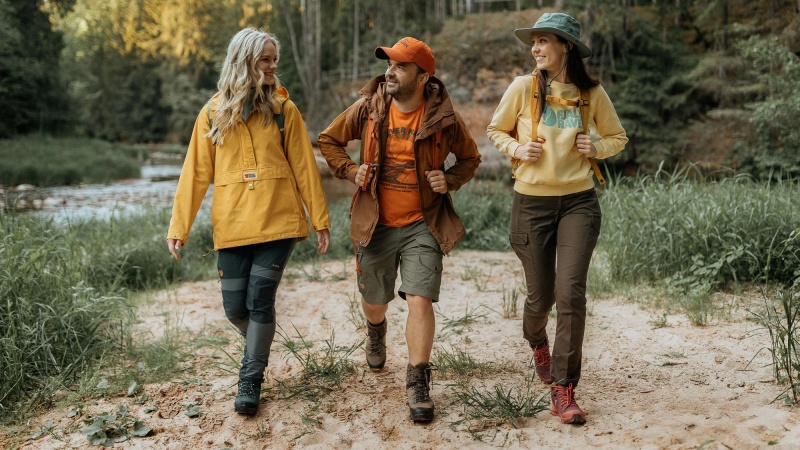
Professional outdoor clothing operates on a layering system (base, mid, outer). Sourcing budget gear requires understanding where to allocate cost for maximum perceived and real value.
1. Base Layer: Prioritizing Moisture Management Over Marketing
The base layer’s sole non-negotiable function is moisture-wicking. For cost-effective sourcing:
Material Choice: High-quality polyester or polyester-blend fabrics remain superior to cheap cotton for active use. Suppliers like Bowins often utilize proven, non-branded wicking fabrics that perform reliably without the premium cost of branded textiles (e.g., Polygiene®).
Construction: Focus on flatlock seams to prevent chafing—a low-cost construction detail that significantly enhances comfort and perceived quality. Simple, classic fits reduce material waste and complex patterning costs.
2. Insulation Layer: Balancing Warmth, Weight, and Cost
The mid-layer provides warmth. The key budget decision is between down and synthetic insulation.
Synthetic Insulation (e.g., PrimaLoft® Eco, Thermolite®): Offers better performance when wet and is typically more affordable than high-fill-power down. It is also easier to care for. Specifying a reputable, mid-tier synthetic fill ensures consistent warmth and durability.
Down Insulation: Lower fill-power (e.g., 600-700 FP) duck down provides excellent warmth-to-cost ratio for general use. Ensure responsible sourcing certifications (e.g., RDS) are in place, which is a standard practice for ethical manufacturers like Bowins.
3. Outer Shell: The Critical Investment in Weather Protection
The outer shell is where strategic cost allocation is most critical. A failed jacket destroys consumer trust.
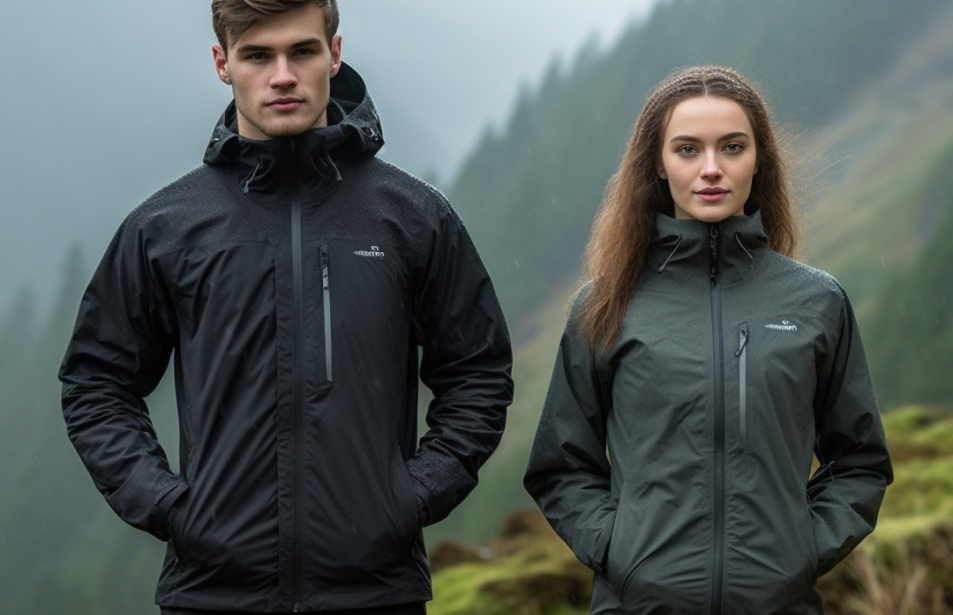
Waterproof & Breathable Technology: Instead of premium branded membranes (e.g., Gore-Tex), specify high-performance PU (Polyurethane) laminate or TPU (Thermoplastic Polyurethane) membranes. A reputable manufacturer’s in-house membrane with a hydrostatic head rating of 8,000mm – 12,000mm and a breathability (RET) rating of <15 provides excellent protection for most conditions at a fraction of the cost.
Construction & Durability: Fully taped seams are mandatory for waterproof integrity. Prioritize durability in high-wear areas (shoulders, cuffs) with higher-denier fabric panels (e.g., 70D-100D) while using lighter denier (e.g., 30D-40D) elsewhere to save weight and cost. Features like adjustable hoods, cuffs, and hem are essential and should not be compromised.
The Value-Driven Sourcing Strategy: Smart Compromises and Non-Negotiables
Building a successful budget outdoor line requires a partnership with an OEM/ODM supplier that understands value engineering.
Material Sourcing & Consolidation: Work with suppliers who have strong vertical integration or bulk purchasing power for fabrics and components. Using a limited palette of high-performance, versatile fabrics across multiple styles (e.g., the same shell fabric for a hiking jacket and a trekking pant) reduces minimum order quantities (MOQs) and cost.
Design Optimization (DFMA): Implement Design for Manufacturing and Assembly. Simplify patterns, reduce the total number of panels and pieces, and standardize zippers, pulls, and cordlocks across the collection. This significantly lowers labor and complexity costs. A partner like Bowins can audit designs for cost-efficient manufacturability.
Feature Selection: Focus on “need-to-have” over “nice-to-have.” A well-placed, single chest pocket may be more valuable than multiple low-utility pockets. Ensure critical features like ventilation zippers are included, but opt for standard, reliable hardware over custom-designed pieces.
Quality Control as a Cost-Saver: Rigorous in-process quality control (IPC) prevents costly batch failures, returns, and chargebacks. A supplier’s investment in QC is a direct indicator of long-term value and reliability.
Inside the Manufacturing Process: Where Value is Engineered
Understanding key stages of the outdoor clothing manufacturing process reveals opportunities for cost optimization without quality sacrifice:
Fabric Sourcing and Testing: Reliable manufacturers conduct in-house tests (waterproofness, colorfastness, seam strength) on incoming fabric rolls to prevent defects from propagating through production.
Precision Cutting: Using computerized cutting machines maximizes fabric yield from each roll, minimizing waste—a critical factor in material cost control.
Specialized Assembly: This is where technical expertise matters. Taping seam operators require skill to ensure perfect waterproof seals. The assembly of adjustable systems and ventilation requires precision.
Final Inspection and Testing: A professional audit includes spot-checking garments on a rain test machine. This final verification ensures the budget outdoor gear leaving the factory meets its promised performance specifications, protecting the buyer’s brand reputation.
FAQ: For B2B Buyers Sourcing Value Outdoor Gear
Q1: What is a realistic target FOB price range for a budget-oriented but fully waterproof and breathable hiking jacket?
For a jacket with a reliable 10,000mm+ PU membrane, fully taped seams, and a 40D-70D polyester shell, the competitive FOB price range typically falls between $28 and $45, depending on complexity, features, and order volume. This provides a solid foundation for retail pricing in the value segment.
Q2: How can we ensure durability in budget gear to minimize returns?
Specify key durability benchmarks: minimum 15,000 cycles on main zipper abrasion tests, bartacking at all critical stress points (pocket corners, harness attachment points), and a fabric pilling rating of 3-4 (ASTM D3512). Require your supplier, such as Bowins, to provide test reports for these metrics.
Q3: Is it feasible to source eco-friendly materials on a budget?
Yes. Recycled polyester (rPET) for shells and linings is now mainstream and often price-competitive with virgin polyester. Similarly, bluesign®-approved or OEKO-TEX® Standard 100 certified base fabrics are widely available. Leading value manufacturers integrate these as standard options to meet market demand.
Q4: What is the minimum viable order quantity for a custom-designed budget outdoor line?
MOQs vary but can start from 500-1,000 pieces per style/color with an experienced OEM like Bowins. For brands testing the market, collaborating on a modified “existing model” (changing colors, trims, and branding) can further reduce initial MOQ requirements and risk.
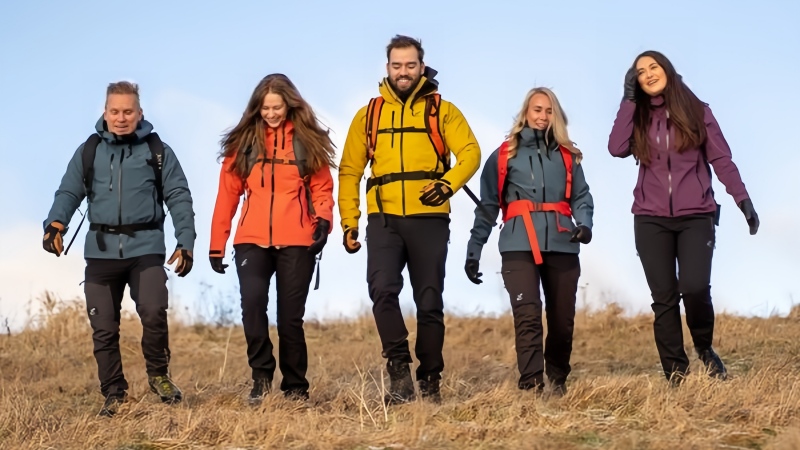
Source Smarter with Bowins: Engineered Value for the Outdoor Market
Navigating the budget outdoor segment requires a supplier that views cost optimization as an engineering discipline, not just a reduction in material quality. It demands a partner committed to transparent pricing, intelligent design, and uncompromising quality control in essential performance areas.
Bowins specializes in manufacturing high-value outdoor clothing and gear that delivers trusted performance for hiking, camping, and trekking. We partner with B2B buyers to engineer products that meet precise price points without sacrificing the integrity that outdoor enthusiasts demand.
Ready to build a competitive, value-driven outdoor collection?
Contact our technical sales team today to:
Request our comprehensive catalog of value-engineered outdoor gear prototypes.
Receive a detailed quotation based on your target specifications and volumes.
Discuss our low-MOQ pilot program and arrange to order product samples for your own evaluation and testing.
Let us provide the reliable, cost-effective manufacturing foundation your brand needs to succeed in the dynamic value outdoor market.


