 Francés
 Español
 Русский
 German
 Português
 Swedish
 Italian
 العربية
 Japanese



What to Wear for Hunting: A B2B Guide to Functional Apparel Essentials and Market Opportunities
For professional hunters and outdoor enthusiasts, the question of what to wear is fundamental. However, for B2B buyers and brands in the functional apparel industry, it opens the door to a sophisticated, technology-driven market. Hunting clothing is a specialized segment where performance, concealment, and durability are non-negotiable. The global market for hunting apparel, valued at approximately $15.66 billion in 2025, is on a steady growth path with a projected compound annual growth rate (CAGR) of around 4.81% to 6.87% through the next decade. This growth is fueled by rising participation in outdoor activities, technological advancements in fabrics, and a shifting consumer focus towards high-performance, sustainable, and versatile gear.
For manufacturers and suppliers, understanding the intricate layering system of hunting gear—from moisture-wicking base layers to waterproof outer shells—is critical to meeting the demands of a discerning global clientele. This article provides a comprehensive overview for industry professionals, covering market dynamics, technical specifications, manufacturing excellence, and strategic sourcing insights essential for succeeding in the competitive hunting apparel market.
Market Overview: Growth Drivers and Regional Dynamics
The hunting clothing industry is a resilient and expanding sector within the broader outdoor apparel market. Analysts project the market to reach between $24.93 billion and $42.29 billion by 2032-2035, indicating strong long-term confidence. This growth is not uniform but is driven by key regions and evolving consumer preferences.
Dominant Markets: North America remains the largest market, accounting for roughly 40-60% of the global share. This leadership is anchored in a deep-rooted outdoor culture, high participation rates, and the presence of major brands like Cabela’s, Under Armour, and Sitka Gear.
Emerging Opportunities: The Asia-Pacific region, followed by Europe, is identified as a significant growth area. Increasing disposable income, the popularization of outdoor lifestyles, and expanding retail channels are contributing to rising demand in these markets.
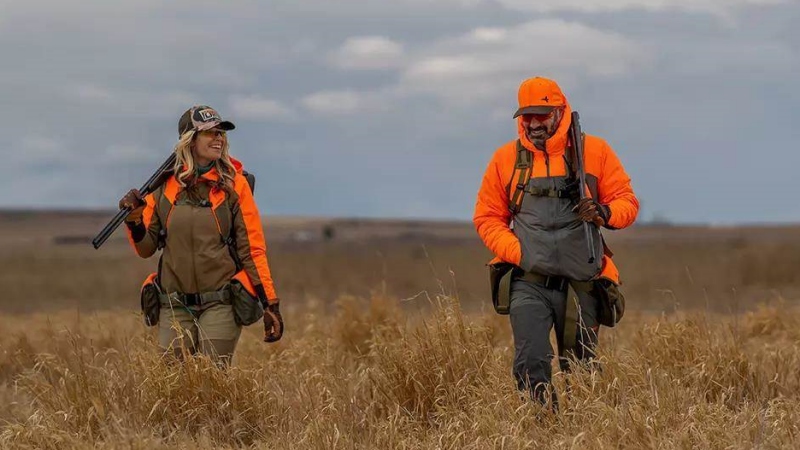
Key Consumer Trends: Today’s consumers are driving several concurrent trends. There is a pronounced shift towards sustainable and eco-friendly materials. Furthermore, demand for technical integration—such as advanced waterproofing, scent-control technology, and smart fabrics—is rising. The market is also seeing a positive rise in demand for women-specific hunting apparel, as more women engage in the sport, necessitating gear designed for female ergonomics and style preferences.
Deconstructing the Hunter's Layering System: A Technical Blueprint
Professional hunting wear is a system of integrated layers, each serving a distinct, vital function. Sourcing or manufacturing each component requires deep technical knowledge of materials and end-use scenarios.
1. The Base Layer: Moisture and Scent Management
This foundational layer is responsible for regulating body temperature and managing perspiration.
Materials: Merino wool is prized for its natural odor resistance and temperature regulation. High-performance synthetics with moisture-wicking properties are also prevalent. For specialized hunting, fabrics treated with scent-control technologies (e.g., activated carbon or antimicrobial treatments) are critical to avoid detection by game.
B2B Consideration: Buyers must verify the durability and wash-resistance of any scent-control treatment through technical datasheets from the fabric mill.
2. The Insulation Layer: Lightweight Warmth
The mid-layer provides essential warmth during static periods in blinds or while glassing for game.
Materials: The focus is on high warmth-to-weight ratio. Options include high-loft polyester fleece (quiet and quick-drying), advanced synthetic insulations like PrimaLoft®, and treated down for compressible warmth.
B2B Consideration: The insulation must be packaged within silent, non-reflective face fabrics. Articulated patterning is crucial to allow for a full range of motion without bulk.
3. The Outer Shell: The Ultimate Defense
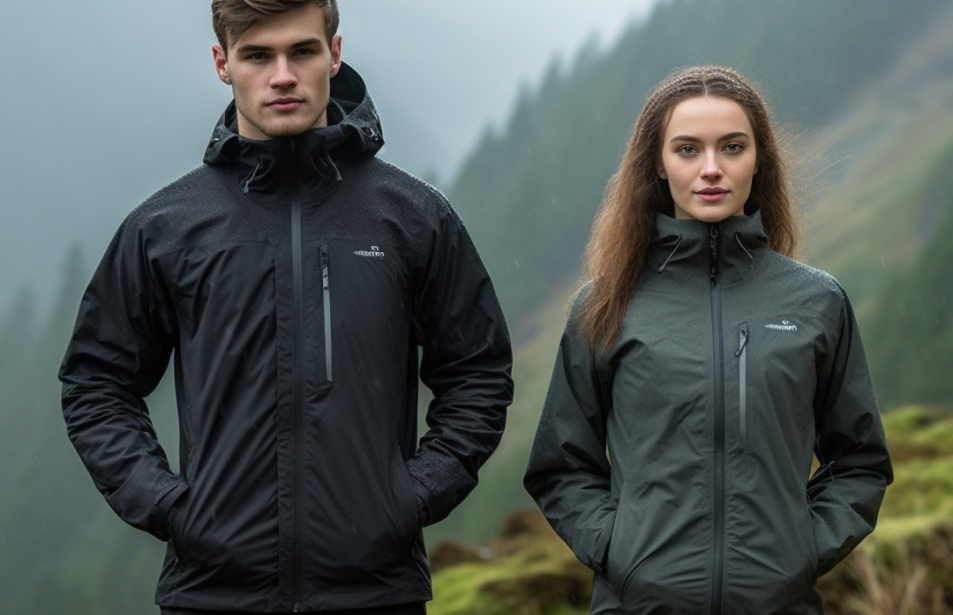
The hunting jacket and pant system is the most technically complex component, serving as the primary barrier against the elements.
Core Technologies:
Waterproof & Breathable Membranes: Laminates like Gore-Tex or equivalent proprietary membranes are standard for high-end gear. Performance is measured by waterproofness (e.g., 20,000mm+) and breathability (e.g., 15,000g/m²/24h).
Quiet and Durable Fabrics: Fabrics must be abrasion-resistant yet silent during movement. Brands may use specialized weaves or brushed finishes to minimize noise.
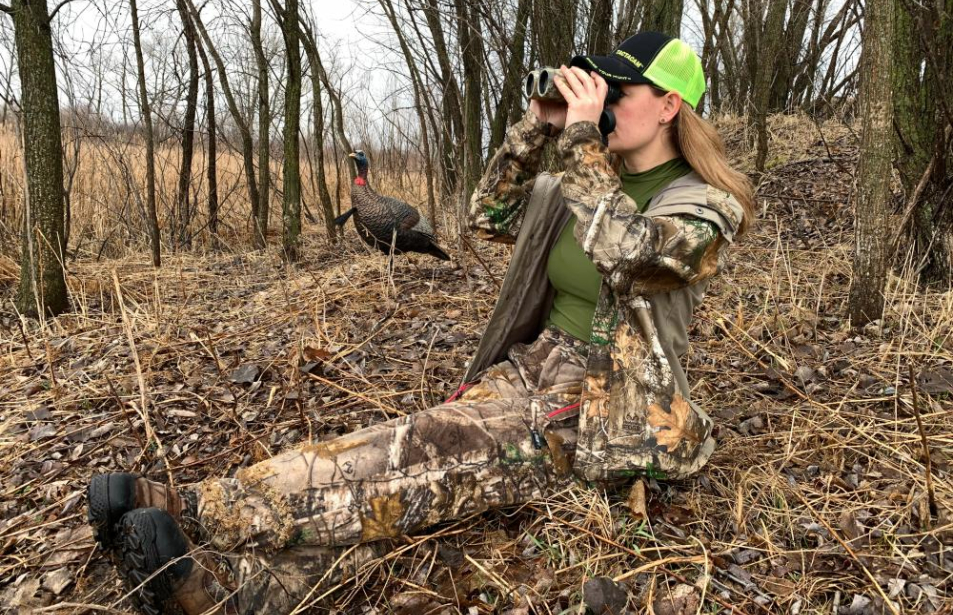
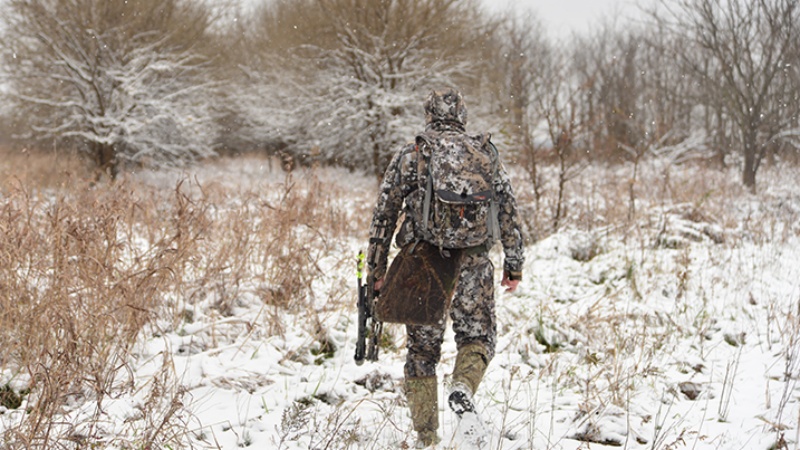
Camouflage: Effective camouflage hunting gear requires region-specific patterns (e.g., Realtree, Mossy Oak) printed on matte fabrics to eliminate shine.
Critical Features: Design is hunter-centric. This includes fully taped seams, adjustable hoods and cuffs, strategic pocket placement for gear access, and reinforcements in high-wear areas like knees and shoulders.
Innovation in Manufacturing: The Engineering Behind the Gear
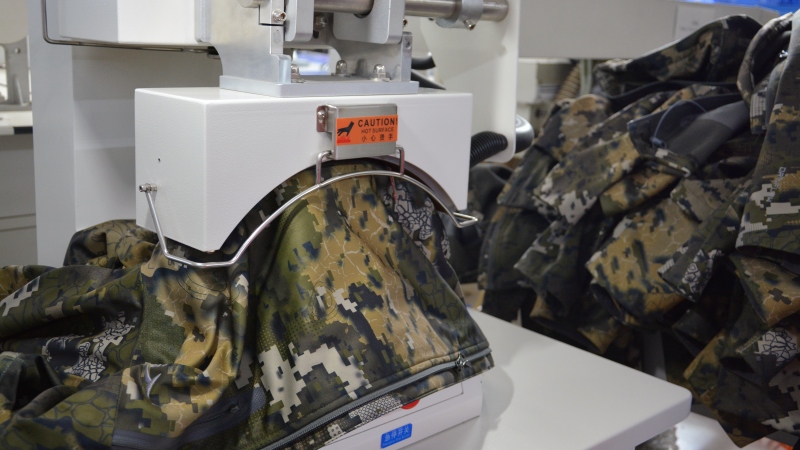
The performance promises of hunting apparel are realized on the factory floor through precision engineering and rigorous testing. Leading manufacturers, particularly within competitive supply chains like China’s, are investing in advanced processes.
Precision Seam Sealing: The weakest point in any waterproof garment is its seams. Top-tier manufacturers employ ultrasonic welding and heat-taping technologies to create bonds that are often stronger than the base fabric itself, ensuring “zero leakage” integrity.
Specialized Construction: From pattern-making that accounts for a shooter’s stance to the use of silent YKK® zippers and bartacked stress points, every detail is purpose-driven. Some manufacturers adhere to stringent protective standards, such as DIN 19432 for puncture-resistant hunting trousers designed for protection against wild boar attacks.
Stringent Quality Control: Reliable partners implement a “test-to-destruction” philosophy. This involves subjecting finished garments to simulated rain room tests under high water pressure (exceeding 9 meters) for hours and conducting pull tests on seams to validate durability far beyond typical field use.
Sourcing Strategies for B2B Buyers: Navigating Quality and Compliance
Procuring reliable hunting clothing requires a strategic approach that balances performance, cost, and supply chain resilience.
Prioritize Technical Verification: Move beyond marketing claims. Request and audit official test reports for waterproofing, breathability, tear strength, and colorfastness from suppliers. For specialized items, inquire about compliance with standards like DIN 19432.
Understand the Supplier’s Core Competency: Evaluate whether a factory specializes in technical outerwear. Proven expertise in handling lamination processes, precision sewing of high-tech fabrics, and operating advanced seam-sealing equipment is a key indicator of capability.
Embrace Value-Added Services: Partner with suppliers who offer ODM (Original Design Manufacturing) support. A partner like Bowins can provide immense value by not only manufacturing but also assisting with material selection, pattern engineering for optimal mobility, and integrating functional features based on the latest hunting apparel trends.
Manage Supply Chain Complexity: Be aware of challenges such as the long lead times and high minimums associated with licensed camouflage patterns. Work with agile suppliers who can offer flexible solutions, perhaps by utilizing “stock” patterns for initial orders or providing efficient mini-order production lines.
FAQ: Sourcing Hunting Apparel for B2B Buyers
Q1: What are the most critical performance certifications or test reports I should request when sourcing hunting jackets?
Insist on standardized lab reports for waterproofness (ISO 811 or AATCC 127), breathability (ISO 15496 or RET rating), and seam strength. For scent-control clothing, ask for data on odor reduction efficacy after multiple washes. Reputable manufacturers like Bowins will have these documents readily available for their technical fabrics and finished garments.
Q2: How important is sustainable material sourcing becoming in the hunting apparel market?
Very important. A significant segment of consumers now prioritizes eco-friendly products. Buyers should inquire about the use of recycled polyester, bluesign®-approved fabrics, and PFC-free DWR (Durable Water Repellent) finishes. Suppliers investing in these areas are aligning with a key market trend.
Q3: What is a realistic timeline and minimum order quantity (MOQ) for developing a new line of custom camouflage hunting apparel?
Timeline: Allow 6-9 months from concept to shipment for a new, custom-designed item, factoring in pattern development, fabric sourcing (especially for licensed camo), sampling, and production.
MOQ: For custom fabric patterns, MOQs can start at 1,500-3,000 yards. This typically translates to a production MOQ of 500-1,000 pieces per style. Suppliers with strong ODM services may offer more flexible terms on semi-custom models.
Q4: What advantages do specialized functional apparel manufacturers offer over general garment factories?
Specialized manufacturers bring expertise in technical material handling, performance-driven construction techniques, and rigorous testing protocols. They understand the functional requirements of hunting gear, such as creating quiet finishes, implementing ergonomic patterning for mobility, and ensuring robust weather protection. This expertise minimizes product failure risk and enhances brand reputation.
Partner for Performance: Source with Technical Expertise
The hunting clothing market demands more than basic apparel manufacturing; it requires a fusion of material science, functional design, and precision engineering. Success for brands and retailers hinges on partnering with suppliers who possess deep technical expertise and a proven track record in delivering reliable, high-performance gear.
Bowins stands as a specialist in this demanding field. As a professional OEM/ODM partner with over 17 years of experience, we engineer functional hunting apparel that meets the rigorous standards of global brands. Our in-house control of the manufacturing process—from fabric sourcing and cutting to advanced seam sealing and final inspection—ensures consistent quality, durability, and performance in every garment.
Ready to develop a superior hunting apparel collection that stands up to the elements and the market?
Contact the Bowins technical team today to:
Request our detailed technical portfolio and material sample swatches.
Receive a competitive quotation for your custom or ODM project.
Initiate a prototype sampling process and see our quality-first approach in action.
Let’s build the next generation of high-performance hunting gear together.


