 Francés
 Español
 Русский
 German
 Português
 Swedish
 Italian
 العربية
 Japanese



Hunting Apparel Industry Insight: Market Trends, Technologies & Business Opportunities for B2B Buyers
The Landscape of Hunting Apparel: Industry Background & Current Status
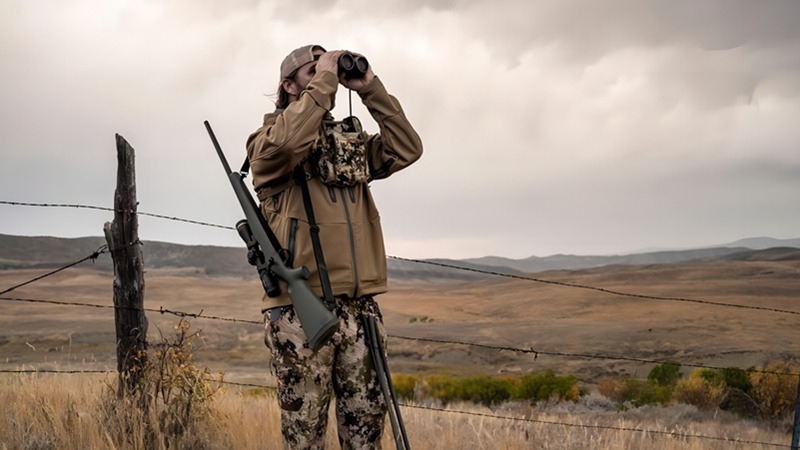
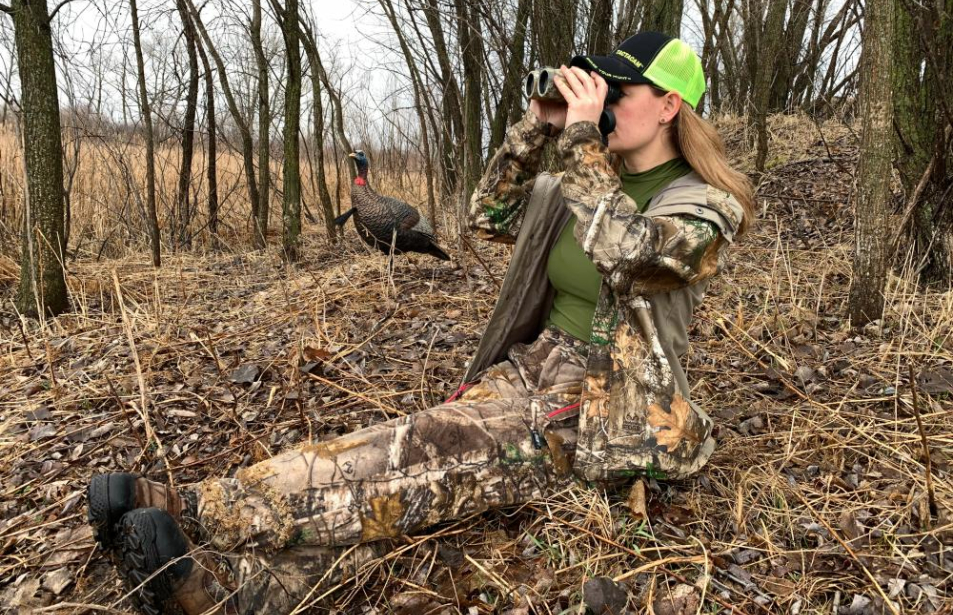
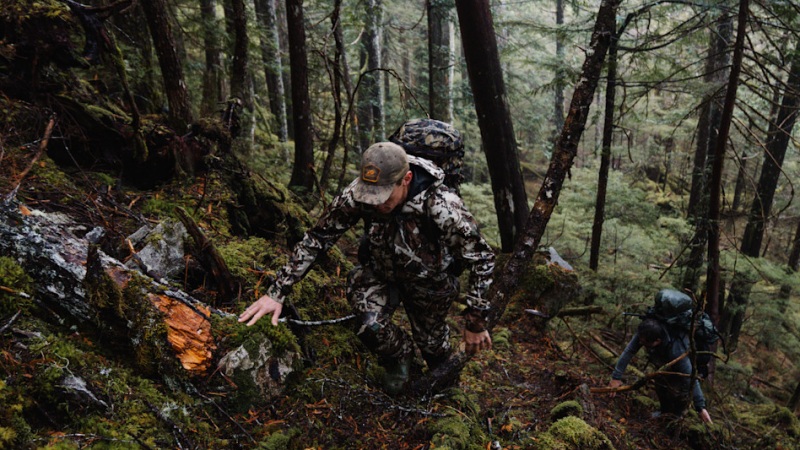
Hunting apparel has evolved from basic protective clothing to high-performance gear tailored to the diverse needs of hunters worldwide. Driven by the growing popularity of recreational hunting, rising awareness of safety and comfort, and advancements in textile technology, the global hunting apparel market has maintained steady growth over the past decade. Unlike general outdoor clothing, hunting apparel emphasizes specialized functions such as camouflage, weather resistance, scent control, and durability—factors that directly impact hunters’ safety, performance, and overall experience.
For B2B buyers, understanding the core demands of end-users (hunters, outdoor enthusiasts, and professional hunting teams) is crucial. Today’s hunters seek gear that balances functionality with comfort: waterproof camo hunting jackets for rainy conditions, lightweight breathable hunting suits for warm climates, and insulated hunting bibs for cold environments. As the industry matures, manufacturers are increasingly focusing on customization, OEM services, and cost-effective solutions to meet the diverse needs of wholesale buyers, retailers, and hunting gear distributors.
Market Data Insight: Size, Share & Growth Projections
Global Market Size and Future Forecast
According to recent research by Grand View Research, the global hunting apparel market was valued at approximately $2.8 billion in 2023 and is projected to reach $4.1 billion by 2030, growing at a CAGR of 5.6% during the forecast period. The growth is attributed to several key factors: rising disposable income in emerging economies, expanding hunting tourism sectors in regions like North America and Europe, and continuous innovations in fabric technology that enhance product performance.
For B2B buyers, this growth trajectory signals significant business opportunities—especially in niche segments such as scent-resistant deer hunting clothing, blaze orange high-visibility hunting suits, and heated hunting jackets. Wholesale camouflage hunting clothes remain the top-selling category, accounting for over 40% of the global market share, followed by hunting base layers, vests, and specialized accessories like gloves and gaiters.
Regional Market Analysis
North America dominates the global hunting apparel market, holding over 55% of the share in 2023. The region’s strong demand is driven by a large base of recreational hunters, strict safety regulations (mandating high-visibility gear in many states), and a well-established retail network. Europe follows as the second-largest market, with countries like Germany, France, and the UK leading in demand for premium, sustainable hunting apparel.
The Asia-Pacific market is emerging as a high-growth region, with a CAGR of 7.2% expected between 2024 and 2030. Factors such as increasing interest in outdoor activities, rising middle-class income, and expanding distribution channels are fueling demand here. For B2B buyers targeting APAC, lightweight and affordable hunting apparel (priced between $7–$15 per piece) is particularly popular, while North American and European buyers prioritize high-performance features like 8000mm waterproof ratings and moisture-wicking technology.
Competitive Landscape
The global hunting apparel market is fragmented, with both established players and specialized manufacturers catering to B2B needs. Key players focus on OEM/ODM services, bulk production, and customization to attract wholesale buyers. Many manufacturers offer low MOQ (minimum order quantity) options, quality control guarantees, and supply chain stability solutions—critical factors for B2B buyers seeking reliable partners.
Industry Trends: What's Shaping the Future of Hunting Apparel
Material Innovation: Performance-Driven Fabrics
Design Trends: Functional and User-Centric
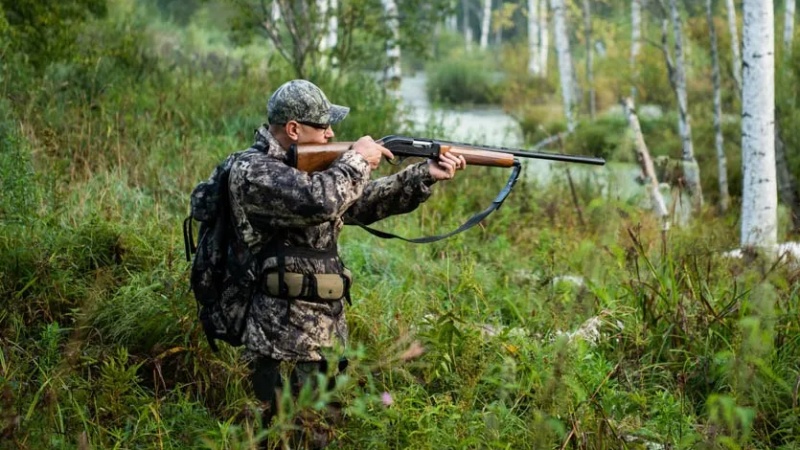
Hunting apparel design is shifting toward versatility and comfort without compromising performance. Key design trends include:
Sustainability: A Non-Negotiable for B2B Buyers
B2B buyers focusing on sustainability can differentiate their products in the market, especially in Europe and North America where consumers prioritize environmental responsibility.
Technology Deep Dive: How Key Functions Are Achieved
Waterproof Breathable Technology
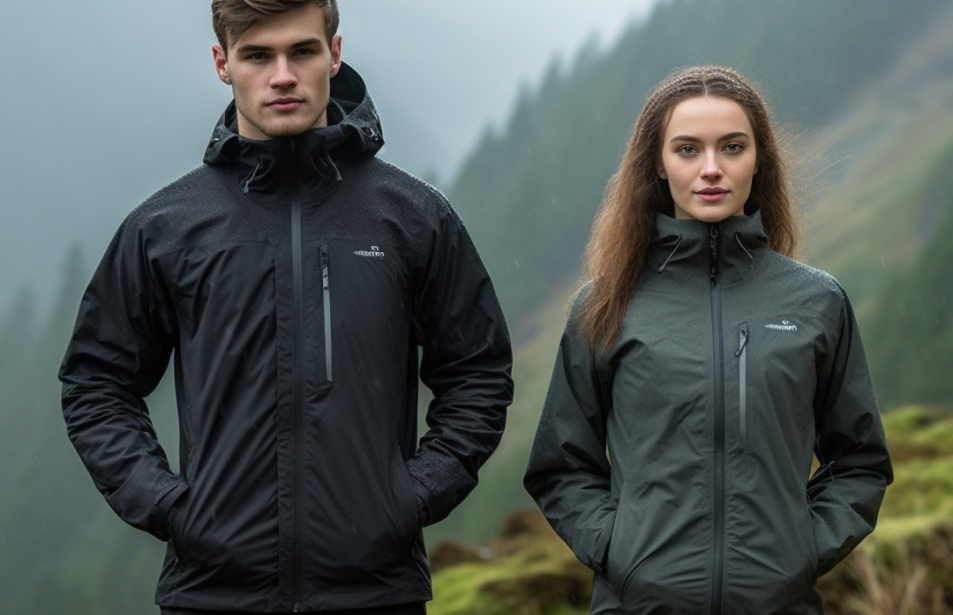
Waterproof breathable hunting jackets rely on two core technologies: membrane laminates (e.g., ePTFE) and durable water repellent (DWR) coatings. The membrane acts as a barrier to water while allowing moisture vapor to escape, keeping hunters dry and comfortable. DWR coatings repel water from the fabric surface, enhancing durability. Manufacturers test these fabrics under rigorous conditions to ensure they meet industry standards, a key consideration for B2B buyers when evaluating suppliers.
Scent Control Technology
Scent control in hunting apparel is achieved through a combination of fabric treatment and design. Antimicrobial treatments kill odor-causing bacteria, while carbon lining absorbs human scent. Some advanced products use activated carbon filters or ozone technology for long-lasting odor control. For B2B buyers, verifying the effectiveness of these technologies through third-party testing reports is essential to ensure product quality.
Insulation Technology for Cold Climates
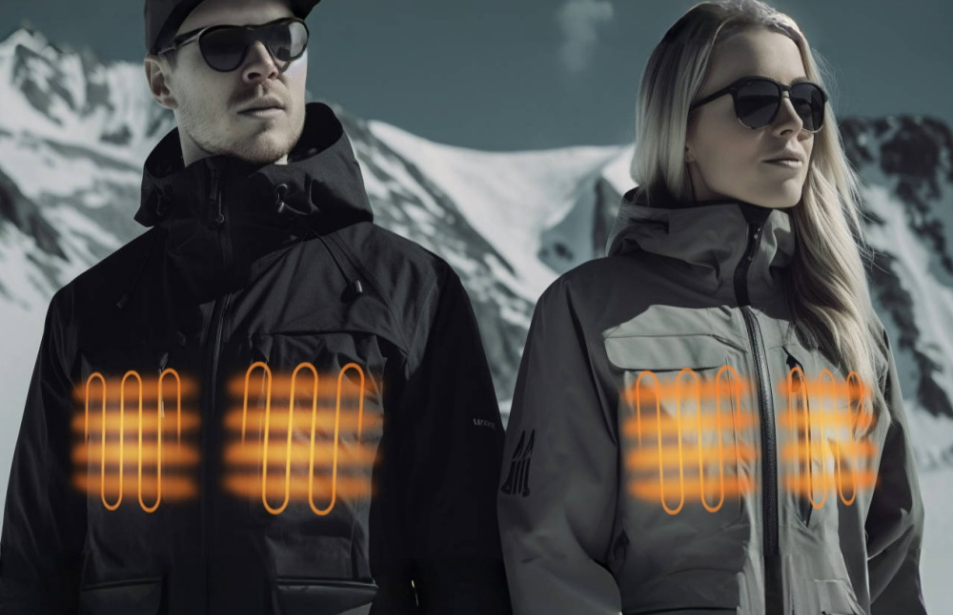
Insulated hunting bibs and jackets use materials like PrimaLoft, Thinsulate, or down alternatives to provide warmth without adding bulk. Heated hunting apparel, powered by rechargeable batteries, is a growing segment—especially in regions with sub-zero temperatures. These products feature heating elements in key areas (chest, back, hands) and adjustable temperature settings, offering hunters customizable comfort.

FAQ: Common Questions for B2B Hunting Apparel Buyers
1. What factors should I consider when selecting a hunting apparel manufacturer for OEM services?
Key factors include production capacity, quality control processes, MOQ requirements, lead time, and compliance with international standards (e.g., ISO, REACH). Look for manufacturers that offer sample testing, customization options, and after-sales support. Additionally, verify their supply chain stability to avoid delays in bulk orders.
2. How long does the waterproof performance of hunting apparel last, and how can it be maintained?
Waterproof performance typically lasts 1–3 years with regular use. To extend durability, avoid using harsh detergents when cleaning—opt for specialized outdoor gear cleaners. Reapplying DWR coating annually can restore water repellency. B2B buyers should inform end-users of proper maintenance to enhance customer satisfaction.
3. What size ranges are most in demand for global wholesale hunting apparel?
For men’s hunting apparel, sizes M–XXL are the most popular, while women’s sizes S–XL dominate. Youth and plus-size options are growing in demand, especially in North America. Manufacturers offering customized size ranges can cater to a broader market, giving B2B buyers a competitive edge.
4. How can B2B buyers balance cost and performance when sourcing hunting apparel?
Prioritize core functions based on target markets: for budget-conscious regions (e.g., APAC), focus on lightweight, basic waterproof gear; for premium markets (e.g., North America), invest in high-performance fabrics and advanced technologies. Partnering with manufacturers that offer cost-effective material selection plans and bulk pricing discounts can also help balance costs.
Call to Action: Partner for Success in the Hunting Apparel Market
The global hunting apparel market offers immense potential for B2B buyers—driven by growing demand, technological innovations, and expanding regional markets. To capitalize on these opportunities, partner with reliable manufacturers that prioritize quality, customization, and sustainability. Whether you’re sourcing wholesale camouflage hunting clothes, specialized insulated gear, or OEM products, aligning with suppliers that understand your target market’s needs is key to long-term success.
Contact trusted hunting apparel manufacturers today to request samples, discuss customization options, and explore bulk pricing solutions. With the right partner, you can deliver high-quality, market-ready products that meet the evolving demands of hunters worldwide—securing your position in this dynamic industry.