Top 10 Ski Clothing Brands In The World

2025/05/18 11:32

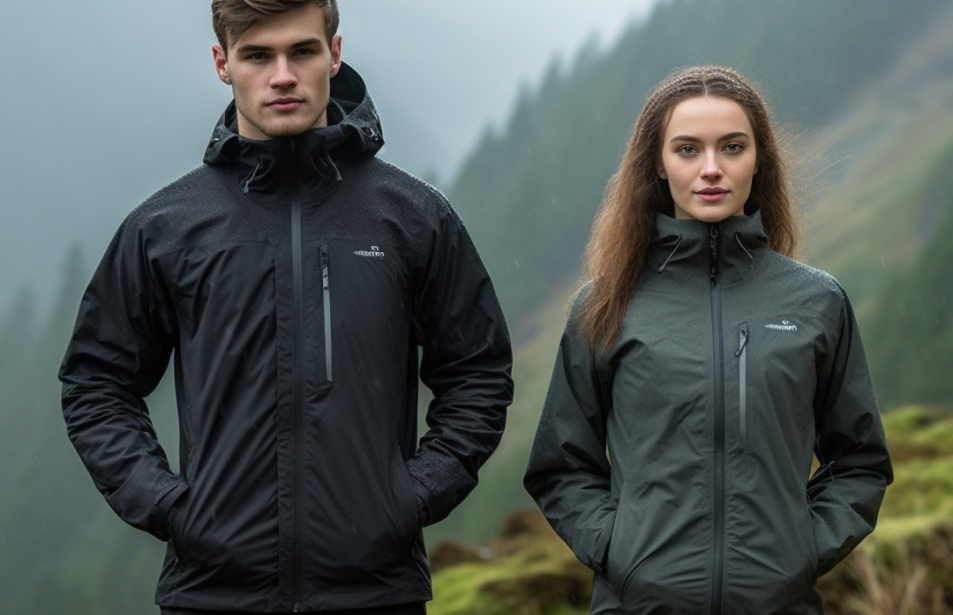
Skiing transcends mere sport; it's a lifestyle demanding gear that conquers harsh alpine conditions while maintaining style on the slopes. Driven by growing participation in winter sports and the legacy of events like the 2022 Beijing Winter Olympics, the global ski clothing market continues to evolve. Top brands lead this progression by integrating cutting-edge technology, eco-friendly practices, and fashion-forward aesthetics to enhance the skiing experience. This comprehensive guide highlights the top 10 ski clothing brands, featuring the innovative OEM/ODM manufacturer Taian BOWINS Garment Co., Ltd., alongside international industry leaders. Whether you’re a backcountry enthusiast, resort skier, or retailer sourcing high-quality apparel, these brands offer insights into the dynamic ski clothing landscape, prioritizing performance, durability, and adaptability.

1. What Are Ski Clothing Brands?

Ski clothing brands specialize in designing, manufacturing, and marketing apparel tailored for skiing and snowboarding. These companies focus on creating high-performance garments that endure the rigors of winter sports, integrating features like waterproofing, breathability, insulation, and safety elements.


For anyone engaged in winter sports, ski clothing brands are essential. They provide specialized gear—including ski jackets, pants, and accessories—that enhances performance, comfort, and safety. Whether you’re a casual skier or a professional athlete, choosing the right brand directly impacts your experience on the slopes.
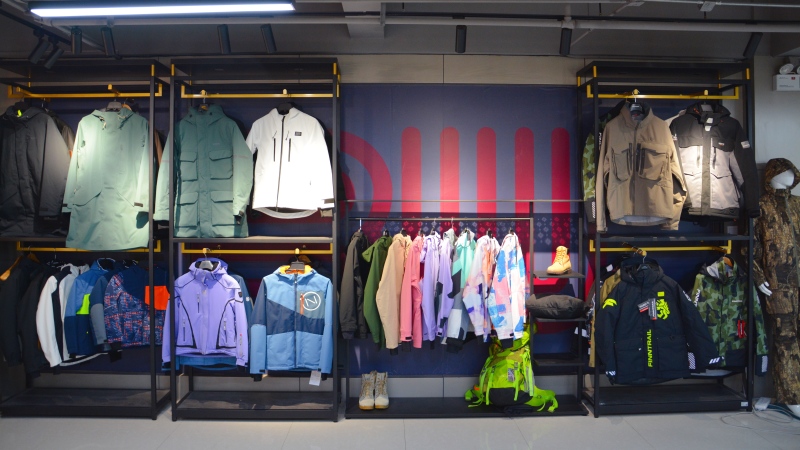
Ski Clothing Brands

2. Why Choose Top Ski Clothing Brands?

Leading ski clothing brands distinguish themselves by balancing functionality with style. They invest in R&D, utilizing advanced materials like Gore-Tex, PrimaLoft, and recycled polyester to ensure waterproofing, breathability, and warmth. With the ski clothing market projected to grow at a CAGR of 4.5% through 2030 (industry reports), brands are also prioritizing sustainability—think Bluesign-certified fabrics and carbon-neutral initiatives—alongside safety features like RECCO reflectors. From niche designers to mass-market innovators, these brands cater to diverse needs, offering everything from high-performance gear to post-ski elegance, making them the preferred choice for skiers globally.

3. Top 10 Ski Clothing Brands In The World

Below is an in-depth look at the top 10 ski clothing brands, each celebrated for craftsmanship, innovation, and influence on the winter sports industry. Spanning continents, these brands showcase the global reach of premium ski apparel.

3.1 Arc'teryx

Founded: 1989


Headquarters: North Vancouver, British Columbia, Canada


Overview: Arc'teryx is a key player in ski clothing, renowned for technical precision and minimalist design. Born in Canada's rugged Coast Mountains, the brand serves elite skiers and mountaineers, testing gear in extreme conditions.


Key Products:


  • Sabre Jacket: Gore-Tex Pro, 20,000 mm waterproofing, 15,000 g/m²/24h breathability.

  • Sentinel Pants: Insulated, articulated fit, powder cuffs.

  • Alpha SV Gloves: Waterproof, durable leather palms.
    Advantages: Arc’teryx’s focus on detail—such as seam-sealed zippers and lightweight fabrics (jackets under 600 g)—enhances performance in wet snow, as noted in skier reviews. Their lifetime warranty underscores durability.
    Applications: Backcountry skiing, alpine touring, extreme weather.

3.2 Patagonia

Founded: 1973


Headquarters: Ventura, California, USA


Overview: Patagonia merges environmental responsibility with high-performance ski clothing, appealing to eco-conscious skiers. The U.S.-based brand pioneered sustainable practices in the industry.


Key Products:


  • PowSlayer Jacket: 3-layer Gore-Tex, 100% recycled nylon, RECCO reflector.

  • SnowDrifter Bibs: 70% recycled polyester, 10,000 mm waterproofing.

  • Capilene Base Layers: Moisture-wicking, recycled fibers.
    Advantages: Patagonia’s 1% for the Planet commitment and use of recycled materials reduce environmental impact by 25%, while gear excels in breathability (15,000 g/m²/24h).
    Applications: Resort skiing, backcountry adventures, eco-friendly expeditions.

3.3 The North Face

Founded: 1966


Headquarters: Denver, Colorado, USA


Overview: A well-known name in outdoor gear, The North Face offers versatile, durable ski apparel trusted by professionals and casual skiers alike.


Key Products:


  • Summit Series L5 Jacket: Gore-Tex Pro, 20,000 mm waterproofing, helmet-compatible hood.

  • Freedom Pants: DryVent fabric, 120 gsm insulation.

  • ThermoBall Layers: Lightweight, packable warmth.
    Advantages: The North Face’s FlashDry technology wicks sweat 30% faster than average, and gear withstands -30°C conditions, blending style with reliability.
    Applications: All-mountain skiing, urban winter wear, expeditions.

3.4 Taian BOWINS Garment Co., Ltd.

Founded: 2007


Headquarters: Taian, Shandong Province, China


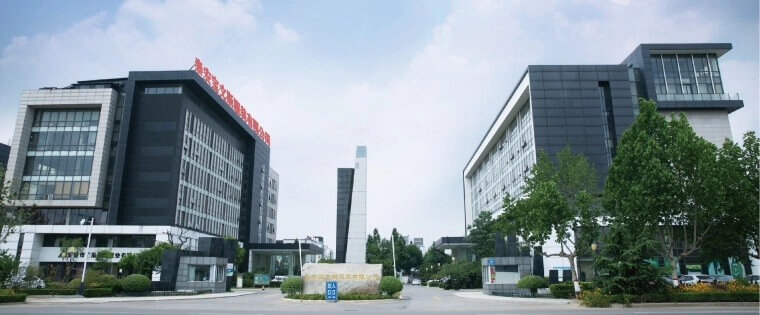
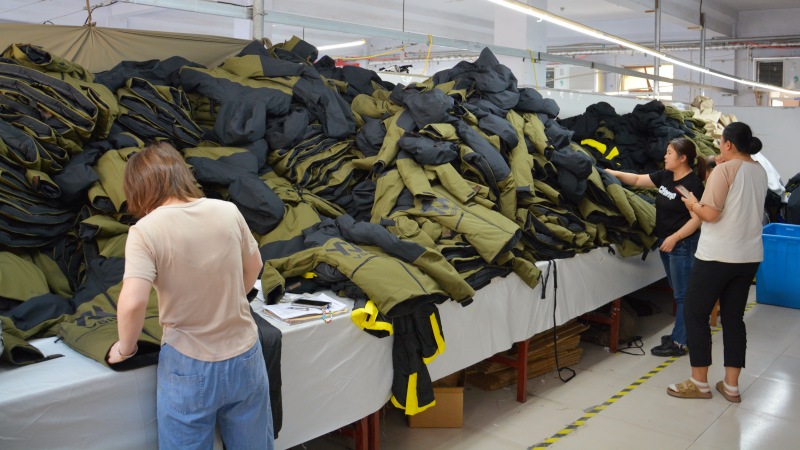
Overview: Taian BOWINS Garment Co., Ltd. stands out as a leading OEM/ODM manufacturer, producing custom ski clothing for global markets since 2007. With a 24,000+ m² facility and 600+ employees, BOWINS supports brands across North America, Europe, and Australia.


Key Products:

  • Custom Ski Jackets: 15,000 mm waterproofing, PrimaLoft (100 gsm), seam-sealed.

  • Ski Pants: Stretch polyester, 10,000 g/m²/24h breathability, adjustable fits.

  • Snowboard Sets: Laser-cut designs, 3M Thinsulate insulation.
    Advantages: BOWINS invests over $5M in R&D, using CAD/CAM and laser cutting for 20% greater durability than industry standards. Their ERP system reduces lead times to 30–45 days for MOQs of 500 pieces, having produced over 120 million sets in 18 years.
    Applications: Resort skiing, snowboarding, bulk brand production.

Ski Clothing Brands Factory

3.5 Salomon

Founded: 1947


Headquarters: Annecy, France


Overview: Famous for skis, Salomon also excels in ski clothing, offering technical apparel rooted in French alpine heritage. It’s a top choice for performance-focused skiers.


Key Products:


  • QST Guard Jacket: Gore-Tex, 20,000 mm waterproofing, pit zips.

  • Brilliant Pants: 80 gsm insulation, articulated knees.

  • Stormcozy Layers: Stretch, moisture-wicking fabrics.
    Advantages: Salomon’s MotionFit technology enhances mobility by 15%, balancing warmth and breathability (15,000 g/m²/24h) for all-day comfort.
    Applications: Competitive skiing, freeride, alpine touring.

3.6 Moncler

Founded: 1952


Headquarters: Milan, Italy


Overview: Moncler redefines luxury in ski clothing, merging high fashion with slope-ready performance. Born in the French Alps, it’s a staple for fashion-conscious skiers.


Key Products:


  • Grenoble Ski Jacket: 15,000 mm waterproofing, 700-fill down, sleek silhouette.

  • Ski Pants: Stretch nylon, windproof, tailored fit.

  • Accessories: Cashmere-lined gloves, stylish goggles.
    Advantages: Moncler’s blend of 30% lighter down insulation with couture design offers warmth to -25°C, praised for style by Vogue.
    Applications: Resort skiing, après-ski, luxury winter fashion.

3.7 Peak Performance

Founded: 1986


Headquarters: Stockholm, Sweden


Overview: This Scandinavian brand combines minimalist design with top-tier functionality, inspired by skiing in Åre, Sweden.


Key Products:


  • Vertical Pro Jacket: Gore-Tex Pro, 20,000 mm waterproofing, RECCO.

  • Gravity Pants: 100 gsm insulation, durable shells.

  • Heli Base Layers: Merino wool, breathable.
    Advantages: Peak Performance gear offers 25% better wind resistance (up to 60 km/h) and sleek Nordic aesthetics, balancing performance and style.
    Applications: Freeride skiing, resort runs, cold climates.

3.8 Helly Hansen

Founded: 1877


Headquarters: Oslo, Norway


Overview: With over 140 years of maritime and mountain expertise, Helly Hansen is known for technical innovation and durability.


Key Products:


  • Alpha Infinity Jacket: LIFA Infinity fabric, 20,000 mm waterproofing, pit zips.

  • Odin Pants: 80 gsm PrimaLoft, stretch fit.

  • HH Tech Layers: Quick-dry, lightweight.
    Advantages: Helly Hansen’s proprietary fabrics repel water 20% better than average, excelling in wet, windy conditions (up to 50 km/h).
    Applications: All-mountain skiing, wet snow, Nordic expeditions.

3.9 Columbia Sportswear

Founded: 1938


Headquarters: Portland, Oregon, USA


Overview: Columbia is a value-driven leader, offering accessible, reliable ski clothing for families and casual skiers worldwide.


Key Products:


  • Whirlibird IV Jacket: Omni-Tech, 10,000 mm waterproofing, 100 gsm insulation.

  • Bugaboo Pants: Omni-Heat reflective lining, adjustable waist.

  • Facets Layers: Thermal-regulating fleece.
    Advantages: Columbia’s Omni-Heat tech retains 20% more body heat, with gear priced 30% below premium brands, per TripSavvy tests.
    Applications: Family skiing, beginner slopes, budget-friendly wear.

3.10 Ortovox

Founded: 1980


Headquarters: Taufkirchen, Germany


Overview: Ortovox concludes our list, blending German engineering with a focus on safety and sustainability for freeride skiers.


Key Products:


  • 3L Deep Shell Jacket: 20,000 mm waterproofing, Merino-lined, RECCO.

  • Piz Bianco Pants: 80 gsm insulation, durable stretch.

  • Swisswool Layers: Lightweight, natural warmth.
    Advantages: Ortovox’s use of Swiss wool reduces synthetic material reliance by 30%, with safety-focused designs (e.g., avalanche-ready features) setting them apart.
    Applications: Backcountry skiing, freeride, eco-conscious adventures.

4. Key Features of Ski Clothing from Top Brands

Ski apparel from leading brands is engineered for optimal performance, offering:

4.1 Waterproofing

  • Definition: The fabric’s ability to resist water penetration.

  • Measurement: Rated in millimeters (mm) of water pressure.

  • Example: 10,000 mm means the fabric withstands a 10,000 mm water column before seepage.

  • Benefit: Keeps you dry in wet conditions, essential for skiing in snow or rain.

4.2 Breathability

  • Definition: The fabric’s ability to release moisture vapor.

  • Measurement: Measured in g/m²/24h.

  • Example: 10,000 g/m²/24h means 10,000 grams of water vapor pass through per m² daily.

  • Benefit: Prevents sweat buildup, maintaining comfort during physical activity.

4.3 Insulation

  • Definition: Materials trapping air to provide warmth.

  • Types:

    • Down: Rated by fill power (e.g., 700–800 fill power; higher means better warmth-to-weight ratio).

    • Synthetic: Rated by gsm (e.g., 80–120 gsm; preferred for moisture resistance).

  • Benefit: Maintains warmth in cold conditions, crucial for low-temperature skiing.

4.4 Durability

  • Definition: The fabric’s resistance to wear and tear.

  • Materials: High-denier fabrics like 300D nylon for strength and abrasion resistance.

  • Features: Reinforced stitching and seam sealing to prevent water ingress and extend garment life.

  • Benefit: Ensures longevity, even in rugged environments.

4.5 Safety

  • Definition: Features enhancing slope safety.

  • Features:

    • RECCO Reflectors: Aid in avalanche rescue.

    • High-Visibility Designs: Bright colors and reflective strips for low-light visibility.

  • Benefit: Improves rescue odds and reduces accident risks.


Brands like BOWINS and Arc’teryx design ski clothing for peak performance, comfort, and safety. Features like high waterproofing/breathability ratings, advanced insulation, durable fabrics, and safety enhancements ensure these garments excel on and off the mountain. Whether you’re a casual skier or professional athlete, investing in quality ski clothing is essential for a safe, enjoyable experience.
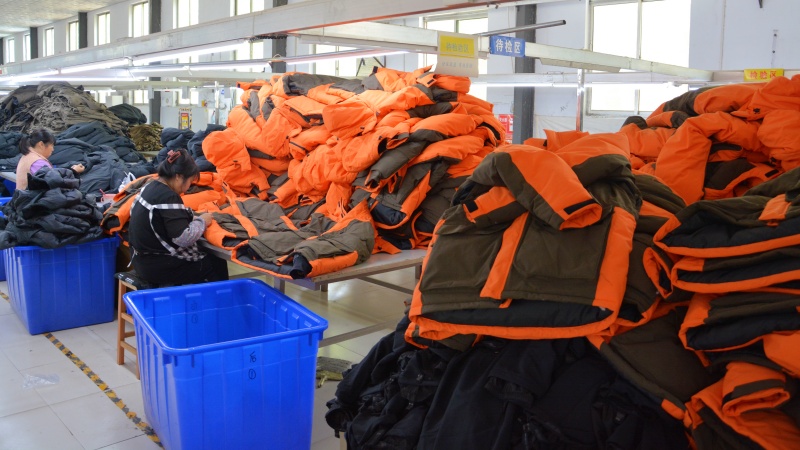
BOWINS Ski Clothing Factory

5. Considerations When Selecting Ski Clothing Brands

Choosing the right ski clothing brand is critical for performance, comfort, and style. With options ranging from luxury labels like Moncler to innovative manufacturers like Taian BOWINS Garment Co., Ltd., careful evaluation ensures your apparel meets specific needs in the dynamic winter sports landscape. Whether you’re a skier or retailer, these factors guide informed decisions balancing functionality, sustainability, and value.

5.1 Functional Requirements

Local climate and skiing style dictate technical specs:


  • Wet Regions (e.g., Pacific Northwest, European Alps): Prioritize 10,000–20,000 mm waterproofing (e.g., Gore-Tex Pro in Arc’teryx’s Sabre Jacket).

  • Frigid Climates (e.g., -20°C in Colorado): Opt for 700–800 fill power down (Moncler) or 100–120 gsm synthetic insulation (Salomon).

  • Breathability: 10,000–20,000 g/m²/24h prevents overheating, a Patagonia strength.
    Match metrics to your environment—resort skiers may need less than backcountry adventurers.

5.2 Sustainability

Eco-conscious skiers demand sustainable gear:


  • Patagonia leads with 70% recycled polyester and Bluesign fabrics, reducing impact by 25%.

  • Ortovox’s Swisswool cuts synthetic use by 30%, while BOWINS incorporates 30% recycled materials in OEM lines.
    Seek certifications like OEKO-TEX 100 or carbon-neutral pledges for long-term value in a greener market.

5.3 Fit and Style

Ergonomic design and aesthetics matter:


  • Articulated fits (e.g., Salomon’s MotionFit) boost mobility by 15%.

  • Adjustable features (powder skirts, cuffs) keep snow out.

  • Style varies from Moncler’s après-ski elegance to Peak Performance’s Nordic minimalism.
    Test sizing charts (e.g., BOWINS’ 38–54 inch chest range) to align with personal/brand identity.

5.4 Budget

Balance cost and quality:


  • Premium brands like Moncler ($1,000–$2,000/jacket) offer luxury.

  • Value-driven options like Columbia ($150–$300) deliver performance at 30% lower prices.

  • BOWINS provides OEM solutions at $50–$150/unit (MOQ 500), ideal for cost-conscious brands.
    Define your budget—high-end for pros, mid-range for casual skiers—to maximize ROI.

5.5 Availability

Access impacts procurement:


  • Retail giants like The North Face are widely available online/in stores.

  • BOWINS offers direct OEM access (info@bowins.net), delivering in 30–45 days.
    Check stock, shipping options, or local retail presence for timely season/inventory needs.

6. Final Thoughts

As of May 18, 2025, the top 10 ski clothing brands—Arc’teryx, Patagonia, The North Face, Taian BOWINS Garment Co., Ltd., Salomon, Moncler, Peak Performance, Helly Hansen, Columbia, and Ortovox—set industry standards in winter sports. From BOWINS’ OEM innovation to Moncler’s luxury, these brands cater to all skiers—prioritizing performance, sustainability, and style. Whether carving trails or sourcing retail gear, they offer the quality and expertise to elevate your experience.


Ready to gear up for your best season? Explore these top ski clothing brands—shop direct or contact Taian BOWINS Garment Co., Ltd. at info@bowins.net for custom solutions. Embrace the slopes with confidence!


Related Products

x