 Francés
 Español
 Русский
 German
 Português
 Swedish
 Italian
 العربية
 Japanese



Top 5 Women's Ski Jackets Manufacturers
Women's ski jackets manufacturers serve very different buyers. Some names on a shortlist sell finished jackets to skiers; an OEM/ODM partner develops jackets to a buyer's specification. This guide compares four consumer-facing snow brands with BOWINS Garment, our own manufacturing operation. The list is a sourcing framework, not a ranking by sales or a claim that every listed brand accepts private-label orders.
For a buyer, the useful question concerns the jacket details that can become a repeatable product: a fit that allows movement, weather protection that survives construction, and a sample that can be reproduced. We review public product ranges as design references, then explain the decisions a buyer should record before approaching a factory. Product lines and prices change, so confirm current availability directly with each brand or supplier.
1. Top 5 Women's Ski Jackets Manufacturers
1.1 Obermeyer
Obermeyer is a useful reference when a women's range needs several insulation and fit options within one snow category. Its public women's insulated-jacket collection shows why buyers should not judge a jacket by one waterproof number. Pattern shape, hood adjustment, cuff closure, pocket placement, and the space left for a midlayer all affect the wearer. For a retailer, the brand is a finished-product benchmark rather than evidence of a private-label manufacturing service. Women's ski jackets manufacturers who develop private labels need a separate set of checks. Compare a specific current model, size chart, and market before treating a listed feature as a requirement for your own line.
1.1.1 Collection focus
The collection includes silhouettes that address different preferences for warmth and mobility. A close-fitting jacket can look clean on a product page yet feel restrictive with an insulated midlayer. A roomier jacket can support layers but lose shape if the hem and sleeve proportions are not controlled. Therefore, evaluate sample size, intended layer system, and target customer together. In contrast, a buyer serving resort skiers may prioritize comfort on lifts; a more active user may value venting and less bulk. Those are design choices, not a universal quality hierarchy.
1.1.2 Construction to study
Obermeyer's published range highlights articulated patterning, adjustable cuffs, hoods, and snow-skirt details on relevant models. These features are useful only when their positions work on the wearer. For example, ask a fit model to raise both arms, reach across the body, sit, and close every pocket while wearing gloves. Then note whether the hem rises, the hood blocks peripheral vision, or a cuff catches a glove gauntlet. As a result, those observations are more transferable to a tech pack than a marketing adjective such as “technical.”
1.2 Perfect Moment
Perfect Moment offers a fashion-led contrast. Its women's ski-jacket range includes statement puffers and fitted shapes, so it helps a buyer consider how visual identity and snow function meet. This is a finished-garment reference. As a result, women's ski jackets manufacturers should treat its design as a benchmark, not a template for copying. For instance, a bold silhouette can support premium positioning, but it also increases the need to check size grading and movement across the intended customer range. Thus, a buyer should look beyond a campaign image and inspect the exact garment, its care information, and its stated use.
1.2.1 Design position
The brand uses distinctive color and shape to make a jacket recognizable. That approach may suit a collection built around resort style and coordinated outfits. However, strong visual features can complicate production: panel seams multiply, patterned pieces must match, and a fitted waist may leave little room for layers. Therefore, when building a brief, separate the visual cues that define the collection from the construction details that protect the wearer. A supplier can then assess each decision on its own terms.
1.2.2 Model to compare
The current public range includes Polar Flare and other jacket families, with product-specific differences. Use one exact style and season as the reference; do not transfer a feature from one model to every Perfect Moment jacket. For example, compare hood shape, pocket access, lining, and closure layout against the planned retail price and user profile. In addition, record what you have verified from the current product page or a physical sample. A supplier needs measurable dimensions and construction notes, not an instruction to “make it like this brand.”
1.2.3 Functional review
The range's public descriptions mention details such as ski-pass or goggle storage and helmet-compatible hoods on relevant styles. Their value depends on placement and integration. A ski-pass pocket that is hidden beneath a glove cuff is awkward; a large hood that does not adjust around a helmet can move in wind. Request a use test with the intended gloves, helmet, and base layers. In addition, check whether the exterior fabric, insulation, and closure choice fit the garment's care and durability goals.
1.3 Halfdays
Best for: Buyers studying a women-centered snow collection with clear style families. Halfdays presents ski and snow jackets as part of a coordinated women's range. In fact, the public collection includes named models such as Aston, Lawrence, and Georgie Puffer. That makes it useful for comparing how different silhouettes can sit under one brand without forcing every customer into the same fit. It does not mean the brand supplies OEM jackets. Treat it as a market reference and verify current specifications for the exact style under review. In particular, women's ski jackets manufacturers should document the customer need behind each design decision.
1.3.1 Range perspective
In practice, a short range can still cover several user needs if the styles have distinct jobs. Compare a more insulated option with a less bulky shell or a freeriding shape, then ask where each belongs in a retailer's assortment. If the difference is only color, the buyer may carry avoidable complexity. By comparison, if fit, insulation, and pocket layout differ, each style needs its own trial. Consequently, range planning should state the customer, climate, and price position before sampling begins.
1.3.2 Named models
Aston, Lawrence, and Georgie Puffer are examples visible in the brand's public snow-jacket collection at the time of review. Yet names alone do not prove a fixed fabric or performance level across seasons. Instead, record the exact season, color, size, and published construction before comparison. For an OEM brief, turn observations into original requirements: the amount of ease over a midlayer, acceptable bulk at the shoulder, and the pocket position in a seated ski-lift posture. This protects the buyer from vague copying.
1.4 BOWINS Garment — Custom ski-jacket development partner
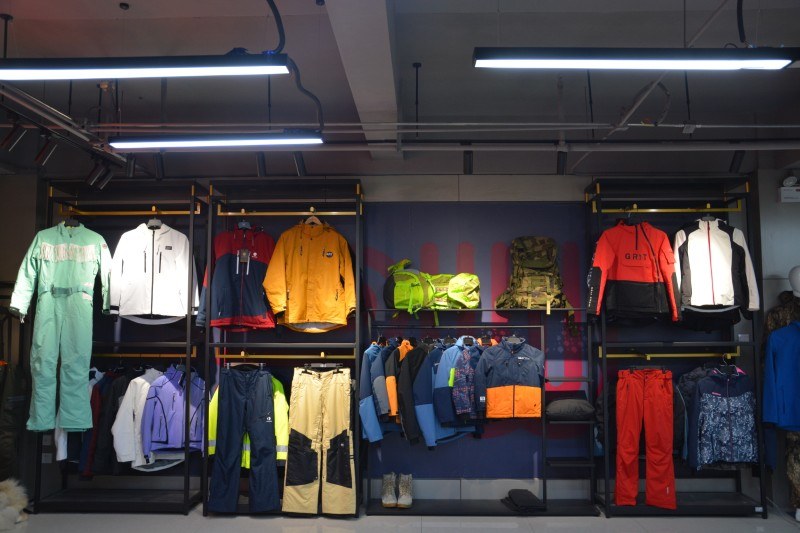
BOWINS Garment, our own manufacturing operation, is the OEM/ODM option in this list. Unlike the consumer brands above, we work from a buyer's collection brief and sample approval process. That distinction matters: a buyer seeking a finished retail model should compare brand availability, while a buyer building a private-label women's ski range needs documented specifications, sample revisions, and production controls. Our manufacturing overview shows the facilities behind the development discussion; it does not substitute for inspecting the exact sample for your project.
1.4.1 Development approach
A fast sample is useful only if it answers a clear question. We ask a buyer to identify the target activity, silhouette, size range, shell material, insulation approach, and critical trims before pattern work. If a tech pack already exists, we can work to it and record any proposed change. If the buyer begins with a concept, we can develop a first construction proposal for review. Either way, the buyer should approve a reference sample and revision log before bulk production. The speed of a first prototype never guarantees a shipment date.
1.4.2 Evidence to request
For a snow jacket, a buyer should inspect the pattern, seam map, pocket placement, and the relationship between shell and lining. Our company information identifies the manufacturing business, while a project-specific sample and agreed inspection criteria provide stronger evidence of execution. For example, ask for photos of the exact sample, fabric and trim references, and a written list of changes after fitting. Where weather protection matters, define the test method and acceptance limit in the purchase specification. The buyer should also confirm who signs off any material substitution.
1.5 Quiksilver
Best for: Studying a wider snow-sports brand portfolio while checking the women's offer through the right label. Quiksilver's current snow guide emphasizes men's and boys' products. Its sister brand Roxy carries the women's snow-jacket range. Therefore, Quiksilver belongs here as a portfolio context, not as proof that a Quiksilver-branded women's jacket is on sale or that either brand manufactures private-label goods. Women's ski jackets manufacturers should evaluate the Roxy women's line separately. A buyer who wants a women's product reference should inspect a current Roxy style and label it correctly in internal notes.
1.5.1 Portfolio context
A group can keep separate identities for different customers while sharing broader snow-sports knowledge. For a new label, that is a useful reminder: assortment structure and customer language matter as much as a fabric claim. However, do not merge the two brands' product sheets. For example, the women's Roxy collection offers different fits and style options, while Quiksilver's public guide describes another customer segment. When preparing a competitor matrix, record the actual brand on the garment, the model name, and its sales market.
1.5.2 Women's model reference
Instead, choose a current Roxy women's snow jacket from the official collection rather than inventing a Quiksilver women's model. Photograph its fit on the intended body shape and note how it handles a helmet, gloves, and layered clothing. Then distinguish visible design features from unverified material performance. A retail page may describe a jacket for skiing or snowboarding, but a sourcing specification needs the construction details, testing method, and care limits. The difference prevents a buyer from using a marketing category as a manufacturing instruction.
1.5.3 Specification limits
The snow range includes varied fits, so buyers should never attribute one waterproof, breathability, or insulation figure to the whole portfolio. Compare only the exact jacket, size, season, and published specification. If a buyer needs a fabric performance target, ask the supplier to identify the test standard and sample condition used for the reported value. The ISO catalogue can help a technical team locate relevant test methods; it does not certify a jacket merely because a standard is mentioned in a brief.
2. How should women's ski jackets manufacturers test fit?
2.1 Start with the intended layering system
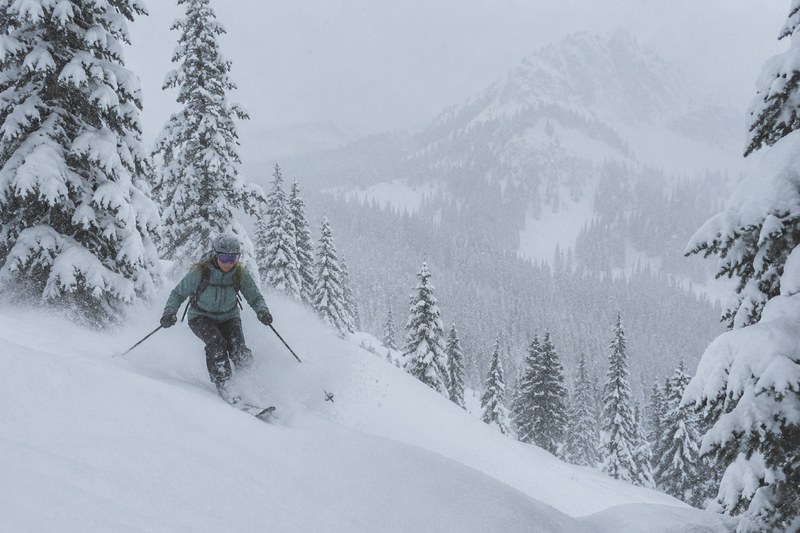
Women's ski jackets need enough ease for movement without excessive fabric at the shoulder or waist. However, a size chart gives body or garment measurements, but it does not show how the jacket feels over a base layer and insulated midlayer. Set the intended layer combination, then fit the same sample on several people within the target size. Check reach, rotation, and a seated position. A buyer planning an insulated resort jacket will judge bulk differently from one planning a light shell for active skiing.
Therefore, the test should end with measurable notes. Record chest, waist, hip, sleeve, shoulder, and back-length measurements on the approved sample. Photograph the wearer from front, side, and back while standing and moving. In addition, note where the hem sits with ski pants or bibs. If feedback says “too tight,” identify the location and the movement that caused it. A supplier can revise a pattern from a measured problem; it cannot reliably revise a feeling without context.
2.2 Check interfaces, not just body measurements
A jacket works as part of a system. For example, test cuff closure with the intended gloves, hood movement over a helmet, and collar comfort when the zip is fully closed. Check whether a lift pass remains accessible without opening the main zip. Pocket bags should clear a harness or waist belt when the design targets those uses. Moreover, a snow skirt should meet the pants cleanly rather than bunching at the waist. These details often explain why two jackets with similar fabric specifications feel different on snow.
For inclusive sizing, do not simply enlarge the base pattern by one uniform percentage. Compare the movement and proportions at small, middle, and large sizes. A sample in only one size can hide sleeve pitch and hood problems at the ends of the range. If the brief covers several markets, agree on the sizing convention before printing labels and packaging. The approved measurement chart should travel with the sample through every production revision.
3. How can women's ski jackets manufacturers develop a reliable sample?
3.1 Write a brief that can be checked
A practical brief starts with use case, customer, silhouette, expected layers, and target price position. Then it defines fabric hand feel, waterproof construction, insulation strategy, and trim priorities. Buyers can browse technical apparel categories to frame the product discussion, but the project still needs its own bill of materials and sample measurements. Include the planned colorways and size curve early. These choices affect fabric sourcing, grading, and whether a proposed detail is economical at the expected order size.
In particular, the first sample should answer questions, not merely look finished. Ask the supplier to identify areas still under review, such as hood shape or seam placement. Afterward, issue one consolidated revision list with dimensions, annotated photos, and a decision owner. A second sample can then show whether changes solved the stated problems. If a material changes, document its new specification and retest the affected function. Otherwise, the approved appearance may conceal a changed performance assumption.
| Best For (Use Case) | Target Audience | How to Check Pricing | Brand Origin (HQ) |
Obermeyer finished snow jackets | Retail buyers comparing insulated styles | Check current Obermeyer retail listing in the target market | United States |
Perfect Moment finished ski styles | Buyers studying fashion-led resort design | Check current Perfect Moment retail listing in the target market | United Kingdom |
Halfdays finished snow jackets | Buyers studying a women-focused assortment | Check current Halfdays retail listing in the target market | United States |
BOWINS custom OEM/ODM development | Brands building their own ski collection | Request a BOWINS quote based on specifications and order quantity | China |
Roxy women's range within the Quiksilver portfolio | Buyers studying current women's retail fit | Check current Roxy retail listing in the target market | United States |
3.2 Separate price signals from sourcing costs
The table compares roles and markets, not equivalent offers. Retail prices change with region, season, promotion, and tax treatment; therefore, a fixed price band would become misleading quickly. By contrast, an OEM quotation has a different basis: fabric, trims, construction, quantity, packaging, inspection, and shipping terms. Ask for a written quotation against the approved specification, then record every exclusion. Comparing that figure with a consumer shelf price without accounting for distribution would be a false comparison.
Moreover, a sourcing decision also needs a service plan. Who holds the approved sample? Who reports an inspection finding? Which changes need buyer approval before production continues? These questions connect the jacket's design to after-sales responsibilities. Early answers make a later complaint easier to investigate by batch, material lot, or size. A low initial quote has little value if the parties cannot identify what was actually produced.
4. What should women's ski jackets manufacturers check in construction?
4.1 Match the shell system to use
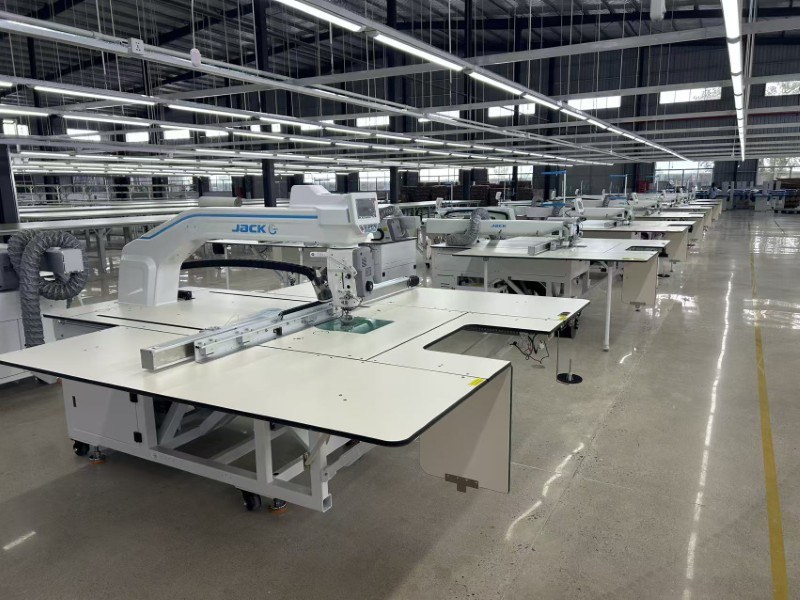
A jacket for cold lift rides may call for a different balance of insulation, breathability, and venting than a jacket for continuous movement. Specify intended weather and activity first. Then define the shell, lining, insulation, and seam treatment as one system. A fabric test result alone cannot prove that the finished jacket will keep water out at stitched seams or front closures. For that reason, a buyer should request both material evidence and a finished-garment assessment relevant to its claim.
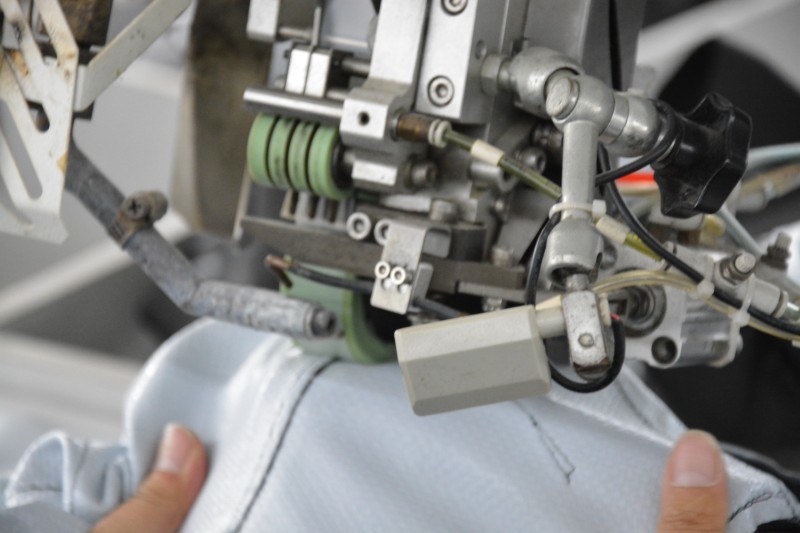
Waterproof and breathability figures help only when the supplier states its methods and conditions. Ask whether values refer to fabric before or after washing, which face underwent testing, and how the team evaluated seams or trims. The answer may change the construction plan. A snow skirt, storm flap, adjustable hem, or taped seam can improve a particular design, but each adds cost and another point to inspect. Therefore, keep only details that serve the target user and that the factory can build consistently.
4.2 Control repeatability after approval
Pair the approved sample with a measurement chart, bill of materials, color reference, and construction notes. During production, check that fabric lots, insulation weight, and critical trims match those references. In addition, inspect the features a customer will notice first: fit, closure operation, pocket usability, and visible seam quality. If the buyer specifies a laboratory test, agree in writing on the method, sampling stage, and pass criterion before placing the order.
Quality control should also cover the handoff after delivery. Agree how the team will document a complaint, which evidence it needs, and how it will identify the affected batch. That gives buyers a more useful after-sales promise than a vague claim that a jacket is “premium.” Buyers can review our certificates page as background, but any certification used in a purchasing decision should be checked against the current certificate, named legal entity, scope, and validity period.
5. What belongs on the sourcing checklist?
Before ordering, choose whether the project needs a finished retail jacket or an OEM/ODM production partner. For finished products, confirm the exact brand, model, market, size range, current price, and support channel. For custom production, approve the use case, fit trial, measurement chart, materials, construction, testing terms, and reference sample. Keep a record of who approves substitutions and who handles problems after delivery. These checks make women's ski jackets manufacturers easier to compare on the evidence that matters to the buyer.
BOWINS can discuss a custom ski-jacket brief through its contact page. Bring the intended customer, size range, forecast quantity, and the features that must survive the first fit test. We can then discuss sample development against a defined specification instead of an untested promise.