 Francés
 Español
 Русский
 German
 Português
 Swedish
 Italian
 العربية
 Japanese
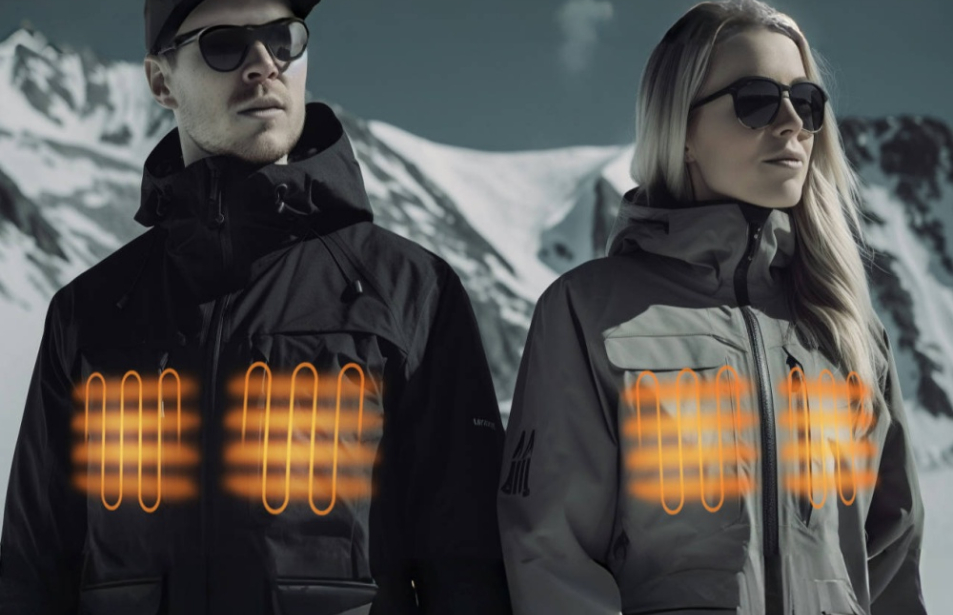
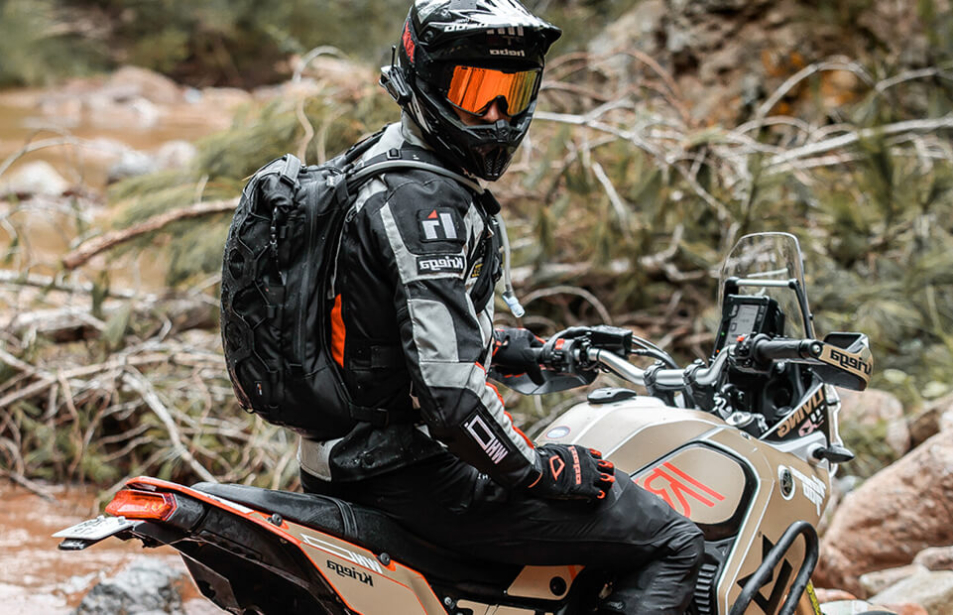
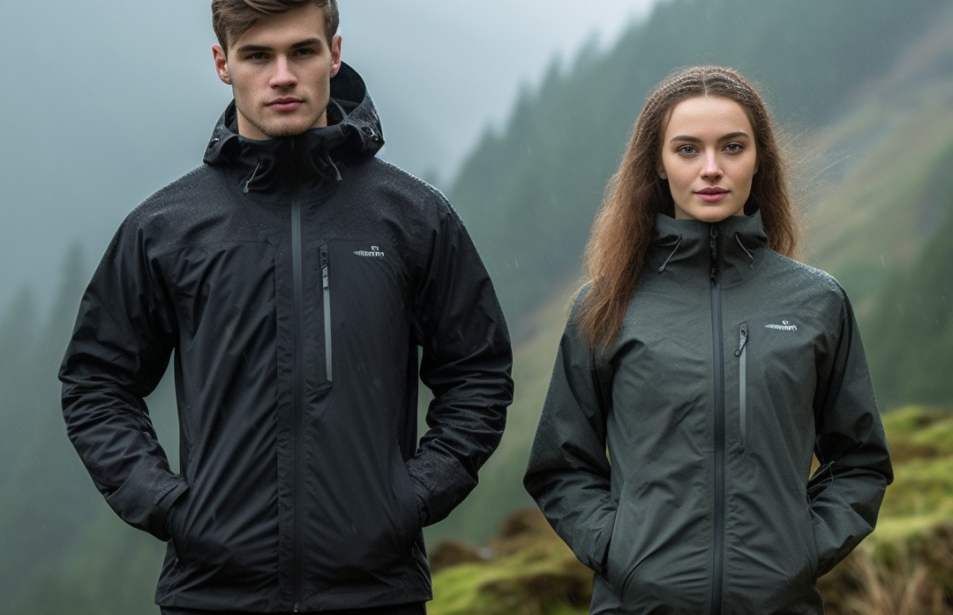



Snowboard outerwear needs a clear range plan before a brand adds more styles, colors or fabric options. A shell jacket, an insulated jacket and a bib can each serve a distinct rider. However, extra products only add value when buyers can explain the difference through warmth, fit, coverage or use.
For a brand building its next winter collection, the challenge is breadth without needless overlap. Shared fabrics and trims can simplify development, while targeted changes give each garment a reason to exist. This guide sets out a practical starting framework for jackets, pants and bibs, then connects that framework to sample checks and manufacturing decisions.
1. Snowboard Outerwear Range Boundaries
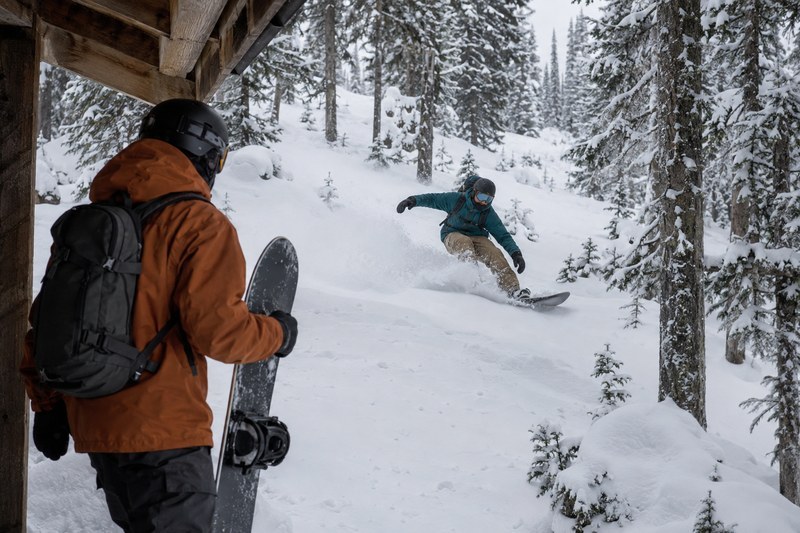
A focused collection starts with the rider, the place and the sales channel. Define whether the range serves lift-access resort days, park sessions or more active mountain travel. Then decide which needs the first season must cover. These choices shape fabric weight, insulation, vent placement and the room available for layers.
For example, a rider who spends long periods on lifts may value built-in warmth. A rider who climbs or moves hard may prefer a shell and separate layers. Neither choice makes a complete collection by itself. Instead, use those differences to assign clear jobs to products before drawing new pocket layouts or choosing seasonal colors.
Range breadth also includes size and fit coverage. A collection with several jacket designs but one narrow fit may leave a larger gap than a smaller collection with well-tested proportions. Therefore, record body measurements, intended layers and movement needs together. A size label alone cannot explain how the garment should feel over a fleece or around snowboard boots.
At this stage, a simple range sheet should identify each style's role, fabric family, warmth approach and matching lower garment. It should also show which elements remain common across the line. Our broader product range provides context for custom functional apparel, but a snowboard collection still needs its own fit and use brief.
Avoid setting style counts from an assumed industry formula. There is no universal number of jackets or bibs that guarantees a strong launch. Instead, work backward from the rider needs you can support, the sales channels you understand and the samples you can validate. Add a style when it closes a clear gap. For each proposed addition, write one sentence explaining the coverage or fit problem it solves and the existing style it complements.
2. A Three-Role Assortment
A useful snowboard outerwear starting point separates upper-body protection, everyday lower-body coverage and higher snow coverage. This is a planning framework, rather than a fixed order quantity or required launch size. Each role can begin with one tested design, then expand only where fit trials or buyer feedback show a need.
2.1 Snowboard Jackets for Shell and Insulated Use
A shell jacket puts weather protection on the outside and leaves warmth choices to the layers underneath. Consequently, its fit must allow the intended base and midlayers without pulling at the shoulders. Check the hood over a helmet, the cuff over gloves and the hem while the rider bends to fasten bindings.
An insulated jacket adds a separate warmth proposition. However, insulation also changes bulk at the elbow, collar and armhole. Do not assume that placing fill inside a shell pattern will preserve the same fit. Review the lining, quilting and seam allowances as part of a distinct sample, even when both jackets share a visual theme.
Keep the product story simple enough for a buyer to explain. For instance, one jacket may serve layered riding across changing temperatures, while another emphasizes warmth during resort use. If their descriptions differ only in color, the collection may contain overlap. A different pocket shape alone rarely explains a different rider need.
2.2 Snowboard Pants for the Core Lower-Body Role
Waist pants offer a familiar entry point into the range. Their key checks include waist adjustment, room at the knee and seat, boot coverage and access to vents. Also, ask riders to squat, kneel and sit while wearing the intended layers. A standing fit review misses several positions that matter on a board.
The leg opening needs a separate review with actual boots and bindings. Excess fabric can bunch around hardware, while a tight cuff can restrict coverage. Therefore, record the opening, gaiter dimensions and reinforcement placement in the specification. Treat those dimensions as functional choices rather than copying the jacket's styling onto a different garment.
2.3 Bibs for Higher Coverage and Different Access
Bibs extend coverage above the waist and introduce straps, a raised front and different entry arrangements. As a result, the development brief must address torso length as well as waist and hip measurements. Review strap adjustment at both ends of the size range, and check whether the upper edge pulls during a deep crouch.
Access deserves equal attention. A bib can offer useful coverage yet make changing layers or taking a bathroom break awkward. Instead of promising that one opening suits everyone, test the proposed arrangement with intended users. Keep snow protection, adjustment and ease of use visible as separate decisions on the range sheet.
3. Snowboard Outerwear Reference Points
Public brand ranges help buyers study product roles, while an OEM/ODM partner addresses a different sourcing route. Burton's current outerwear category includes jackets, pants and bibs, with shell and insulated choices. Meanwhile, its official fit guide distinguishes four fits: slim, regular, relaxed and oversized. Those categories show how breadth can extend beyond adding more styles.
The table separates a retail reference from our manufacturing operation. Headquarters identify the company location, not the country of manufacture for every garment. Likewise, studying a retail range does not establish that its brand offers private-label services. No commercial relationship with Burton forms part of this comparison.
| Brand Origin (HQ) | Target Audience | Core Strength | Product Focus |
| Burton — Burlington, Vermont, USA | Snowboard riders buying branded products | Multiple outerwear formats and fits | Branded jackets, pants and bibs |
| BOWINS Garment — Taian, China | Brands developing custom functional apparel | OEM/ODM design and sampling | Made-to-order functional clothing |
Specific garments offer a second reference point. Patagonia describes its SnowDrifter jacket as a three-layer stretch shell with a helmet-compatible hood and pit zips. These features illustrate one combination of fabric construction and heat management. However, that example does not prove another jacket's performance or give a manufacturer rights to copy the design.
Use references to define questions for your own snowboard outerwear, rather than to build a feature checklist with every possible detail. Which rider needs a warmer jacket? Can the wearer reach a pocket under a pack belt? Where would a bib's extra torso coverage help? Answers to those questions make comparisons useful during design reviews.
For a small launch, this approach can also expose avoidable overlap. If two products share the same fit, warmth and use case, review whether both need separate development. Conversely, a new bib may address a coverage need that another jacket color cannot. Compare the jobs first, then decide how many styles deserve samples.
4. Shared Platforms and Distinct Rider Needs
A shared platform links parts of the collection without forcing every garment into the same pattern. Fabric, zipper families and selected trims may stay common, while fit and coverage change by role. However, each shared component still needs approval in the garments that use it. A sample jacket cannot validate a bib's seat seams.
4.1 Outerwear Fit Families
Fit families give the range a consistent feel, but words such as relaxed or oversized need dimensions behind them. Burton's four fit names are one brand's system, not a universal measurement standard. Therefore, define your own intended ease, sleeve reach and leg volume. Keep those choices tied to layers, posture and the target user.
4.1.1 Layering Room and Reach
Check the jacket with the layers specified in the brief. Ask the wearer to reach forward, raise both arms and bend toward the bindings. Then inspect the cuff, hem and collar. Record where fabric pulls or excess volume gathers, so the pattern team can address a specific movement instead of receiving a vague request for more room.
Repeat the review after any change to insulation or lining. For example, a thicker inner package can reduce available space even when the outer measurements stay the same. Compare the revised sample in the same positions and layers. This creates a useful fit record for later styles that share the same intended silhouette.
4.1.2 Seat, Knee and Torso Proportions
Lower garments need their own movement sequence. Sitting loads the seat, kneeling changes the knee position and a deep crouch tests the rise. In addition, bib straps connect torso movement to the lower body. Review these areas together before changing a single measurement, because solving tightness at one point can shift tension elsewhere.
Size grading also deserves more than a check on the middle size. Review selected sizes near the ends of the planned range with suitable wearers. Then compare reach, strap travel and boot coverage. The goal is a consistent intended fit across sizes, rather than identical proportions enlarged by the same amount everywhere.
4.2 Waterproof Construction and Component Discipline
Waterproof claims need a stated test method and a defined sample condition. ISO 811 specifies a hydrostatic pressure method for fabric water penetration resistance. However, a fabric result does not certify a finished jacket or bib. Seam construction, openings and the condition after care require their own review within an agreed test plan.
Keep test values separate from visual observations. A useful report identifies the material, method, units and conditioning, while a garment review records seam and closure issues. Therefore, avoid comparing bare waterproof numbers from different methods as if they were directly equivalent. Agree on the evidence needed before choosing the claim that appears on the finished product.
Shared materials can simplify snowboard outerwear development, but they can also spread a weak choice across several styles. Check seam tape with the actual laminate and review zipper operation with gloves. Then confirm that reinforcement placement supports the intended use. These checks give a shared fabric platform a practical basis beyond matching colors.
The main trade-offs should remain visible during approval:
- A shared fabric family can reduce variation, but each garment still needs its own seam and movement checks.
- Added insulation creates a warmth option, but it also changes bulk and the room available for layers.
- Higher bib coverage adds protection above the waist, but access and torso fit need extra development.
5. BOWINS Garment and Snowboard Outerwear Development
BOWINS Garment, our own manufacturing operation, supports brands as a B2B OEM/ODM partner. We make clothing to order and do not offer ready-stock retail garments. For a snowboard outerwear project, our role is to turn the agreed product range into patterns, samples and production specifications, with clear approval points between those stages.
5.1 Agile Sampling Across a Connected Range
Our design studio, pattern room, sample room and technical center support linked development work. A brand can arrive with a tech pack or an initial concept. In either case, the first task is to define the rider, garment roles and construction targets. Then the sample brief can separate shared elements from style-specific requirements.
For example, a shell jacket and bib may share a fabric direction while requiring different vent layouts and reinforcement zones. A useful sample review follows those differences through the pattern and component list. It also checks whether a proposed common trim actually works in both places. Shared appearance alone does not settle that question.
We support rapid sampling, but speed still depends on a complete brief and timely decisions. Therefore, keep one current record of measurements, materials and changes. Our manufacturing process gives buyers context for production discussions; the project itself still needs agreed samples and specifications before a bulk order moves forward.

5.2 Production Evidence Behind the Sample
BOWINS uses automatic cutting equipment, CNC template sewing and seam-sealing equipment in functional apparel production. Our QC work includes hydrostatic pressure testing to check waterproof performance. However, buyers should connect any requested report to the actual material and sample under discussion. Equipment capability does not replace a product-specific acceptance plan.
Our factories have also passed Costco factory audits. That experience supports discussions about organized manufacturing, while it does not imply Costco approval of a new snowboard design. Likewise, this article makes no claim that BOWINS supplies Burton or Patagonia. Retail references and our own manufacturing evidence serve different purposes in the development process.
For a connected range, keep a clear record when a sample changes. A revised cuff may affect glove use, while a new lining may affect fit and sewing details. As a result, the approval file should identify which styles use the change. This helps the team preserve a consistent collection without silently carrying every revision into unrelated garments.
6. A Snowboard Outerwear Sourcing Checklist
A strong handover explains the collection through rider needs, garment roles and approved evidence. Before requesting a bulk quotation, identify the intended sales markets, size coverage and material direction. Then mark which decisions are final and which need sample work. This makes the discussion more useful than sending several reference images without a functional brief.
Use the following points to review the range before the next development stage:
- Give each jacket, pant and bib a distinct rider need, with overlap explained rather than hidden.
- Define fit with measurements, layers and movement positions, including selected sizes beyond the middle size.
- Identify shared fabrics and trims, plus the checks each garment requires before approval.
- Connect performance claims to reports, methods and sample conditions that match the proposed product.
- Keep a current revision record for patterns, component lists and approved samples across the collection.
Finally, treat the first collection as a set of clear product decisions. A focused snowboard outerwear line can still cover different warmth, fit and snow-coverage needs. What matters is whether each style earns its place and whether the team can reproduce its approved details. Brands ready to define that brief can discuss project requirements with BOWINS before sampling.


